

How long do dental implants last? Explore long-term research, implant vs crown lifespan, risk factors and practical ways to care for your restoration.


Dental implants can last for decades, but there is no guaranteed lifespan. Research documents implants remaining in place after 10 and 20 years, while also showing that some fail earlier.[1,2] The crown, bridge or denture attached to an implant may need repair or replacement while the implant itself remains stable.[4]
So, how long do dental implants last in everyday life? The answer depends on which component you mean, the health of the surrounding tissues and ongoing care. Understanding these differences helps you plan for treatment and future maintenance without relying on a “lifetime” promise.
The implant and the replacement tooth have different lifespans
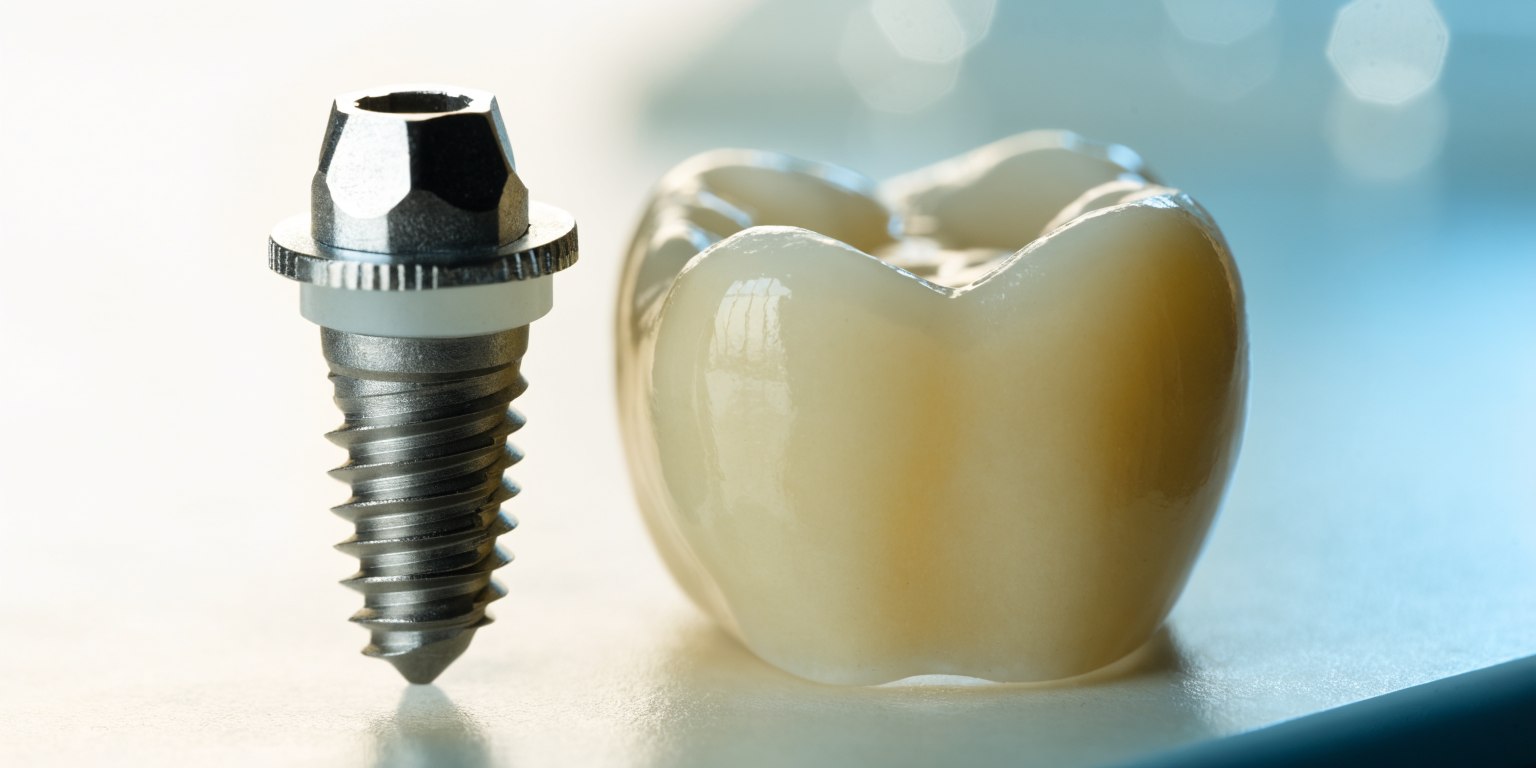
An implant restoration has several components. The implant body, also called the fixture, sits in the jawbone. An abutment connects it to the replacement tooth.[8]
| Component | What it does | What to expect over time |
|---|---|---|
| Implant body | Replaces the missing tooth root and supports the restoration | Can remain in place for decades; survival depends on continued health and stability |
| Abutment and screws | Connect and secure parts of the restoration | May need attention if a component loosens or develops a problem |
| Crown, bridge or denture | Replaces the visible tooth or teeth | Can wear or need replacement independently of the implant |
These are separate maintenance questions, rather than a single expiry date.[2–4]
Cleveland Clinic gives around 15 years as a general lifespan for crowns and bridges, while stressing that the timeline varies.[4] This is a broad estimate, not a requirement to replace a healthy implant crown at a particular anniversary.
When requesting a treatment plan, ask the dentist to distinguish the expected maintenance of the implant from that of the restoration above it.
What do 10-year and 20-year studies actually show?
Long-term studies support implant durability, but their percentages describe groups of implants, not an individual promise.
A 2019 systematic review of 18 studies estimated 96.4% implant survival at 10 years. In a sensitivity analysis that accounted for missing follow-up data using statistical assumptions, the estimate was 93.2%.[1] The difference matters: patients who stop attending research appointments can affect how confidently results are interpreted.
A 2024 review examined 20-year outcomes for rough-surfaced, screw-shaped titanium implants. Pooled survival was 92% in three prospective studies and 88% in five retrospective studies. An analysis accounting for missing data reduced the prospective estimate to 78%.[2] These are different analyses, not a personalised survival range, and should not be applied automatically to every implant material or treatment design.
Survival means an implant remains present, without necessarily being free of complications.[2] Ask what a quoted “success rate” measures, how long patients were followed and whether it refers to implants or entire restorations.
Which factors affect dental implant lifespan?
Plaque control and the health of surrounding tissues
Bacterial plaque can cause inflammation around an implant. Peri-implant mucositis affects the surrounding soft tissues. Peri-implantitis involves inflammation with loss of supporting bone and can threaten the implant.[5]
A history of periodontitis, the disease that damages tissues supporting natural teeth, increases the risk of implant complications. Gum health therefore remains relevant after a missing tooth has been replaced.[5]
Smoking and general health
Smoking can interfere with healing and reduce long-term implant success. Uncontrolled diabetes is another concern because it can increase the risk of infection-related failure.[3]
Tell your dental team about your health conditions and medicines, including changes after treatment. Some conditions and medications require additional assessment; an individual review is more useful than assuming that a diagnosis automatically rules implants in or out.[4]
Grinding, clenching and mechanical demands
Bruxism means grinding or clenching the teeth. A systematic review found a higher risk of implant failure in people classified as probable bruxers, although research methods and diagnosis vary.[6]
Report grinding, repeated restoration damage or a bite that feels different. Ask whether your treatment plan should include measures to manage these concerns. A protective appliance, if recommended, should not be presented as a guarantee against implant failure.
Access for cleaning and continuing professional care
An implant restoration can make some areas harder to clean. The British Society of Periodontology and Implant Dentistry emphasises personalised cleaning instruction and continuing professional maintenance.[7]
Before treatment, ask: “Will I be able to clean this restoration, and can you show me how?” If dexterity, eyesight or access makes a technique difficult, tell the team so they can adapt the advice.
How can you care for implants over the long term?
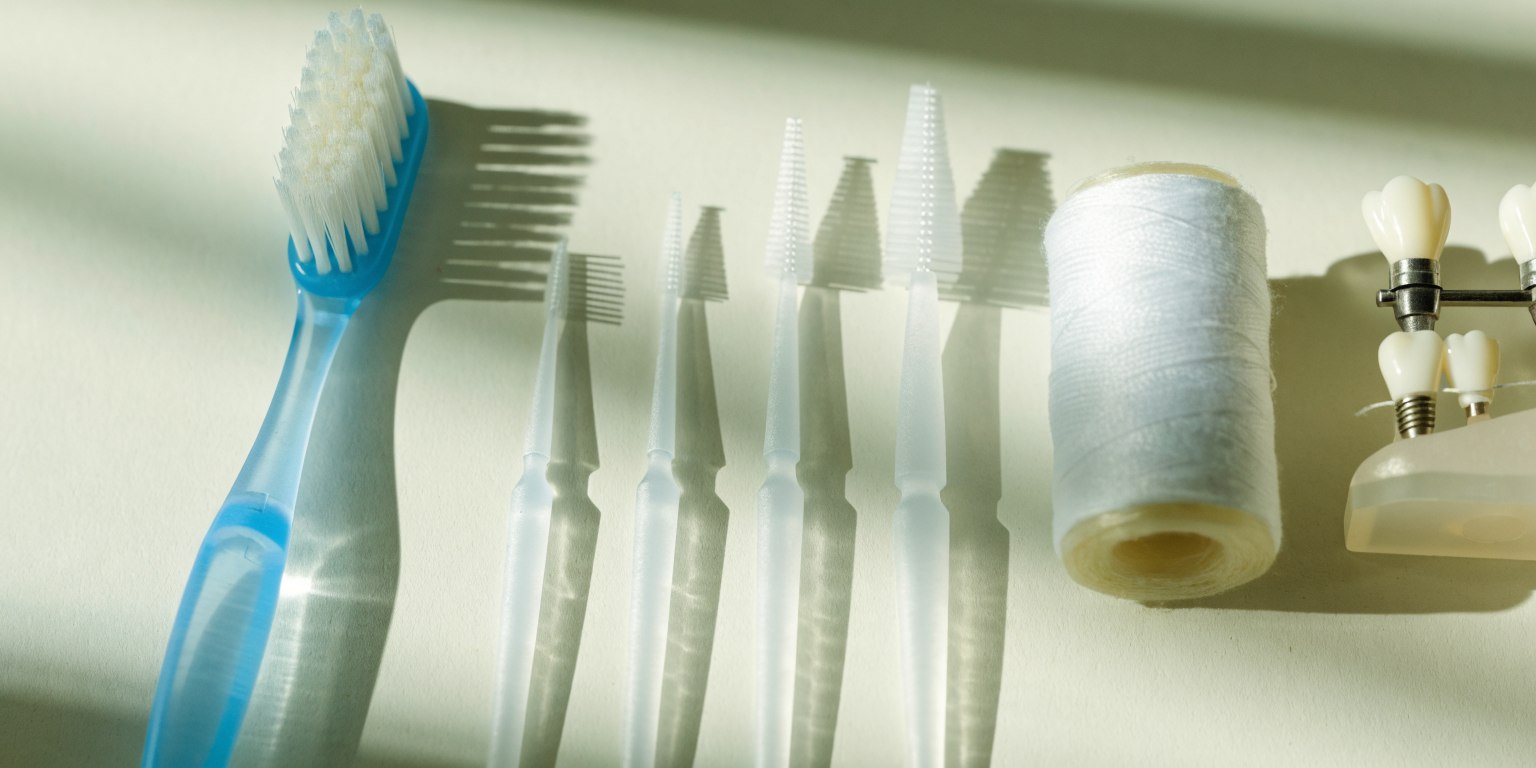
Daily cleaning and regular dental reviews are central to implant care. The Canadian Dental Association recommends cleaning with a toothbrush and floss, with the technique demonstrated by your dentist. Check-ups also allow the dentist to assess the bite and implant stability.[8]
Turn that advice into an individual plan:
- Request a demonstration. Ask which tools and sizes suit the spaces around your crown or beneath your bridge.
- Explain practical difficulties. Mention areas you cannot reach, persistent food trapping or bleeding during cleaning.
- Confirm the review schedule. Ask when to return and who will provide professional maintenance.
- Keep the plan current. Discuss changes in your health, medicines or ability to manage daily care.
The schedule should reflect your needs. The British Society of Periodontology and Implant Dentistry recommends regular monitoring and tailored maintenance rather than treating the finished restoration as the end of care.[7]
For treatment abroad, arrange how ongoing reviews will work after you return home. Keep the implant manufacturer and model in your records, as the FDA advises.[3] Also request your treatment summary and the treating clinic’s contact details.
Which symptoms need a dental review?
Contact a dentist promptly for new looseness, persistent pain or signs of inflammation around an implant. Bleeding, swelling, a bad taste or bad breath can signal a problem, even when the implant has been comfortable for years.[3,5]
Pus or fever also warrants prompt contact with a dental professional.[4] Do not wait for a routine appointment if something has changed.
Symptoms do not tell you which component is affected. For example, movement may involve a loose connecting screw rather than loss of the implant’s attachment to bone.[3] A dentist needs to identify the cause before discussing repair or replacement.
Some tissue changes are difficult to recognise yourself, which is another reason to maintain scheduled reviews even without pain.[5]
What should a “lifetime implant guarantee” mean to you?
A guarantee describes contractual coverage; it cannot establish how your tissues will respond or how long every component will function. Read the written terms before treating it as evidence of longevity.
Ask the provider:
- Does coverage apply to the implant body, replacement tooth, connecting parts or all three?
- Are clinical appointments, laboratory work and repeat surgery included?
- What maintenance records or attendance conditions are required?
- Who pays for travel or local care if treatment took place abroad?
- What happens if the original clinic or clinician is unavailable?
Compare the answers alongside the treatment plan and aftercare arrangements. Keep a copy of the terms that apply when you consent, rather than relying on a promotional headline.
Frequently asked questions
Can dental implants last 20 years or longer?
Yes, long-term studies document implants surviving at 20 years. Those findings support the possibility of lasting decades, but they do not guarantee that outcome for every patient.[2]
Do implants have to be replaced after 10 years?
No. Ten years is a common research follow-up point, not an automatic replacement deadline. Decisions about further treatment depend on clinical findings.[1,7]
If my implant crown breaks, does the implant need replacing?
Not necessarily. The replacement tooth and the implant are separate components. The dentist must assess what is damaged and whether the supporting implant remains suitable.[3,4]
Can an implant fail after many successful years?
Yes. Implant complications can arise soon after placement or much later. Previous comfort does not remove the need for continuing care.[3]
Does a full-arch bridge have the same lifespan as its implants?
No single lifespan covers both. Ask about the maintenance and possible replacement of the bridge separately from the health of the implants supporting it.[7]
Plan for care beyond the final appointment
Explore Niva Dental’s dental implant treatment information if you are considering care in Bakırköy, Istanbul. Ask how your individual risks, restoration choice and ongoing maintenance would be addressed before deciding on treatment.
This article provides general information and does not replace an individual dental assessment. Consult a dentist for advice about your own implants, symptoms or treatment options.
Sources
- Howe MS, Keys W, Richards D. Journal of Dentistry, 2019. Long-term (10-year) dental implant survival: A systematic review and sensitivity meta-analysis — University of Dundee research record.
- Kupka JR, et al. Clinical Oral Investigations, 2024. How far can we go? A 20-year meta-analysis of dental implant survival rates.
- US Food and Drug Administration. Dental Implants: What You Should Know.
- Cleveland Clinic. Dental Implants: Types, Purpose & Benefits.
- European Federation of Periodontology. Peri-implant diseases.
- Häggman-Henrikson B, et al. Journal of Oral Rehabilitation, 2024. Bruxism and dental implants: A systematic review and meta-analysis — PubMed.
- British Society of Periodontology and Implant Dentistry. Patient FAQs — Dental Implants.
- Canadian Dental Association. Dental Implants.