
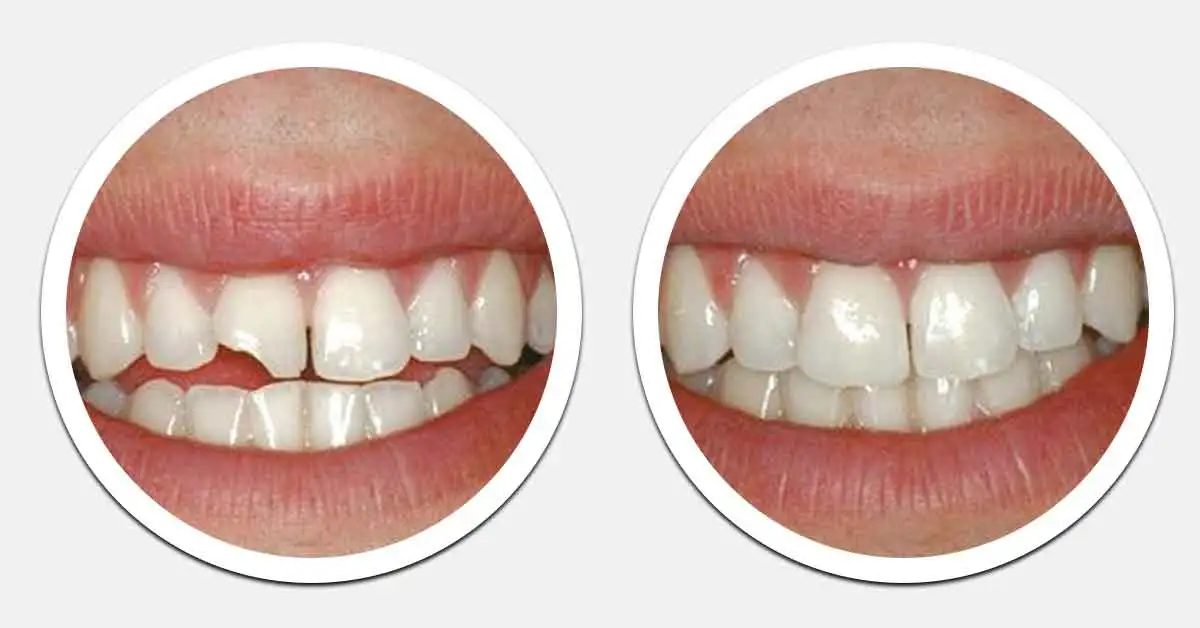
يمكن أن يؤدي تسرب الحواف في علاج الحشو المركب إلى تسوس ثانوي وحساسية وعمر أقصر للحشو. تعرف على أسباب وأعراض ومنع تسرب حواف الحشو المركب بالتفصيل من وجهة نظر طبيب الأسنان.
الحشو المركب: ما هو، ومتى يُفضل استخدامه؟
الحشو المركب هو مادة حشو جمالية ووظيفية تتناسب مع لون الأسنان وتتصلب بالضوء. عند استخدامها مع الإشارة الصحيحة في كل من المناطق الأمامية والخلفية، فإنها توفر نتائج طويلة الأمد وموثوقة.
الحشوات المركبة تُفضل عمومًا في الحالات التالية:
- علاج التجاويف الصغيرة والمتوسطة الحجم
- تصحيح الكسور أو الشقوق أو التشوهات في الأسنان الأمامية
- استبدال حشوات الملغم القديمة لأسباب جمالية
- إغلاق المثلثات السوداء بين الأسنان (إغلاق الفجوة بين الأسنان)
- الترميم التجميلي الطارئ للأسنان المكسورة بعد الإصابة
ما هو التسرب الهامشي للحشوات المركبة؟
التسرب الهامشي للحشوة المركبة هو تسرب السوائل الفموية والبكتيريا وبقايا الطعام إلى الفجوات المجهرية الموجودة عند ملتقى الحشوة بالسن. هذه مشكلة بيولوجية تهدد صحة الحشوة والسن على المدى الطويل.
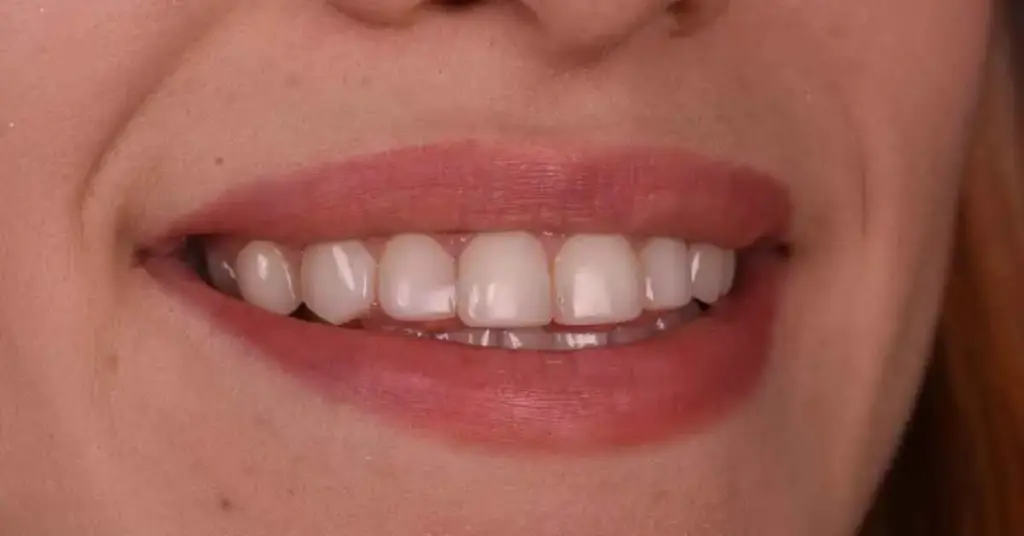
المشاكل التي يمكن أن تسببها تسرب حافة الحشوة المركبة:
- تطور التسوس الثانوي عند حافة الحشوة
- حساسية مفاجئة وحادة تجاه الأطعمة الباردة أو الساخنة أو الحلوة
- تغير اللون وتبلد حواف الحشوة
- التهاب اللب والحاجة إلى علاج قناة الجذر في المراحل المتقدمة
- رائحة الفم الكريهة وطعم سيئ في منطقة معينة
ما الذي يسبب تسرب حواف الحشوات المركبة؟
يحدث تسرب حافة الحشوة المركبة بسبب مجموعة من العوامل المتعلقة بطبيب الأسنان والمواد المستخدمة وبنية الأسنان والمريض. وعادة ما يحدث هذا التسرب نتيجة للتأثير التراكمي لعيوب بسيطة وليس لخطأ واحد.
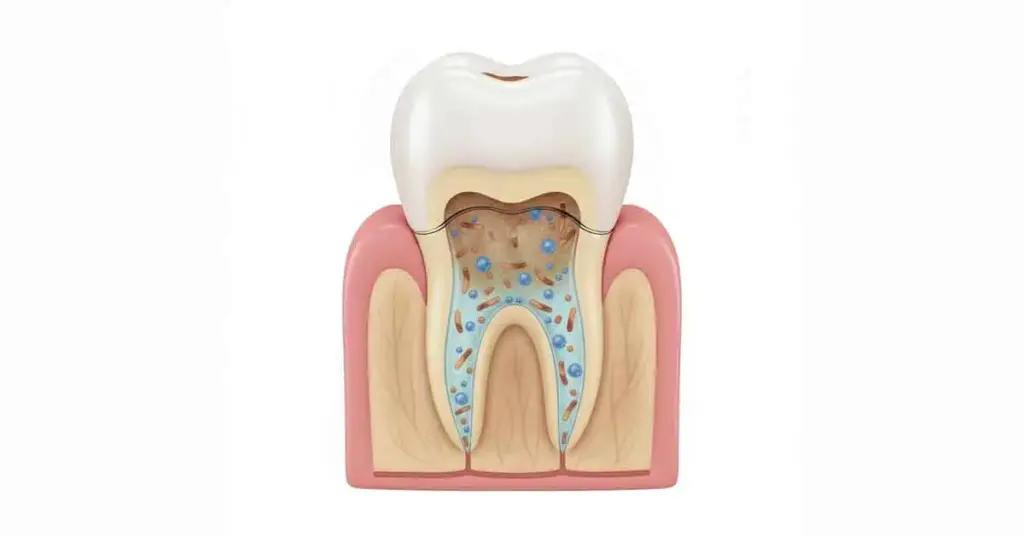
الأسباب الرئيسية لتسرب حواف الحشوات المركبة هي:
- الأسباب المتعلقة بتقنية تطبيق الحشو المركب
- عزل غير كاف، تلوث باللعاب والدم
- عدم الالتزام بوقت الحفر أو استخدام الحمض بشكل غير صحيح
- تطبيق غير متجانس لطبقة الترابط (اللاصقة)
- وضع الحشوة المركبة في كتلة واحدة سميكة
- الفشل في طبقات في أشكال التجويف ذات عامل C مرتفع
- قوة مصدر الضوء غير كافية أو وقت المعالجة قصير
- ترك خطوة عند حافة حشو الأسنان أثناء التشطيب والتلميع
- الأسباب المتعلقة بمواد الحشو المركبة
- استخدام مواد من الجيل القديم ذات انكماش بلمرة عالي
- تشكل شقوق دقيقة على سطح الحشوات المركبة المستخدمة لسنوات عديدة
- فقدان مستوى حواف الحشو بالنسبة للسن بسبب التآكل
- الأسباب المتعلقة بالأسنان والمريض
- الشقوق الموجودة أو الجدران الضعيفة بشكل مفرط في السن
- Exposure of the root surface that was previously covered due to gum recession
- Severe chewing forces, teeth grinding (bruxism) habit
- Plaque buildup due to inadequate brushing and lack of flossing
- Consistent consumption of sugary, sticky snacks
How to Prevent Composite Filling Edge Leakage?
Although it is not always possible to completely eliminate composite filling edge leakage, it can be minimized with the right protocols. Both the dentist’s technique and the patient’s habits play a decisive role here.

Key points to consider to prevent composite filling edge leakage:
- Proper planning before composite filling
- Detailed assessment of the amount of remaining tooth structure
- Considering onlay/crown options instead of composite filling only in cases of extensive material loss
- In cracked teeth, the restoration plan should not be limited to filling
- Ensuring ideal isolation during composite filling
- Use of a rubber dam, if possible
- When a rubber dam cannot be used, keep the area dry with saliva ejectors, cotton rolls, and retractors
- Use of appropriate matrix bands and wedge systems on margins below the gum line
- Perfect compliance with the composite filling adhesive protocol
- Etching times for enamel and dentin in accordance with the manufacturer’s instructions
- Leaving the tooth slightly moist after etching in accordance with the “wet dentin” concept
- Applying the adhesive in such a way that it forms a thin, shiny, and continuous film layer
- Curing the adhesive with light for a sufficient time and from the correct distance
- Use of the composite filling layering technique
- Placement of the composite filling in thin layers of 1.5–2 mm
- Curing each layer separately for a sufficient amount of time
- Preference for oblique layering or bulk-fill + top aesthetic layer combination in deep cavities
- Composite filling finishing and polishing protocol
- Careful removal of excess material at the tooth-filling interface using fine-tipped burs and discs
- Polishing rough surfaces with polishing rubber cups and pastes
- Achieving a plaque-resistant, shiny, and smoothly contoured marginal line that conforms to the tooth
- Follow-up and patient education after composite filling
- Explaining to the patient that they should avoid excessively hard and crunchy foods for the first 24 hours
- Emphasizing the importance of daily brushing and flossing
- Planning a night guard (occlusal splint) if there is severe teeth grinding
- Clinical and radiographic follow-up of filling margins with check-up appointments every 6–12 months
What Are the Signs of Composite Filling Margin Leakage?
Composite filling margin leakage does not always present with obvious pain; most of the time, mild and initial complaints are warning signs. Detecting it early is critical for protecting the tooth.
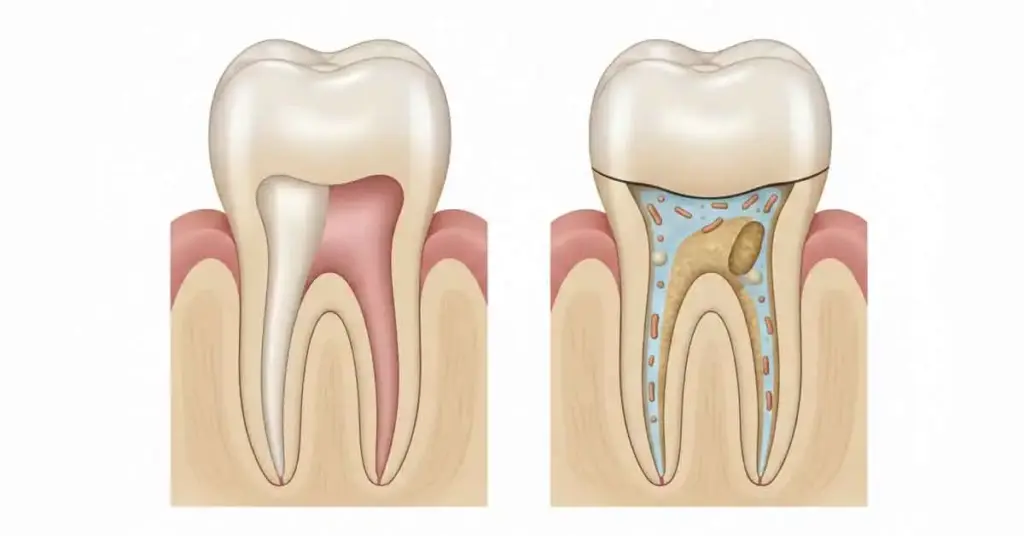
Typical signs of composite filling margin leakage:
- A sudden, brief tingling sensation when eating cold, hot, or sweet foods
- A feeling of “pressure” or slight cracking in the filling area while chewing
- Darkening, yellowing, or discoloration at the edges of the filling
- Complaints of a bad taste or mild bad breath coming from the same area
- In advanced stages, increased throbbing pain at night and prolonged sensitivity
What to Do When Composite Filling Edge Leakage Is Detected?
When composite filling edge leakage is suspected, the dentist first performs a clinical examination, then evaluates the bottom and surrounding area of the filling with an X-ray (radiography) if necessary. Depending on the decision, different approaches can be applied, ranging from conservative correction to complete treatment replacement.

The main treatment options applied when composite filling edge leakage is detected:
- In the early stages, with minor leakage
- Correction of rough and discolored areas at the edge of the filling
- Re-polishing after surface correction
- Repair of the composite filling in localized small areas
- In the presence of secondary decay
- Complete removal of the old composite filling
- Cleaning of the underlying decayed tissue
- Restoration with a new composite filling after an appropriate adhesive protocol
- In cases of pulp damage and deep infection
- Root canal treatment when the tooth nerve is affected
- Planning for a new composite filling, inlay/onlay, or crown based on the condition of the tooth after root canal treatment
- Supporting teeth with extensive material loss with a more protective superstructure instead of just a composite filling
Composite Fillings – (FAQ)
Is composite filling edge leakage always the dentist’s fault?
Composite filling edge leakage is not solely due to dentist error. Although the application technique is very important, factors such as the patient’s oral hygiene, teeth grinding habits, diet, and gum health also directly affect the process. Even composite fillings done with the most ideal technique can cause problems in a short time with poor oral care and irregular check-ups.
Is it sufficient to only renew the top surface when there is composite filling edge leakage?
In most cases, it is not sufficient to only renew the top surface when composite filling edge leakage is detected. There is a high probability of secondary decay forming under the filling. Therefore, it is safer to completely remove the old composite filling, clean the underlying tissue, and, if necessary, make a new composite filling from scratch.
Is composite filling edge leakage always visible on an X-ray?
Composite filling edge leakage is not always clearly visible on an X-ray when it is early and microscopic. At this stage, clinical examination, sensitivity tests, and the dentist’s experience are decisive. Advanced secondary caries, on the other hand, can usually be seen on radiographs as dark areas.
Does every tooth with composite filling edge leakage require root canal treatment?
Root canal treatment may not be necessary for every tooth with composite filling edge leakage. If detected and treated early, simply replacing the filling and cleaning the decay may be sufficient. However, if the leakage goes unnoticed for a long time and pain and nighttime throbbing begin, pulp damage may have occurred, making root canal treatment unavoidable.