



Dental Implants in Turkey
Dental implants are used to replace one or more missing teeth by placing an implant fixture in the jawbone to support a crown, bridge or larger prosthetic restoration. Niva Dental provides dental implant treatment in Istanbul for local and international patients. Suitability, implant position and the final restoration must be determined through clinical examination and appropriate imaging.
Dental implants in Turkey should not be viewed as a treatment that is universally completed during one short visit. Implant placement may take place during a relatively short treatment phase, but biological healing and osseointegration usually require additional time before the definitive restoration can be completed.
Dental Implants in Turkey: At a Glance
| Topic | What to Know |
|---|---|
| Treatment purpose | Replacement of one or more missing teeth |
| Implant fixture | Usually a titanium implant placed in the jawbone to act as an artificial tooth root |
| Visible tooth replacement | A crown, bridge or implant-supported prosthesis is connected above the implant |
| Anesthesia | Implant placement is commonly performed with local anesthesia; the approach depends on the treatment plan |
| Planning | Clinical examination and dental imaging are used to assess the teeth, gums, bone and nearby anatomical structures |
| Main stages | Assessment, implant placement, healing, restorative planning and final restoration |
| Osseointegration | Biological healing in which bone forms a stable connection with the implant surface |
| Number of visits | Many conventional cases involve more than one treatment phase; the exact number varies |
| Additional procedures | Some patients may require extraction, bone grafting, a sinus lift or other preparatory treatment |
| Suitability | Confirmed by the treating dental team after appropriate clinical assessment |
If you are considering dental implants Turkey treatment from abroad, the first useful step is to establish what records are needed for an initial review and what can only be confirmed after you arrive for an in-person examination.
Dental Implants in Turkey Prices
Dental implants in Turkey start from $282 for a single implant at Niva Dental. Your total treatment cost depends on the implant system, the number of implants and the replacement teeth planned for your smile. The table below provides starting prices to help you prepare for a personalised quotation.
| Treatment option | Starting price — USD |
|---|---|
| Single dental implant | From $282 |
| Two dental implants | From $565 |
| All-on-4 treatment | From $2,200 |
| All-on-6 treatment | From $3,900 |
Pricing information: These are starting prices, not confirmed totals for a complete restored tooth or both jaws. Your individual quotation will specify the treated jaw or jaws, implant brand, abutments, temporary and final teeth, treatment stages and any additional services.
What Is a Dental Implant and How Does It Work?
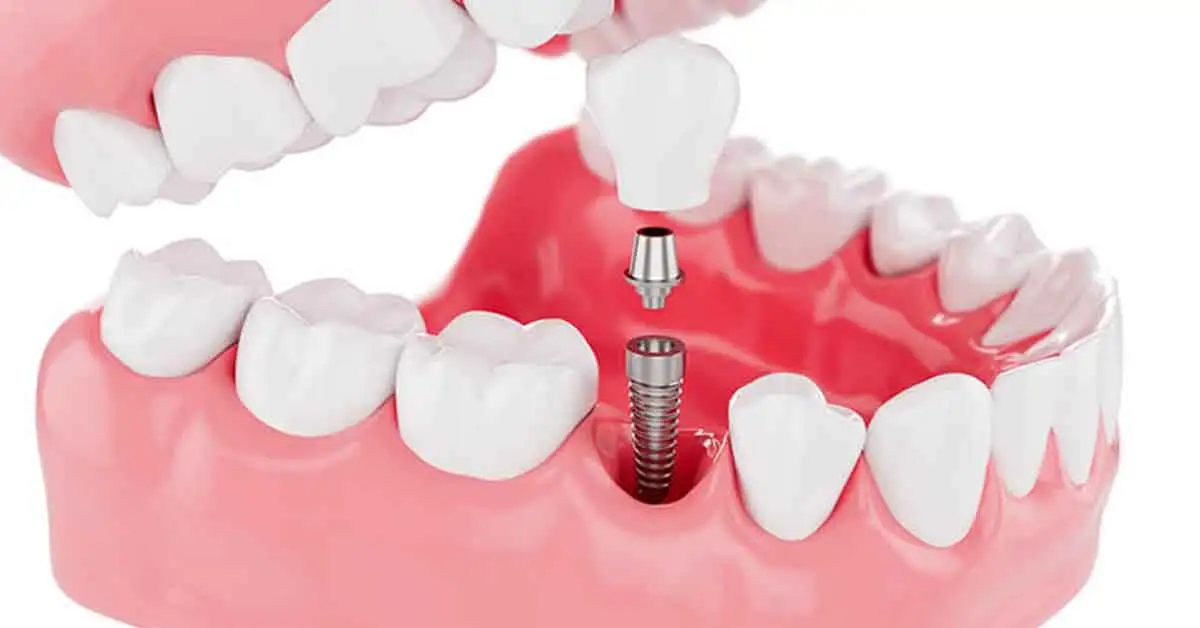
A dental implant is a small fixture placed into the jawbone to support a replacement tooth or prosthesis. The implant itself is not the visible tooth. After appropriate healing and restorative planning, an abutment and crown, bridge or other prosthetic restoration can be connected to the implant.
The Three Main Parts of an Implant Restoration
A typical implant-supported restoration can be understood as three components:
- Implant fixture: The component placed in the jawbone. Titanium is commonly used because of its established use in implant dentistry.
- Abutment: A connecting component between the implant and the visible restoration.
- Restoration: The crown, bridge or larger prosthesis that replaces the visible part of the missing tooth or teeth.
Osseointegration is the biological process through which bone develops a stable connection with the implant surface. It does not mean that the implant literally becomes bone. This healing stage is important because the implant must achieve appropriate stability before it carries the planned long-term restoration.
Who May Be a Candidate for Dental Implants?
Dental implants may be considered for adults with one or more missing teeth when their oral health, bone conditions, medical history and treatment goals make implant therapy appropriate. Having a missing tooth alone does not establish candidacy. The dental team must assess whether implant treatment can be planned safely and predictably for the individual patient.
Assessment may include:
- whether jaw growth is complete,
- the number and position of missing teeth,
- available jawbone volume and quality,
- gum and periodontal health,
- oral hygiene,
- existing dental infection,
- medical conditions and medications,
- smoking or other tobacco use,
- diabetes control,
- a history of periodontal disease,
- teeth grinding or clenching,
- bite forces and restorative space,
- willingness to attend follow-up and maintenance appointments.
When Additional Assessment or Treatment May Be Needed
Insufficient bone, active periodontal disease, smoking, poorly controlled systemic disease and certain medications can influence healing or change the risk-benefit balance of implant treatment. These factors do not automatically exclude every patient.
For example, well-controlled diabetes may be compatible with implant treatment, while poorly controlled diabetes can require additional medical assessment or postponement of elective care. Smoking is also associated with higher implant and peri-implant risks and should be discussed during treatment planning.
Patients with bone loss may still have options, including bone augmentation in selected cases. The appropriate approach depends on clinical findings rather than a photograph or online questionnaire alone.
What Dental Implant Options Are Available?
The most useful way to classify implant treatment is by the pattern of missing teeth. One implant may replace a single tooth, several implants may support multiple missing teeth, and strategically positioned implants may support a full-arch restoration when extensive tooth loss is present.
Single-Tooth Dental Implant
A single dental implant can support an individual crown without relying on the neighboring teeth for support. The condition of the adjacent teeth, available bone, gum health, bite and restorative space are considered before treatment.
Multiple Dental Implants and Implant-Supported Bridges
When several teeth are missing, it is not always necessary to place one implant for every missing tooth. In selected cases, implants can support a bridge that replaces several teeth. The number and position of implants depend on bone anatomy, load distribution and the planned restoration.
Implant-Supported Full-Arch Treatment
Patients who have lost most or all teeth in one jaw may be evaluated for an implant-supported full-arch restoration. Protocols such as All-on-4 and All-on-6 use multiple implants to support a full arch of replacement teeth.
The number of implants is not chosen from a package name alone. Bone anatomy, implant distribution, bite forces, restorative design and patient factors all matter. Patients considering this type of rehabilitation can read more about Niva Dental’s All-on-4 and All-on-6 implant treatment.
| Treatment Pattern | Typical Purpose | Restoration |
|---|---|---|
| Single implant | Replace one missing tooth | Individual crown |
| Multiple implants | Replace several missing teeth | Individual crowns or implant-supported bridge |
| Full-arch implant treatment | Replace most or all teeth in an arch | Implant-supported full-arch prosthesis |
How Does Dental Implant Treatment Work?
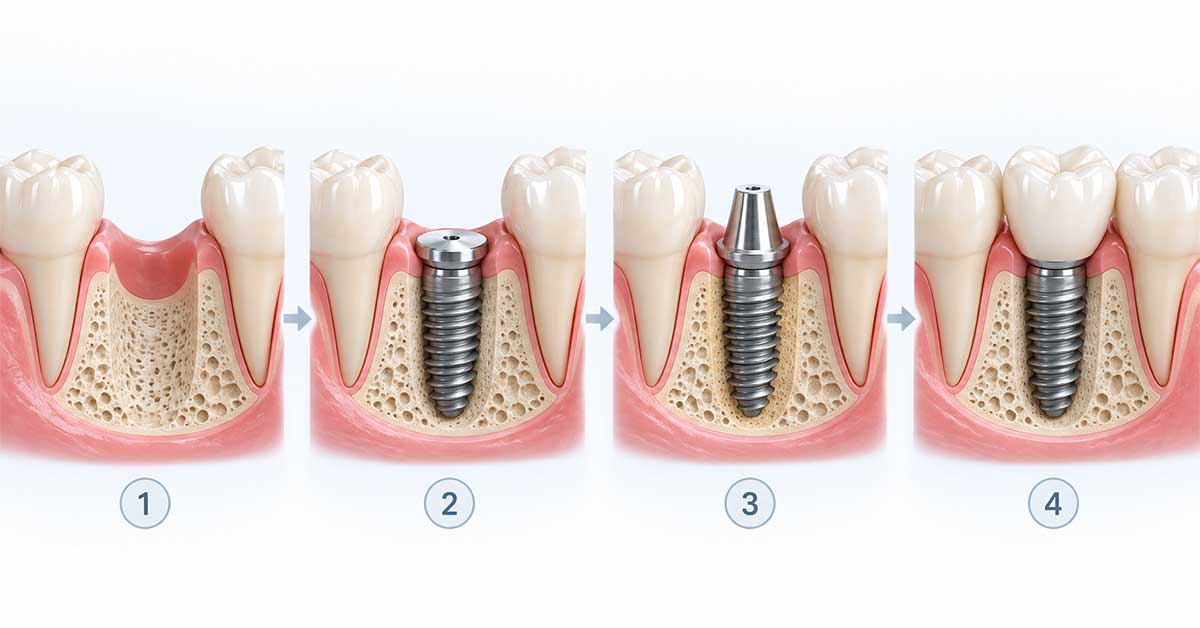
Dental implant treatment usually involves assessment, imaging, surgical placement, biological healing and restorative treatment. Some stages can sometimes be combined, while other cases require additional procedures or longer healing. The sequence should be adapted to the patient’s anatomy, medical history and restorative plan.
1. Initial Consultation and Pre-Assessment
International patients may be asked to provide recent dental X-rays, photographs, information about missing teeth, previous dental treatment, medical history and current medications.
This information can help the dental team prepare a preliminary assessment before travel. It cannot replace an in-person examination or guarantee that the provisional plan will remain unchanged.
2. Clinical Examination and 3D Imaging
At the clinic, the dentist assesses the teeth, gums, bite and implant sites. Panoramic X-rays and, when clinically indicated, CBCT three-dimensional imaging can provide information about available bone and nearby anatomical structures.
For some implant positions, the dental team may need to evaluate neighboring tooth roots, the mandibular nerve or the anatomy of the maxillary sinus before deciding where and how an implant can be placed.
3. Implant Placement
Implant surgery is commonly performed under local anesthesia. The implant site is prepared and the fixture is positioned according to the treatment plan.
Local anesthesia is intended to numb the treatment area during surgery, but this does not mean every patient will have the same experience. Temporary soreness, swelling, bruising or discomfort can occur afterward.
4. Healing and Osseointegration
After placement, the implant needs biological healing time to develop a stable connection with the surrounding bone. Healing cannot simply be shortened to fit a flight or vacation schedule.
The required period varies according to factors such as implant stability, bone characteristics, the site being treated, additional surgery and patient-related healing factors.
5. Abutment and Final Restoration
Once the implant is ready for restoration, the treatment moves to the prosthetic stage. Depending on the design, an abutment and an individual crown, bridge or full-arch restoration may be fitted.
Not every case follows exactly the same sequence. Some patients receive temporary restorations during treatment, while others follow a different staged protocol.
| Stage | Main Purpose |
|---|---|
| Preliminary review | Collect records and identify likely treatment needs |
| Clinical examination and imaging | Confirm anatomy, oral health and final treatment plan |
| Implant placement | Place the implant fixture in the planned position |
| Healing | Allow soft tissues and bone to recover and the implant to integrate |
| Restorative stage | Design and fit the planned crown, bridge or prosthesis |
| Follow-up | Monitor implant, restoration and peri-implant health |
For a more detailed explanation of each surgical and restorative stage, see our dental implant procedure guide.
How Long Does Dental Implant Treatment Take?
Dental implant surgery and total dental implant treatment are two different timelines. Surgical placement may be completed during one appointment or treatment phase, but osseointegration and restorative treatment can extend the overall process over several months. Additional procedures such as bone grafting can lengthen the timeline further.
The exact schedule depends on the implant site, number of implants, bone condition, need for extractions or grafting, healing response and restorative plan.
How Many Trips to Turkey Are Usually Needed?
Many staged dental implant cases for international patients involve two treatment phases in Turkey: one for assessment and implant placement, followed by healing at home, and another for the final restorative stage.
This is not a universal rule. Some treatment plans require additional appointments, while selected cases may follow different protocols. The number and length of visits should be confirmed after clinical assessment.
Can Dental Implants Be Completed in One Trip?
Selected patients may be suitable for immediate implant placement, immediate loading or a temporary fixed restoration during an early treatment phase. These terms do not mean that every patient can receive a definitive final restoration on the day implants are placed.
Immediate loading depends on factors such as implant stability, bone condition, infection status, bite forces and the overall restorative design. “Same-day teeth” may therefore refer to a temporary restoration while biological healing continues.
What If You Do Not Have Enough Bone for an Implant?
Insufficient jawbone does not automatically mean dental implant treatment is impossible. The dentist must determine how much bone is available and whether the proposed implant can be placed in an appropriate position. Some patients may be candidates for bone augmentation or other treatment strategies.
Bone Grafting
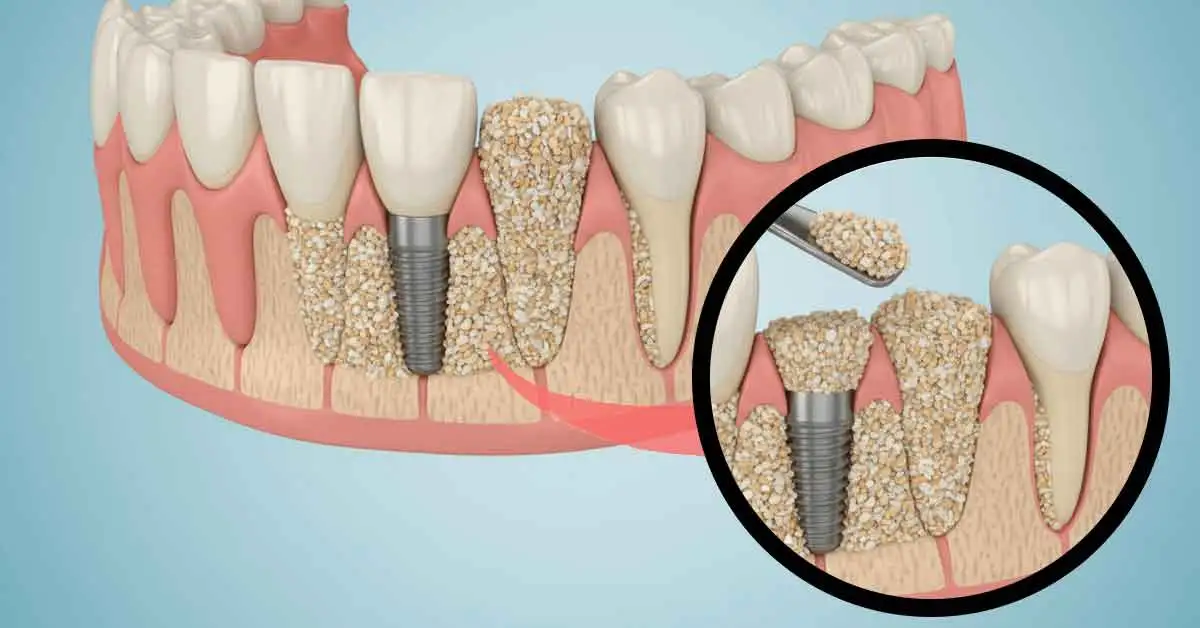
A bone graft is used to increase or rebuild bone in an area where the existing volume is not sufficient for the planned implant treatment. Depending on the situation, grafting may be performed before implant placement or at the same time as implant surgery.
Larger grafting procedures can add healing time. Our bone graft for dental implants guide explains this topic in greater detail.
Sinus Lift
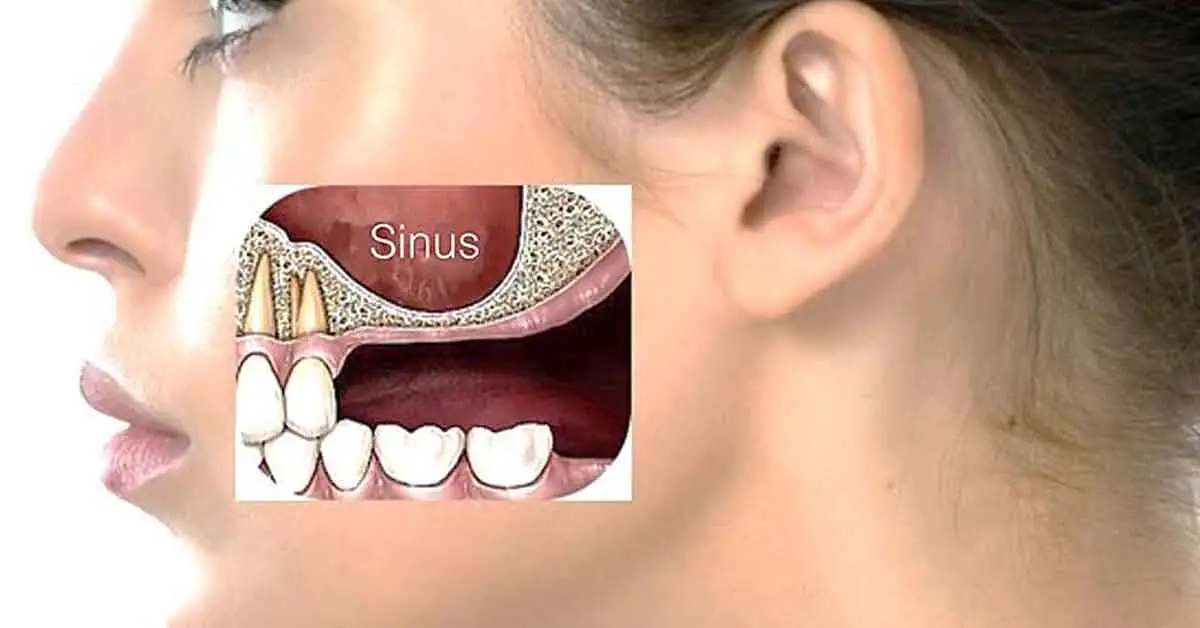
A sinus lift is a type of bone augmentation used in selected areas of the back of the upper jaw when there is not enough bone beneath the maxillary sinus for the planned implant.
The sinus membrane is elevated to create space for grafting material. Depending on the available bone and treatment plan, the implant may be placed during the same procedure or at a later stage. Read more in our sinus lift for dental implants guide.
Dental Implant Packages in Turkey
Explore single-tooth, multiple-implant and full-arch treatment options at Niva Dental in Istanbul. Each treatment plan is adapted to your oral health, missing teeth and restorative needs. Your dentist will assess which options are suitable before the final plan and price are confirmed.
Single Dental Implant
From $282
An option for replacing one missing tooth with an implant-supported crown.
- Treatment focuses on an individual missing tooth.
- The implant and visible crown are separate components.
- Your quotation identifies the implant system, abutment and crown costs.
Two Dental Implants
From $565
An option for treatment involving two implant placements. The final tooth replacement design depends on the location and number of missing teeth.
- Implant positions are planned around your individual needs.
- The restoration may involve individual crowns or an implant-supported bridge.
- Your quotation specifies the replacement teeth and associated restorative costs.
All-on-4 Dental Implants
From $2,200
A full-arch treatment approach using four implants to support replacement teeth in a treated jaw.
- Designed for suitable patients with extensive tooth loss.
- Implant positions and the prosthesis are planned together.
- Your quotation specifies the jaw treated, implant brand and temporary and final restoration stages.
All-on-6 Dental Implants
From $3,900
A full-arch treatment approach using six implants to support replacement teeth in a treated jaw.
- Suitability depends on bone anatomy and the planned restoration.
- The number of implants is selected through clinical assessment.
- Your quotation specifies the jaw treated, implant system and restorative materials.
Starting prices do not establish which surgical or restorative stages are included. For full-arch treatment, request a written breakdown identifying the treated jaw or jaws and the cost of temporary and final teeth.
What Does Your Dental Implant Package Cover?
Before booking, review the following details with our team so you can understand the complete treatment cost.
| Treatment or service | Details to confirm in your quotation |
|---|---|
| Implant treatment | Implant number, brand, model and placement fees |
| Abutments and replacement teeth | Components, crown or bridge material and number of teeth |
| Temporary teeth | Whether needed, the type provided and the cost |
| Examination and imaging | Required scans and whether their fees are included |
| Additional procedures | Any extractions, bone grafting or sinus lift treatment |
| Accommodation and transfers | Whether included, number of nights and visits covered |
| Follow-up | Planned appointments and aftercare arrangements |
What Can Change the Final Price?
The final price may change according to the implant system, restorative material, number of teeth being replaced and any preparatory treatment required. A single implant price should therefore be considered alongside the cost of the abutment and final crown.
For patients travelling to Istanbul, the quotation should also distinguish between the first treatment visit and any later restorative visit. Compare the total planned treatment cost alongside travel and accommodation arrangements.
Request Your Personalised Treatment Plan
Contact Niva Dental to discuss your missing teeth, treatment goals and available dental records. Our team can explain the information needed for an initial assessment and help you understand your treatment options. The definitive plan is confirmed following clinical examination and appropriate imaging.
Are Dental Implants in Turkey Safe?
Dental implant surgery has recognized risks regardless of the country in which it is performed. Safe treatment depends on appropriate patient selection, clinical examination, imaging, treatment planning, infection-control procedures, informed consent, appropriate implant and restoration selection, and a clear system for follow-up.
Possible complications can include infection, failure of an implant to integrate with bone, damage to nearby teeth or other structures, nerve injury or altered sensation, sinus complications in upper-jaw treatment, peri-implant inflammation or disease, and mechanical or prosthetic complications.
These risks should neither be exaggerated nor presented as impossible.
Patients comparing dental implants Turkey providers should therefore evaluate clinical transparency rather than relying solely on package prices, social media photographs or travel benefits.
What Should International Patients Check Before Choosing an Implant Clinic?
Before committing to treatment abroad, ask for:
- the identity and verifiable qualifications of the treating dentist,
- an in-person clinical assessment before definitive treatment decisions,
- appropriate dental imaging,
- the name of the implant system being proposed,
- a written treatment plan,
- an itemized quote,
- an explanation of important risks and alternatives,
- details of temporary and final restorations,
- a clear aftercare and follow-up process,
- contact arrangements after returning home,
- transparent clinic and healthcare-facility information.
A remote assessment is useful for preliminary planning, but it should not be presented as a final clinical diagnosis.
For a more detailed checklist, see How to Choose a Dental Implant Clinic in Turkey.
Dental Implant Recovery and Aftercare
Dental implant recovery includes three different processes: early recovery from surgery, longer-term biological healing and ongoing maintenance after the final restoration is fitted. Temporary soreness, swelling, bruising or minor bleeding can occur after implant placement, but the type and intensity of symptoms vary by patient and procedure.
Follow the individualized instructions provided by the treating dental team. These may cover oral hygiene, eating, physical activity and any prescribed medications.
Smoking can adversely affect implant healing and peri-implant health, so tobacco use should be discussed before treatment.
Long-term care remains important after healing. Dental implants and implant-supported restorations require effective brushing, cleaning around the implant and prosthesis, and professional review according to the patient’s needs.
A detailed dental implant recovery guide can provide further information about the early postoperative period without overloading this main treatment page.
When Should a Patient Contact the Dental Team?
Contact the treating dental team if postoperative symptoms are severe, persistent or worsening rather than gradually improving, or if you develop a concern about bleeding, swelling, pain, the surgical site, the temporary restoration or the stability of the implant-supported restoration.
Urgent medical or dental evaluation may be appropriate for significant symptoms that cannot safely wait for routine follow-up. International patients should know whom to contact both while in Istanbul and after returning home.
How Long Can Dental Implants Last?
Dental implants can function for many years, but no implant or restoration should be described as guaranteed to last forever. The implant fixture and the crown, bridge or prosthesis above it are different components and may have different maintenance or replacement needs over time.
Long-term outcomes can be influenced by:
- oral hygiene,
- gum and peri-implant health,
- smoking,
- diabetes and general health,
- bruxism or heavy bite forces,
- implant position and loading,
- restorative design,
- professional maintenance,
- regular follow-up.
The restoration above an implant may require repair or replacement even when the implant fixture remains integrated. Manufacturer warranties, where offered, should also be distinguished from biological or clinical longevity.
Dental Implants vs Bridges and Dentures
Dental implants, dental bridges and removable dentures can all be appropriate ways to replace missing teeth. Implants do not automatically represent the best option for every patient. The correct choice depends on the condition of the remaining teeth, bone, gums, medical history, treatment preferences, budget and desired maintenance requirements.
| Factor | Dental Implant | Dental Bridge | Removable Denture |
|---|---|---|---|
| Surgery | Usually required | Usually not required for conventional tooth-supported bridgework | Usually not required |
| Neighboring teeth | May avoid preparing healthy neighboring teeth | Conventional bridges commonly rely on prepared adjacent teeth | Usually does not require the same preparation as a conventional bridge |
| Bone assessment | Important for implant placement | Implant-level bone volume is not required | Implant-level bone volume is not required unless implants support the denture |
| Fixed or removable | Usually fixed once restored | Fixed | Removable |
| Timeline | May involve surgical healing over several months | Often shorter than staged implant therapy | Often shorter than staged implant therapy |
| Maintenance | Implant and restoration require ongoing cleaning and review | Bridge and supporting teeth require cleaning and review | Denture and oral tissues require regular cleaning and review |
| Suitability | Depends on oral and medical factors | Depends on supporting teeth and bite | Depends on oral anatomy, function and patient preference |
A dentist should explain the benefits, limitations and alternatives before a decision is made.
Which Dental Implant Brands Does Niva Dental Use?
Niva Dental’s current website publishes dedicated information about several implant systems used or offered within its dental services, including Osstem, BEGO, BioHorizons, Hiossen and Nobel Biocare. Brand availability for a particular treatment should still be confirmed during planning because the appropriate system may vary by clinical situation and current availability.
The implant brand is only one part of treatment planning. Implant position, available bone, patient-related risk factors, restorative design, hygiene, bite forces and long-term maintenance can all affect the overall treatment outcome.
Patients should ask for the exact implant system to be documented in their treatment records and should understand what components are included in their quote.
Dental Implant Prices by Brand
Dental implant prices vary depending on the brand and implant system selected for your treatment. The table below shows indicative prices per implant unit in euros. Your dentist will discuss suitable options based on your clinical assessment and treatment plan.
| Implant brand / system | Indicative price per implant — EUR |
|---|---|
| Medigma | €250–€350 |
| Megagen AnyOne | €350–€450 |
| Osstem | €400–€500 |
| Bego | €400–€500 |
| Megagen AnyRidge | €450–€550 |
| Straumann | €500–€700 |
These ranges are not confirmed prices for a complete restored tooth. Your personalised quotation will identify the implant model and specify whether placement, the abutment and the final crown are included. Additional procedures and travel services are itemised where applicable. Brand availability and clinical suitability are confirmed during treatment planning.
Why Choose Niva Dental for Dental Implants in Istanbul?
Niva Dental is based in Istanbul and provides dental treatment pathways for international patients as well as patients in Türkiye. The current Niva patient journey includes pre-treatment communication, preliminary review, individualized treatment planning and support with international travel arrangements.
Niva also describes airport transfer and hotel-related support for international patients. The exact services included should be confirmed for the individual treatment plan rather than assumed to be part of every package.
For implant patients, the practical advantage of coordinated care is not simply travel convenience. It is knowing what records are required before arrival, what treatment can be completed during each phase, when healing must take place at home and how follow-up will be managed after returning home.
Contact Niva Dental to discuss your missing teeth and the dental records needed for an initial assessment. Your definitive treatment plan is confirmed after the appropriate in-person examination and imaging.
Planning Dental Implant Treatment From Abroad
International dental implant treatment should be planned around clinical stages rather than around the shortest possible holiday. An online review may help estimate likely treatment needs, but examination and imaging in Istanbul can change the preliminary plan.
Before traveling, patients may be asked to provide dental photographs, available X-rays, information about missing teeth, medical history, medications and previous dental treatment.
After arrival, the clinical team can confirm:
- whether implant treatment is appropriate,
- whether extractions or additional procedures are needed,
- how many implants are planned,
- which restorations will be used,
- whether temporary teeth are appropriate,
- how long the current treatment phase requires,
- whether another trip is expected after healing.
Niva’s international-patient information describes support with travel and accommodation arrangements. However, time spent in Istanbul for one treatment phase must be distinguished from the total dental implant treatment timeline.
In many staged cases, a patient can return home while osseointegration takes place and travel back for the restorative stage when appropriate.
Before leaving Istanbul, patients should understand their aftercare instructions, planned follow-up, whom to contact with questions and what arrangements apply if further assessment is required after returning home.
Contact Niva Dental for an initial review of your dental records and a personalized treatment pathway. An online assessment can help you prepare for travel, while final candidacy and treatment decisions are confirmed clinically.
Frequently Asked Questions About Dental Implants in Turkey
How many trips to Turkey are needed for dental implants?
Many conventional implant cases require two main treatment phases: one for implant placement and another after healing for the final restoration. Some patients may require additional appointments or a different sequence. The number of trips depends on bone condition, extractions, grafting, implant stability and the type of restoration, so the travel plan should be individualized.
How long should I stay in Istanbul after dental implant surgery?
There is no universal number of days that applies to every implant patient. The required stay depends on how many implants are placed, whether additional surgery is performed, the timing of postoperative checks and the overall treatment plan. Your return travel should allow enough time for the treating team to complete the planned clinical review before departure.
Can dental implants be completed in one visit?
Some selected cases may allow immediate implant placement or a temporary restoration during one treatment phase. However, “same-day teeth” does not necessarily mean the definitive final restoration has been completed. Osseointegration continues after surgery, and many conventional cases require a later restorative stage after the implant has healed appropriately.
Do dental implants hurt?
Implant placement is commonly performed with local anesthesia to numb the treatment area. Patients can still experience pressure during the procedure, and temporary soreness, swelling, bruising or discomfort may occur afterward. The experience varies according to the individual and the extent of surgery. Pain that is severe, worsening or otherwise concerning should be discussed with the treating dental team.
Can I fly after dental implant surgery?
Many international patients travel after implant treatment, but the appropriate timing depends on the extent of surgery, postoperative symptoms and whether procedures such as bone grafting or sinus treatment were performed. Your treating dentist should confirm when travel is appropriate for your case. Avoid planning a return flight so tightly that there is no time for the planned postoperative review.
What happens if I do not have enough jawbone for an implant?
Insufficient bone does not automatically rule out dental implants. Imaging can help determine the amount and position of available bone. Depending on the site and treatment plan, options may include bone grafting, a sinus lift or another implant strategy. Some augmentation procedures can be performed with implant placement, while others require a separate healing stage.
Can smokers have dental implants?
Smoking is not an automatic exclusion in every case, but it is an important risk factor. Research associates smoking with increased implant failure and peri-implant complications. Smoking habits should therefore be discussed openly during assessment, and the treating dentist can explain how tobacco use affects the proposed treatment and healing plan.
Can people with diabetes have dental implants?
People with well-controlled diabetes may be candidates for dental implants. Poor glycemic control can affect healing and may increase implant-related risks, so medical status should be assessed as part of treatment planning. Diabetes should not be treated as an automatic exclusion, but implant surgery should not be planned without considering disease control and the patient’s wider health.
Does a dental implant price include the crown and abutment?
Not always. An advertised implant price may refer only to the fixture placed in the jawbone. Ask whether the quote also includes the abutment, crown or bridge, imaging, temporary restoration, additional surgery, laboratory work and follow-up. An itemized quote makes it easier to compare the complete treatment rather than comparing incomplete headline prices.
What happens if a dental implant does not integrate with the bone?
If an implant does not achieve or maintain appropriate integration, the dental team must assess the cause and the condition of the surrounding tissues. Management depends on the individual situation and may involve removal of the implant, healing of the site and consideration of another treatment plan. Implant failure is a recognized complication and should not be presented as impossible.
Does the starting implant price include the crown?
A starting implant figure should not be assumed to include a completed tooth replacement. Your Niva Dental quotation should identify the implant, surgical placement, abutment and final crown separately or explicitly list them as included.
Are All-on-4 and All-on-6 prices for one jaw or both jaws?
All-on-4 and All-on-6 describe the number of implants supporting a restoration in one jaw. The starting reference figures on this page are not confirmed one-jaw or two-jaw totals. Your personalised quotation will need to specify the jaw or jaws treated and the restoration included.
Does the quotation cover both treatment visits?
Check whether the quotation covers both implant placement and the final restorative stage. The treatment plan should show the charges and payment schedule for each stage, together with any separate travel costs.
Are temporary teeth included?
Temporary teeth depend on the treatment plan and clinical suitability. Your quotation should state whether a temporary restoration is included, whether it is fixed or removable and whether any additional charge applies.
Do bone grafting and sinus lifting cost extra?
These procedures are not required for every patient. If recommended after assessment, their scope and cost should be stated in your quotation rather than assumed to be included in the starting implant price.
Are hotel stays and airport transfers included?
Inclusion depends on the agreed package. Confirm the hotel nights, room arrangements, transfer routes and whether support covers one or both treatment visits.
Can the price change after the examination?
Yes. An examination or imaging may identify treatment needs that were not apparent during the preliminary assessment. Any revised plan and additional charges should be explained before treatment proceeds.
Medical Review
| Medical Review | Details |
|---|---|
| Medically reviewed by | Sema Yıldız |
| Education | Cerrahpaşa Faculty of Dentistry |
| Clinical field | Dental Aesthetics |
| Clinic | Niva Dental, Istanbul |
| Dentist profile | Sema Yıldız – Niva Dental |
| Last medically reviewed | October 12, 2026 |
| Last updated | October 13, 2026 |
This page has been medically reviewed for the accuracy and appropriateness of its dental health information. Treatment suitability, restoration choice and clinical outcomes vary between patients and require an individual dental examination.

Sema YILDIZ - Dentist
Born in Istanbul. She completed her education at Cerrahpaşa Faculty of Dentistry. Specialist in dental aesthetics