



A healthy smile does more than just provide an aesthetic appearance; it is also an indicator of a person’s overall health. However, one of the most common oral and dental health issues people face is tooth decay. So, why do our teeth decay? Is it possible to completely prevent tooth decay? In this article, we …

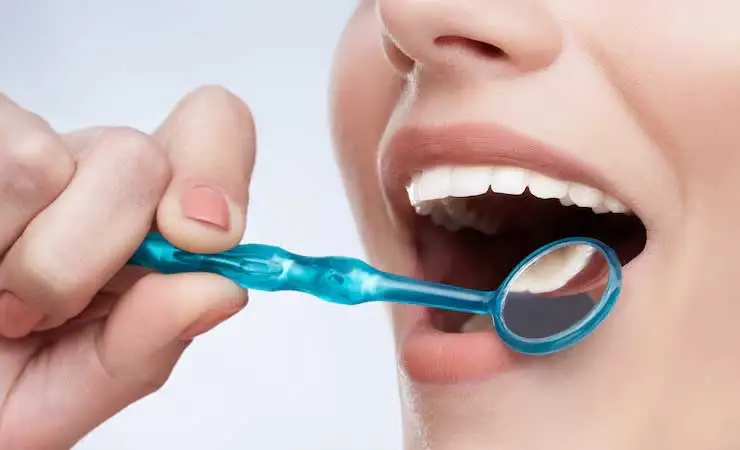
A healthy smile does more than just provide an aesthetic appearance; it is also an indicator of a person’s overall health. However, one of the most common oral and dental health issues people face is tooth decay. So, why do our teeth decay? Is it possible to completely prevent tooth decay? In this article, we will explore what tooth decay is, how we can protect ourselves from it, and the available treatment options.
What Is Tooth Decay?
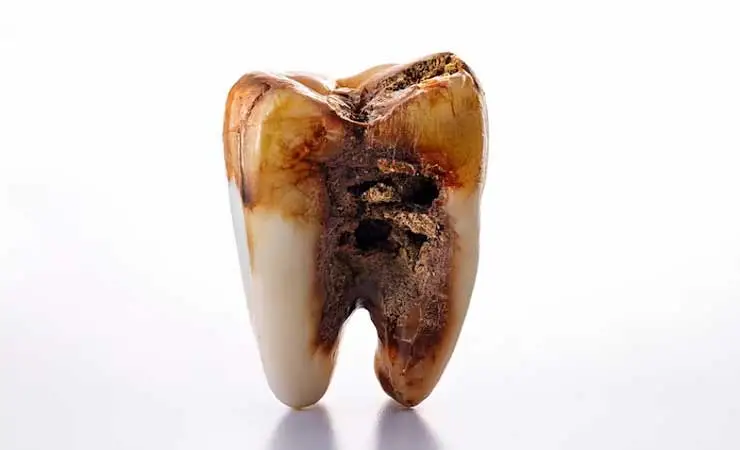
Tooth decay is a disease caused by the structural breakdown of tooth enamel and the dentin layer due to acids produced by bacteria.
Bacteria are present in our mouths. These bacteria produce acids when we consume sugary, starchy, and similar foods. Over time, these acids damage the tooth’s protective layer, leading to the onset of decay.
Tooth decay that forms in the early stages often goes unnoticed. However, as it progresses, it reaches the inner layers of the tooth and causes problems. These issues can lead to pain, infection, or tooth loss. At this point, we are faced with the scenario of a cavity.

Why Do Teeth Decay? Fundamental Causes
Multiple factors contribute to tooth decay. While some of these causes are within a person’s control, others are related to genetic predisposition:
- Poor oral hygiene: Neglecting oral care. This includes: not brushing teeth regularly and not using dental floss. These practices lead to the buildup and proliferation of bacteria.
- Sugary and acidic foods: Sugar serves as a food source for bacteria. Especially junk food, carbonated drinks, and sticky sweets are the biggest contributors to tooth decay.
- Dry mouth: Saliva neutralizes acids in the mouth. However, if saliva production decreases due to certain medications, illnesses, or stress, the risk of tooth decay increases.
- Fluoride deficiency: Fluoride strengthens tooth enamel and increases resistance to acid attacks. Cavities form more quickly in people who do not use fluoride products.
- Genetic factors: It should not be forgotten that individuals from families with frequent tooth decay problems may be more susceptible to tooth decay.

What Are the Symptoms of Tooth Decay?
Tooth decay typically begins insidiously. It may not show any symptoms in the early stages. However, as the process progresses, certain warning signs emerge:
- Tooth sensitivity
- Tooth pain or throbbing
- Dark spots appearing on the tooth surface
- Discomfort while chewing
- Bad breath
- A change in taste in the mouth
If you experience these symptoms, you should see a dentist without delay. This is because a cavity detected in the early stages can be treated with a simple filling, whereas delaying treatment may require more invasive procedures such as root canal therapy or tooth extraction.

How Can Tooth Decay Be Prevented?
The good news is that the formation of cavities is largely preventable. The following habits provide strong protection against cavities:
- Brush your teeth twice a day: Brush your teeth for at least two minutes in the morning and evening using a fluoride toothpaste.
- Use dental floss: A toothbrush cannot reach the surfaces between your teeth. Dental floss or interdental brushes help prevent plaque buildup.
- Limit sugar intake: Avoid sugary foods, especially during snacks. If you’re going to eat something sweet, we recommend doing so during a main meal.
- Drink plenty of water: Water reduces acidity each time you drink it and helps stimulate saliva production.
- Get regular dental checkups: Visit the dentist for a checkup every six months. This way, cavities can be detected before they form.
- Get fluoride treatment: If your dentist recommends it, you can strengthen your tooth enamel with professional fluoride applications.
Additionally, “fissure sealant” applications for children protect newly erupted molars against cavities. By paying attention to the points mentioned above, you will significantly reduce the risk of tooth decay.

How Is a Decayed Tooth Treated?
The treatment method varies depending on the extent of the decay:
- For superficial decay: Fluoride treatment and small fillings may be sufficient.
- For moderate decay: The damaged tissue is removed and a filling is placed.
- For advanced decay: If the decay has reached the nerves, root canal treatment is necessary.
- In cases where the tooth cannot be saved: The tooth is extracted, and prosthetic solutions such as implants or bridges may be placed.
An untreated cavity can affect not only oral health but also many other systems, including heart disease, diabetes, and digestive issues. Therefore, it should not be neglected.
Stay Strong Against Tooth Decay
Tooth decay is a health issue that should not be ignored but is largely preventable. Maintaining good oral hygiene, scheduling regular dental checkups, and adopting healthy eating habits are the most effective ways to prevent tooth decay. Remember, healthy teeth are not just a smile—they are the key to a healthy life.