



Learn about BioHorizons implant systems such as Tapered Pro and Tapered Internal, what Laser-Lok means, and what to ask your dentist.


A BioHorizons implant is a dental implant made by BioHorizons, a company that works alongside CAMLOG under the Global Dental Surgical Group, a division of Henry Schein. BioHorizons’ product range includes systems such as Tapered Pro, Tapered Pro Conical, Tapered Internal, Tapered Plus, Tapered Short and Tapered 3.0. Laser-Lok is a named surface technology on selected products. The exact model and its components should be identified in a patient’s treatment plan; the brand alone does not determine suitability.
Quick answer: What is a BioHorizons dental implant?
BioHorizons is a dental implant manufacturer with a range of implant systems. Examples include Tapered Pro, Tapered Pro Conical and Tapered Internal. Some BioHorizons implant designs feature Laser-Lok surface technology. Product availability differs by market, and a clinician must select the specific system and model after assessing the patient’s anatomy and treatment needs.
BioHorizons and CAMLOG: how are they related?
BioHorizons and CAMLOG have worked together since 2016 under Henry Schein’s Global Dental Surgical Group. The companies offer distinct implant systems under their respective brands. This means a BioHorizons implant should not be described as a CAMLOG implant, although both brands appear within a shared corporate portfolio. CAMLOG’s company information describes the collaboration, and BioHorizons’ portfolio overview lists systems from both brands.
An implant treatment involves more than the fixture placed in the jaw. It may include an abutment, crown or bridge, diagnostic planning, surgery, follow-up and maintenance. A complete written quote should specify which components and services are included.
BioHorizons implant systems and product names
BioHorizons’ official product pages list several implant systems, including Tapered Pro, Tapered Pro Conical, Tapered Internal, Tapered Plus, Tapered Short, Tapered 3.0 and other lines. Their design, connection and components vary. Product availability and regulatory status also vary by country, so the treating clinic should confirm the local product and name the exact model. BioHorizons’ current product listing provides its system range.
Tapered Pro and Tapered Pro Conical
Tapered Pro is a tapered implant system with a conical internal-hex connection. Tapered Pro Conical combines a tapered body with a deep conical connection. The manufacturer describes these systems in the context of immediate treatment, but this does not mean immediate placement or loading is appropriate for every patient. The clinician must assess the site, restoration and stability before selecting a protocol.
Tapered Internal
Tapered Internal is a BioHorizons system with an anatomically tapered body and internal connection. Selected versions include Laser-Lok technology. System names and variants can differ, so patients should ask which exact model, connection and compatible abutment are proposed.
Tapered Short and other lines
BioHorizons lists short and narrow implant options in parts of its portfolio. A short implant may be considered in selected sites with limited vertical bone, but its name alone does not show whether it is suitable or whether grafting can be avoided. That decision requires clinical examination and a discussion of alternatives.

What does Laser-Lok mean?
Laser-Lok is a BioHorizons surface technology used on selected implant products. The manufacturer describes it as a microchannel surface intended to support a connective-tissue attachment at the implant collar. This is a product-design rationale, not a guarantee of gum health, bone preservation or a specific aesthetic result for an individual patient.
Not every BioHorizons system or model necessarily includes the same surface or features. Ask the clinic to identify the precise implant model and confirm its surface and connection from the product documentation. Do not assume a feature applies across the entire BioHorizons range.
What should patients compare when considering BioHorizons?
The implant brand is only one element of treatment. Diagnosis, bone and gum condition, placement, restoration, component compatibility and follow-up all matter. A careful comparison identifies the exact fixture and prosthetic parts and explains why the proposed system suits the clinical findings.
| What to check | Why it matters |
|---|---|
| Exact BioHorizons system and model | The portfolio contains multiple designs and connections. |
| Surface and connection | Features and compatible components differ by model. |
| Abutment and final restoration | The restoration must be planned for the exact implant connection. |
| Bone and gum assessment | Clinical findings affect treatment options and timing. |
| Clinician’s experience | Familiarity with the proposed system supports coordinated planning. |
| Product documentation | Helps identify the implant and compatible parts for future care. |
| Itemised quote | Shows whether imaging, grafting, temporary teeth and follow-up are included. |
What does clinical evidence say about BioHorizons implants?
Published studies have assessed specific BioHorizons products and features, including tissue-level designs and Laser-Lok surfaces. Findings apply to the exact implant, treatment protocol, patient group and follow-up studied; they do not establish that every BioHorizons model has the same outcomes or that the brand is universally best.
A prospective clinical assessment of BioHorizons tissue-level implants evaluated crestal bone and soft-tissue outcomes in a small group of patients. Separately, systematic reviews of tapered versus parallel-walled implant designs have found that evidence for a general stability advantage is limited or of low certainty. These sources reinforce why a design feature or brand should not be converted into a guaranteed result. Prospective BioHorizons tissue-level study · Systematic review of implant stability by shape · Systematic review of clinical outcomes by implant design
If a clinic provides a success rate or comparison, ask which product was evaluated, how long the follow-up lasted, how success was defined and whether the evidence is relevant to your treatment. No study result can predict an individual patient’s outcome.
Who may be suitable for a BioHorizons implant?
Only a qualified dental clinician who has assessed the patient can determine whether a BioHorizons implant is appropriate. Assessment may consider the missing tooth or teeth, bone volume and quality, gum health, bite, medical history, medicines, smoking, oral hygiene and intended restoration. Imaging is chosen according to clinical need; not every patient requires the same scan or procedure.
Immediate placement, immediate or early loading, short implants, grafting and healing times are case-dependent. A system designed to support a particular workflow does not guarantee that the workflow is appropriate for every patient. Ask the dentist to explain the plan, alternatives and factors that could change it.
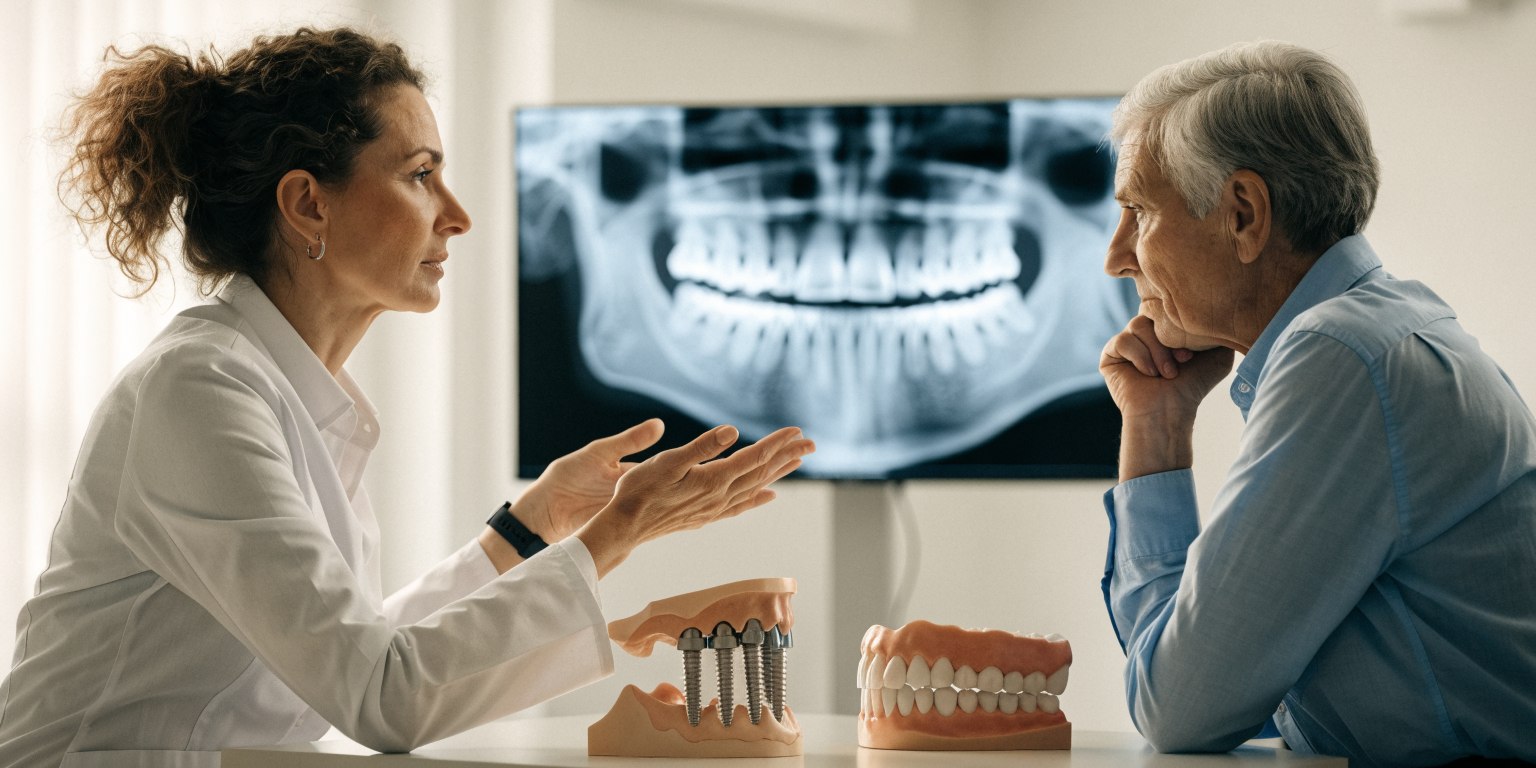
Can BioHorizons implants be used for All-on-4 or full-arch treatment?
All-on-4 is a full-arch treatment concept, not an implant brand or BioHorizons system. Whether a BioHorizons model is suitable for a full-arch plan depends on the exact implant and components, the patient’s anatomy, the prosthesis design and the clinician’s assessment.
Ask which system and models are proposed, how many implants will support the arch, what temporary and final restorations are included, how loading will be timed and what maintenance is required. See the clinic’s All-on-4 and All-on-6 treatment options and request a case-specific written plan.
BioHorizons compared with other implant brands
There is no universal best implant brand. BioHorizons and other manufacturers offer different implant designs, connections and restorative components. Compare the exact product and complete treatment plan, including clinician experience, restoration, component access, documentation and aftercare.
Do not assume that a tapered shape, a named surface or a regional “premium” label proves a particular system is better for your case. Ask the clinician to explain the clinical reason for the recommendation and which alternatives are appropriate.

Questions to ask before choosing a BioHorizons implant
Before accepting a treatment plan, ask the clinic to identify the exact product and describe how it fits your clinical findings. Compare complete written treatment plans rather than fixture prices alone.
- Which BioHorizons implant system and exact model are you proposing, and why?
- Does this model include Laser-Lok, and what is the relevant connection type?
- Which abutment and final crown, bridge or prosthesis are included?
- What examinations and imaging are appropriate in my case?
- Who will plan and place the implant, and who will provide the restoration?
- What healing and loading schedule do you recommend, and what could change it?
- Are imaging, grafting if needed, temporary teeth, follow-up and aftercare included in the quote?
- Will I receive an implant passport or written product record?
- Can a dentist in my home country identify compatible components from those records?
- Which manufacturer terms apply, and what separate clinic terms cover treatment or workmanship?
An implant passport or equivalent record can help identify the implant system and relevant components. Ask whether the clinic provides one and keep it with your dental records. Manufacturer warranty programmes have specific eligibility and conditions; they are separate from a clinic’s treatment or workmanship terms. Request the current written terms for the exact product and market.
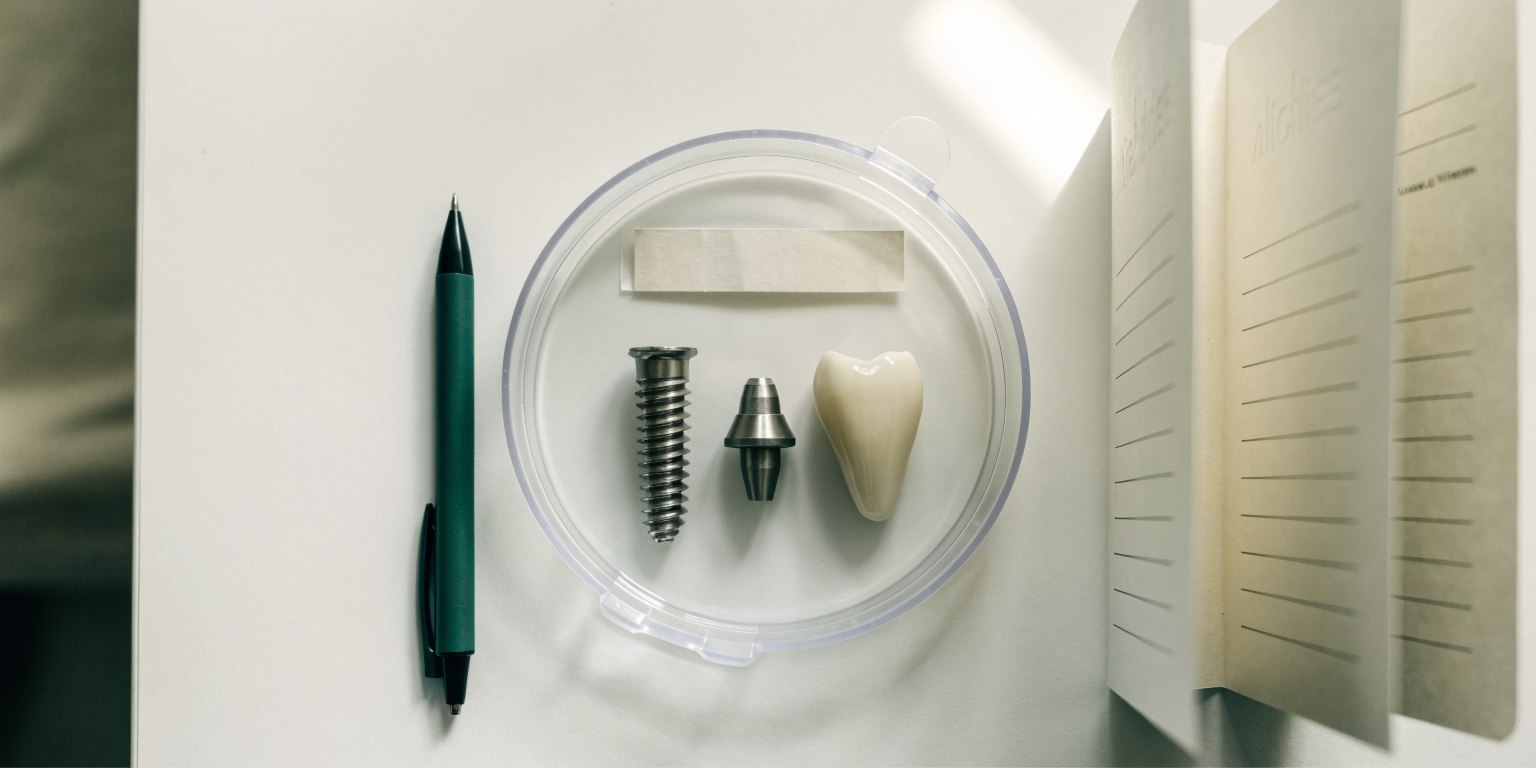
Asking Niva Dental about implant systems
Niva Dental is located in Bakırköy, Istanbul, Türkiye, and serves international dental patients. Implant system availability can change over time, so ask the clinic to confirm in writing which implant systems—including whether BioHorizons—are currently offered for your case, together with the exact model, whether it includes Laser-Lok, the abutment and restoration options, implant record and applicable warranty terms.
For general information about dental implant treatment in Istanbul, request an individual consultation and written treatment plan. Transfer, hotel and interpreter options may depend on the treatment package and confirmed arrangements. See the Niva Dental patient journey and Niva Dental FAQ for further information.
Frequently asked questions about BioHorizons implants
Is BioHorizons a US implant brand?
BioHorizons was founded in the United States and is part of an international portfolio that works alongside CAMLOG under Henry Schein’s Global Dental Surgical Group. The exact place of manufacture and product availability can depend on the model. Ask the clinic to identify the product and manufacturer details on its documentation.
What are the main BioHorizons implant systems?
BioHorizons’ product portfolio includes systems such as Tapered Pro, Tapered Pro Conical, Tapered Internal, Tapered Plus, Tapered Short and Tapered 3.0. Availability and product names may vary by region. The treatment plan should state the exact system and model proposed.
What is Laser-Lok on a BioHorizons implant?
Laser-Lok is a named surface technology used on selected BioHorizons implants. It describes a microchannel surface feature; it is not a separate implant system and does not guarantee a particular clinical result. Confirm whether the exact model being proposed includes it.
Are BioHorizons implants reliable?
Research has evaluated specific BioHorizons systems and features, but findings apply to the studied product and protocol. An individual outcome also depends on diagnosis, placement, restoration, health and maintenance. Ask the clinician to explain the evidence for your exact model and its limits.
Can BioHorizons implants be used for immediate loading?
Some BioHorizons systems are designed with workflows that may be considered for immediate treatment in selected cases. Immediate loading is not suitable for everyone and must be based on clinical findings, implant stability, restoration design and other factors. The dentist should explain why the timing is appropriate for your case.
Can BioHorizons implants be used for All-on-4?
All-on-4 is a treatment concept rather than a manufacturer or implant system. A BioHorizons product may be considered in a full-arch plan if the exact system, components and clinical situation support it. Ask for the implant models, prosthesis materials, loading plan and maintenance requirements in writing.
How long can a BioHorizons implant last?
No implant brand can guarantee a fixed lifespan for every patient. Long-term function depends on health, gum condition, oral hygiene, bite, smoking, restoration and regular maintenance. Ask what follow-up is recommended and which symptoms should prompt a dental review.
Does BioHorizons provide a lifetime warranty?
BioHorizons publishes implant warranty terms, but eligibility and coverage depend on the specific products and conditions. A manufacturer warranty does not automatically cover every restoration, clinical fee or complication. Ask the clinic for the current warranty document that applies in your treatment market and for its separate clinic terms.
How can I confirm which BioHorizons implant was placed?
Request an implant passport or written product record listing the manufacturer, system and relevant model or connection information. Keep it with your dental records and share it with any dentist who provides future maintenance.
Conclusion
BioHorizons offers multiple implant systems, including Tapered Pro, Tapered Pro Conical and Tapered Internal; selected models feature Laser-Lok. These product names and features do not decide which implant a patient needs. Ask your clinician to identify the exact model and components, explain the clinical rationale, document the products used and provide a follow-up plan.
This article provides general information and does not replace an individual dental examination, diagnosis or treatment recommendation.
Sources
- BioHorizons: Product portfolio
- BioHorizons CAMLOG: Implant systems
- BioHorizons: Tapered Pro
- BioHorizons: Tapered Internal
- CAMLOG: Company and relationship with BioHorizons
- Bidra et al., 2023: Prospective clinical assessment of BioHorizons tissue-level implants
- Sáenz-Ravello et al., 2018: Systematic review of tapered and parallel-walled implant stability
- Sanz-Sánchez et al., 2018: Systematic review of outcomes for tapered vs non-tapered implants