

Hollywood Smile risks vary by treatment. Learn about sensitivity, tooth preparation, veneers, crowns, gum health, bite issues, and long-term care.

Hollywood Smile risks depend on the treatments included. A Hollywood Smile is not one standardized dental procedure.
One patient may need whitening or bonding. Another may need veneers, crowns, gum treatment, orthodontics, or restoration of damaged teeth. Those plans do not carry the same risks.
Procedures that remove natural tooth structure can involve irreversible changes. Possible issues include sensitivity, gum irritation, bite discomfort, chipping, loosening, or problems involving the underlying tooth. Not every patient experiences complications.
For broader treatment information, see Niva’s Hollywood Smile in Turkey service page.
Hollywood Smile Risks: Quick Answer
| Potential Issue | What It Means | When It May Be Relevant |
|---|---|---|
| Tooth sensitivity | Teeth may react to temperature or pressure | After some restorative procedures or tooth preparation |
| Irreversible preparation | Removed enamel or tooth structure does not grow back | Veneers requiring preparation and especially crowns |
| Chipping or fracture | Ceramic or composite can be damaged | Bite forces, trauma, hard-object habits, bruxism |
| Veneer debonding | A veneer can loosen or detach | Bonding, bite, tooth condition, trauma or maintenance factors |
| Bite discomfort | New restorations can alter contacts | If shape or occlusion is not properly planned or adjusted |
| Gum irritation | Tissue may react around restoration margins | Contour, plaque, fit or pre-existing gum problems |
| Pulp-related problems | The tooth’s nerve tissue can sometimes be affected | Greater biological intervention or pre-existing tooth problems |
| Aesthetic dissatisfaction | Shape, shade or thickness may not match expectations | Planning, communication and contour issues |
| Future replacement | Restorations may need repair or replacement | Wear, damage, gum changes, decay or bonding failure |
| Bruxism-related stress | Grinding/clenching increases forces | Patients with significant parafunctional habits |
These are possible considerations, not a prediction that every patient will experience them.
Is a Hollywood Smile Safe?
A Hollywood Smile can be planned and performed responsibly, but no dental procedure is completely risk-free.
The level of risk depends on what is actually done. Whitening and bonding have different biological implications from extensive veneer or crown treatment. A crown that requires full coverage also involves a different level of tooth preparation from a conservative veneer.
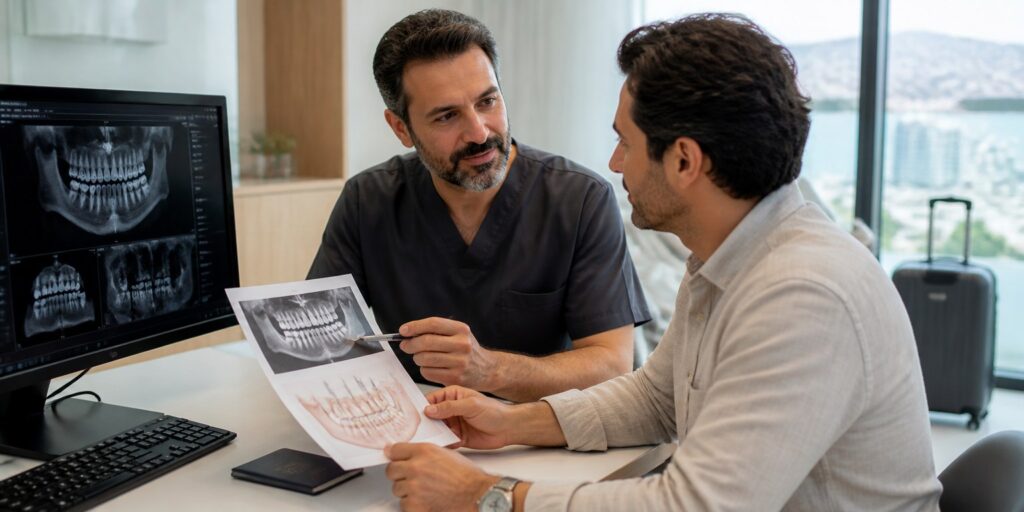
Clinical examination is therefore essential before discussing safety for an individual patient.
Why Hollywood Smile Risks Depend on the Treatment Plan
A Hollywood Smile is a treatment concept, not one procedure.
Possible components include:
- whitening,
- composite bonding,
- veneers,
- crowns,
- orthodontics,
- gum treatment,
- replacement of missing or damaged teeth.
Each procedure has its own indications and risks. Crown-related or preparation-related risks should not automatically be applied to treatments that do not involve those procedures.
Temporary Side Effects vs Dental Complications
Temporary adjustment, possible complications, irreversible treatment effects, and long-term maintenance are different categories.
| Category | Examples |
|---|---|
| Possible short-term effects | Temporary sensitivity, mild gum tenderness, awareness of a new bite or tooth shape |
| Possible complications | Persistent pain or sensitivity, fracture, debonding, significant bite problems, gum problems, pulpal complications |
| Irreversible treatment effects | Permanent loss of enamel or tooth structure when preparation is performed |
| Long-term maintenance | Hygiene, bite monitoring, repairs, replacement, gum and tooth care |
A temporary symptom should not automatically be called a complication. Likewise, persistent or worsening symptoms should not automatically be dismissed as “normal.”
Tooth Sensitivity After a Hollywood Smile
Temporary tooth sensitivity may occur after some Hollywood Smile procedures, particularly restorative treatment involving tooth preparation.
Removing enamel can expose more underlying dentin. Bonding, temporary restorations, bite changes, or the existing condition of the tooth can also influence sensitivity.
The American Dental Association’s official veneer guidance explains that porcelain veneer treatment commonly involves removing some enamel and that conventional treatment is irreversible when enamel is removed.
Persistent, severe, or worsening sensitivity should be professionally assessed rather than assumed to be harmless.
Tooth Preparation and Irreversibility
When natural enamel or tooth structure is removed, it does not grow back.
That makes preparation one of the most important long-term considerations in cosmetic restorative treatment.
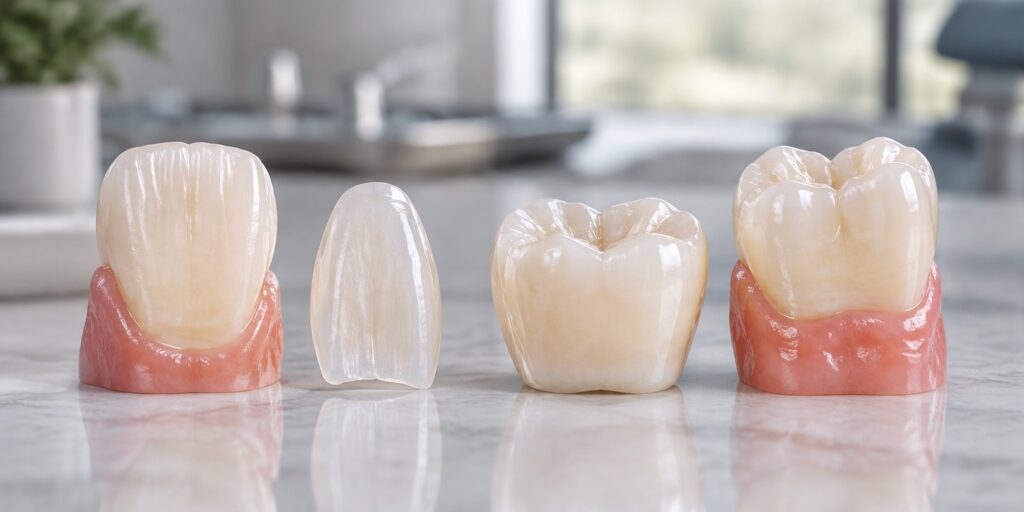
Some veneer cases may require little preparation. Selected cases may allow an additive approach. Crowns generally require substantially more tooth reduction because they cover much more of the tooth.
The goal should not be “no preparation at any cost” or maximum preparation for convenience. The goal should be the least invasive treatment that can achieve an appropriate functional and aesthetic result.
Can Hollywood Smile Treatment Damage Healthy Teeth?
The answer depends on whether the treatment is clinically justified and how much healthy tooth structure is altered.
Appropriate restorative preparation can be necessary for certain teeth. The concern is unnecessary or excessive reduction of healthy structure when a more conservative option could achieve the treatment goal.
Preserving enamel is clinically relevant. A 2025 systematic review and meta-analysis found better survival and success patterns for ceramic veneers bonded predominantly to enamel compared with veneers bonded to surfaces with greater dentin exposure.
Healthy natural teeth should therefore not automatically receive veneers or crowns simply because a patient requests a Hollywood Smile.
What Are the Risks of Veneers?
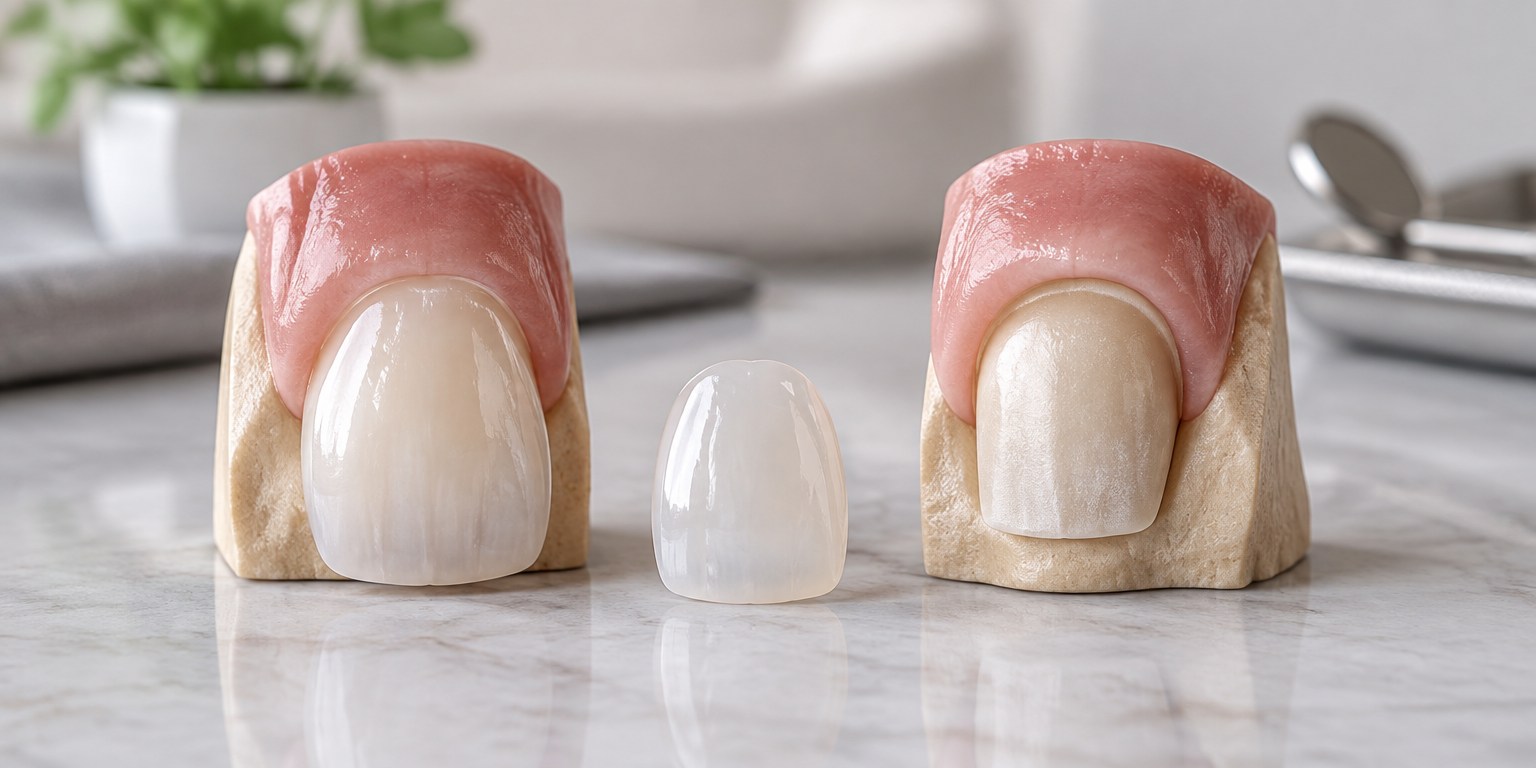
Veneers can provide conservative front-surface restoration in suitable teeth, but they are not risk-free.
Possible considerations include:
- temporary or persistent sensitivity,
- irreversible preparation where enamel is removed,
- chipping or fracture,
- loosening or debonding,
- marginal staining or deterioration,
- gum irritation,
- bite discomfort,
- decay affecting remaining tooth structure,
- and future repair or replacement.
The ADA also advises that decay and gum disease should be treated before veneer placement and notes that grinding, clenching, or certain deep bites can affect veneer suitability.
Not every veneer patient experiences these problems.
What Are the Risks of Crowns?
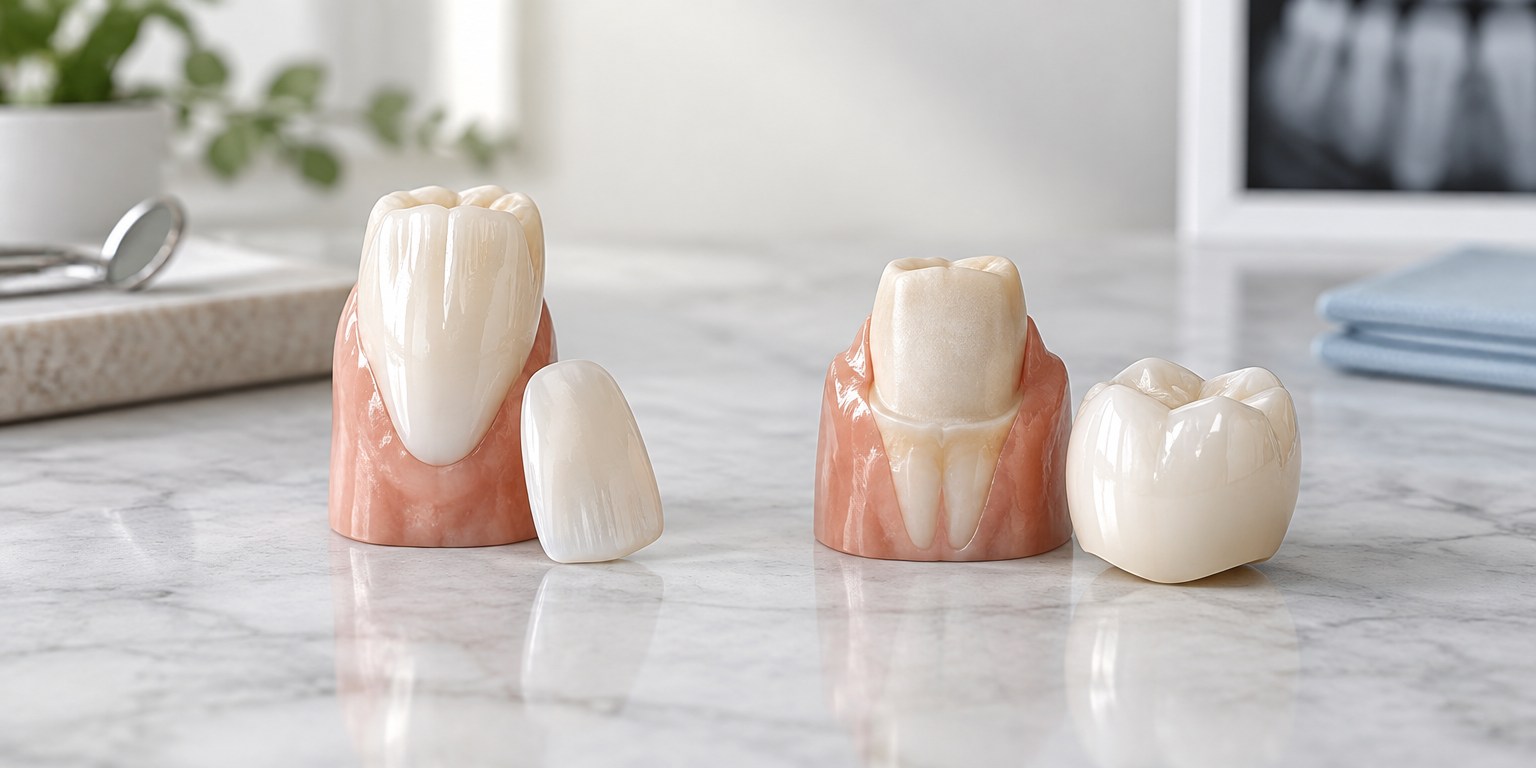
Crowns generally involve a greater biological commitment because they cover substantially more of the tooth.
Possible considerations include:
- more extensive tooth preparation,
- temporary or persistent sensitivity,
- fit or margin problems,
- decay around remaining tooth structure,
- bite discomfort,
- gum irritation,
- chipping or fracture,
- loss of retention,
- future replacement,
- and possible pulpal or endodontic complications in some cases.
Crowns should not be demonized. They can be appropriate for damaged, weakened, heavily restored, fractured, or otherwise compromised teeth that need full coverage.
Veneers vs Crowns: How Do the Risks Differ?
| Factor | Veneers | Crowns |
|---|---|---|
| Tooth coverage | Mainly front surface | Much broader/full coverage |
| Typical preparation | Variable; may be conservative in suitable cases | Generally more extensive |
| Irreversibility | Preparation is irreversible where tooth tissue is removed | Crown preparation is irreversible |
| Sensitivity | May occur after preparation/bonding | May occur after broader preparation |
| Structural role | Primarily surface cosmetic/restorative treatment | Often used when broader structural restoration is needed |
| Mechanical issues | Chipping, debonding, fracture | Chipping, fracture, loosening or cementation issues |
| Natural tooth preservation | Often preserves more structure when appropriate | Requires more tooth reduction because of coverage |
Neither option is universally safer or better. The correct restoration depends on the condition of each tooth.
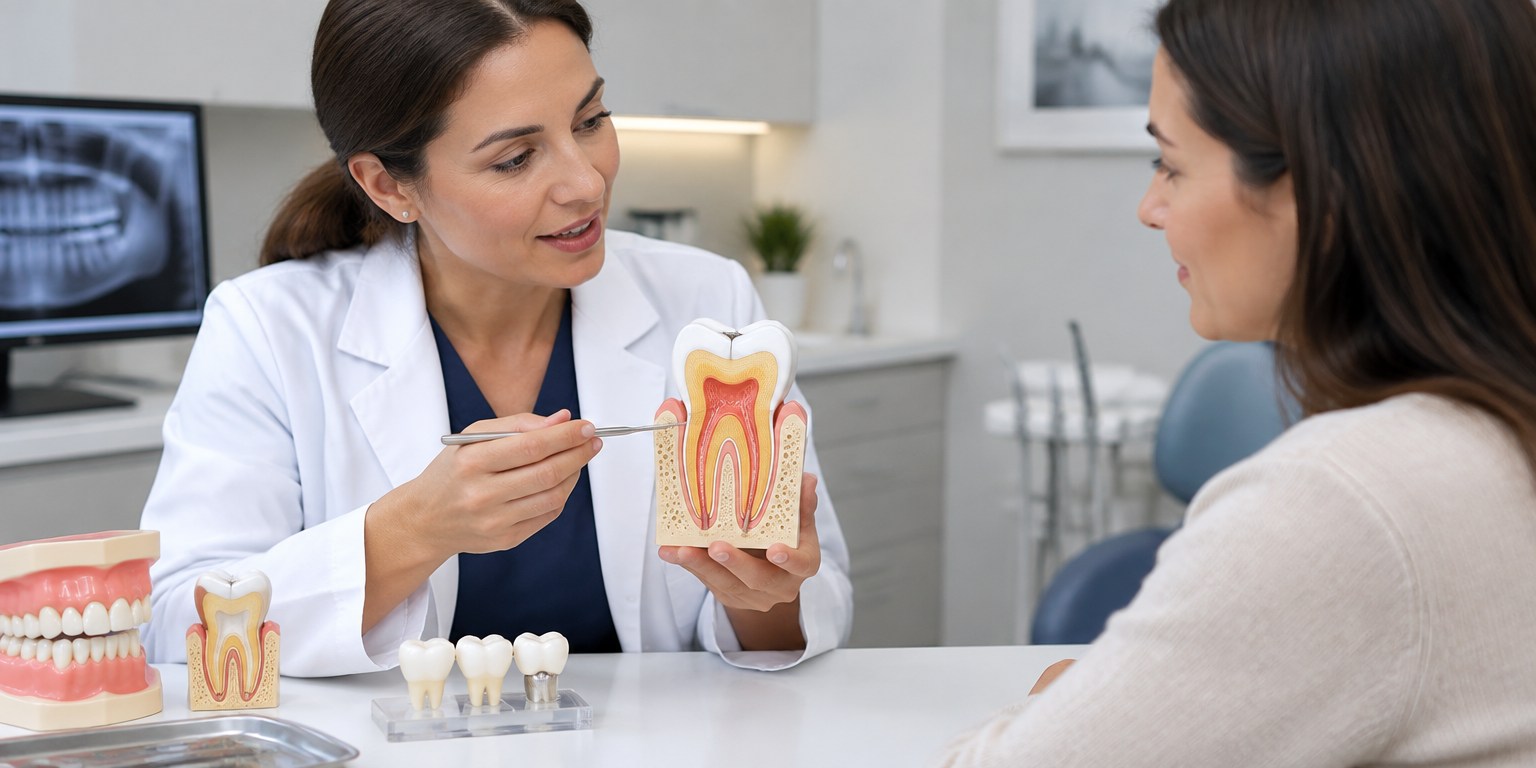
Can Tooth Preparation Affect the Dental Pulp or Nerve?
It can in some cases, but tooth preparation does not automatically cause nerve damage.
The dental pulp is the living tissue inside the tooth. Greater biological intervention can increase concern, especially when a tooth already has decay, restorations, cracks, trauma, or other problems.
A systematic review of indirect restorations found that pulpal and periapical complications are influenced by multiple clinical factors, including the tooth’s starting condition.
This is one reason intact tooth structure should be preserved where clinically appropriate.
Can a Hollywood Smile Cause Gum Problems?
Restorations do not automatically cause gum disease, but restoration design and oral hygiene can affect the gums.
Potential factors include:
- contours that are difficult to clean,
- restoration margins,
- plaque accumulation,
- pre-existing periodontal disease,
- fit,
- and individual tissue response.
A 2024 systematic review and meta-analysis evaluated how veneer preparation and cementation techniques can influence periodontal outcomes. This reinforces the importance of restoration design and gum health rather than assuming all gum problems have one cause.
Can Veneers or Crowns Affect Your Bite?
Yes. Veneers and crowns change the surfaces that contact the opposing teeth.
The dentist should evaluate:
- bite contacts,
- restoration height and contour,
- chewing function,
- tooth position,
- and patient comfort.
A bite that remains high, painful, or uneven should be professionally assessed. Patients should not attempt to adjust ceramic restorations themselves.
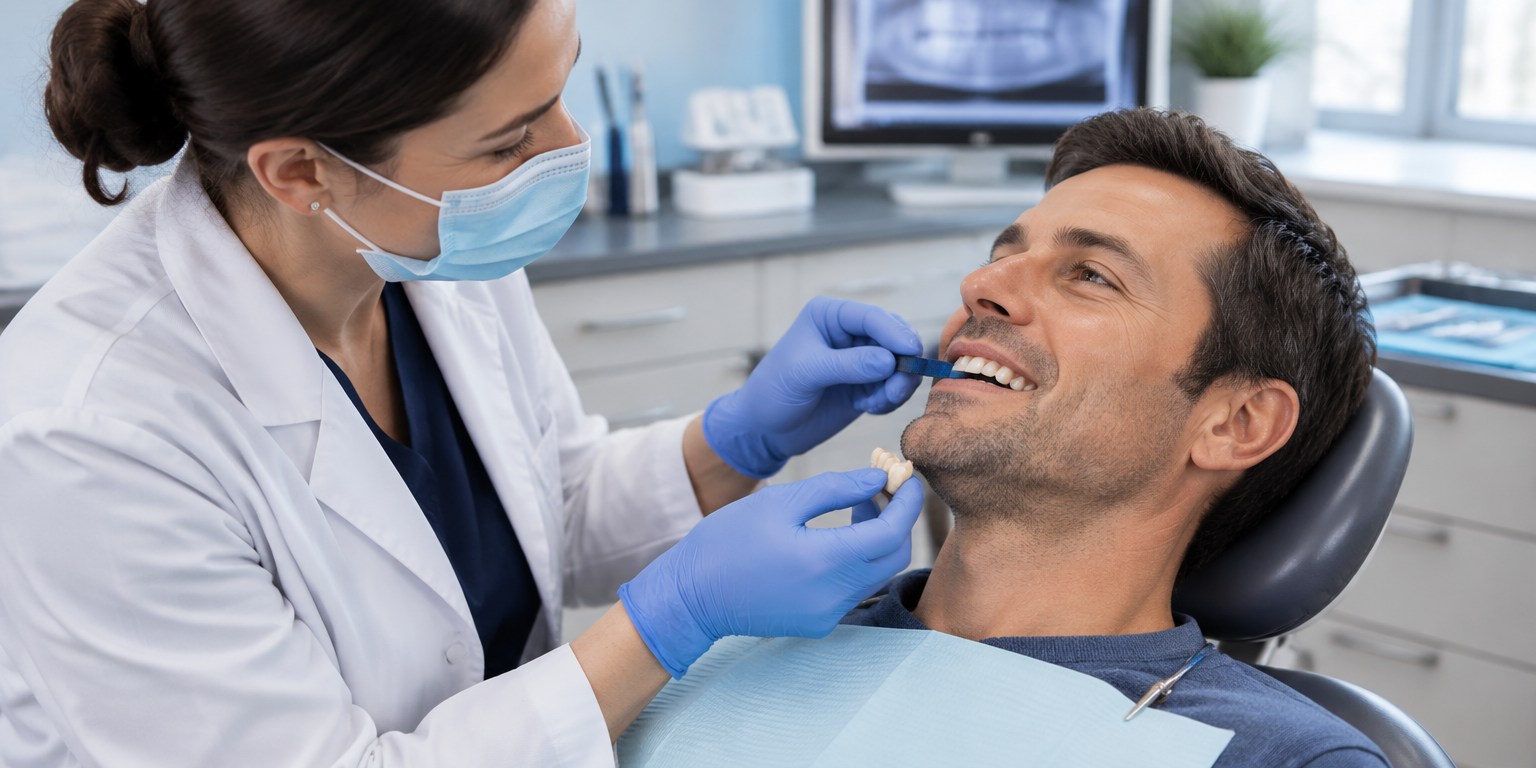
Can Hollywood Smile Restorations Chip, Crack, or Come Loose?
Yes. Dental restorations are durable, but they are not indestructible.
Contributing factors may include:
- bite forces,
- bruxism,
- trauma,
- chewing ice or hard objects,
- using teeth as tools,
- material and design,
- bonding conditions,
- restoration fit,
- and changes in the supporting tooth.
A loose, chipped, or fractured restoration should be evaluated by a dentist. Do not use household adhesive for home repair.
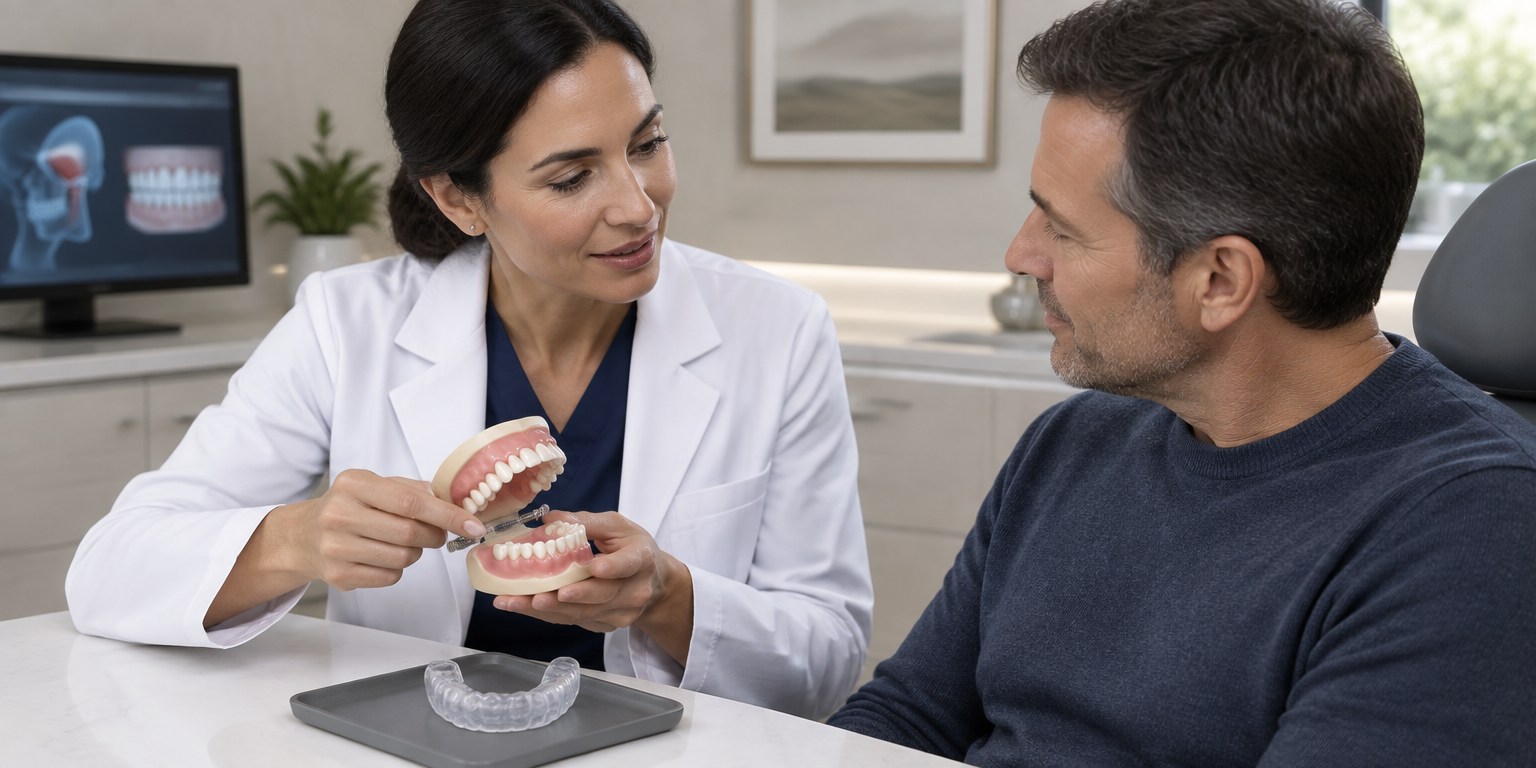
What Role Does Bruxism Play in Hollywood Smile Risks?
Bruxism means grinding or clenching the teeth, and it can increase the forces placed on restorations.
Those forces may influence chipping, fracture, wear, debonding, bite comfort, or long-term maintenance.
Bruxism does not automatically mean a patient cannot receive cosmetic restorations. The dentist should evaluate severity, bite, restoration design, and whether protective management is appropriate.
Niva publishes separate guidance on night guards.
Can a Hollywood Smile Look or Feel Unnatural?
Yes, if treatment design does not fit the patient’s tooth position, face, bite, or aesthetic goals.
Potential problems can include:
- excessive thickness,
- very uniform or opaque color,
- poor tooth proportions,
- contours that do not harmonize with the gums,
- tooth length that affects speech or comfort,
- or a result that looks disconnected from the face.
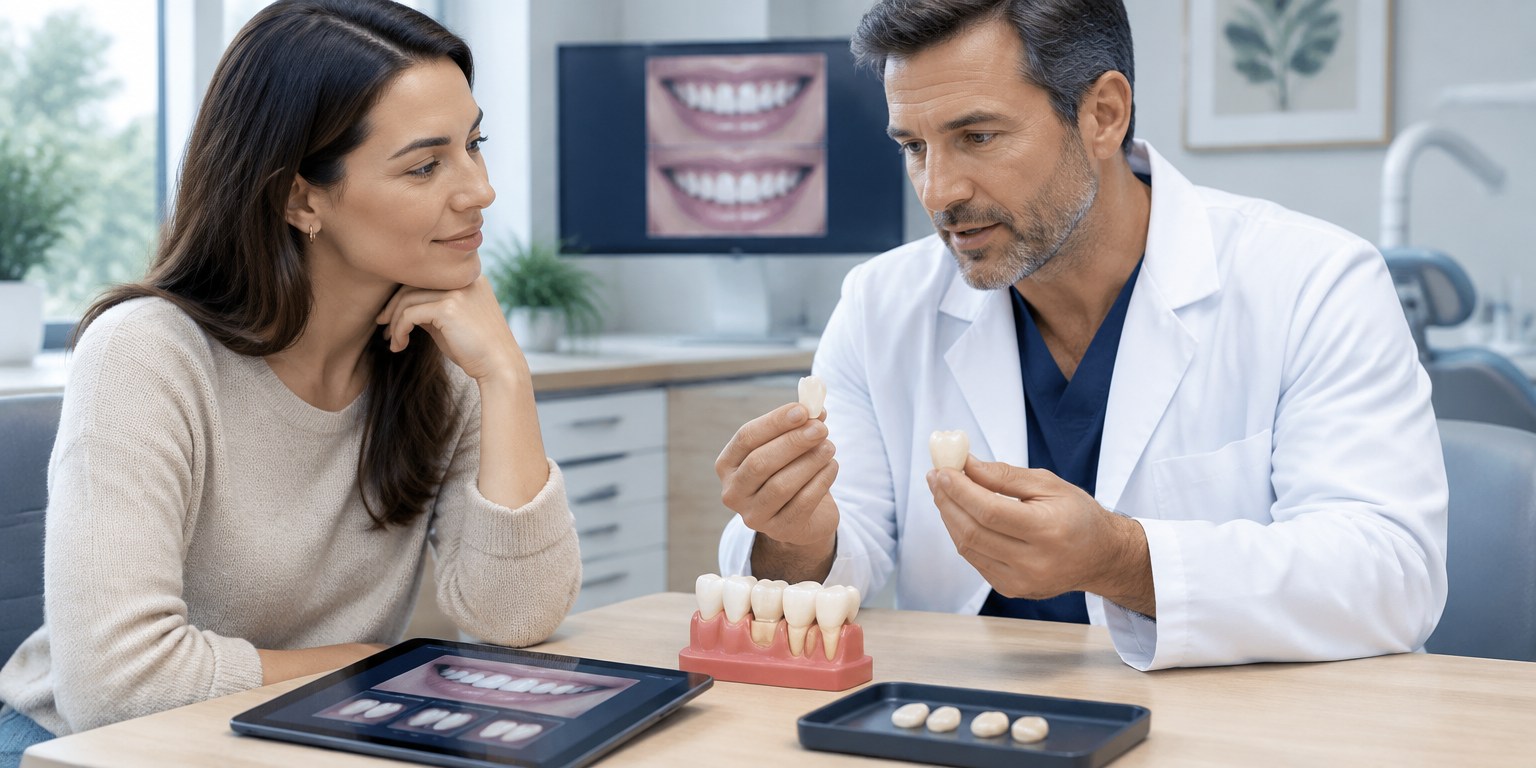
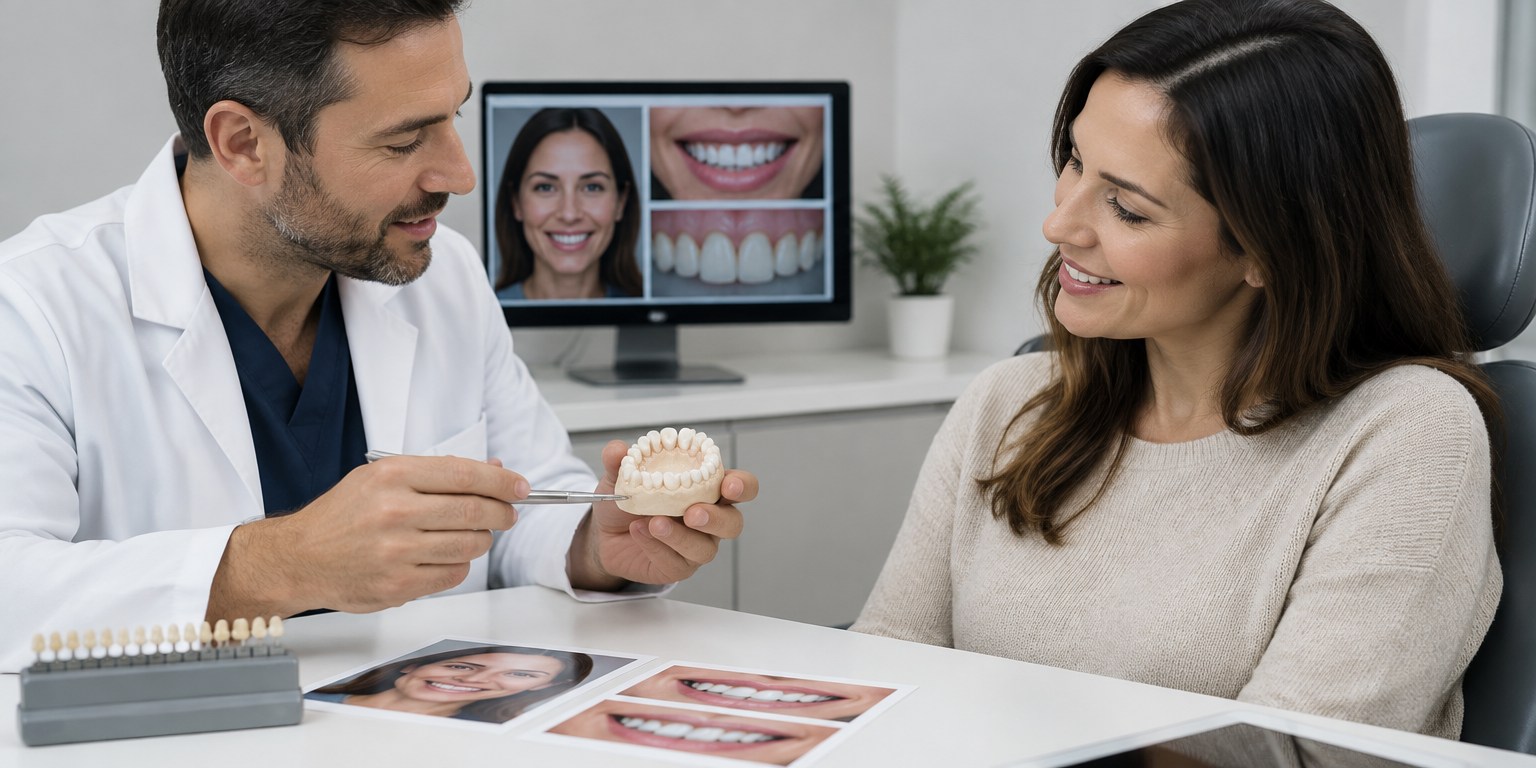
Digital planning, mock-ups, or provisional restorations may help communicate the intended design before final treatment when clinically appropriate.
Niva also publishes information on Digital Smile Design.
Can a Hollywood Smile Need Replacement in the Future?
Yes. Veneers, crowns, and bonding should not be described as guaranteed lifetime treatments.
Future intervention may be needed because of chipping, fracture, bonding failure, gum changes, decay, wear, trauma, bite changes, or other dental disease.
Irreversible preparation and restoration longevity are different concepts. Tooth reduction can be permanent even though the restoration itself may eventually need repair or replacement.
What Are the Long-Term Considerations of a Hollywood Smile?
Long-term care may include:
- brushing and interdental cleaning,
- regular dental review,
- monitoring restoration margins,
- maintaining gum health,
- monitoring bite,
- managing bruxism where appropriate,
- repairing or replacing restorations when necessary,
- and maintaining the untreated natural teeth around the restorations.
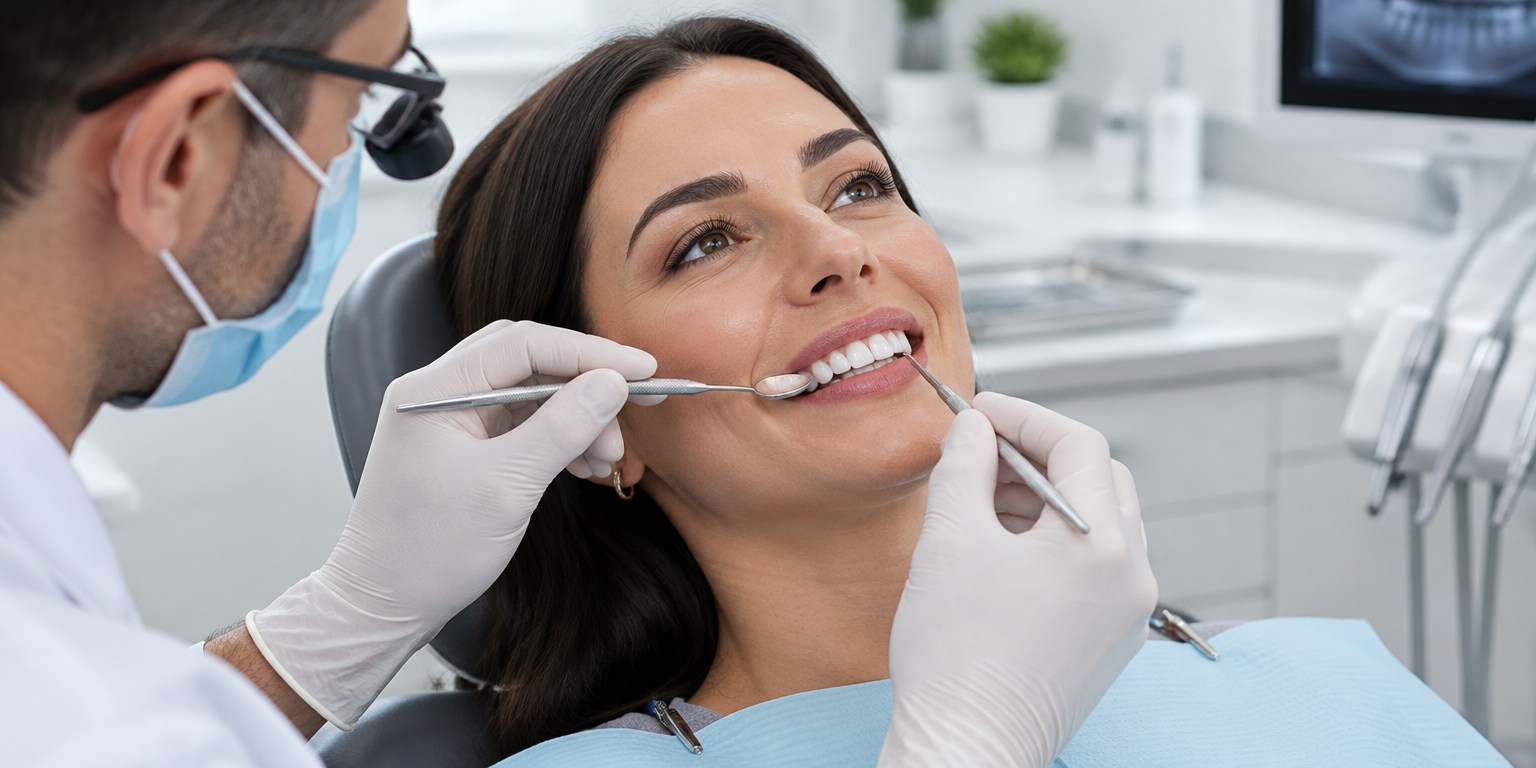
Natural teeth can still develop decay, wear, or gum problems after a cosmetic smile makeover.
Who May Have a Higher Risk of Problems?
Risk may be influenced by the condition of the mouth before treatment.
Factors that may require treatment or further assessment include:
- active gum disease,
- untreated decay,
- significant bite problems,
- heavy or uncontrolled bruxism,
- poor oral hygiene,
- substantially damaged teeth,
- unstable existing restorations,
- and expectations that cannot be achieved without excessive biological compromise.
These are not a permanent exclusion list. Some problems may be treatable before cosmetic restorative treatment is considered.
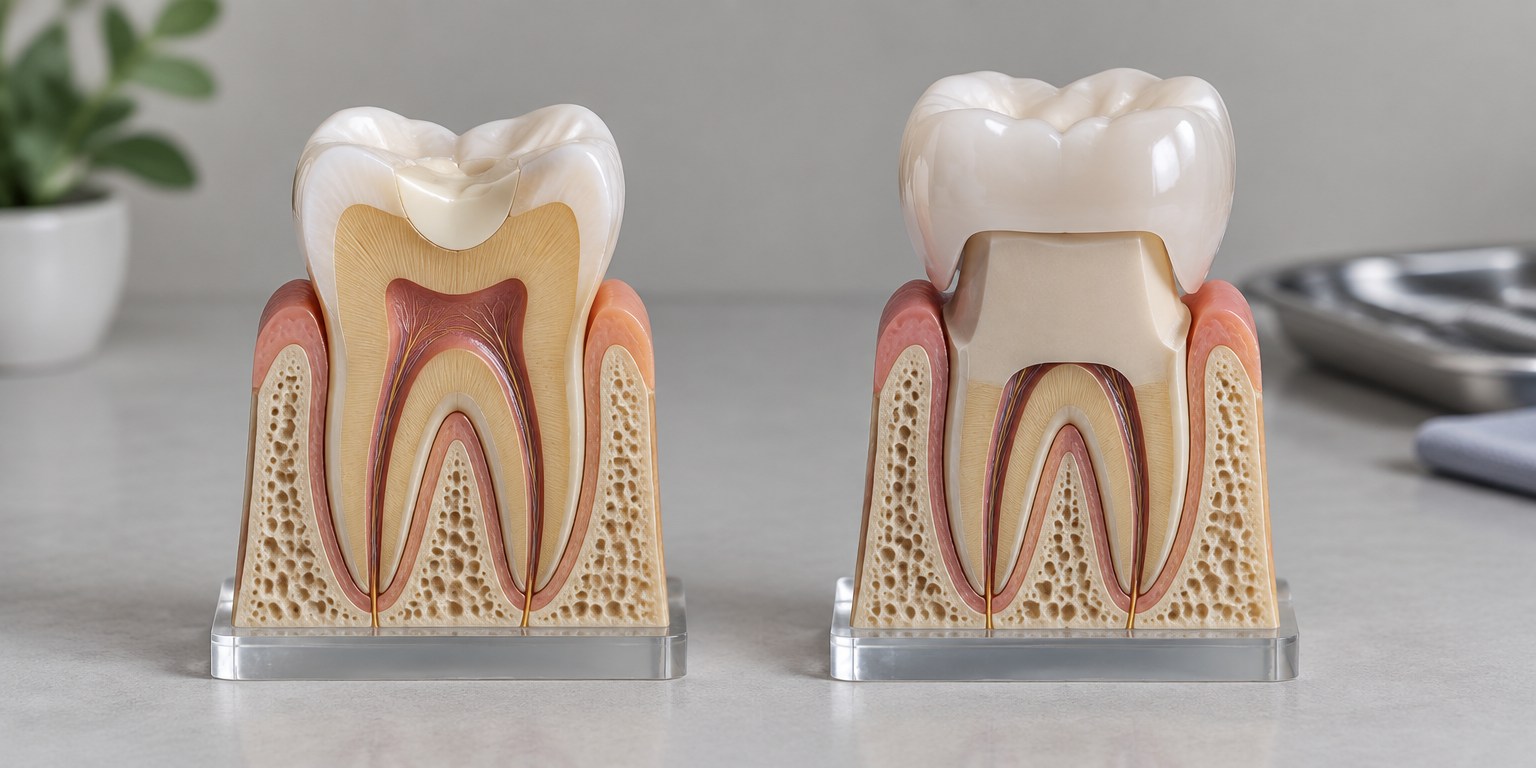
What Are the Risks of Extremely Aggressive Tooth Preparation?
Removing substantially more healthy tooth structure than necessary increases biological commitment and cannot be reversed.
Possible consequences may include:
- loss of healthy enamel and dentin,
- greater sensitivity,
- increased pulpal considerations,
- reduced opportunity for future conservative treatment,
- and lifelong restorative dependency on teeth that have been extensively prepared.
This does not mean every crown preparation is aggressive. Full-coverage crowns can be clinically appropriate when a tooth genuinely needs them.
The concern is performing extensive preparation on teeth that could have been treated more conservatively.
Are “Turkey Teeth” and Hollywood Smile Risks the Same Thing?
No. “Turkey Teeth” is an informal social and media phrase, not a dental diagnosis or standardized treatment.
It is often used online to describe cases involving extensive tooth reduction, particularly when treatment was performed in Turkey. That does not mean every Hollywood Smile in Turkey uses the same techniques.
Risk should be assessed according to:
- the actual procedure,
- tooth condition,
- amount of preparation,
- veneer versus crown selection,
- clinical planning,
- dentist qualifications,
- fit,
- bite,
- and follow-up.
Country alone does not determine the biological quality of a treatment plan.
How Can Hollywood Smile Risks Be Reduced?
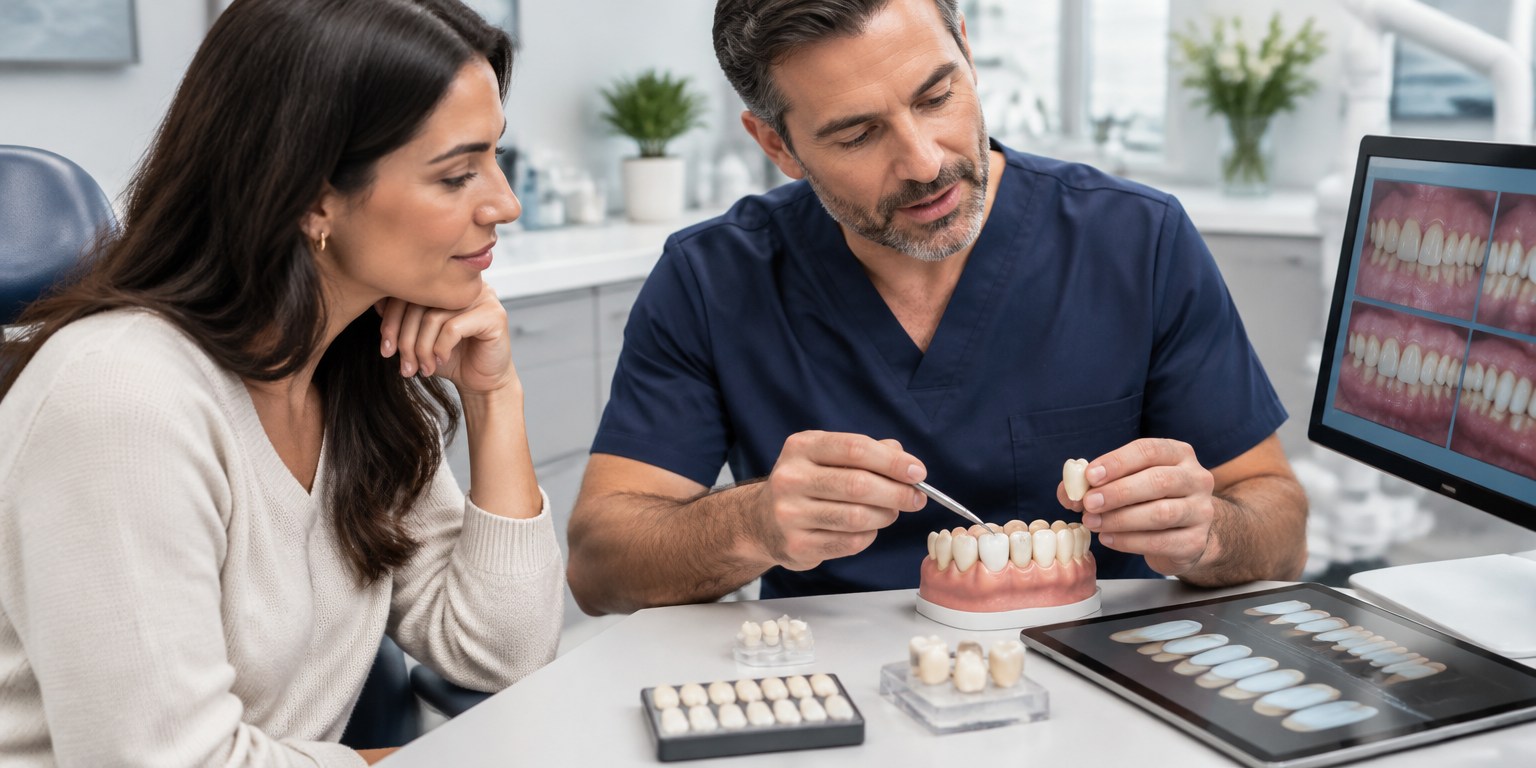
Risks cannot be eliminated, but avoidable risk may be reduced through careful diagnosis and treatment planning.
Important factors include:
- treating active dental disease first,
- selecting veneers, crowns, or alternatives tooth by tooth,
- preserving healthy natural tooth structure,
- evaluating the bite,
- considering bruxism,
- selecting appropriate restorative materials,
- achieving accurate fit and margins,
- maintaining oral hygiene,
- discussing limitations and future maintenance,
- and arranging follow-up.
A conservative plan avoids unnecessary intervention while still treating genuine dental needs.
Why Conservative Treatment Planning Matters
The goal of a Hollywood Smile should not be to place the maximum number of restorations.
The goal should be to identify the least invasive appropriate treatment for each tooth.
That may mean:
- no treatment on some healthy teeth,
- whitening,
- bonding,
- orthodontics,
- selected veneers,
- crowns for teeth that genuinely require full coverage,
- or combinations of these approaches.
This tooth-by-tooth logic protects the distinction between an aesthetic goal and a restorative indication.
Questions to Ask Before Getting a Hollywood Smile
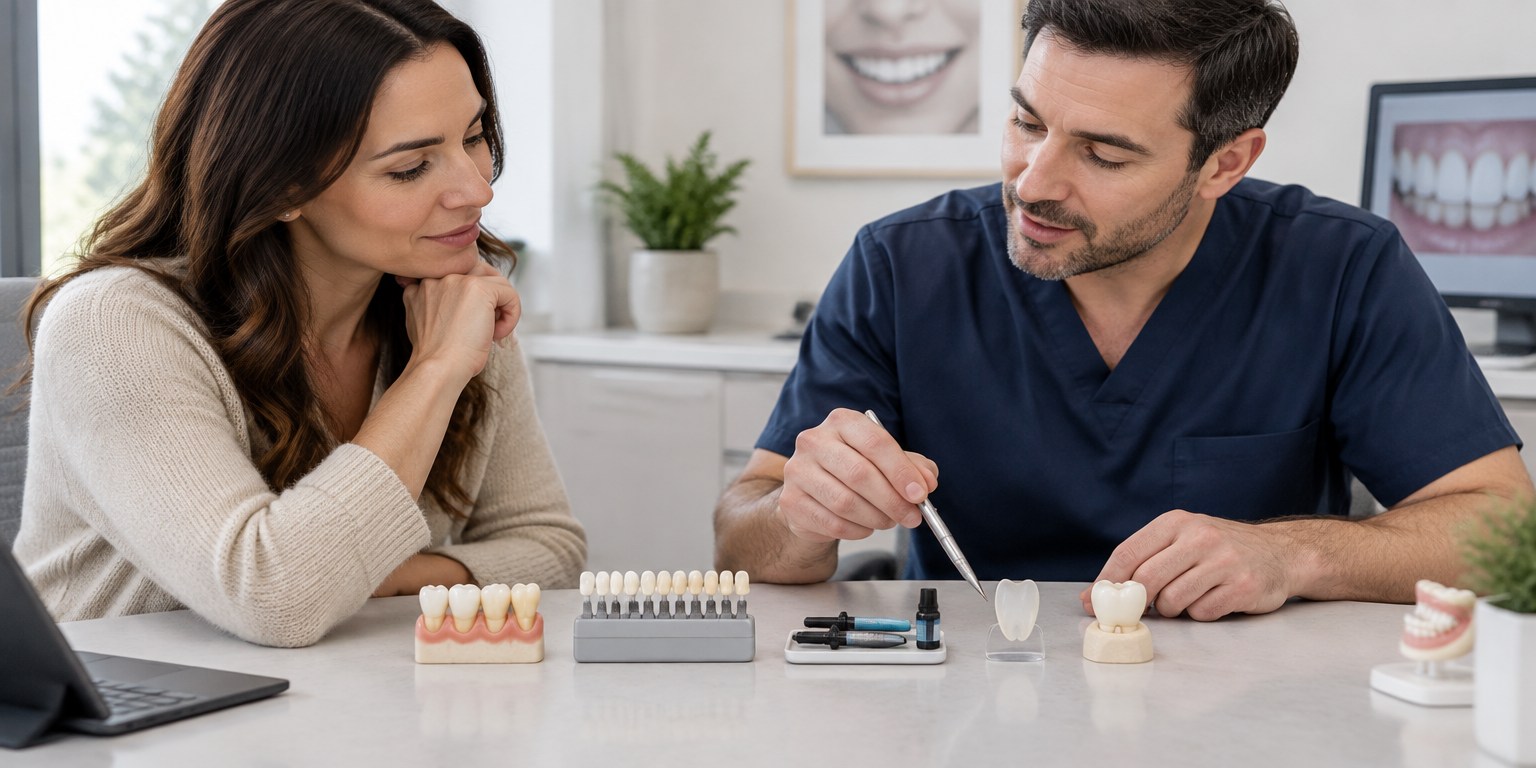
Before agreeing to treatment, ask:
- What does each tooth actually need?
- Why are veneers or crowns being recommended?
- How much natural tooth structure is expected to be removed?
- Are there less invasive alternatives?
- Do I have decay or gum disease that should be treated first?
- How will my bite be evaluated?
- Does grinding or clenching affect the plan?
- What material is recommended and why?
- What risks are relevant to my specific teeth?
- What happens if a restoration chips, loosens, or needs replacement?
- What follow-up is available after I return home?
- Can I see comparable documented patient cases?
How to Choose a Clinic With Risk Reduction in Mind
Look for a clinic that is willing to discuss risks, limitations, and alternatives before irreversible treatment.
Useful signs include:
- a full clinical examination,
- a tooth-by-tooth treatment rationale,
- clear veneer-versus-crown explanations,
- conservative preparation where appropriate,
- bite assessment,
- treatment of active disease first,
- material transparency,
- informed consent,
- realistic expectations,
- documented cases,
- and clear follow-up arrangements.
Do not choose a clinic solely from the lowest package price or the most dramatic before-and-after image.
Hollywood Smile Safety and Treatment Planning at Niva Aesthetic
Niva’s current Hollywood Smile in Turkey page explicitly states that Hollywood Smile treatment can involve risks and should not be presented as risk-free.
Niva lists possible issues including:
- tooth sensitivity,
- irreversible tooth preparation,
- chipping, loosening, or fracture of restorations,
- bite problems,
- and problems involving the underlying tooth or gums.
Niva also states that its Hollywood Smile planning should begin with clinical assessment. The page describes evaluation of teeth, gums, existing restorations, bite, tooth wear, tooth position, available enamel, and signs of grinding or clenching.
Its published guidance emphasizes preserving healthy natural tooth structure where possible and selecting veneers, crowns, or other treatments according to the condition of each tooth.
Niva also states that international patients receive final checks, aftercare guidance, and remote support. Patients should still confirm how long follow-up continues, what happens if a restoration needs adjustment, and which revision conditions apply.
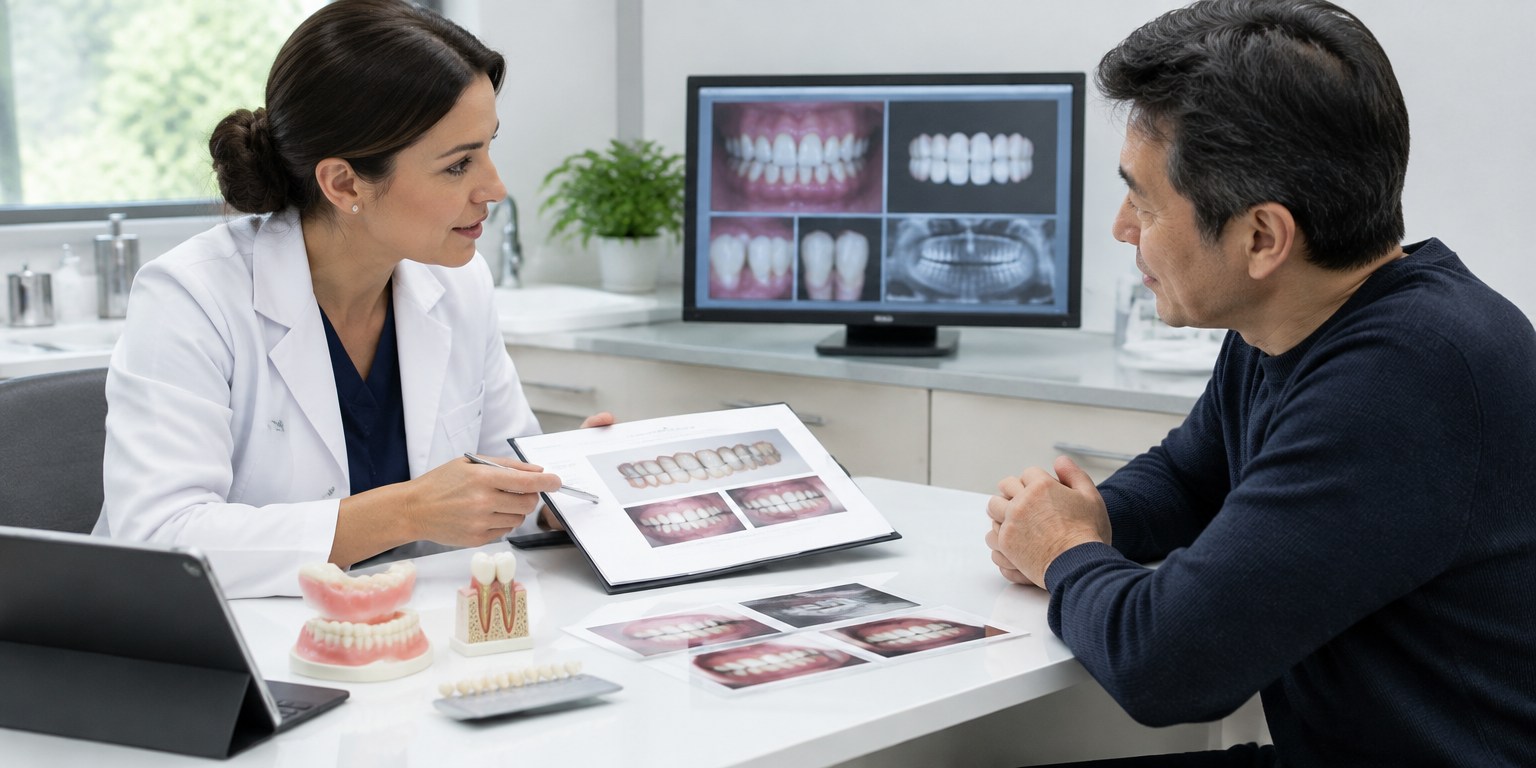
A responsible consultation should explain both the intended benefits and the risks of the specific plan before irreversible treatment begins.
Hollywood Smile Risks FAQ
What are the main risks of a Hollywood Smile?
Possible risks depend on the treatments used and may include sensitivity, irreversible tooth preparation, chipping or loosening of restorations, bite problems, gum issues, underlying tooth problems, and future replacement needs.
Is a Hollywood Smile safe?
It can be performed responsibly when treatment is clinically appropriate and properly planned, but no dental procedure is risk-free. Risk varies by procedure and patient condition.
Can a Hollywood Smile damage natural teeth?
Unnecessary or excessive tooth reduction can compromise healthy structure. Clinically justified preparation may be required for some restorations, so the key issue is whether the treatment is appropriate and conservative for each tooth.
Does tooth shaving damage teeth?
Tooth preparation removes natural tissue and is irreversible where structure is removed. The biological impact depends on the amount of preparation, the starting tooth condition, and the restoration being placed.
Can Hollywood Smile veneers cause sensitivity?
Yes, temporary sensitivity may occur in some cases, particularly when enamel is prepared. Persistent, severe, or worsening sensitivity should be professionally assessed.
Can veneers fall off or chip?
Yes. Veneers can debond, chip, or fracture. Bite forces, trauma, grinding, bonding conditions, tooth structure, and maintenance can influence risk.
Can crowns affect the dental pulp?
They can in some cases, particularly because crowns generally require broader preparation. Pulpal outcomes depend on multiple clinical factors and should not be predicted from preparation alone.
Can a Hollywood Smile cause gum problems?
Restorations do not automatically cause gum disease. Gum response may be influenced by margins, contour, plaque, oral hygiene, fit, and pre-existing periodontal health.
Can a Hollywood Smile affect your bite?
Yes. Veneers and crowns change tooth surfaces and contacts. Persistent high, uneven, or painful bite contacts should be professionally assessed.
Are Hollywood Smile treatments irreversible?
Some are. Whitening and orthodontics do not involve the same tooth reduction as prepared veneers or crowns. When enamel or tooth structure is removed, that loss is irreversible.
Do Hollywood Smile veneers need replacement?
They may eventually need repair or replacement because restorations can wear, chip, debond, fracture, or become affected by changes in the supporting tooth or gums.
Are Turkey Teeth dangerous?
“Turkey Teeth” is not a formal treatment. Risk should be evaluated from the actual procedure, tooth preparation, dentist’s rationale, tooth condition, fit, bite, and follow-up—not from the country alone.
How can I reduce Hollywood Smile risks?
Choose a plan based on clinical examination, disease treatment first, conservative tooth preparation, appropriate restoration selection, bite assessment, informed consent, oral hygiene, and follow-up.
Can photos show whether Hollywood Smile treatment is safe for me?
Not reliably. Photos cannot fully assess decay, gum health, enamel, existing restorations, roots, bite, or other clinical factors. Final treatment suitability requires dental examination.