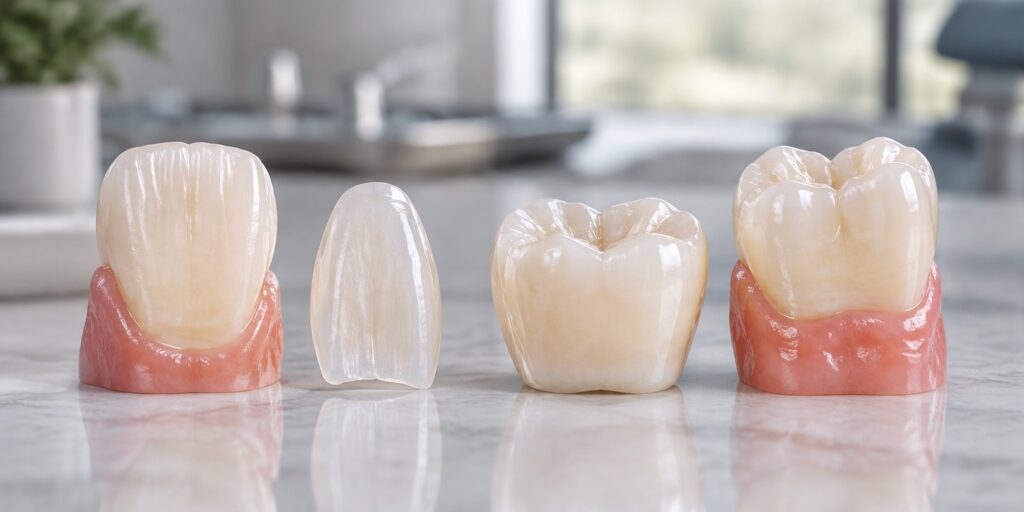


Diabetes does not automatically rule out dental implant treatment. Learn what dentists may assess, from glycemic control and gum health to healing, medications, bone and long-term maintenance.


Diabetes does not automatically mean that dental implants are unsuitable. The more useful question is whether a person’s diabetes, oral health and overall clinical situation are sufficiently stable for implant surgery and long-term maintenance.
For patients researching dental implants and diabetes, the assessment usually extends beyond a single blood-glucose reading. A dentist may need to consider recent glycemic control, gum and periodontal health, bone availability, smoking, medications, other medical conditions, healing history and the patient’s ability to attend follow-up care. In some cases, coordination with the physician managing diabetes may also be appropriate.
Current evidence suggests that implant outcomes can be favorable in people with well-controlled diabetes, while poorer glycemic control is associated with greater concerns around healing and peri-implant health. The decision therefore requires an individualized dental and medical risk assessment rather than a diagnosis-based yes-or-no rule.
Can People With Diabetes Get Dental Implants?
Yes, many people with diabetes may be candidates for dental implants, but suitability depends on individual risk assessment and disease control. Diabetes itself is not an automatic exclusion from implant treatment.
The American Dental Association’s guidance on diabetes and oral health states that implant placement is generally considered safe and reliable in patients with properly controlled diabetes and may also be possible in some patients with moderately controlled disease. The ADA also notes that elective dental treatment may need to be delayed when diabetes is marginally or poorly controlled.
A 2026 systematic review of dental implant outcomes in people with diabetes similarly found that implant survival was often high overall, but poorer glycemic control was associated with less favorable peri-implant outcomes. This distinction is important: a person with stable diabetes and healthy gums is not clinically equivalent to someone with persistent hyperglycemia, active periodontitis and additional risk factors.
For patients considering dental implant treatment at Niva Dental, an online discussion can help organize records and explain possible treatment pathways, but it cannot confirm medical or surgical eligibility without an appropriate clinical assessment.
Why Can Diabetes Matter in Dental Implant Treatment?
Diabetes can affect several biological processes that are relevant to implant surgery, particularly when blood glucose is not well controlled.
A dental implant is placed into the jawbone and must become stable as the surrounding bone heals. Osseointegration is the biological process in which bone forms and remodels closely around the implant surface. This process is essential for the implant to support a restoration over time.
Poorly controlled diabetes may be associated with:
- delayed soft-tissue healing;
- altered bone healing and slower osseointegration;
- greater susceptibility to oral infection;
- increased periodontal inflammation;
- less favorable peri-implant tissue conditions.
These effects are not identical in every patient. Diabetes duration, glycemic control, smoking, oral hygiene, periodontal history, medication use and other health conditions can modify the overall risk profile.
The ADA notes that uncontrolled diabetes can be associated with delayed wound healing, increased incidence and severity of infection, gingivitis and periodontitis. These factors matter in implant dentistry because healthy bone and soft tissue are important both during initial healing and during long-term maintenance.
What Should Be Assessed Before Dental Implant Treatment?
A diabetes-related implant assessment should look at the whole clinical picture rather than relying on one number. The exact evaluation varies by patient, but the following factors commonly influence planning.
| Assessment factor | Why it may matter |
|---|---|
| Recent HbA1c and glycemic history | Helps the dental team understand longer-term glucose control rather than relying only on a single daily reading |
| Diabetes type and medical history | Provides context about disease course, complications and overall health |
| Current medications | Helps identify issues relevant to surgery, eating schedules, hypoglycemia risk and medical coordination |
| Periodontal and gum health | Active periodontitis or uncontrolled inflammation can increase implant-related risk |
| Oral hygiene and plaque control | Long-term implant health depends heavily on daily cleaning and professional maintenance |
| Smoking or nicotine exposure | Smoking can impair healing and is an established implant and periodontal risk factor |
| Bone volume and local anatomy | Imaging is used to assess whether the planned implant site has adequate bone and appropriate anatomy |
| History of healing or infection problems | May influence surgical planning and follow-up |
| Other medical conditions | Cardiovascular, immune, renal and other conditions can affect the overall treatment plan |
| Ability to attend long-term follow-up | Implant treatment continues after surgery; maintenance and early detection of inflammation are important |
A dentist may also ask when diabetes was diagnosed, how it is monitored, when the patient last saw their diabetes clinician and what their recent HbA1c result was. This does not mean the dentist is taking over diabetes management. It means systemic health is being considered as part of surgical risk assessment.
For international patients, bringing a current medication list and recent relevant medical records can make the initial review more informative. Niva Dental describes a structured patient journey that begins with consultation and treatment planning, but final treatment decisions still require the appropriate clinical examination.
Is There an HbA1c Cutoff for Dental Implants?
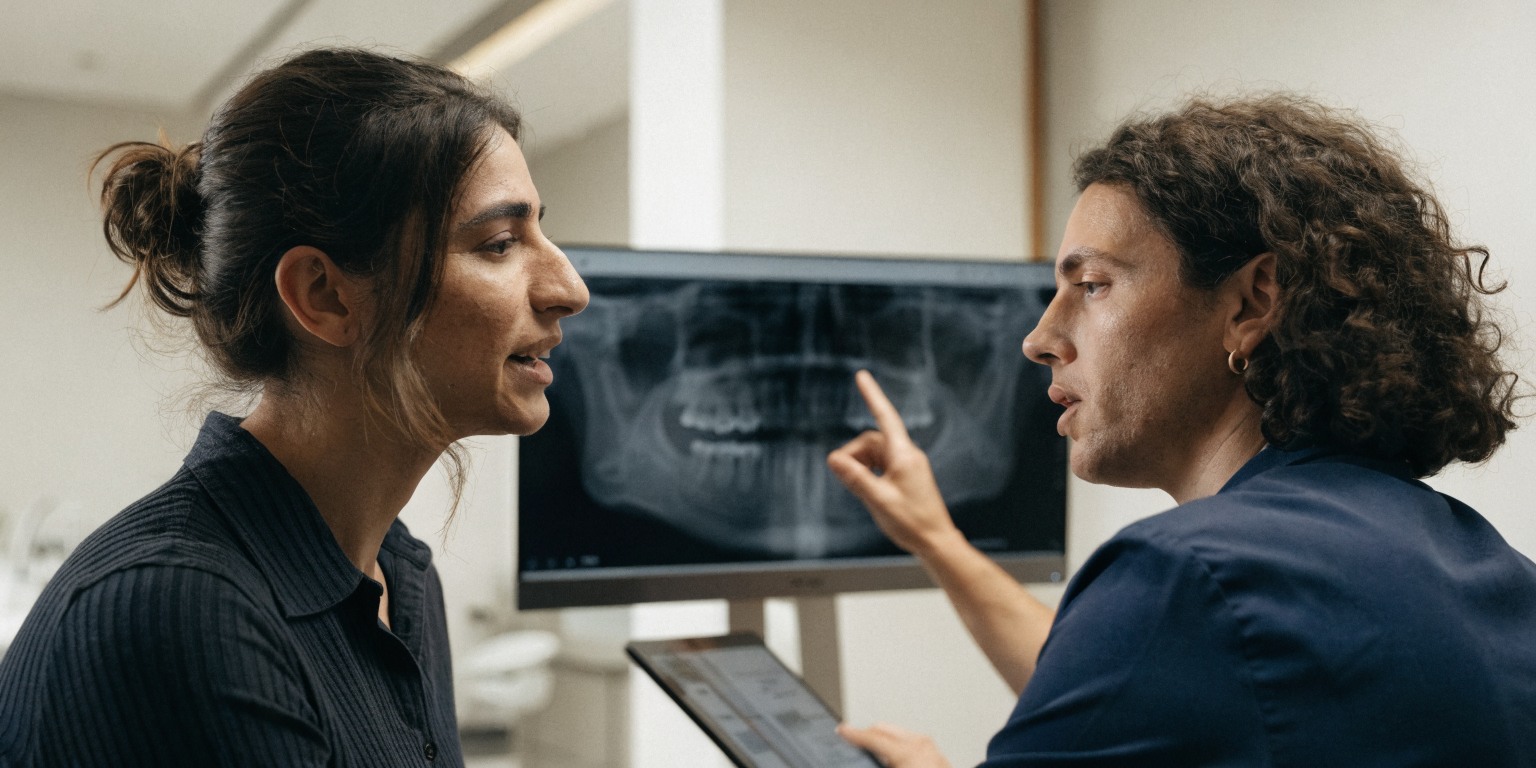
There is no single HbA1c number that should be presented online as a universal implant eligibility cutoff for every patient. HbA1c is useful for risk assessment, but interpretation should take place alongside oral health, medical history, medications, planned surgery and the patient’s broader diabetes management.
HbA1c reflects average blood glucose over the preceding several months. Research consistently suggests that poorer glycemic control is associated with less favorable implant-related outcomes. A 2021 systematic review and dose-response meta-analysis found worsening peri-implant clinical parameters as HbA1c increased and reported slower osseointegration in groups with higher HbA1c.
More recently, a 2026 systematic review in BMC Oral Health reported that poorly controlled diabetes, particularly in studies involving HbA1c above about 8%, was associated with worse peri-implant findings. However, this research threshold should not be converted into a universal rule such as “below X is approved” or “above X is impossible.”
The practical point is that HbA1c is a risk marker, not a stand-alone treatment decision. If glycemic control is concerning, the dental team may recommend further medical review or postponement of elective implant surgery until the situation is more stable.

How Can Diabetes Affect Healing and Osseointegration?
Poor glycemic control may slow the biological processes needed for predictable healing around an implant. The effect is not simply about whether an incision closes; it also concerns how bone and soft tissues respond during the weeks and months after placement.
Osseointegration develops over time as bone remodels around the implant surface. Evidence reviewed in the dental literature suggests that hyperglycemia can be associated with slower implant stability development and less favorable bone-related biomarkers.
A systematic review and meta-analysis on glycemic control and implant outcomes found a dose-response relationship between worsening glycemic control and some peri-implant measurements, including bleeding on probing and marginal bone loss. The authors concluded that HbA1c should be considered during risk assessment before implant placement and during long-term implant maintenance.
This does not mean that every patient with diabetes will heal slowly or experience implant failure. It means that glycemic stability is one of several variables that can influence the biological environment in which healing takes place.
The timeline should also be described carefully. Surgical recovery and osseointegration are not the same thing. Swelling or tenderness after implant surgery may improve relatively early, while biological integration of the implant with bone takes substantially longer.
Does Diabetes Increase the Risk of Peri-Implantitis or Implant Failure?
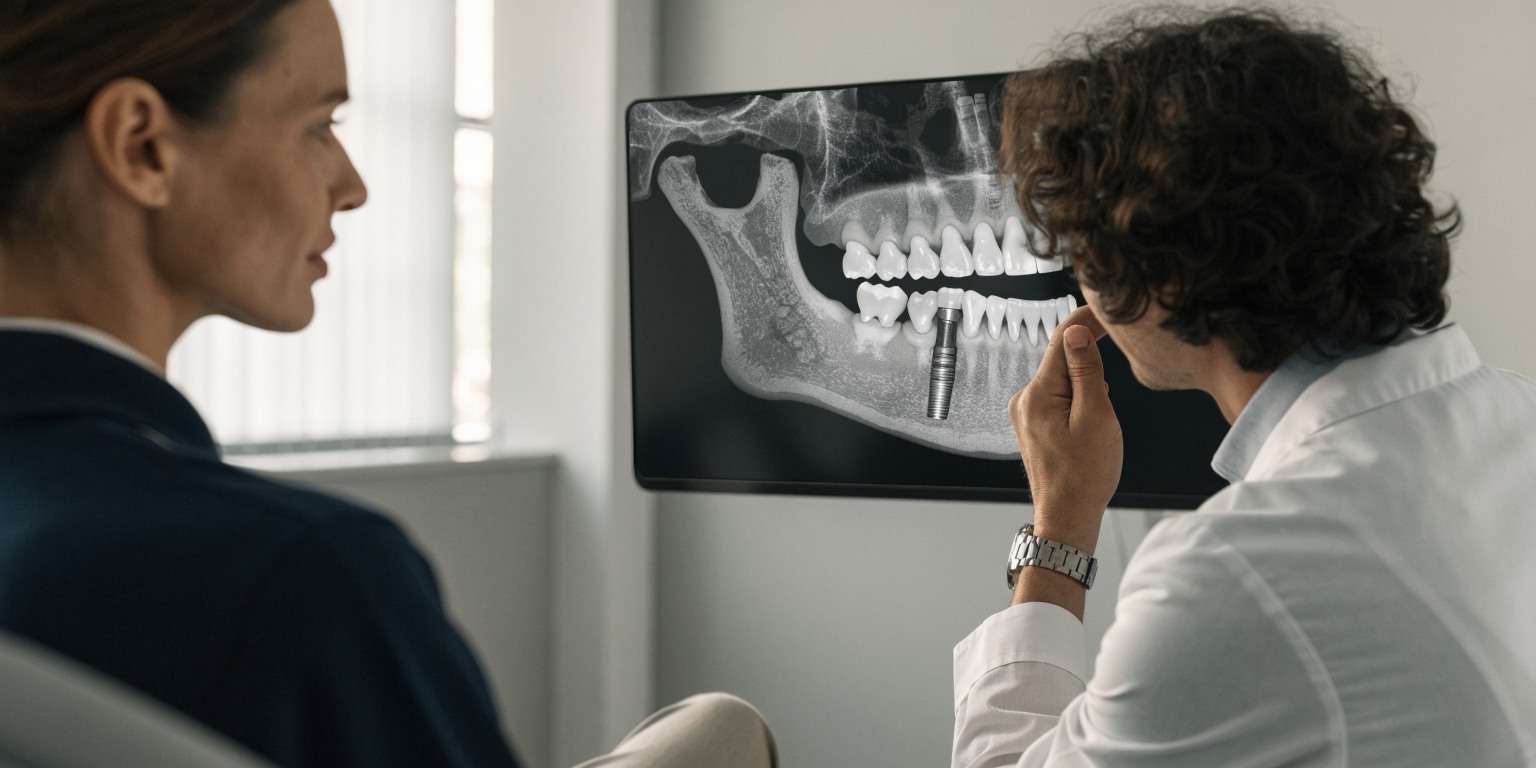
Poorly controlled diabetes appears to be associated with greater concern for peri-implant inflammation and less favorable long-term implant outcomes, but risk is not determined by diabetes alone.
Peri-implant mucositis is inflammation of the soft tissue around an implant. Peri-implantitis involves inflammation together with progressive loss of supporting bone around the implant.
The European Federation of Periodontology advises that uncontrolled diabetes and untreated periodontitis are important concerns when considering implant treatment. It also emphasizes oral hygiene, regular professional care and control of gum disease.
The 2026 systematic review cited above found that patients with poorer glycemic control had greater marginal bone loss, deeper probing measurements, more bleeding on probing and higher inflammatory activity in several included studies. A separate long-term cohort study also reported increasing implant failure and peri-implantitis risk as HbA1c rose over time.
These findings support a risk-based approach. Glycemic control matters, but so do plaque control, a history of periodontitis, smoking, implant position, prosthesis cleansability and maintenance attendance.
Do Type 1 and Type 2 Diabetes Require the Same Implant Assessment?
Both type 1 and type 2 diabetes require careful medical-history review, but they should not be treated as identical conditions. Implant research is more extensive for type 2 diabetes, so the evidence base may be less complete for some questions involving type 1 diabetes.
The assessment should therefore focus on the individual rather than the label alone. Relevant factors may include current glycemic control, history of hypoglycemia, medication or insulin use, diabetes-related complications, periodontal condition and the planned extent of surgery.
A patient with type 1 diabetes should not be excluded simply because insulin is used. Likewise, a patient with type 2 diabetes should not be assumed to be low risk simply because treatment is managed with tablets or lifestyle measures. The current clinical status matters more than oversimplified categories.
Where necessary, the dental team may communicate with the clinician responsible for diabetes care. Any medication adjustment or medical diabetes-management decision should remain with the appropriate medical professional.
What About Gum Disease Before Implant Placement?
Active periodontal disease should be identified and managed before implant placement. This is especially important in people with diabetes because diabetes and periodontitis are closely linked.
Periodontitis is a chronic inflammatory disease affecting the tissues and bone that support teeth. A history of periodontitis does not automatically rule out implants, but uncontrolled disease can create an unfavorable environment for implant therapy.
The ADA describes the relationship between diabetes and periodontal disease as bidirectional: hyperglycemia can affect periodontal health, while periodontal inflammation may also be associated with glycemic control.
Before implant treatment, the dental team may therefore assess:
- bleeding and inflammation around the gums;
- periodontal pocket depths where appropriate;
- bone levels on dental imaging;
- plaque control;
- tooth mobility or active infection;
- previous periodontal treatment and maintenance history.
This is another reason an online consultation cannot replace an in-person dental examination. Photographs and records may be useful for an initial discussion, but they cannot provide the full periodontal and surgical assessment required for final planning.
What Should International Patients With Diabetes Prepare Before Traveling?
International patients with diabetes may benefit from organizing medical and dental information before traveling for implant treatment. The goal is not to self-clear for surgery, but to make communication between the patient, dentist and medical team more complete.
Useful information may include:
- a current list of prescription and non-prescription medications;
- recent HbA1c or other diabetes-related results already available from the patient’s medical care;
- relevant physician or endocrinology notes if there are complications or recent changes in treatment;
- information about significant hypoglycemia episodes;
- smoking or nicotine history;
- recent dental X-rays or scans if available;
- a summary of previous periodontal treatment;
- allergies and other important medical conditions.
Patients should not change insulin, diabetes medication or meal timing on their own to prepare for dental surgery. If adjustments are needed, they should be determined by the appropriate treating clinician.
Travel planning also matters after treatment. Follow-up, hygiene and management of unexpected symptoms need to remain practical after the patient returns home. Niva Dental’s patient journey information describes pre-treatment consultation and remote support, while patients who need case-specific information can use the clinic’s contact page.
How Important Is Long-Term Maintenance After Implants?
Long-term maintenance is essential for every implant patient and may deserve even more attention when diabetes or a history of periodontitis is present.
An implant can remain mechanically stable while inflammation develops in the surrounding soft tissue. This is why implant success should not be judged only by whether the implant feels loose or whether the crown looks normal.
Long-term care generally centers on:
- effective daily plaque removal;
- cleaning methods appropriate for the specific implant restoration;
- professional examinations at intervals based on individual risk;
- monitoring of gum inflammation;
- radiographic assessment when clinically indicated;
- continued diabetes care with the patient’s medical team;
- avoiding smoking.
The EFP emphasizes that poor plaque control and lack of regular maintenance are important risk factors for peri-implant disease. Early inflammation around an implant may be easier to manage than established peri-implantitis with bone loss.
When Might Implant Treatment Be Postponed?
Implant treatment may be postponed when current findings suggest that elective surgery would carry avoidable risk. This is a clinical decision rather than a fixed internet checklist.
Examples that may lead to further assessment or delay include poorly controlled diabetes, active periodontal disease, untreated oral infection, insufficiently understood medical complications, or a need for medical coordination before surgery.
Postponement does not necessarily mean that implants will never be possible. In some patients, the priority may be stabilizing oral or systemic health first and then reassessing.
If an implant is not currently appropriate, alternative ways to replace missing teeth may include a dental bridge or removable prosthesis depending on the condition of the remaining teeth, gums, bone and bite.
Frequently Asked Questions
Can diabetics get dental implants?
Yes, many people with diabetes may be able to receive dental implants. The decision depends on glycemic control, gum health, bone, medications, other medical conditions, smoking and long-term maintenance. Poorly controlled diabetes can increase concerns about healing and peri-implant complications, so an individualized dental assessment and, when appropriate, medical coordination are important.
What HbA1c is safe for dental implants?
There is no single HbA1c value that should be treated as a universal “safe” cutoff for every dental implant patient. Studies show that risk tends to increase as glycemic control worsens, with several reviews reporting poorer outcomes in groups with HbA1c above about 8%. The number must still be interpreted with the patient’s overall clinical situation.
Can someone with type 2 diabetes have dental implants?
Yes, people with type 2 diabetes can often be considered for implant treatment when their condition and oral health are appropriately managed. Much of the current implant evidence in diabetes relates to type 2 diabetes. Assessment should include recent glycemic control, periodontal health, medications, bone, smoking and the planned surgical procedure.
Does diabetes make dental implants heal more slowly?
Poorly controlled diabetes may delay aspects of soft-tissue healing and osseointegration, but the effect varies between patients. Well-controlled diabetes is associated with more favorable outcomes than persistent hyperglycemia. Healing should also be monitored as two separate processes: early surgical recovery and the longer period required for bone integration around the implant.
Do I need to stop or change diabetes medication before implant surgery?
Do not stop or change diabetes medication on your own for dental implant surgery. Medication and meal planning can be important around a procedure because changes may affect blood glucose or hypoglycemia risk. If an adjustment is necessary, it should be coordinated with the clinician responsible for your diabetes care and the dental team.
Does diabetes increase peri-implantitis risk?
Poor glycemic control may increase the likelihood of unfavorable peri-implant inflammation and bone-related outcomes. The risk is also affected by plaque control, periodontal history, smoking, prosthesis design and maintenance. Good long-term implant care therefore depends on both systemic diabetes management and consistent oral hygiene and professional follow-up.
Can implant treatment be done if diabetes is currently poorly controlled?
Elective implant treatment may need to be postponed when diabetes is poorly controlled. The ADA notes that elective dental treatment may be delayed until diabetes is more stable or better controlled. This is not the same as saying implants are permanently impossible; the patient can be reassessed after medical and oral-health concerns have been addressed.
Dental Implants and Diabetes: The Main Decision Point
Diabetes should be treated as a clinical risk factor to assess, not as an automatic ban on dental implants. Current evidence supports favorable implant outcomes in many people with well-controlled diabetes, while persistent hyperglycemia can make healing and peri-implant health less predictable.
The most useful assessment combines recent glycemic control with gum health, bone, medication history, smoking, other medical conditions and the patient’s ability to maintain the implant over time. HbA1c can help describe risk, but it should not be used as a stand-alone internet eligibility test.
Patients considering dental implants at Niva Dental in Istanbul can use an initial consultation to discuss records and possible treatment pathways. Final suitability requires an individualized clinical examination, and medical coordination may be needed for some patients.