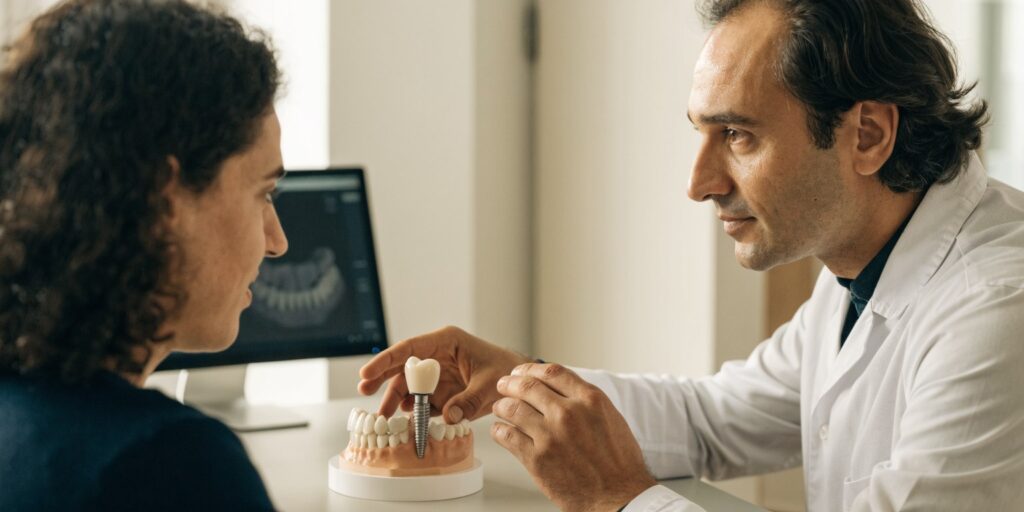



Hollywood Smile without shaving teeth may be possible in selected cases. Learn how no-prep, minimal-prep, bonding, whitening, and orthodontics differ.

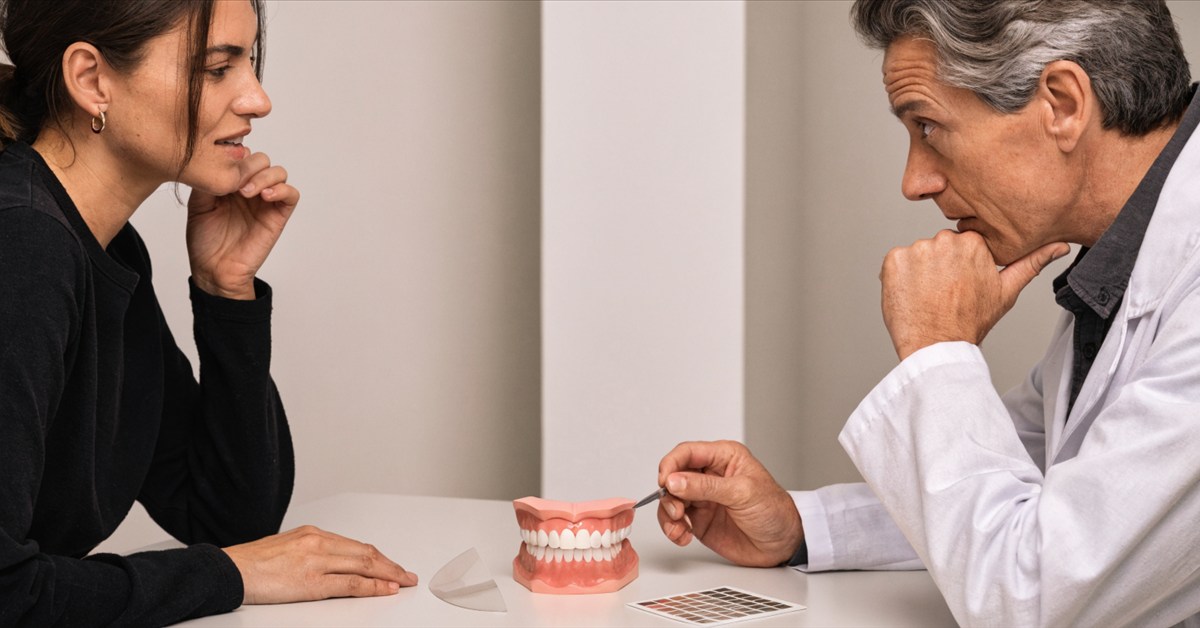
Yes. A Hollywood Smile without shaving teeth may be possible in selected cases. But “no-prep” is not the right treatment for every patient, and a Hollywood Smile does not have to mean placing veneers on every visible tooth.
A conservative smile makeover may use whitening, composite bonding, orthodontics, gum treatment, selected no-prep veneers, minimal-prep veneers, or simply leave healthy natural teeth untreated. The choice depends on tooth position, enamel, color, bite, restorative space, and the requested change.
The goal should not be zero preparation at any cost. The goal should be the least invasive treatment that can achieve the clinical and aesthetic objective without creating avoidable compromises.
Hollywood Smile Without Shaving Teeth: Quick Answer
| Question | Short Answer |
|---|---|
| Is zero-prep possible? | Yes, in selected cases. |
| Do all veneers require shaving? | No. Preparation varies, and some selected veneers may require little or no intentional reduction. |
| What is minimal prep? | Limited, controlled reduction where space or contour requires it. |
| Can crowns be no-prep? | Generally no. A full crown requires the tooth to be shaped for full coverage. |
| Can bonding avoid preparation? | Often in selected additive cosmetic cases, although preparation needs vary. |
| Can orthodontics help? | Sometimes. Moving teeth may reduce the need for restorative camouflage. |
| Can healthy teeth stay untreated? | Yes, where clinically and aesthetically appropriate. |
| Is no-prep suitable for everyone? | No. Tooth position, bite, color, restorative space, and other factors matter. |
Can You Really Get a Hollywood Smile Without Shaving Your Teeth?
Yes, in selected cases. A Hollywood Smile is a personalized smile makeover, not one standardized procedure.
Whitening may address color, bonding may add small shape corrections, orthodontics may improve tooth position, and selected teeth may be suitable for no-prep or minimal-prep veneers.
Niva’s Hollywood Smile in Turkey guidance also states that some veneer cases may involve minimal preparation while selected veneers may require little or no removal from certain areas.
A clinical assessment is still necessary because photographs cannot reliably show bite, enamel condition, or restorative space. For a broader explanation, see how tooth preparation works in a Hollywood Smile.
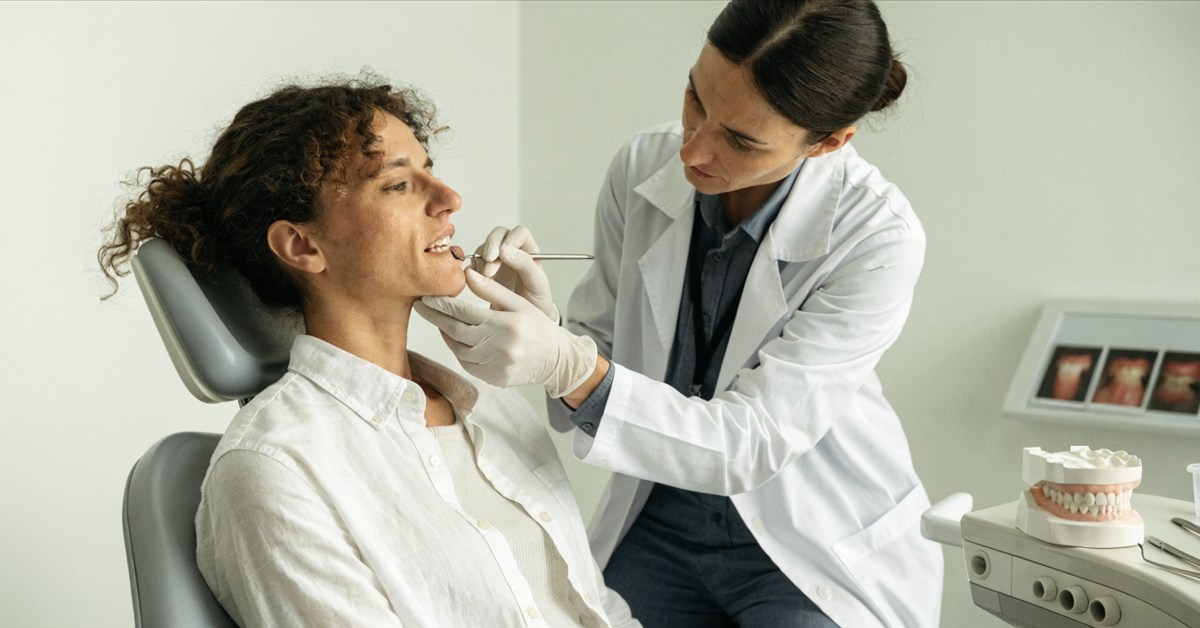
What Do No-Prep and Minimal-Prep Mean?
No-prep and minimal-prep are not the same thing.
What Are No-Prep Veneers?
No-prep veneers are an additive veneer approach used in selected cases with little or no intentional removal of natural tooth structure before bonding.
The concept is conservative because more enamel can be preserved. However, no-prep should not be treated as a universal marketing promise. The restoration still needs enough space to create an acceptable contour, margin, shade, and bite relationship.
What Are Minimal-Prep Veneers?
Minimal-prep veneers involve limited, controlled tooth reduction where clinically needed.
The purpose of minimal preparation is not to remove tooth structure unnecessarily. It may create room for ceramic, refine an emergence profile, manage a margin, reduce excessive thickness, or help achieve the planned shape.
What Is Traditional Veneer Preparation?
Traditional veneer preparation involves controlled reduction based on tooth position, restorative material, color, planned contour, and the final design.
The American Dental Association describes porcelain veneer placement as typically involving removal of a small amount of enamel from the front and sides of the tooth.
Can Crowns Be Done Without Shaving Teeth?
Generally, no. A crown covers substantially more of the tooth than a veneer.
The NHS explains that a tooth needs to be shaped so a crown can be fitted. Crown preparation should not be confused with no-prep or minimal-prep veneer treatment.
No-Prep vs Minimal-Prep vs Traditional Veneers
| Approach | Tooth Reduction | When It May Be Considered | Main Limitation |
|---|---|---|---|
| No-prep veneer | Little or no intentional reduction | Favorable tooth position, additive shape needs, adequate space | May create excessive contour if space is limited |
| Minimal-prep veneer | Limited reduction | When small amounts of space or contour correction are needed | Still involves irreversible alteration where enamel is removed |
| Traditional veneer preparation | Controlled preparation according to the case | Greater color, position, contour, or restorative demands | More natural tooth structure may be removed |
| Full crown | More extensive shaping for full coverage | Teeth that clinically need broader coverage or restoration | Not a no-prep option |
The most conservative option is the one that avoids unnecessary intervention without creating a compromised restoration.
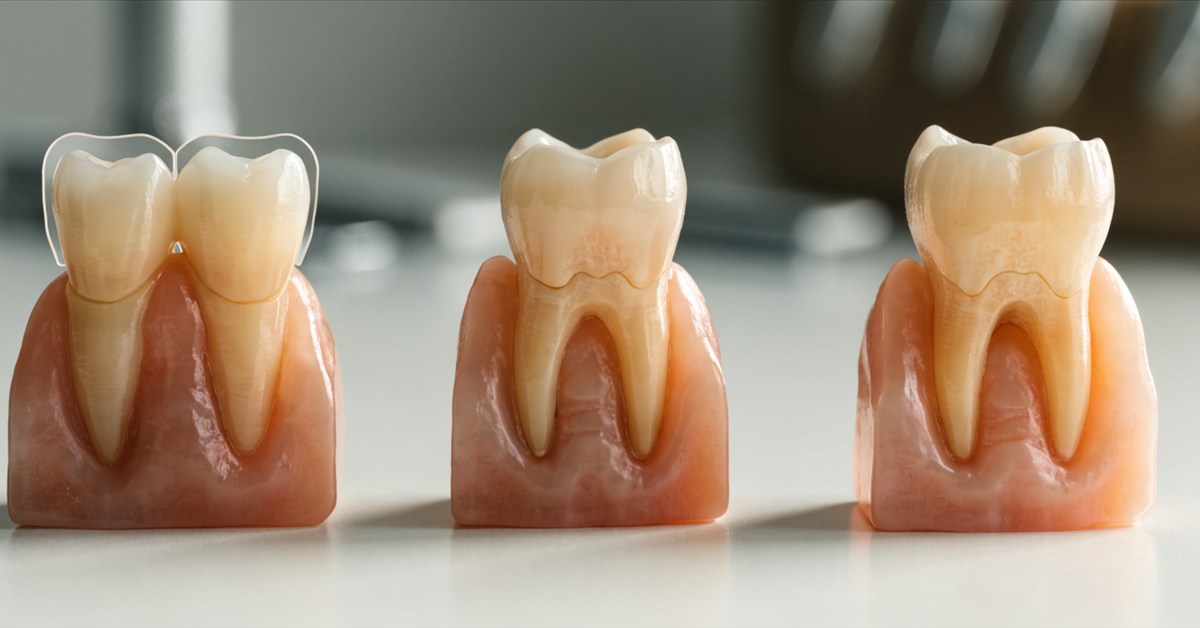
Who May or May Not Be Suitable for No-Prep Veneers?
No-prep veneers may be considered when existing tooth position provides enough space for additive material.
Factors That May Favor No-Prep Treatment
Potential considerations include:
- favorable tooth position,
- selected small or undersized teeth,
- limited shape concerns or small gaps,
- sufficient enamel,
- acceptable bite relationships,
- adequate restorative space.
Factors That May Make No-Prep Less Suitable
No-prep may be less suitable when teeth are protrusive, crowded, or rotated; major color masking is needed; bite forces are unfavorable; or added material would create excessive thickness.
These are not self-diagnosis criteria. A healthy tooth does not automatically qualify for no-prep veneers.
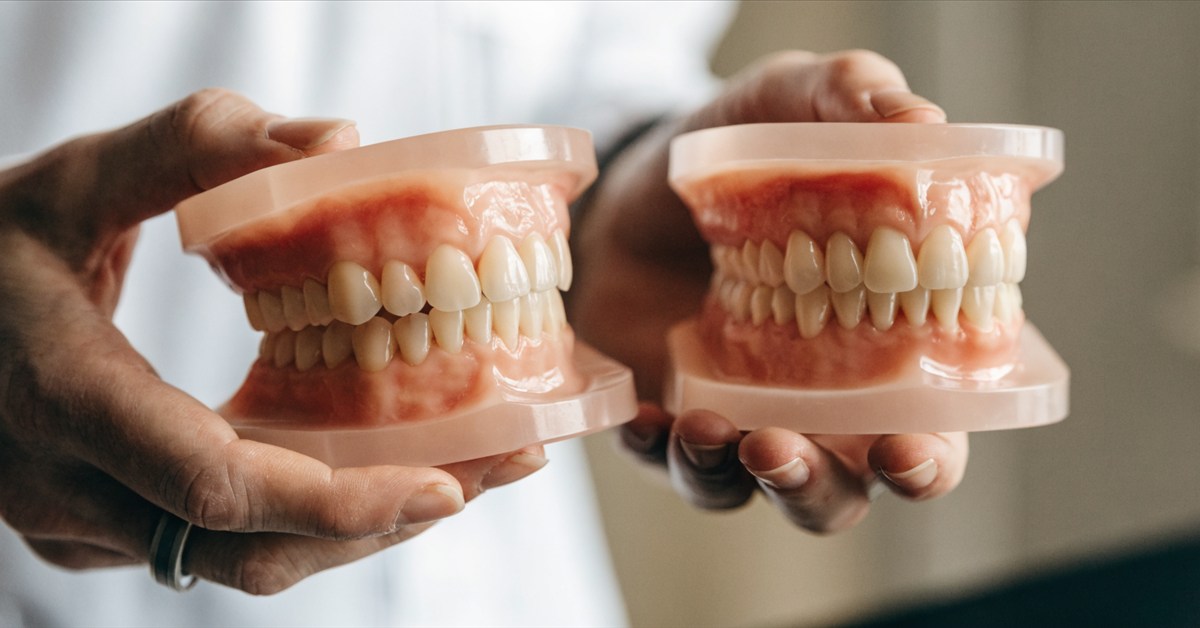
Can No-Prep Veneers Look Bulky?
Yes, they can in some cases. Every veneer adds material to the visible surface of a tooth.
If the tooth already projects outward or there is little restorative space, adding ceramic without creating room can produce an overcontoured appearance. The tooth may look thicker than intended, and the transition near the gum may become harder to design cleanly.
That is why minimal preparation can sometimes be more conservative than insisting on no-prep. A small, controlled adjustment may allow the final restoration to have a more appropriate thickness and contour.
Does Tooth Position Affect No-Prep Suitability?
Yes. Protrusive, rotated, or crowded teeth can create space limitations. Small teeth or teeth positioned slightly inward may sometimes provide more additive space.
Does Tooth Color Matter?
It can. A major color change may require different material opacity or thickness. The amount of masking required can affect whether a purely additive restoration is practical.
Does Enamel Matter?
Yes. Enamel is important for adhesive veneer treatment.
A 2025 systematic review and meta-analysis in The Journal of Prosthetic Dentistry found better survival and success patterns for ceramic veneers bonded predominantly to enamel than for veneers bonded to surfaces with greater dentin exposure. This supports preserving enamel whenever clinically possible.
Does Bite or Bruxism Matter?
Yes. Bite contacts and grinding or clenching can influence restoration design and risk.
The ADA notes that patients who clench or grind, or who have certain deep overbites, may require additional consideration before veneer treatment. These factors do not automatically rule out veneers, but they should be evaluated.
Can You Get a Hollywood Smile Without Veneers or Crowns?
Yes. A no-prep Hollywood Smile does not automatically mean a full set of no-prep veneers. For more on crown-free planning, see Hollywood Smile without crowns.
Teeth Whitening
Whitening changes natural tooth color but does not correct major shape, structural, or alignment problems. Niva publishes separate guidance on teeth whitening.
Composite Bonding
Bonding can add material for selected chips, small gaps, or minor shape changes. It is not a universal veneer replacement.
Orthodontics
Orthodontics moves teeth rather than covering them. Better position may sometimes reduce later restorative treatment or preparation.
Gum Treatment
Some smile concerns involve the gingival frame. Niva publishes separate information on gummy smile treatment.
A conservative Hollywood Smile can combine different approaches instead of restoring every visible tooth.
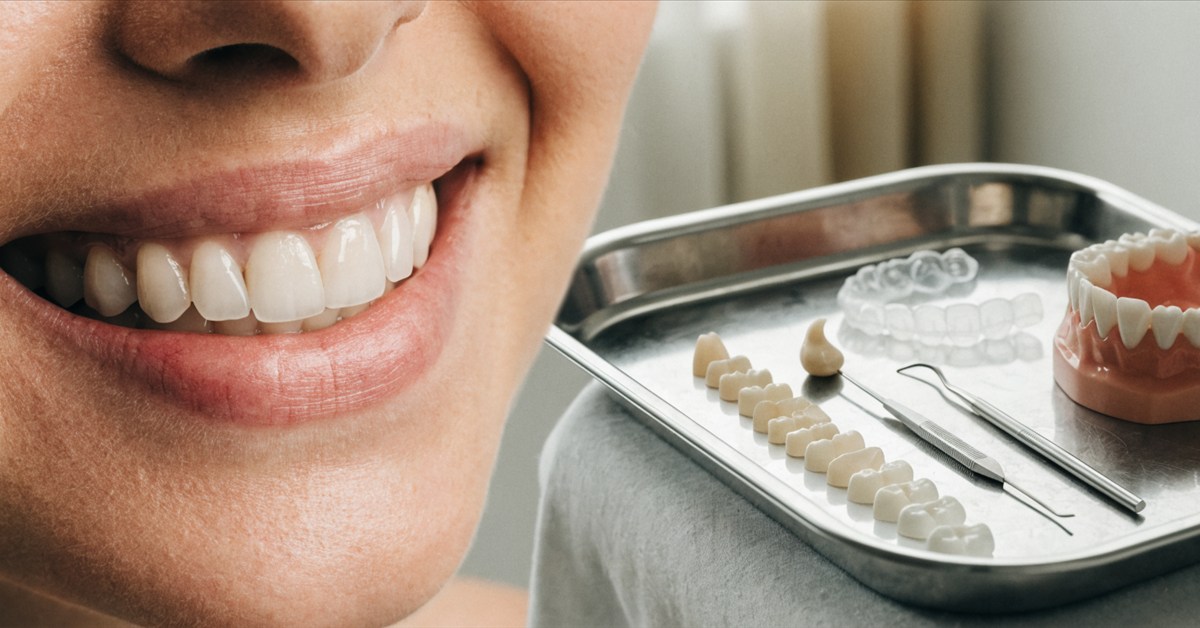
Can Healthy Natural Teeth Stay Untreated?
Yes. A Hollywood Smile does not require every visible tooth to receive a veneer or crown.
If a natural tooth is healthy, appropriately positioned, and already fits the intended smile design, leaving it untreated may be the most conservative choice.
This tooth-by-tooth approach is important because smile makeovers are not uniform full-arch products. One tooth may need bonding, another may need a veneer, and another may need no treatment at all.
Is No-Prep Always More Conservative?
Not necessarily. Conservative dentistry means avoiding unnecessary tooth reduction while still creating an appropriate restoration.
If no-prep treatment creates excessive thickness, poor contour, difficult margins, or an unfavorable bite, limited preparation may be the more conservative overall choice.
A 2025 prospective study of prepless and minimally invasive ceramic veneers found positive short-term outcomes in both groups but more complications in the prepless group, reinforcing the importance of case selection and occlusal management.
Use no preparation when the case allows it. Use only the preparation clinically needed when it does not.
Is No-Prep Always Reversible?
No. Even without intentional enamel reduction, bonding, removal, residual material, enamel condition, and future treatment can complicate a return to the exact pretreatment state.
Does No-Prep Mean Zero Risk?
No. Possible complications include chipping, debonding, marginal problems, contour concerns, gum response, bite issues, and future maintenance.
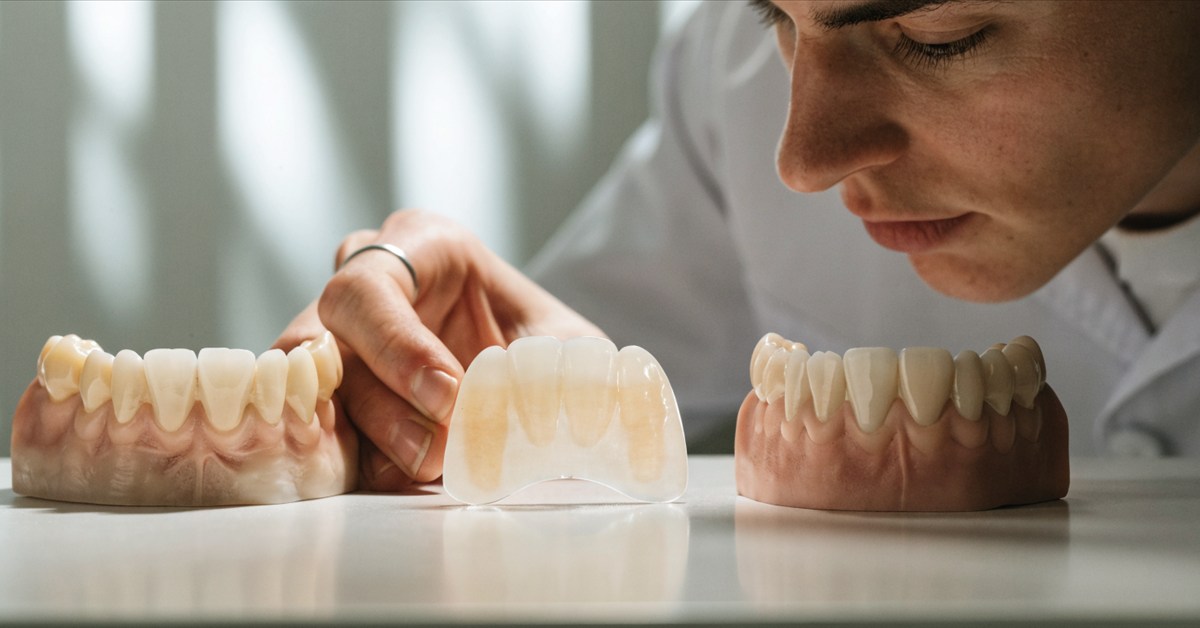
What Are the Risks of Too Much Preparation — or Too Little?
Both unnecessary preparation and poorly selected no-prep treatment can create problems.
Risks of Unnecessary Tooth Preparation
Unnecessary reduction can:
- remove healthy enamel irreversibly,
- expose more dentin,
- increase biological intervention,
- contribute to sensitivity,
- increase future restorative dependency.
Preserving enamel is particularly relevant because current clinical evidence generally favors enamel bonding for ceramic veneers.
Risks of Avoiding Preparation When Space Is Needed
In selected cases, avoiding necessary preparation may contribute to:
- excessive thickness,
- overcontoured restorations,
- aesthetic compromise,
- difficult emergence profiles,
- hygiene challenges,
- unfavorable functional contacts.
These outcomes are not inevitable. They support planning preparation tooth by tooth rather than choosing “zero prep” as a preset rule. For a wider overview, see Hollywood Smile risks.
Can a No-Prep Hollywood Smile Look Natural?
Yes, in suitable cases. Natural appearance depends on proportions, shade, translucency, texture, thickness, gum relationships, smile line, and facial harmony.
No-prep can look natural when tooth position provides enough space. Minimal preparation may create a better contour in other cases.
What If Your Teeth Are Crooked?
Tooth position matters. Adding material to rotated, crowded, or protrusive teeth can create excessive contour. Orthodontics, bonding, selected veneers, or combined treatment may be considered instead. See also Hollywood Smile for crooked teeth.
Can Gaps Be Treated Without Shaving Teeth?
Sometimes. Bonding, orthodontics, or additive veneers may be options depending on gap size, tooth proportions, bite, and cause.
Can Small Teeth Be Treated With No-Prep Veneers?
Sometimes. Smaller teeth may provide useful additive space, but size alone does not establish candidacy.
Can Protruding Teeth Receive No-Prep Veneers?
Sometimes, but adding material to already prominent teeth can create excessive thickness, so alternative planning may be needed.
How Should a Dentist Decide Whether Preparation Is Necessary?
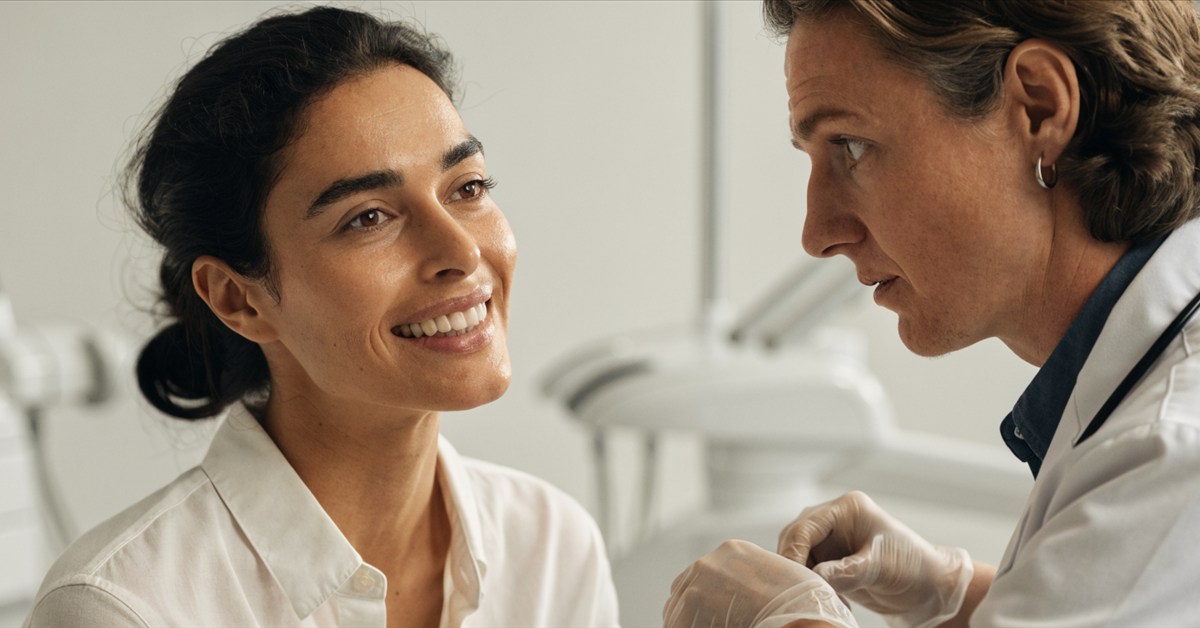
The decision should be made tooth by tooth, not package by package.
Important factors include:
- tooth position,
- enamel,
- tooth shape,
- existing color,
- existing restorations,
- the desired shape and shade change,
- restorative material,
- available space,
- bite,
- gum relationships,
- patient goals,
- alternative treatments.
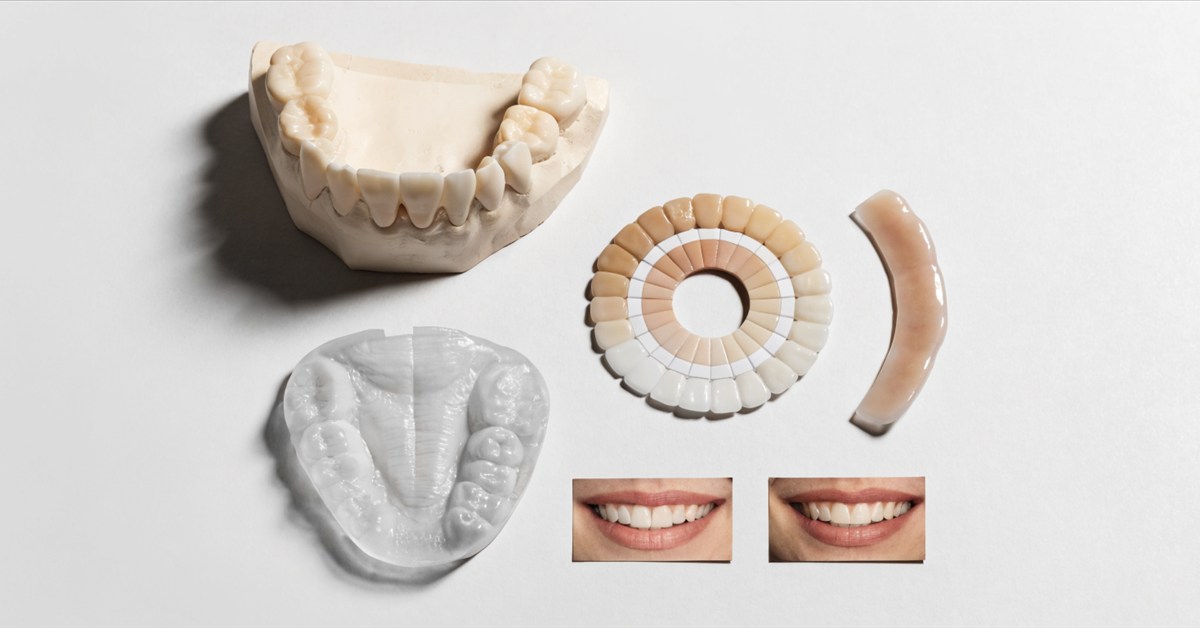
Digital planning and mock-ups can help preview the intended result before irreversible steps. Niva publishes a separate overview of Digital Smile Design, which describes facial, tooth, gum, and bite analysis as part of smile planning.
A Hollywood Smile may therefore include different treatment levels across the same smile:
- no treatment,
- additive bonding,
- no-prep veneer,
- minimal-prep veneer,
- conventional veneer,
- crown where clinically required,
- orthodontic or periodontal treatment.
Questions to Ask Before Agreeing to Tooth Shaving
Before accepting a Hollywood Smile plan, ask:
- Why does this specific tooth need preparation?
- Is no-prep realistic for this tooth?
- Is minimal preparation possible?
- Would no-prep make the restoration too thick?
- How will the final contour meet the gum?
- Could orthodontics reduce the preparation needed?
- Could bonding or whitening solve part of the problem?
- Why is a crown being recommended instead of a veneer?
- Can healthy teeth remain untreated?
- What changes are irreversible?
- What maintenance may be needed later?
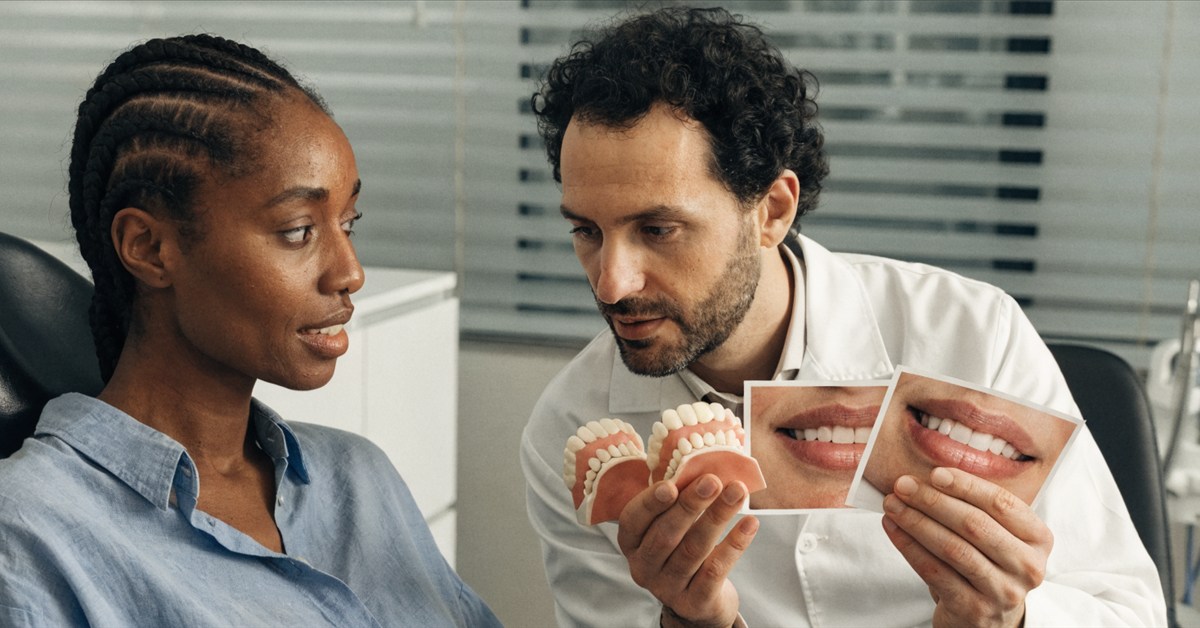
A clinic should explain why each tooth is being treated and what alternatives were considered.
How to Choose a Clinic for a Conservative Hollywood Smile
Look for a clinic that evaluates treatment tooth by tooth and explains alternatives rather than promising “zero shaving” to everyone.
Useful signs include clinical examination, bite assessment, clear no-prep/minimal-prep and veneer/crown distinctions, preservation of healthy tooth structure, discussion of restorative space, realistic limitations, case documentation, and written treatment rationale.
A promise that every patient can receive no-prep veneers should be treated cautiously because suitability depends on individual anatomy and goals.
No-Prep and Minimal-Prep Hollywood Smile at Niva Aesthetic
Niva’s current official Hollywood Smile page states that treatment is personalized and that preserving healthy natural tooth structure should be prioritized where possible. It also states that some veneer cases may involve minimal preparation and that selected veneers may require little or no removal from certain areas.
Niva also publishes information on E-max veneers and Digital Smile Design.
Patients specifically seeking no-prep treatment should ask whether their individual case is suitable and what preparation, if any, is planned for each tooth.
A Hollywood Smile may sometimes use no or minimal preparation, but the correct approach depends on the tooth. Ask: “What is the least invasive treatment this tooth actually needs?”
Hollywood Smile Without Shaving Teeth FAQ
Can you get a Hollywood Smile without shaving your teeth?
Yes, in selected cases. Whitening, bonding, orthodontics, gum treatment, untreated natural teeth, no-prep veneers, or minimal-prep veneers may all play a role. Clinical suitability depends on the individual tooth and bite.
Can veneers be done without shaving teeth?
Sometimes. Selected no-prep veneers may be bonded with little or no intentional reduction when there is adequate restorative space and favorable anatomy.
What are no-prep veneers?
No-prep veneers are an additive veneer approach involving little or no intentional removal of natural tooth structure in selected cases.
What are minimal-prep veneers?
Minimal-prep veneers use limited, controlled tooth reduction where necessary for restorative space, contour, margins, or design.
What is the difference between no-prep and minimal-prep veneers?
No-prep aims to avoid intentional tooth reduction. Minimal-prep uses a limited amount of preparation where clinically needed. The terms should not be used interchangeably.
Are no-prep veneers suitable for everyone?
No. Tooth position, bite, restorative space, enamel, color, existing restorations, and the desired change all affect suitability.
Can no-prep veneers look bulky?
Yes, in some cases. If the tooth already projects outward or there is insufficient space, adding restorative material may create excessive thickness or an overcontoured appearance.
Are no-prep veneers reversible?
They should not automatically be described as fully reversible. Even without intentional enamel reduction, bonding, removal, enamel condition, and future treatment can complicate true reversibility.
Do no-prep veneers have risks?
Yes. Possible complications include chipping, debonding, marginal problems, contour issues, gum response, bite problems, and maintenance needs.
Can crowns be done without shaving teeth?
Generally, no. Crowns provide full coverage, so the tooth typically must be shaped to receive the crown.
Can orthodontics help avoid tooth preparation?
Sometimes. Moving teeth into a more favorable position may reduce the need for restorative camouflage or preparation, although it does not guarantee zero preparation.
Is minimal-prep better than no-prep?
Neither is universally better. The appropriate approach is the one that preserves healthy tooth structure while still providing enough space, contour, function, and aesthetics for the individual case.
Last updated: September 4, 2026