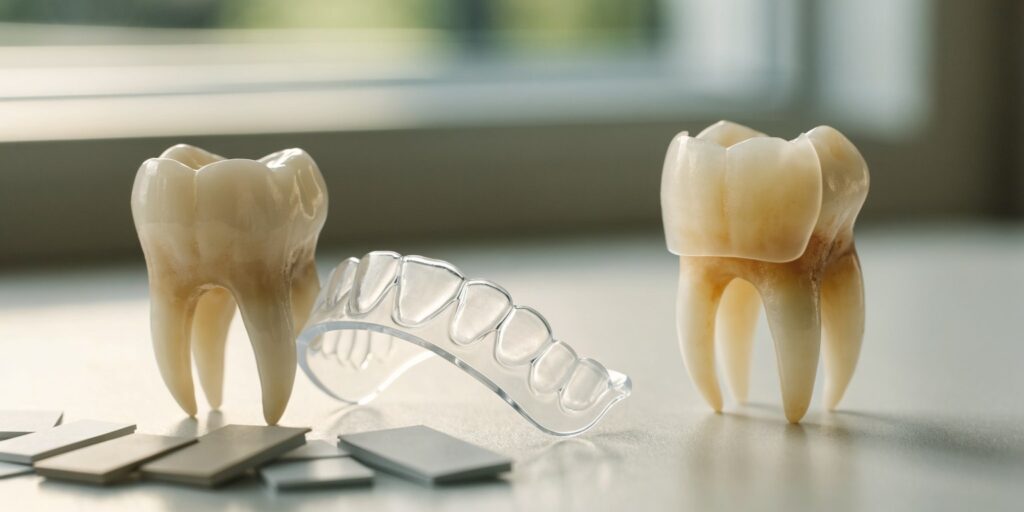


Can veneers be removed? Learn what happens to the teeth underneath, how porcelain and composite differ, and what to ask before committing to treatment.

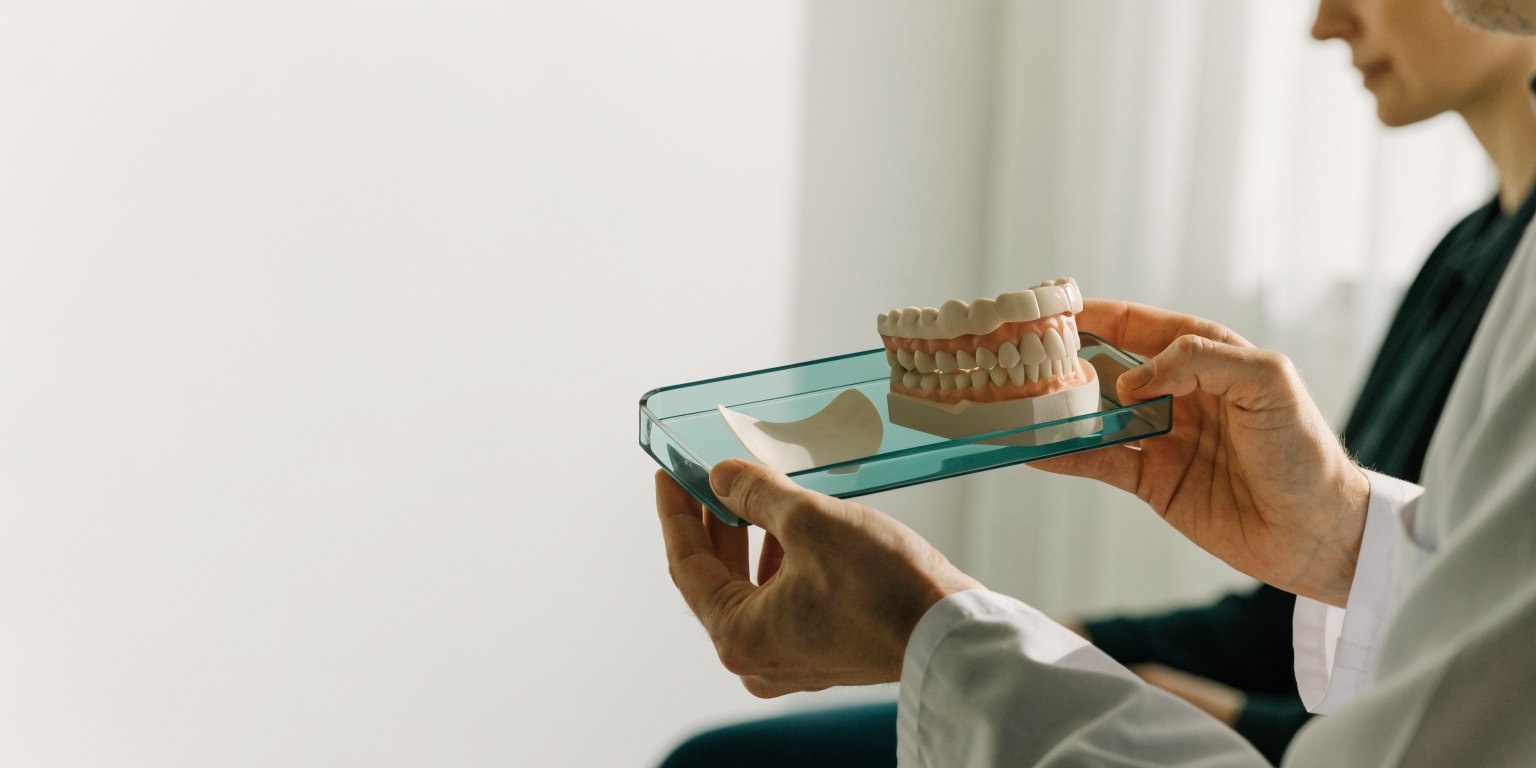
Yes, veneers can be removed by a dentist, but removal does not necessarily reverse the treatment. If natural enamel was removed before placement, taking off the veneer cannot restore that missing tooth structure. The American Dental Association describes veneer treatment involving enamel removal as irreversible. [1]
The question “can veneers be removed?” therefore needs a second question: what will each tooth need afterwards? Depending on the original preparation and current condition, further restoration may be necessary. Before committing, ask for an explanation of both the initial procedure and the options if you later want a change.
Removal, replacement and reversal mean different things
These terms describe different outcomes. Understanding them helps you assess promises about “permanent” or “reversible” veneers.
| Term | What it means for a patient |
|---|---|
| Removal | A dentist takes away the existing veneer material. |
| Replacement | The old restoration is removed and another is provided. |
| Reversal | The tooth returns to its original, untreated condition; removed enamel cannot be restored simply by taking the veneer off. [1] |
| Removable cosmetic appliance | An unbonded, clip-on covering that can be taken out; this is a different category from bonded veneers. [2] |
A veneer mainly covers the front of a tooth. A crown covers substantially more of it. Check which restoration is actually proposed, because a label such as “smile makeover” does not describe the preparation involved. [2]
Does the type of veneer change your options?
Material matters, but the treatment record matters too. Ask what was done to the natural tooth, rather than relying on the name of a veneer system.
Porcelain veneers
Porcelain veneers commonly involve removing a thin layer of enamel before bonding. This creates a lasting change to the tooth. The Canadian Dental Association explains that veneers are not reversible when enamel has been removed. [3]
A dentist can remove porcelain, but you should not assume the prepared tooth can then remain uncovered. Its remaining structure, condition and restorative needs must be assessed. Discuss the replacement plan before removal begins.
Composite veneers
Composite resin is a tooth-coloured material bonded and shaped onto teeth. It may require less enamel removal than porcelain, but “composite” does not automatically mean “fully reversible.” [1,3]
Find out whether treatment is entirely additive or includes reshaping, removal of enamel or replacement of existing fillings. Professional removal is also a clinical procedure: a published clinical report describes removing aged composite veneers and then restoring the teeth with ceramic veneers, rather than simply returning to untreated teeth. That example does not establish the outcome for every patient. [4]
No-prep and minimal-prep veneers
Not every veneer needs conventional drilling; NHS guidance explicitly acknowledges this. However, “minimal-prep” still allows for preparation, and a no-prep label alone cannot establish what happened on every tooth. [5]
If no tooth structure was removed, there may be more options after removal. Even then, bonded material must be removed professionally, and an unchanged enamel surface should not be promised in advance. Clinical research on removal techniques does not establish universal, damage-free reversibility. [6]
For more on the initial preparation decision, read Niva’s guide to E-max veneers and tooth shaving.
How do dentists remove veneers?
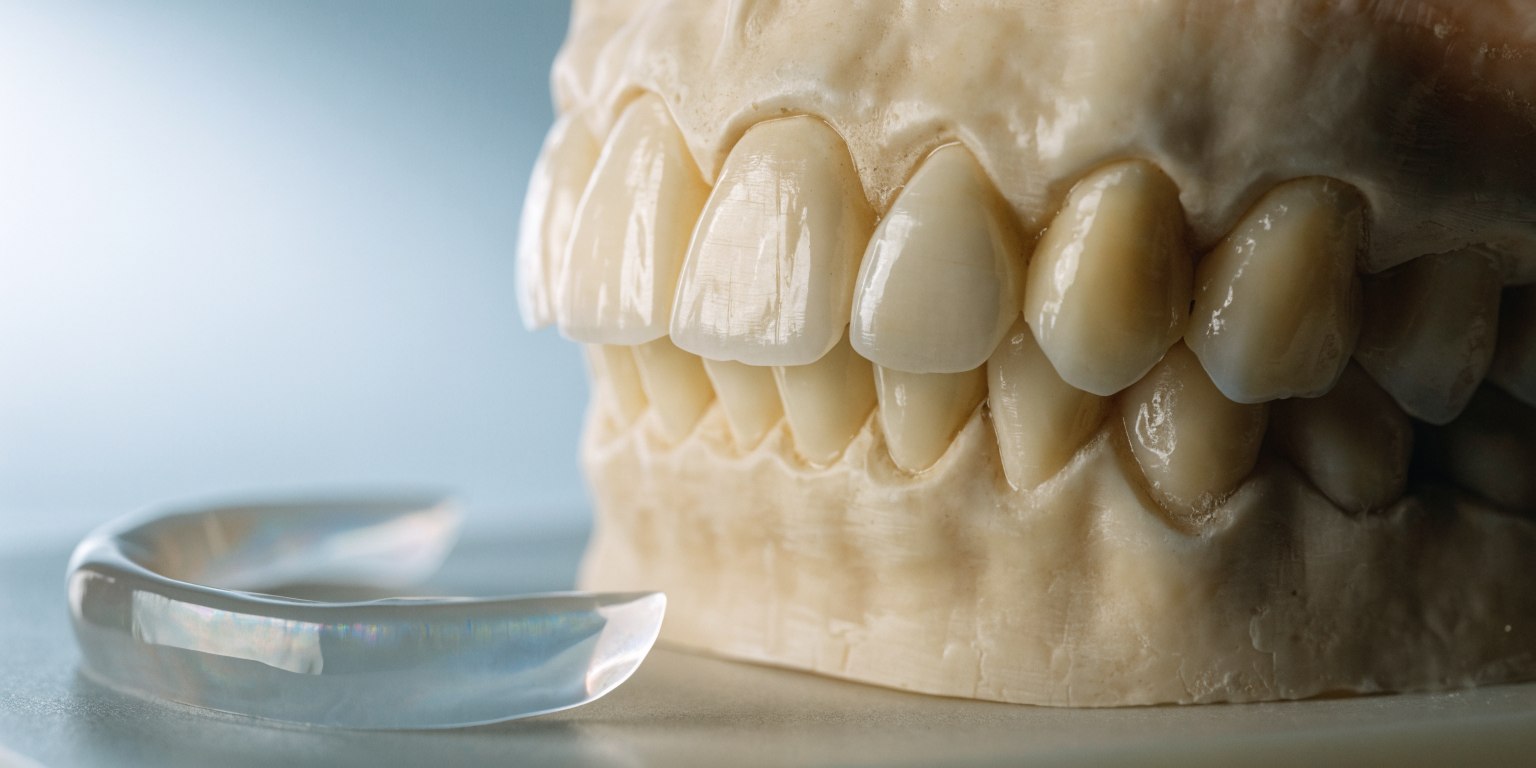
The method depends on the restoration and clinical situation. Conventional ceramic removal can involve cutting or sectioning the material with dental instruments. Some clinicians use suitable erbium lasers to assist debonding, which means releasing the restoration from its attachment. [6]
These are professional procedures, and preserving the underlying tooth is a priority. Removal can damage remaining tooth structure, so claims of guaranteed zero damage deserve caution. [6]
Can laser removal make veneers reversible?
No removal technique can replace enamel already taken away during preparation. Laser assistance may help remove certain restorations, but it does not undo the original treatment.
A systematic review of four laboratory studies reported favourable enamel-surface findings after erbium laser debonding. Because these were in vitro studies, conducted outside the living mouth, the findings should not be treated as proof of a risk-free result for every patient. [7]
Ask which method is appropriate for your veneer and why. Availability of a particular device is less informative than a clear explanation of the expected benefits, limitations and plan afterwards.
What happens to your teeth after removal?
The next step depends on what remains underneath. A dentist needs to assess the tooth itself, existing restorations and any disease before deciding how to restore it.
A further veneer may be considered where appropriate. A tooth with substantial structural loss may need a different restoration; the Canadian Dental Association notes that a crown may be needed when a large portion of a tooth is missing. This does not mean every removed veneer must be replaced with a crown. [3]
Before treatment, clarify:
- Whether a replacement restoration is expected.
- Whether temporary coverings will be needed between appointments.
- What could change the plan after the old material is removed.
- How comfort, appearance and eating will be managed while treatment is incomplete.
Temporary veneers can be used during staged porcelain treatment. They are an interim part of a dental plan, rather than a way to restore enamel that has already been removed. [3]
Is complete removal always necessary?
No. A small defect or an appearance concern does not automatically require replacing the entire veneer. FDI World Dental Federation recommends assessing repair individually and identifying the cause of a defective restoration before treatment. [8]
Surface refurbishment may address some superficial staining or irregularities. Selected defects may be repaired, while more extensive problems may justify replacement. Suitability depends on the material, tooth and defect. [8]
If you dislike the shape or colour, explain precisely what concerns you. Ask whether the proposed change requires removal and what its effect on the tooth would be. Replacement can involve additional loss of sound tooth tissue, which is one reason to consider conservative options first. [8]
What should you ask before getting veneers?
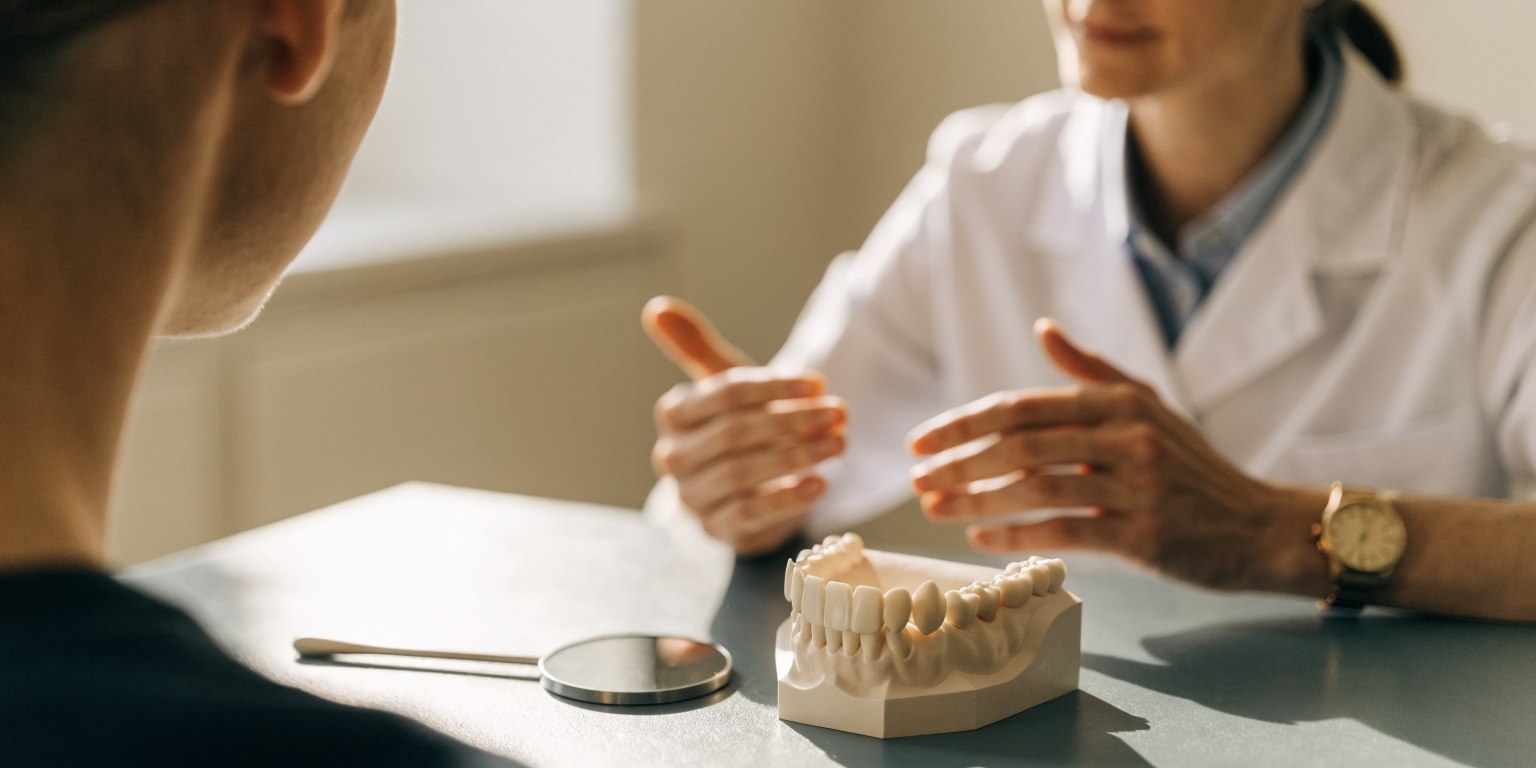
Ask for a plan that explains the lasting changes and future choices for each tooth. For UK practitioners, the General Dental Council’s consent standards require discussion of relevant options, risks, benefits and costs, with time for patients to consider the information. These are useful topics to raise wherever you seek care. [9]
Bring these questions to your consultation:
- What change am I trying to achieve? Identify whether the concern is colour, position, shape or damage.
- Which teeth need treatment? Ask for a reason for each proposed restoration.
- What will be removed? Request an explanation of the preparation and whether it is expected to stay within enamel.
- What would removal mean later? Ask what replacement or other treatment might be needed.
- What alternatives fit my goal? Include the option of postponing elective cosmetic treatment.
- What will future care involve? Discuss reviews, repairs, replacement costs and any written guarantee exclusions.
If travelling for treatment, also establish who will assess concerns after you return home and how your records can be shared. A preliminary quotation should leave room for an examination and an informed decision before irreversible work starts.
Could another treatment meet your goal?
Whitening changes tooth colour, while orthodontic treatment moves teeth. These address different concerns from veneers. [5] Local composite bonding may suit selected chips, small gaps or shape changes. [3]
Ask which option addresses your actual concern with an acceptable level of intervention. None is suitable for every patient, and a cosmetic concern does not automatically require treatment.
If you already want your veneers removed
Arrange a dental assessment and explain whether the problem is appearance, discomfort, damage or concern about the original treatment. Bring previous records if available, including the material used and any preparation information.
If something feels wrong with an existing veneer, contact your dentist rather than waiting for a planned cosmetic appointment. [2] Severe toothache, swelling or fever warrants urgent dental assessment. Difficulty breathing or swallowing, or extensive swelling in the mouth, requires emergency medical attention. [10]
Frequently asked questions
Can I remove veneers at home?
Bonded veneers require professional dental care. Do not try to pull, file or dissolve them yourself. Removable clip-on appliances are a separate product category. [1,2]
Can veneers be removed without replacing them?
Possibly in selected circumstances, but this cannot be determined from the material name alone. Have a dentist assess the original preparation and remaining tooth before planning to leave it without a restoration.
Does veneer removal hurt?
Ask what pain control, including local anaesthesia if appropriate, is planned for your procedure. Comfort needs depend on the tooth and treatment; a promise that removal is always painless would be misleading.
Can I have only one veneer removed?
Ask for a tooth-by-tooth assessment. A concern involving one veneer does not by itself establish a reason to remove all the others. Any wider treatment proposal should have a clear clinical or aesthetic explanation.
Are removable veneers a reversible version of porcelain veneers?
They are a different type of appliance. Clip-on coverings can be taken out, but they do not function identically to bonded restorations and may affect eating or speech. Discuss their suitability with a dentist. [2]
Discuss the long-term commitment with Niva Dental
Before choosing treatment at Niva Dental / Niva Aesthetic in Bakırköy, Istanbul, ask about tooth preservation, alternatives and what future removal or replacement could involve. The Niva veneer treatment page provides a starting point for that discussion.
This content is for general information and does not replace a personal dental examination or treatment recommendation.
Sources
- American Dental Association, MouthHealthy. Veneers. Patient information.
- Cleveland Clinic. Veneers. Patient information.
- Canadian Dental Association. Bonding & Veneers. Patient information.
- Villalobos-Tinoco J, et al. A Narrative Review and Clinical Study on Er:YAG Laser Debonding of Ceramic and Composite Veneers. Biomimetics, 2025. PubMed.
- NHS. Dental treatments. Patient information.
- Deeb JG, et al. Erbium laser-assisted ceramic debonding: a scoping review. Journal of Prosthodontics, 2022. Full article.
- Do erbium lasers promote changes in the tooth enamel during debonding of ceramic laminate veneers? A systematic review. Lasers in Medical Science, 2023. PubMed.
- FDI World Dental Federation. Repair of Restorations. Policy statement, 2019. Policy statement.
- General Dental Council. Standards for the Dental Team: Obtain valid consent. Professional standards.
- NHS. Dental abscess. Symptoms and urgent-care guidance.