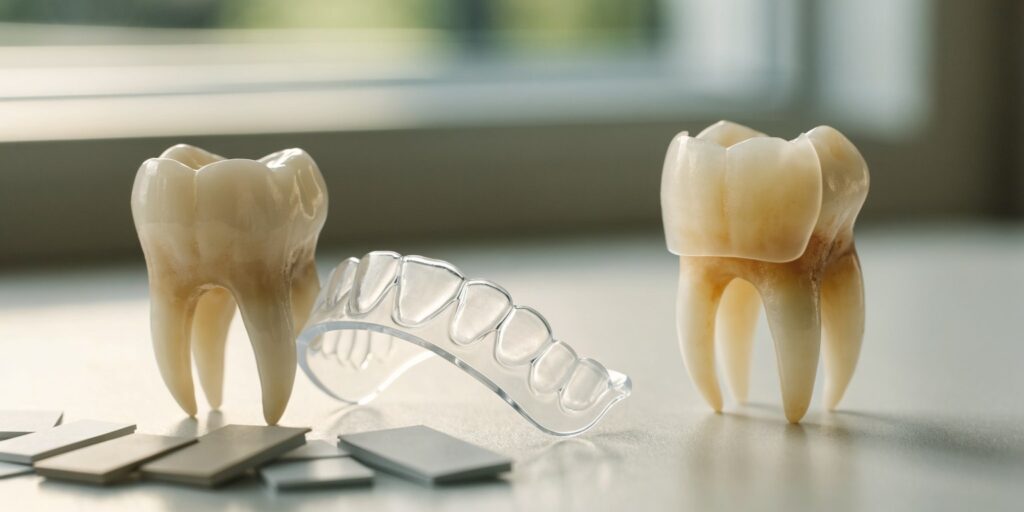


Learn how long porcelain and composite veneers can last, what affects their lifespan, and when polishing, repair or replacement may be needed.


How long do veneers last? Many porcelain veneers remain functional for 10 years or longer, while composite veneers generally need more maintenance and may need replacing sooner. Neither material has a guaranteed lifespan. Research supports long-term porcelain veneer survival, but an individual result depends on the tooth, treatment and subsequent care. [1,2]
A veneer covers the front of a natural tooth. [8] Its age is only part of the picture: a newer veneer may need attention after damage, while an older one may still be serviceable. The useful question is whether the veneer and underlying tooth remain healthy, comfortable and functional.
Porcelain and composite veneer lifespan: what can you expect?
Porcelain and composite should not be given the same maintenance expectations. The American Dental Association describes composite as easier to repair but less resistant to staining and wear than porcelain. [3]
| Veneer type | What the evidence supports | What to plan for |
|---|---|---|
| Porcelain or ceramic veneers | Many remain in service beyond a decade; a systematic review estimated 95.5% cumulative survival at 10 years. [1] | Ongoing checks and possible treatment for damage or problems affecting the supporting tooth. |
| Composite resin veneers | A systematic review included studies with mean follow-up periods ranging from 24 to 97 months. Surface roughness, colour mismatch and staining at the edges were common complications. [4] | Polishing, local repairs or eventual replacement, according to condition. |
These research periods are not replacement deadlines. Nor can results from separate reviews be treated as a direct comparison: their patients, methods and definitions differ.
A practice-based study following ceramic and direct composite veneers for up to 10 years found better survival for ceramic restorations. Because it was observational, it does not establish how long either material will last for a particular patient. [2]
For a material-specific discussion, see Niva’s guide to how long E-max veneers last.
Does “survival” mean no problems or repairs?
Not necessarily. In the practice-based study, researchers distinguished veneers that remained successful without repair from veneers that had been repaired and were still present. Both situations differ from replacement. [2]
When a clinic discusses a lifespan or success rate, ask:
- Does the figure refer to individual veneers or whole smiles?
- Were repaired veneers counted as surviving?
- How long were patients actually followed?
- Does the evidence apply to the material and treatment being proposed?
A percentage can describe a study population. It cannot tell you the year your own veneer will need replacing.
What affects how long your veneers last?
The supporting tooth and the forces placed on it matter alongside the veneer material. Longevity should therefore be discussed during assessment, rather than presented as a property of a product alone.
Tooth condition and treatment planning
Healthy teeth and gums are essential foundations. Veneers do not prevent cavities beneath or around their edges, and existing decay or gum disease needs treatment before veneers are placed. [3]
Preparation also matters. A systematic review of ceramic veneers bonded to different surfaces found more favourable outcomes when bonding predominantly to enamel than to more extensively exposed dentin, the layer beneath enamel. This supports preserving tooth structure where clinically feasible; it does not mean every veneer bonded partly to dentin will fail. [5]
Ask your dentist how existing fillings, tooth wear and any previous treatment affect your options. A proposed material should come with an explanation of why it suits your teeth.
Grinding, clenching and repeated loading
Bruxism means grinding or clenching the teeth, during sleep or while awake. It can damage teeth and restorations. Jaw tiredness, tooth wear or a partner noticing grinding are reasons to discuss assessment with a dentist. [6]
A long-term porcelain veneer study found increased failure risk in patients with bruxism. That association is a reason to assess and manage risk, not a prediction that every person who grinds will lose their veneers. [7]
A dentist may recommend an appliance to separate and protect the teeth. A guard does not guarantee a particular veneer lifespan or necessarily stop the underlying grinding. [6]
Why might veneers need repair or replacement?
Changes in a veneer can involve its surface, its attachment or the natural tooth underneath. The cause determines the next step; appearance alone cannot establish a diagnosis.
| Change you notice | What needs checking |
|---|---|
| A chipped or cracked edge | How much material is damaged and whether the tooth is involved. |
| A veneer feels loose or comes off | The attachment, remaining veneer and condition of the tooth. |
| Roughness or a stained border | Whether the issue is superficial or extends into a defect. |
| New sensitivity, discomfort or a changed bite | The tooth and bite, rather than assuming normal ageing. |
Veneers can chip, wear or loosen, and professional rebonding, repair or replacement may be required. [3] If removal is being considered, see can veneers be removed? A new problem deserves a dental review even if the veneer was fitted recently. Cleveland Clinic advises contacting a dentist when an existing veneer does not feel right. [8]
Can a veneer be repaired instead of replaced?
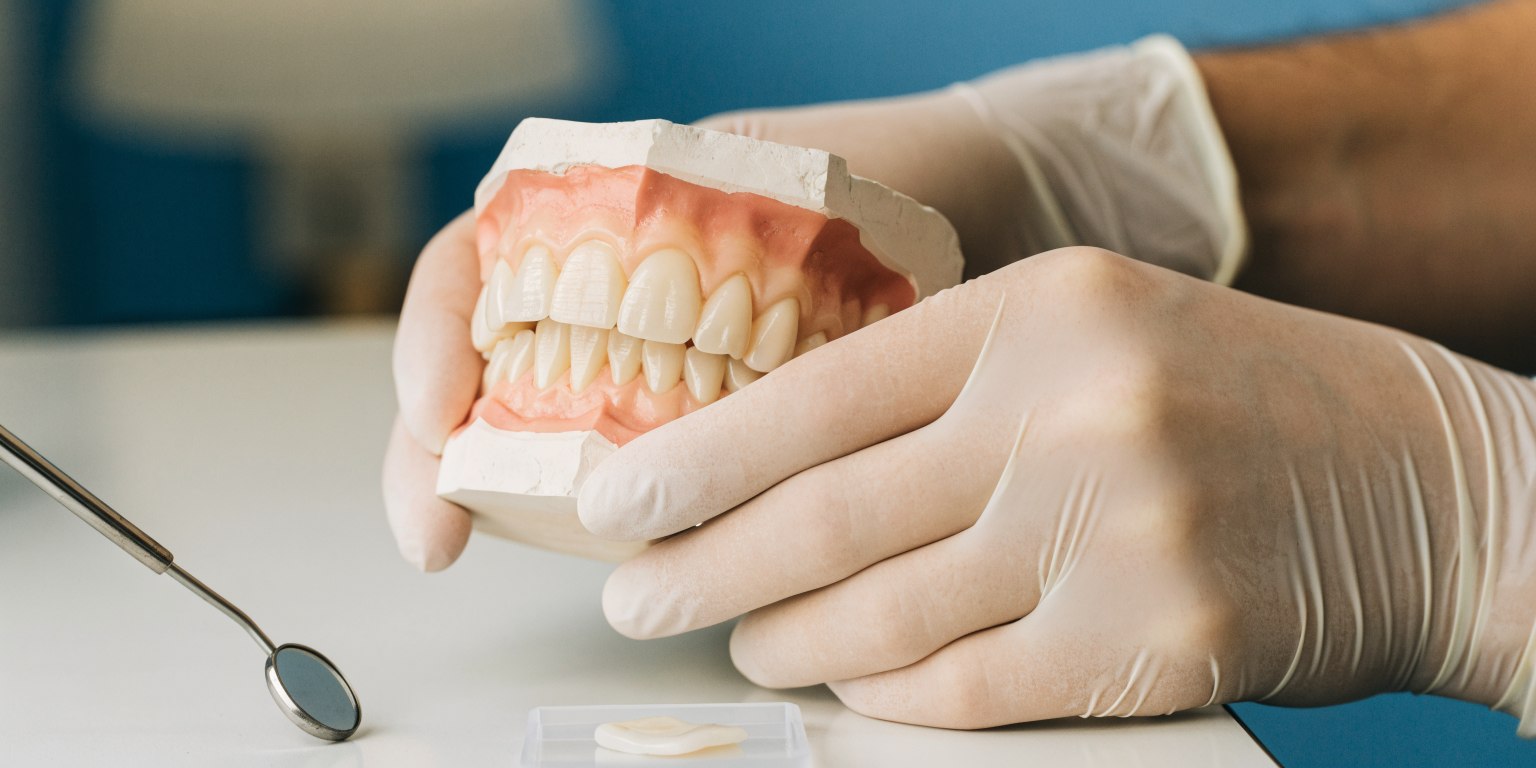
Sometimes. FDI World Dental Federation recommends case-by-case assessment and identifying the underlying cause. Options include: [9]
- Polishing or refurbishment: improving superficial staining or surface irregularities.
- Local repair: adding material to correct a suitable, limited defect.
- Replacement: removing a restoration when its condition cannot be adequately managed conservatively.
Repair can preserve tooth structure, but suitability depends on the material, defect and tooth. [9]
Before agreeing to replacement, ask: “What finding makes replacement necessary, and is a smaller intervention reasonable?”
Daily care that supports veneer longevity
The core routine is familiar: brush twice daily with fluoride toothpaste and clean between the teeth every day. Avoid nail-biting and chewing hard objects, and wear suitable mouth protection for activities with a risk of dental injury. [3]
Use a soft toothbrush and a non-abrasive fluoride toothpaste. Continue regular examinations and professional cleaning; ask your dentist which products suit your restorations. [8]
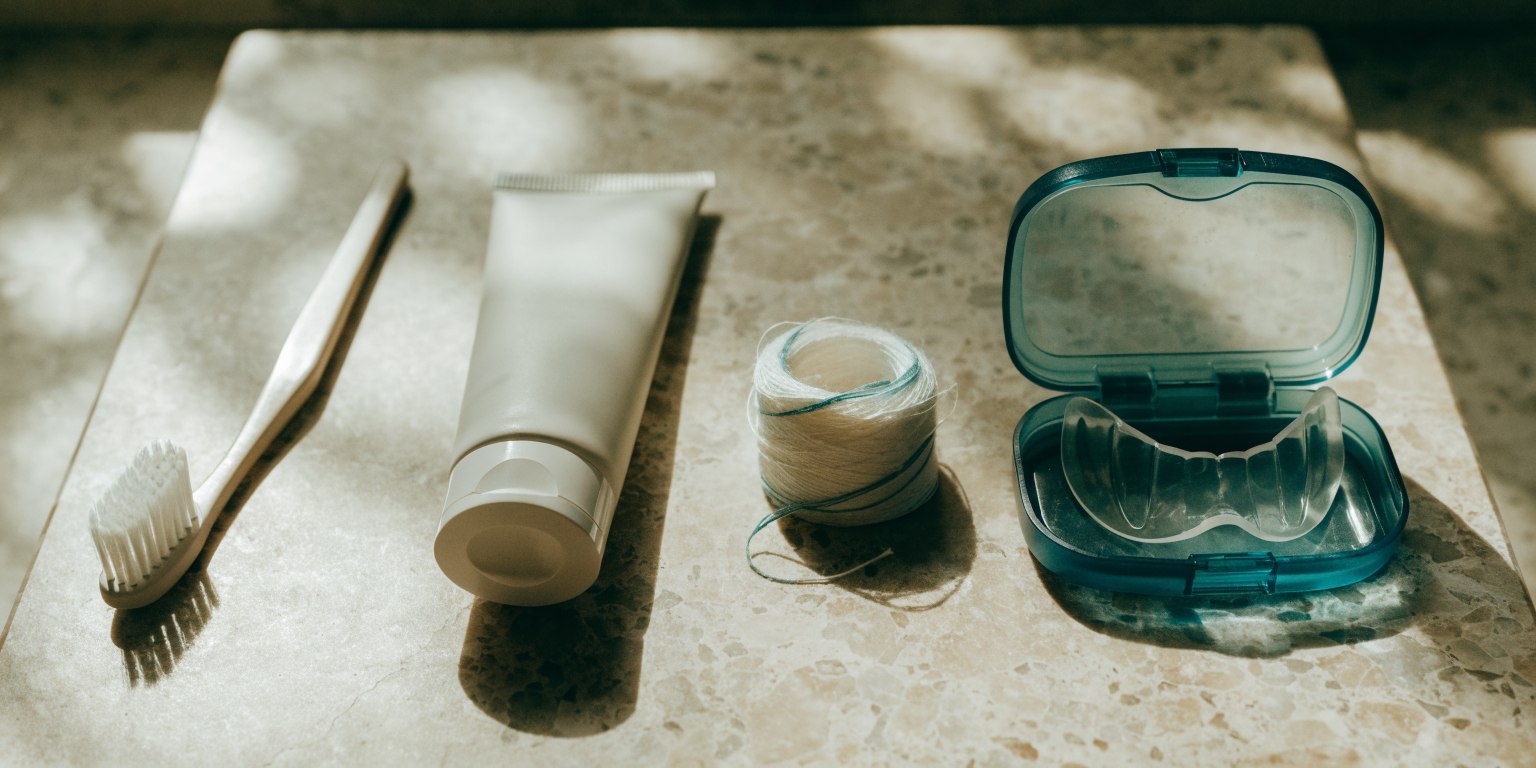
At check-ups, mention changes in comfort, appearance or chewing rather than waiting for something to break. If you have a prescribed guard, bring it when requested so its condition and fit can be reviewed.
When should you contact a dentist promptly?
Contact your dentist if a veneer becomes loose, breaks, develops a sharp edge or is associated with persistent pain or sensitivity. These changes need assessment; they do not establish a particular diagnosis. [8]
Severe toothache, swelling, fever or a bad taste may indicate infection and warrant urgent dental care. Difficulty breathing or swallowing, or extensive mouth swelling, requires emergency medical attention. [10]
Planning for future replacement
Treat veneers as a long-term care commitment. Where enamel has been removed, that alteration is irreversible even though the restoration itself may eventually need renewing. [3]
If replacement is proposed, request a written plan explaining:
- Which teeth need treatment and why. Ask for the reason for each proposed replacement.
- What the alternatives are. Include repair or monitoring where clinically appropriate.
- What the process involves. Ask about visits, temporary restorations and any treatment needed underneath.
- What the quote includes. Clarify removal, new restorations, laboratory work and follow-up charges.
- Who provides ongoing care. If travelling for treatment, establish how reviews and unexpected problems will be handled after returning home.
Keep a record of the placement date, material and subsequent repairs. This gives a future treating dentist useful context without assuming that age alone determines treatment.

Frequently asked questions
Can porcelain veneers last 20 years?
Some can. A clinical study evaluated porcelain veneers over follow-up periods of up to 20 years and reported surviving restorations at that point. This shows that long service is possible, not that every veneer will reach that age. [7]
Do veneers need replacing every 10 years?
There is no automatic ten-year replacement rule. An examination should establish whether treatment is needed. Long-term research includes porcelain veneers surviving beyond that point. [1,7]
Can composite veneers last longer if they are maintained?
Some veneers remain serviceable after maintenance or repair. This does not establish how many extra years any individual restoration will last. [4]
Can whitening refresh older veneers?
Whitening does not change the colour of existing veneers. It can lighten natural teeth and create a mismatch, so discuss shade concerns with a dentist before whitening. [11]
Does a small stain mean the veneer has failed?
Not necessarily. Superficial staining may be manageable through professional refurbishment, while deeper staining or associated defects may require other treatment. A dental examination distinguishes these situations. [9]
Discuss your long-term veneer plan with Niva Dental
Considering veneers at Niva Dental / Niva Aesthetic in Bakırköy, Istanbul? Explore the veneer treatment page and ask how material choice, tooth preservation and future maintenance would be addressed in your individual plan.
This article provides general information and does not replace a personal dental examination or treatment recommendation.
Sources
- Alenezi A, et al. Long-Term Survival and Complication Rates of Porcelain Laminate Veneers in Clinical Studies: A Systematic Review. Journal of Clinical Medicine, 2021. PubMed.
- 10-year practice-based evaluation of ceramic and direct composite veneers. Dental Materials, 2022. ScienceDirect.
- American Dental Association, MouthHealthy. Veneers. Patient information.
- Lim TW, et al. Survival and complication rates of resin composite laminate veneers: A systematic review and meta-analysis. Journal of Evidence-Based Dental Practice, 2023. University of Hong Kong research record.
- Clinical survival and complication rate of ceramic veneers bonded to different substrates: A systematic review and meta-analysis. Journal of Prosthetic Dentistry. PubMed.
- National Institute of Dental and Craniofacial Research. Bruxism. Patient information.
- Beier US, et al. Clinical performance of porcelain laminate veneers for up to 20 years. International Journal of Prosthodontics, 2012. PubMed.
- Cleveland Clinic. Veneers. Patient information.
- FDI World Dental Federation. Repair of Restorations. Policy statement, 2019. Policy statement.
- NHS. Dental abscess. Symptoms and urgent-care guidance.
- Leeds Teaching Hospitals NHS Trust. Tooth Whitening. Patient information.