


Natural Hollywood Smile results depend on tooth shape, shade, translucency, texture, smile line, gum display, facial proportions, and treatment planning.

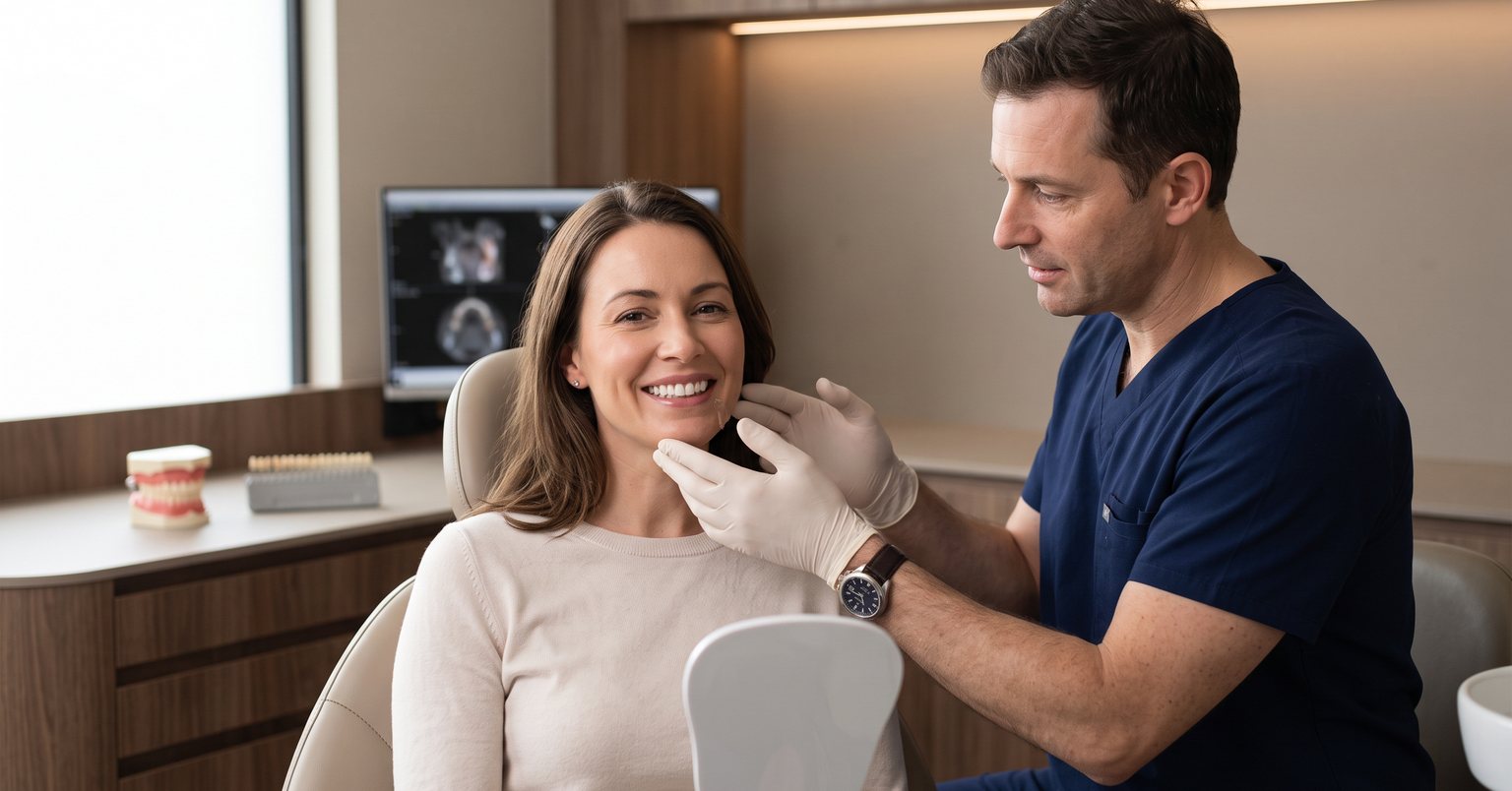
Yes, a Hollywood Smile can look natural. Natural appearance depends on shape, proportions, shade, translucency, texture, smile line, gums, facial context, material choice and patient preference. The whitest possible shade is not automatically the most natural, but a bright shade is not automatically artificial either.
For the broader treatment concept, see Niva’s Hollywood Smile in Turkey page.
Natural Hollywood Smile: Quick Answer
| Design Factor | Why It Matters |
|---|---|
| Shade | Controls brightness and color harmony |
| Shape | Influences character and facial harmony |
| Width-to-length proportions | Affect whether teeth look balanced or bulky |
| Translucency | Adds optical depth but must suit the underlying tooth |
| Surface texture | Changes how light reflects from the restoration |
| Incisal edge | Influences natural detail and tooth length |
| Smile line | Connects teeth with lip movement |
| Gum display | Frames visible tooth proportions |
| Facial proportions | Prevents isolated tooth design |
| Material | Affects optical and structural behavior |
| Patient preference | Defines whether the goal is subtle, bright, or somewhere between |
Can a Hollywood Smile Really Look Natural?
Yes. A Hollywood Smile can look natural when the smile is designed for the individual patient rather than around one standard shade or tooth form.
Niva’s current Hollywood Smile guidance describes natural smile planning using facial proportions, lip movement, smile width, tooth dimensions, translucency, texture, gum display, surrounding teeth and desired brightness.
Why Do Some Hollywood Smiles Look Artificial?
Possible contributors include very uniform color, excessive opacity or thickness, identical tooth shapes, flat surfaces, poor proportions, abrupt transitions to untreated teeth, or weak harmony with lips and gums. These are aesthetic observations, not automatic proof of poor dentistry.
Is a Hollywood Smile Supposed to Be Extremely White?
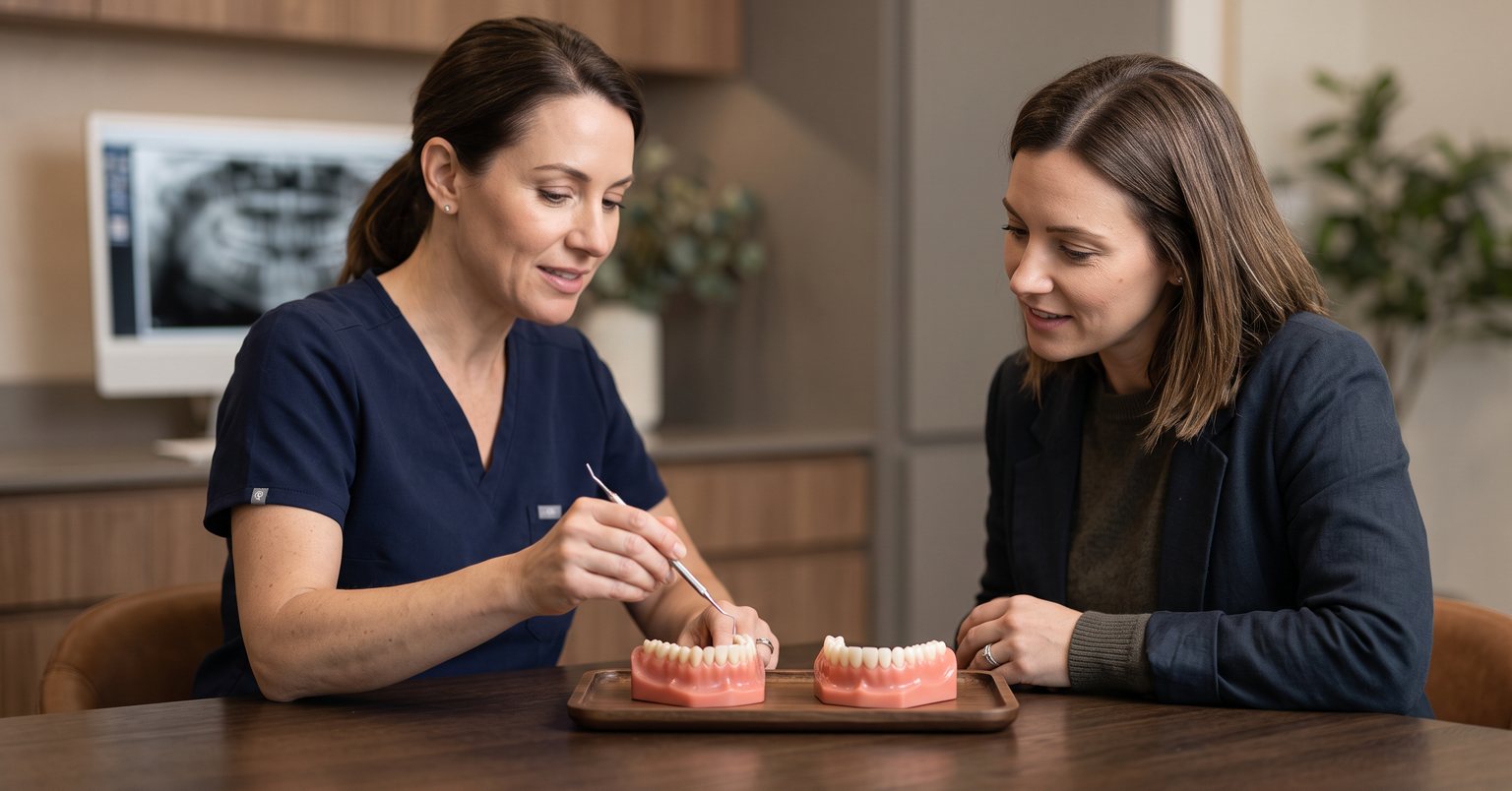
No. Hollywood Smile is a smile-design concept, not one fixed shade.
Some patients prefer a very bright result; others prefer softer white or more natural character. The direction should reflect the whole smile, clinical limits and patient preference.
What Tooth Shade Looks Most Natural?
There is no universally natural veneer or crown shade.
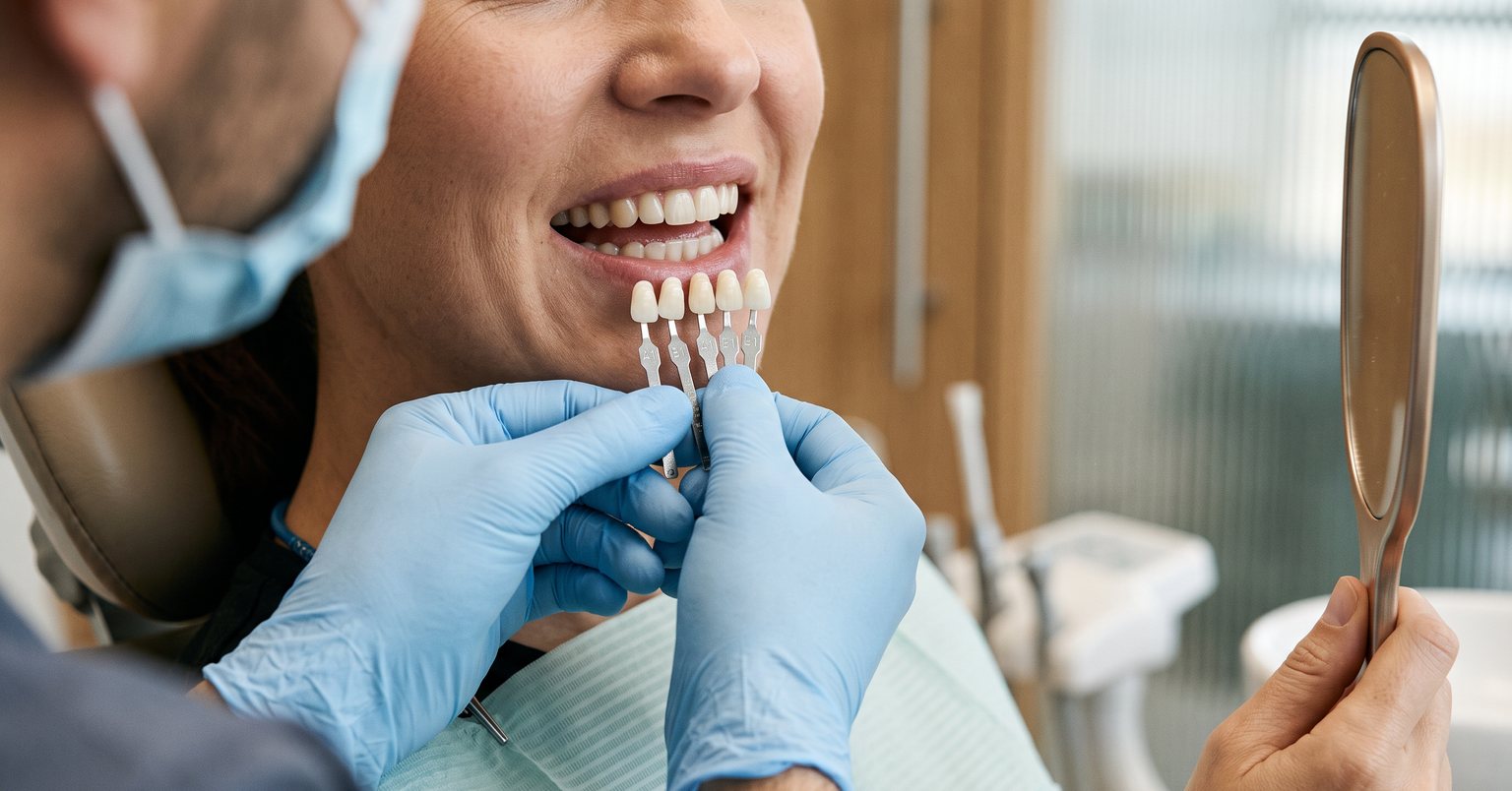
Shade selection may consider neighboring teeth, desired brightness, facial contrast, lighting, material, translucency, underlying tooth color and treatment scope. A single restoration often needs different shade logic from a full anterior makeover.
A1, B1, BL1 or BL2: Which Shade Is Best for a Hollywood Smile?
None is universally best.
| Shade Family | General Visual Direction | Important Consideration |
|---|---|---|
| A1 | Light natural-tooth family | Can look soft or bright depending on material and context |
| B1 | Bright natural-tooth family | Appearance still depends on translucency and surrounding teeth |
| BL1 | Very bright bleach family | Can look harmonious in some full-smile designs and too bright in others |
| BL2 | Bright bleach family | Facial context, tooth count and optical design still matter |
The shade label alone does not determine whether the final result looks natural.
Niva also publishes a dedicated porcelain crown shade-selection guide. This article does not duplicate that topic.
What Is Tooth Translucency?
Translucency describes how much light passes through and scatters within a dental material rather than being fully blocked or fully transmitted.
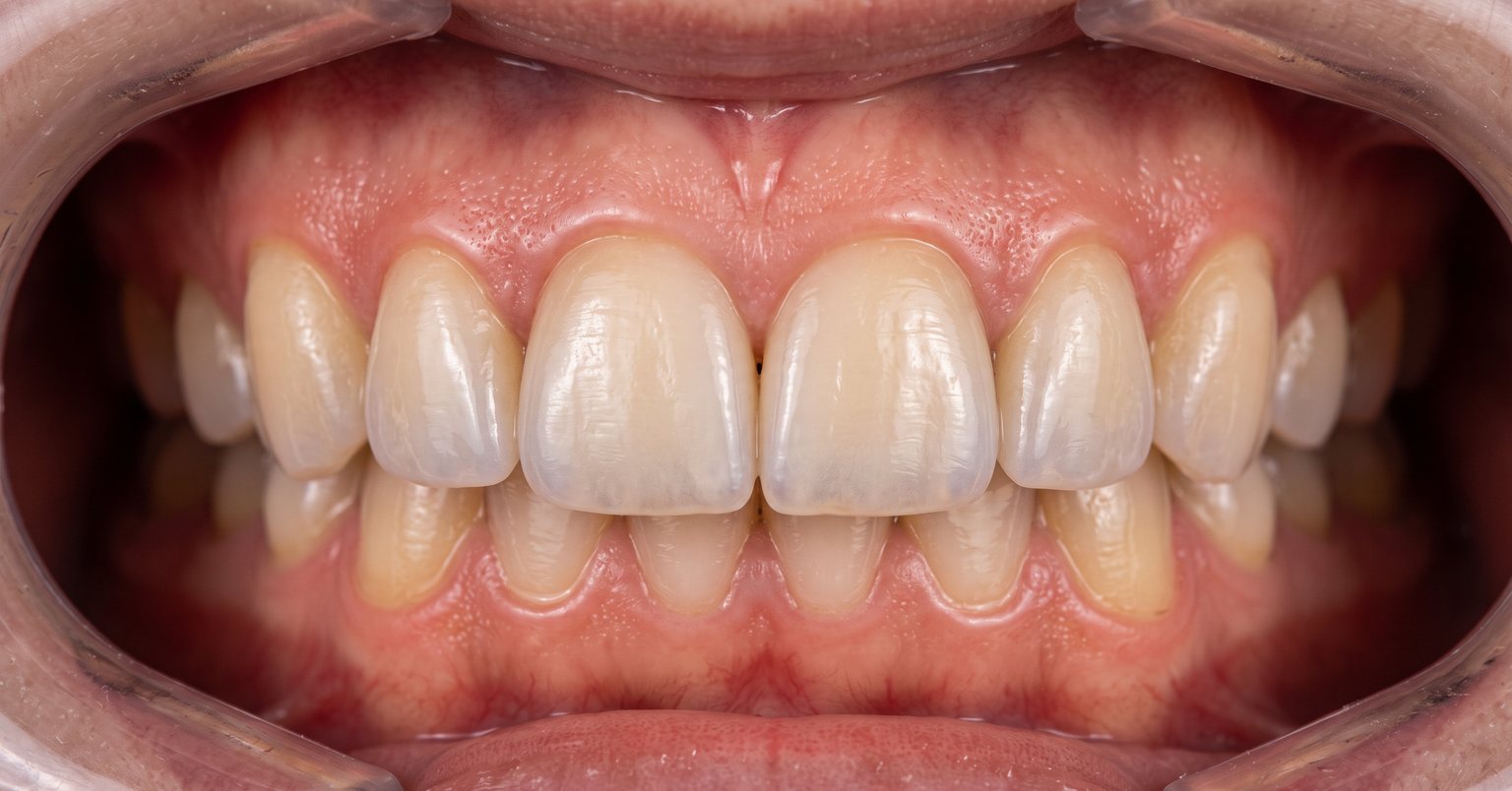
Natural enamel has complex optical behavior. Controlled ceramic translucency can add visual depth, but translucency is not an aesthetic goal by itself.
Why Does Translucency Matter in a Natural Hollywood Smile?
Controlled translucency can add depth, but more translucency is not always better.
Final appearance also depends on thickness, underlying tooth color, cement, masking needs and ceramic system. Research confirms that substrate color and cement shade can alter the optical result, so darker underlying teeth may require more masking.
What Makes a Veneer Look Natural?
A natural-looking veneer depends on shade, translucency, thickness, contour, proportions, texture, incisal detail, margins, gums and how it blends with neighboring teeth.
The American Dental Association’s official veneer guidance describes veneers as custom-made, natural-looking coverings and notes that shade is selected to work with the patient’s natural teeth.
What Makes a Crown Look Natural?
A crown can also look natural when it is correctly designed and clinically appropriate.
Natural crown appearance depends on material, shape, contour, shade, translucency, surface finish and gum relationship. A crown is not automatically less natural-looking than a veneer.
E-max vs Zirconia: Which Looks More Natural?
There is no universal winner.
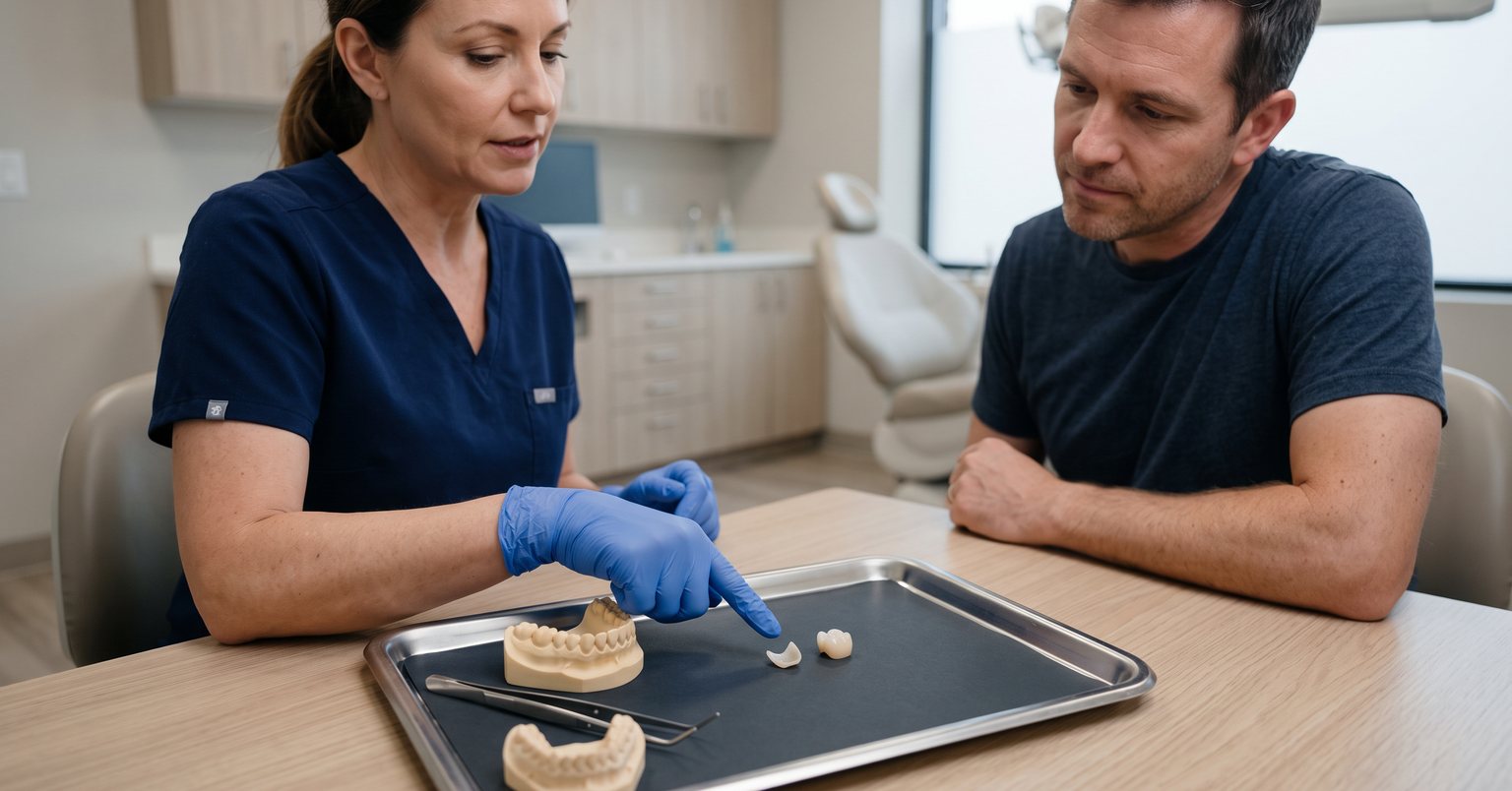
Lithium-disilicate ceramics such as E-max and modern zirconia materials have different optical and mechanical characteristics.
Systematic reviews show that zirconia translucency varies by material generation, composition and thickness, while lithium-disilicate optics also vary with thickness and substrate. Material selection should follow tooth condition, restoration type, masking needs, bite and aesthetic goals.
Niva publishes an E-max veneer page, but a patient’s material choice still requires dental assessment.
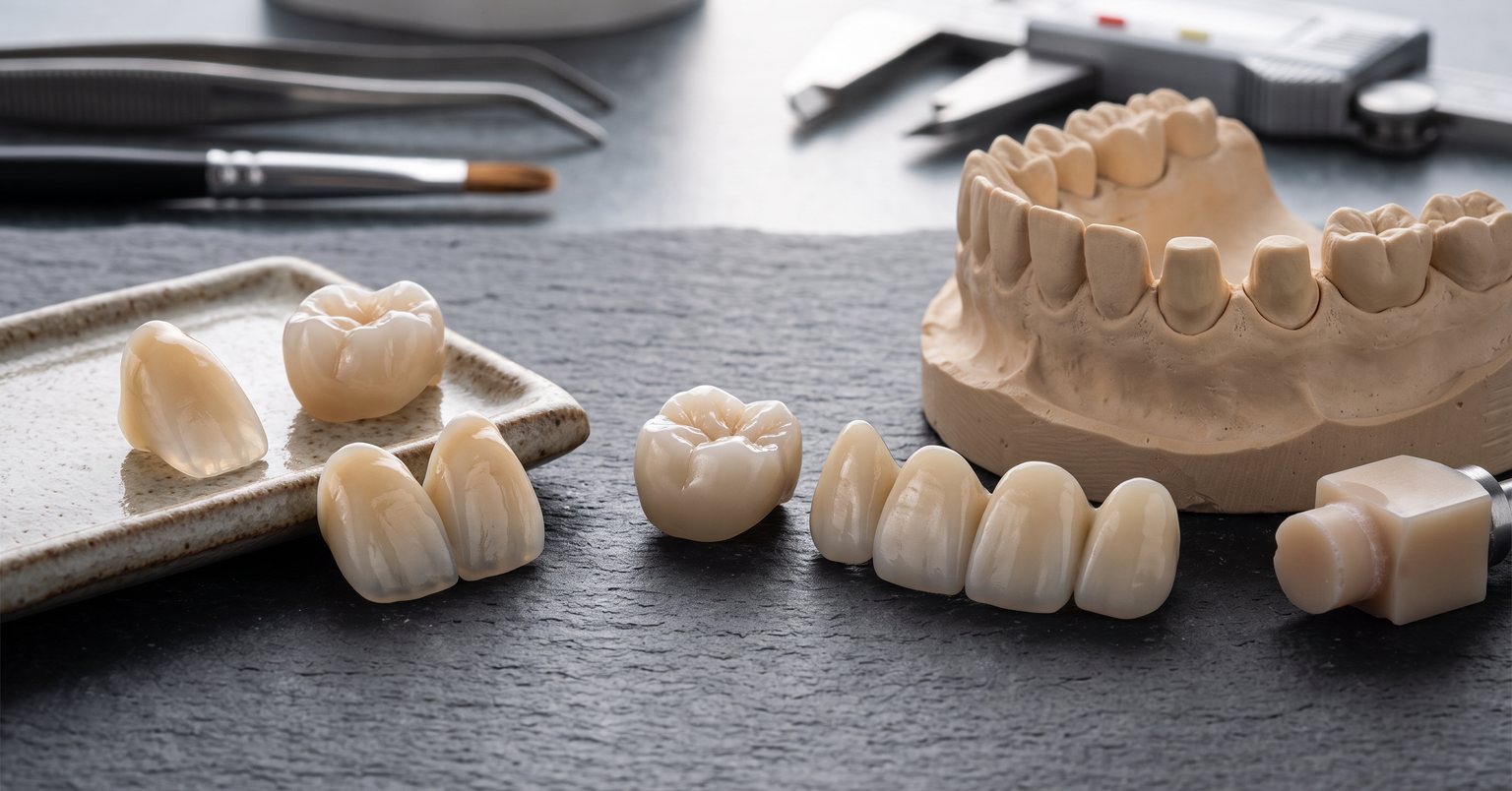
Does Tooth Shape Affect How Natural a Hollywood Smile Looks?
Yes. Tooth shape affects the personality and balance of the smile.
Natural teeth vary in line angles, incisal form and width. Copying the same outline across every front tooth can look less natural than respecting individual anatomy.
How Is Tooth Shape Chosen?
Tooth shape may consider existing anatomy, facial proportions, lips, smile width, neighboring teeth, function and patient preference. There is no automatic algorithm that identifies one correct shape.
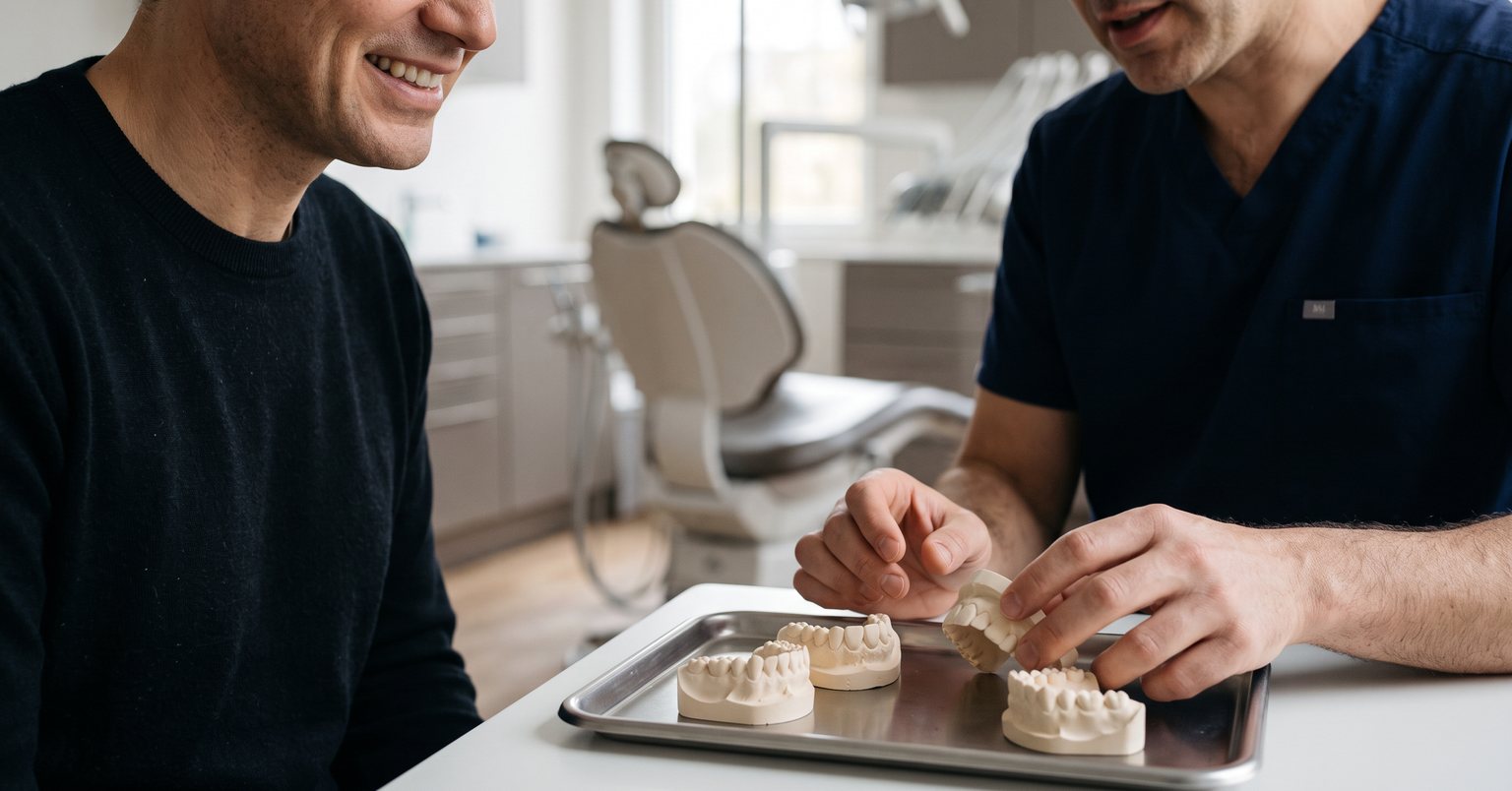
Does Face Shape Determine Tooth Shape?
No. Face shape may be one visual reference, but it does not dictate one tooth shape.
Rigid rules such as “square face = square teeth” oversimplify smile design.
The face, lips, smile dynamics and patient preference should be evaluated together.
How Do Tooth Width and Length Affect a Natural Smile?
Width and length strongly influence whether a tooth looks balanced, bulky, narrow, long or short.
Tooth proportions should be judged within the complete smile because the same dimensions can look different across faces and smile widths.
Is There a Perfect Tooth Ratio?
No single mathematical ratio guarantees a natural or attractive smile.
A systematic review found substantial variation in natural dentition and no universal mathematical formula for aesthetic success. Proportional guides are starting points, not prescriptions.
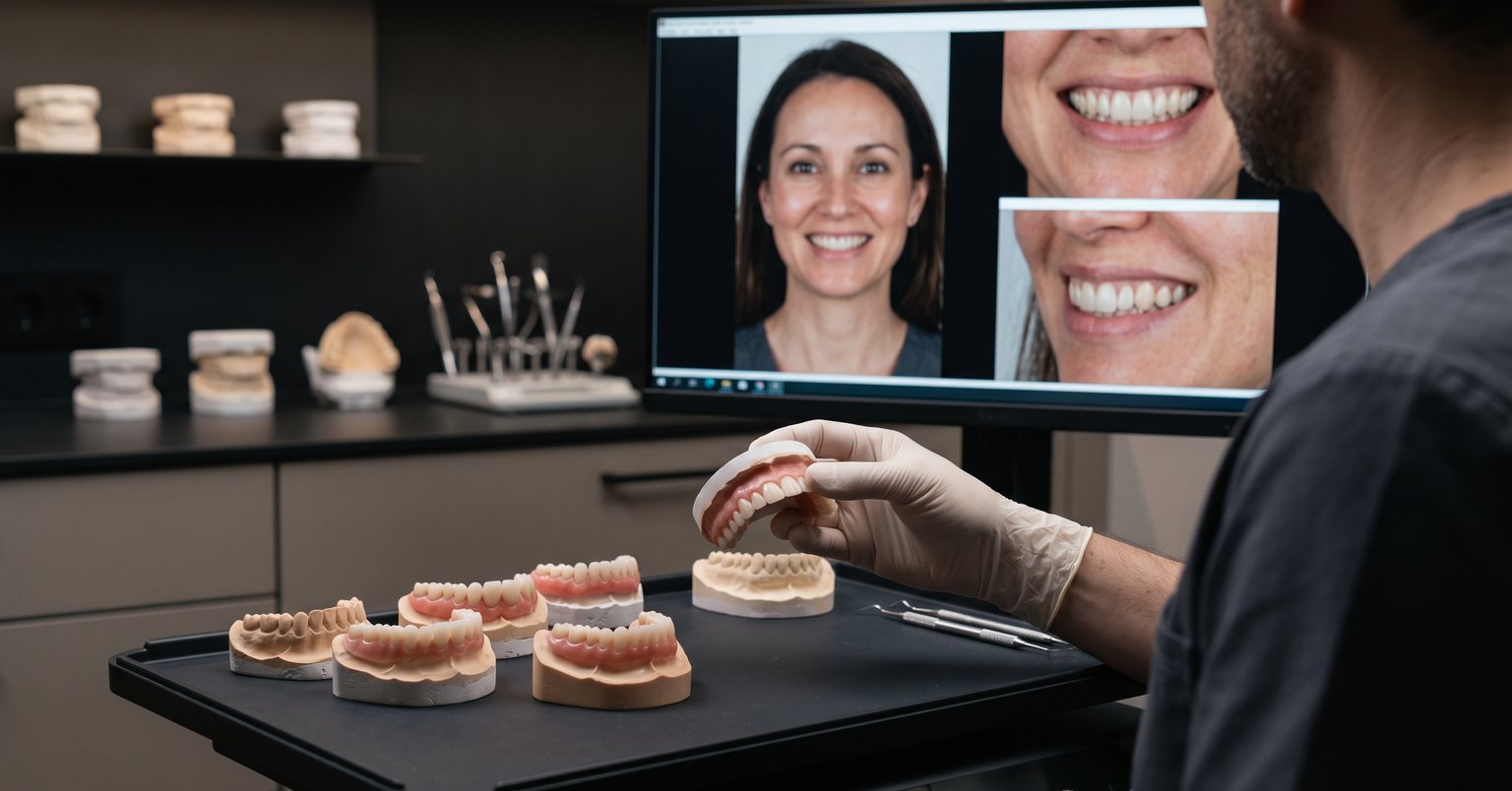
What Is Surface Texture and Why Does It Matter?
Natural teeth are not perfectly flat, glass-like surfaces.
Subtle line angles, luster and microtexture influence light reflection. Appropriate finishing can add visual complexity that resembles natural enamel.
Should Hollywood Smile Teeth Be Perfectly Symmetrical?
Not necessarily.
A harmonious smile benefits from balance, but natural teeth are not identical clones. Small variations can contribute to realism without making deliberate asymmetry a rule.
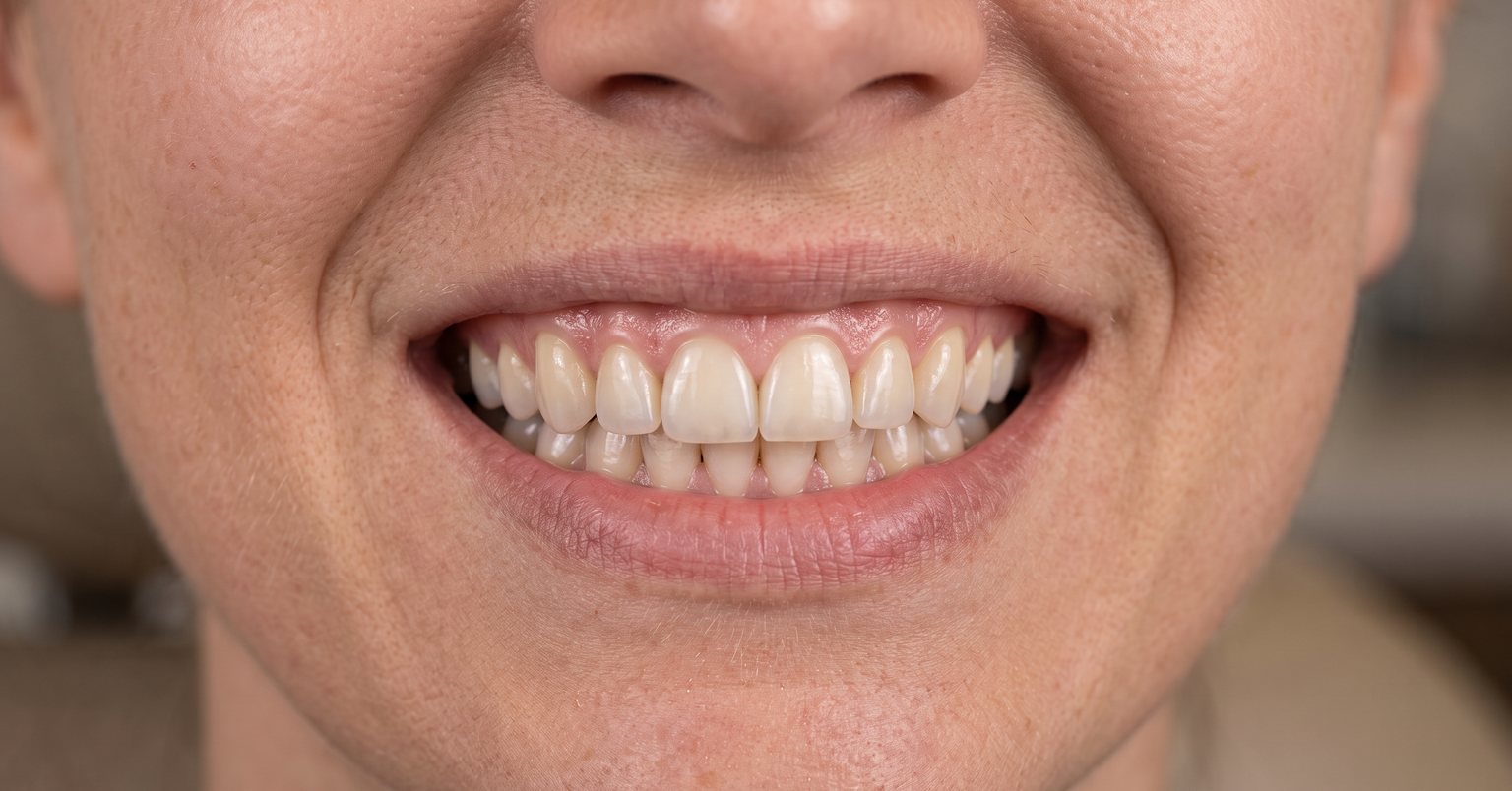
What Role Does the Smile Line Play?
The smile line describes the relationship between the visible teeth and the lips during smiling.
It affects tooth display, the relationship with the lower lip, smile width and appearance during movement. Smile design should be assessed in the moving face, not only as isolated teeth.
How Does Gum Display Affect a Natural Hollywood Smile?
The gums frame the teeth, so gum health and gingival levels can affect visual balance.
Important factors include gum symmetry, inflammation, gingival levels, tooth length and visible gum display. Visible gums do not automatically require treatment.
Niva has separate information on gummy smile treatment.
Do Lips Affect Hollywood Smile Design?
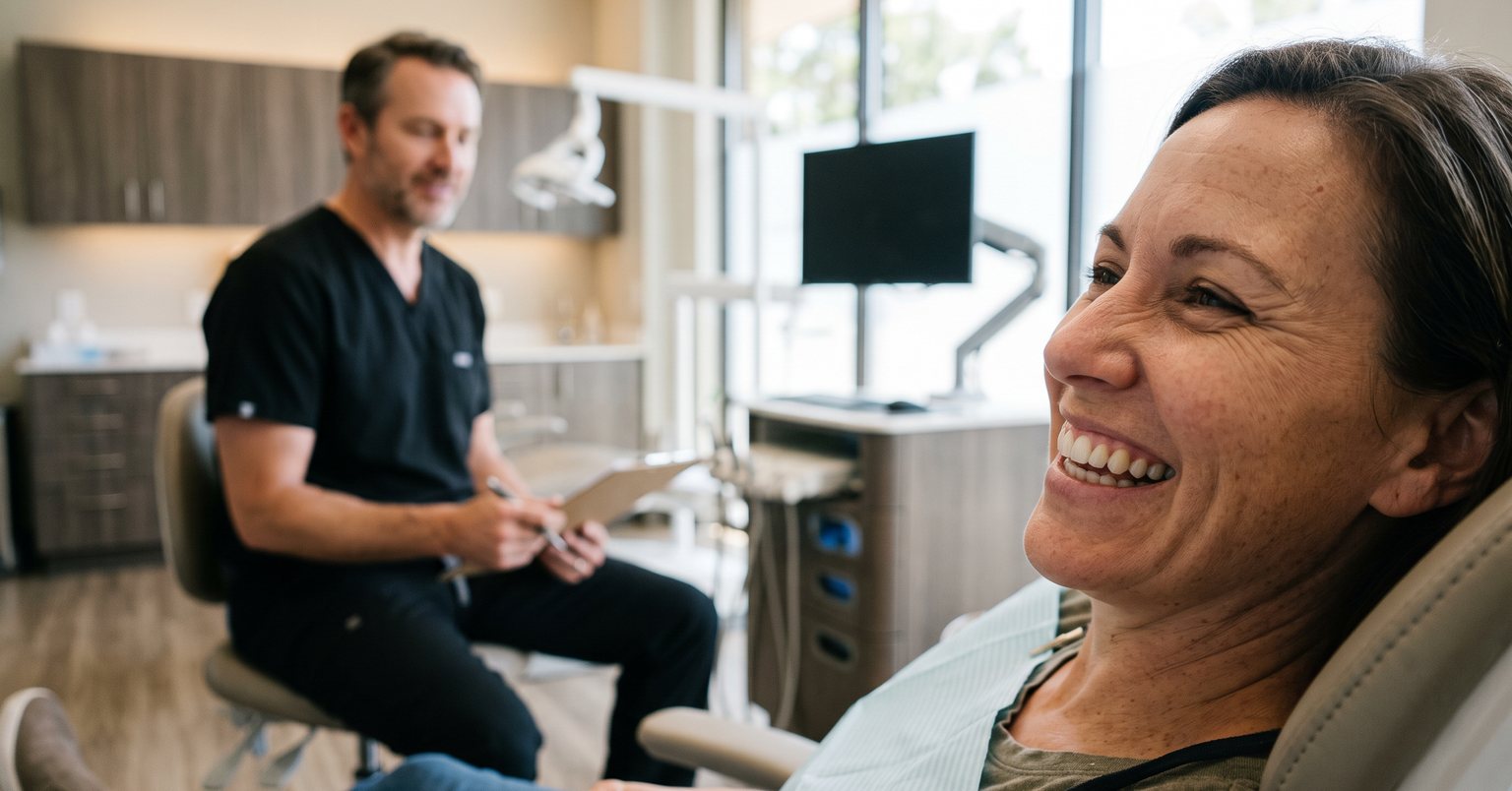
Yes. Lips affect how much of the teeth and gums are visible during speaking and smiling.
Lip movement changes tooth display, smile width and the tooth-gum relationship. Dental design should respond to the lips, not be framed as treatment to alter them.
Does Age Matter in Natural Smile Design?
Age can be considered, but it should not become a stereotype.
Patients of the same age may prefer very different aesthetics.
Age may inform discussion of tooth wear, incisal characteristics and preferred brightness, but it does not prescribe darker or shorter teeth.
Does Skin Tone Affect Tooth Shade Selection?
Facial contrast can affect how tooth brightness is perceived, but skin tone does not prescribe one dental shade.
Shade should not be selected through race-based formulas; use the full face, lips, surrounding teeth, lighting and patient preference instead.
Natural vs Ultra-White Hollywood Smile: Which Is Better?
Neither is universally better.
| Design Preference | Natural-Looking Direction | Ultra-Bright Direction |
|---|---|---|
| Shade | May use softer or highly individualized brightness | Usually prioritizes stronger brightness |
| Translucency | Often emphasizes visible depth and variation | Can still use translucency; brightness does not require flat opacity |
| Contrast | Usually aims for lower visual separation from face/natural teeth | May intentionally create stronger contrast |
| Visual impact | Subtle to noticeable | More immediately noticeable |
| Patient preference | Often “I do not want it to look done” | Often “I want a clearly enhanced smile” |
| Planning priority | Integration and realism | Brightness plus proportion and material control |
Brightness is an aesthetic preference. It is not, by itself, a measure of treatment quality.
Can Natural Teeth and Veneers Be Mixed in the Same Smile?
Yes, in selected cases.
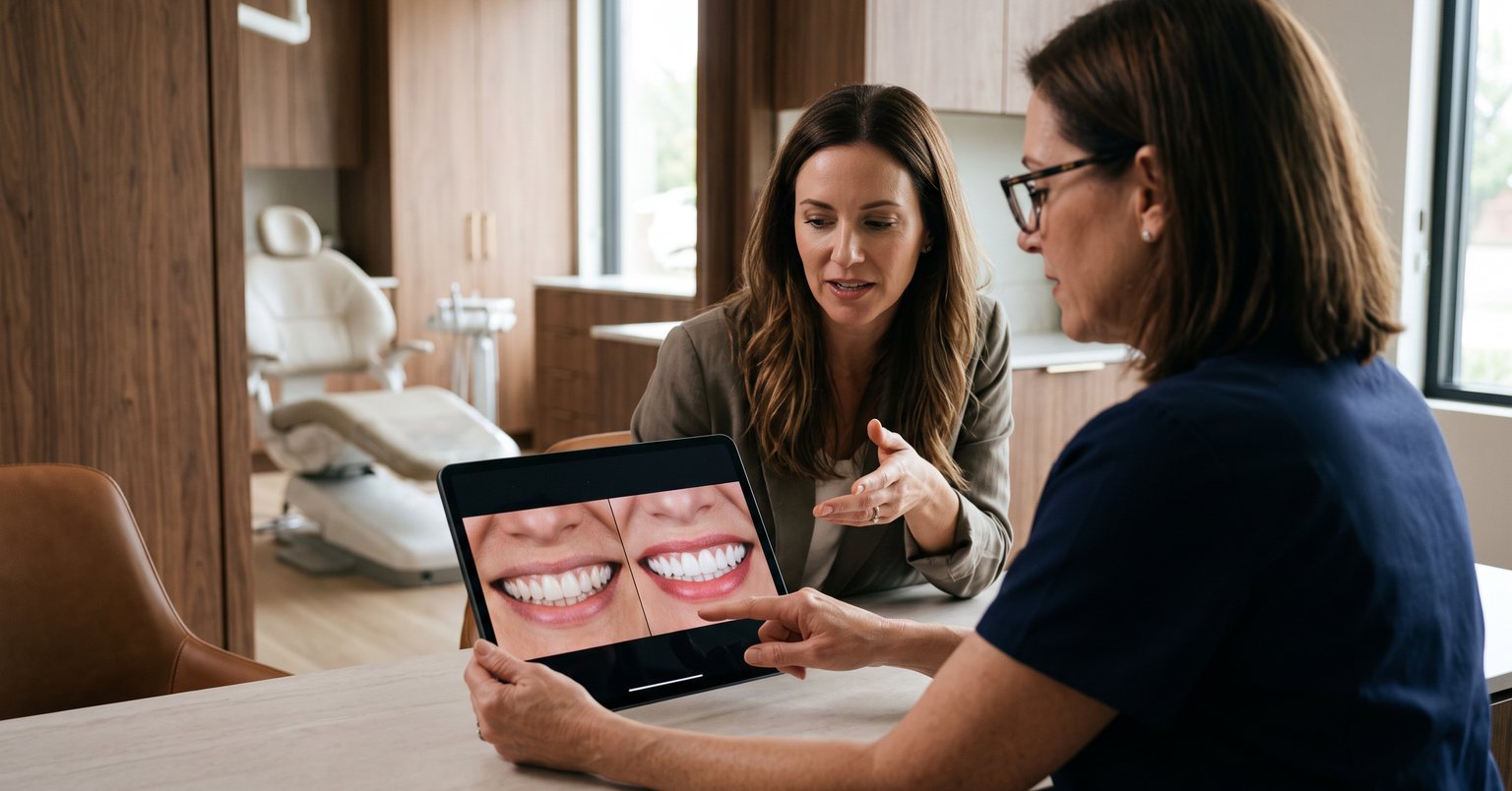
Healthy natural teeth may remain untreated when they fit the plan. Mixing natural teeth and veneers requires attention to shade, smile width, surface character and the transition between treated and untreated teeth.
Does Every Visible Tooth Need Treatment for a Natural Hollywood Smile?
No.
The aim should be smile harmony and dental health, not restoring every visible tooth.
A healthy tooth can remain natural if it already fits the aesthetic plan.
Related guide: How Many Teeth for Hollywood Smile? What Determines the Number?

Can You Get a Natural Hollywood Smile Without Shaving Healthy Teeth?
Sometimes, depending on the treatment plan.
Options may include whitening, orthodontics, bonding, minimal-preparation veneers or selected no-preparation approaches. Not every patient is suitable for preparation-free ceramic treatment.
Related guide: Do Teeth Have to Be Shaved for a Hollywood Smile?
How Does Tooth Preparation Affect the Final Look?
Preparation affects restorative space, and restorative space affects contour.
Too little restorative space can create excess thickness or bulky contours, while excessive preparation can unnecessarily remove healthy structure. The objective is the least invasive preparation that supports function and appearance.
Can Digital Smile Design Help Create a More Natural Result?
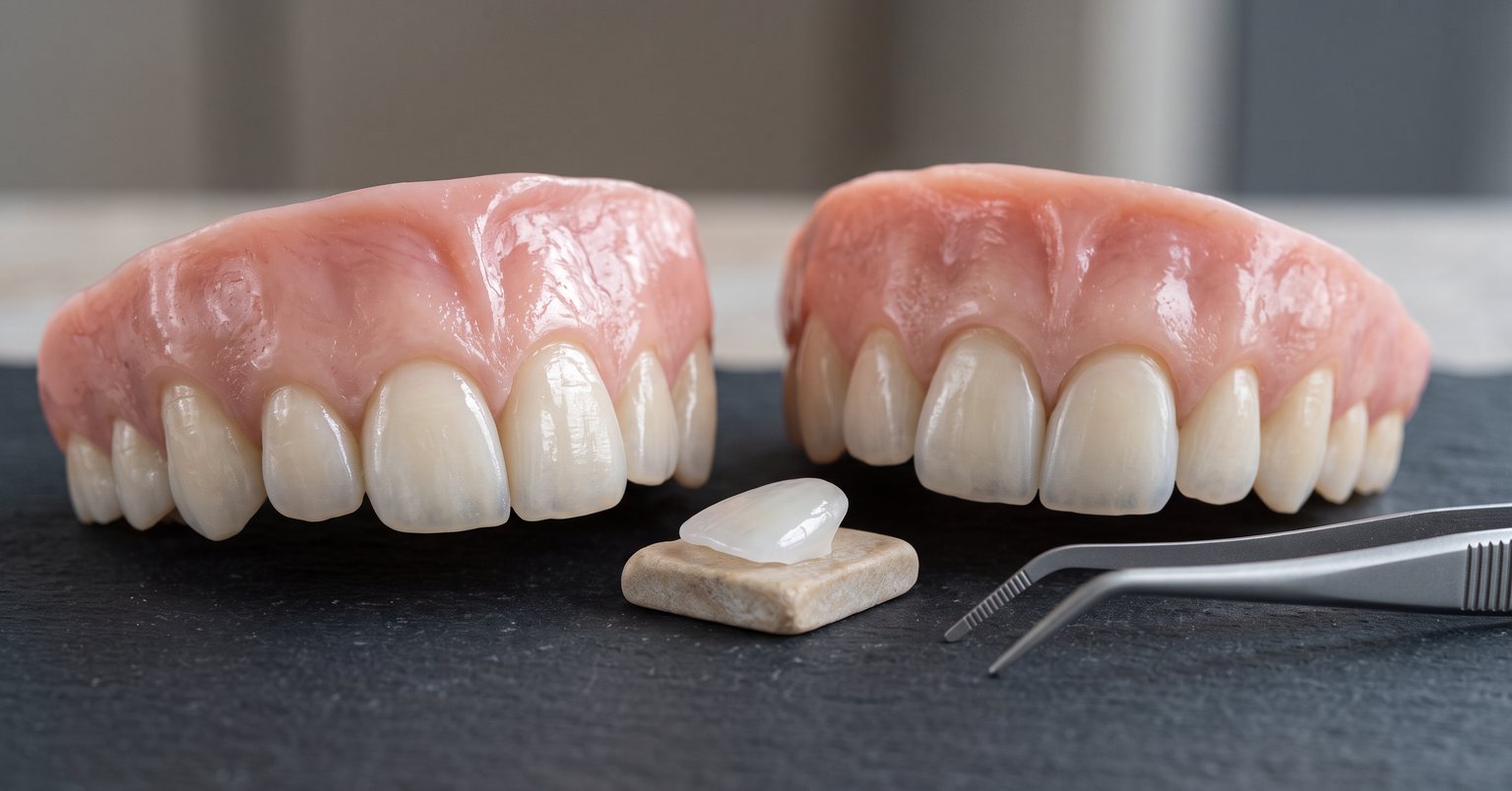
Digital Smile Design can help visualize proportions and smile relationships, but it does not automatically create a natural result.
Niva’s Digital Smile Design content describes facial proportions, smile arc, tooth proportions, gum levels, lip position, photographs, videos, scans and bite information. Digital planning supports communication; clinical judgment remains necessary.
Why Trial Smiles, Mock-Ups or Temporaries Can Matter
A trial stage can help patients evaluate shape and proportions before definitive treatment in workflows where it is appropriate.
Niva’s DSD content describes mock-up evaluation of tooth length, lip support, phonetics, comfort and aesthetic harmony. Its Hollywood Smile page also notes that provisionals can help evaluate smile line, speech, appearance and bite where appropriate.
How Should Shade Be Checked Before Final Approval?
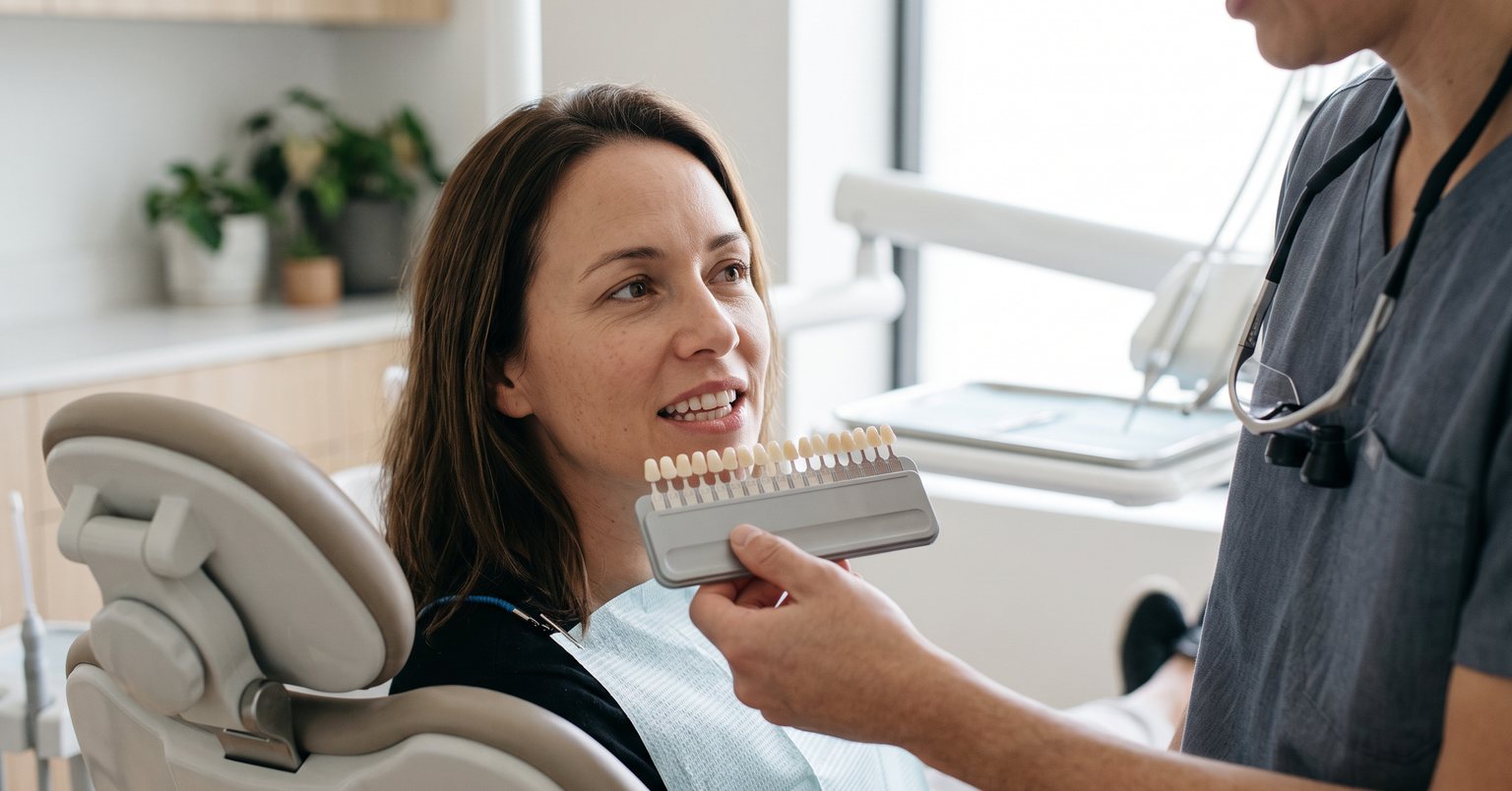
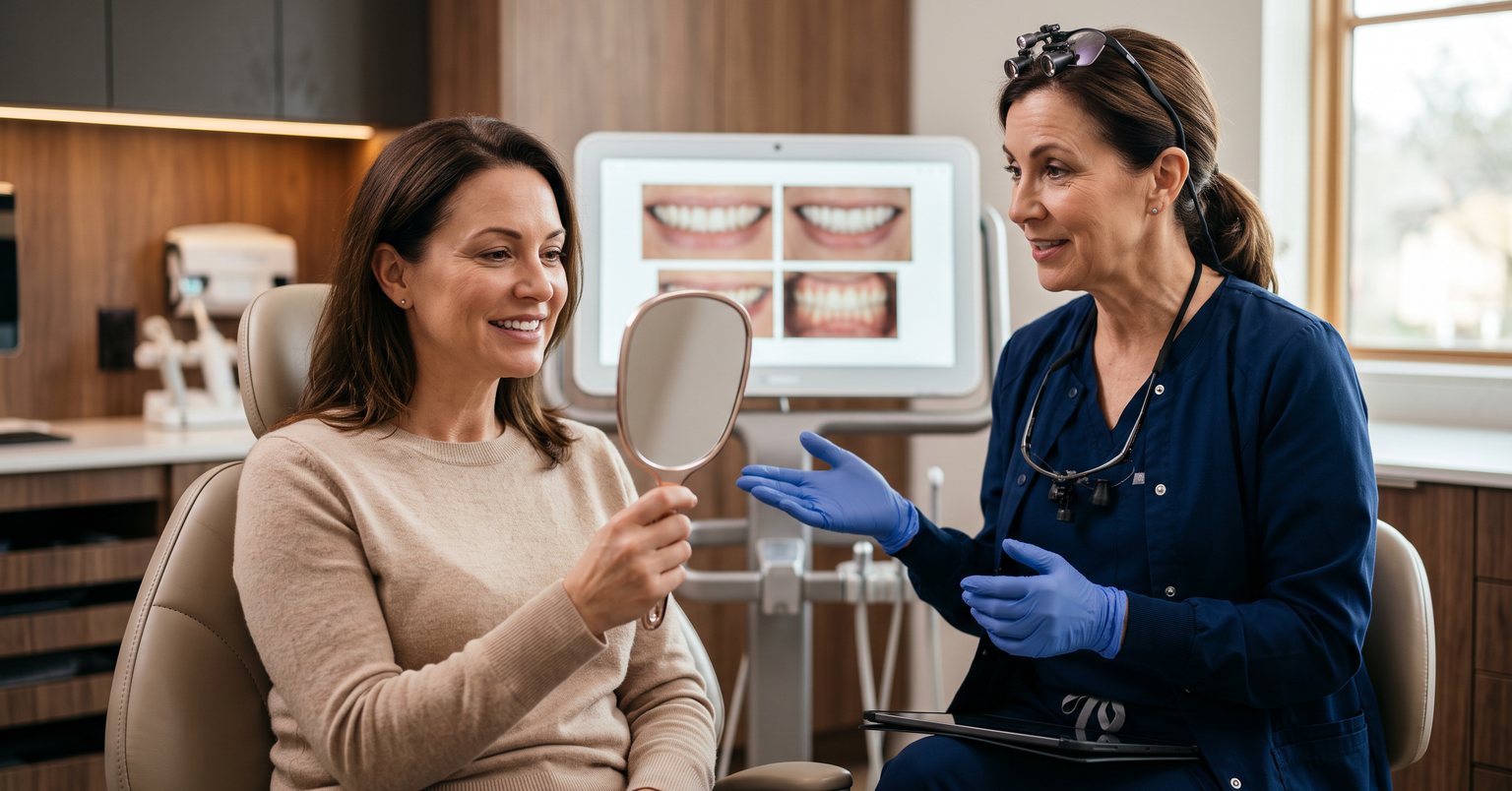
Shade should be evaluated as part of the whole face rather than as an isolated ceramic sample.
Useful considerations include different lighting, neighboring teeth, facial context, photographs and preferred brightness. Niva’s shade-selection content also evaluates shade in relation to the face and lips rather than color code alone.
What Questions Should You Ask About Shape and Shade?
Ask:
– Can I choose between a softer and brighter result?
– Why is this shade being recommended?
– How will it blend with natural teeth?
– What tooth shape is being proposed and why?
– How will translucency and surface texture be handled?
– Can I review the proposed length and shape before final placement where the workflow allows?
– How will my smile line and gums be considered?
– Can healthy natural teeth remain untreated?
– Which ceramic or restoration is proposed and why?
– Can I see comparable full-smile cases?
How to Avoid an Overly Artificial Hollywood Smile
A natural-looking plan should combine individualized planning, facial-context shade selection, appropriate translucency and masking, realistic proportions, surface texture, smile-line evaluation, healthy gums, conservative treatment and patient input.
What Should You Look for in Natural Hollywood Smile Before-and-After Cases?
Look beyond close-up photographs of white teeth.
Useful documentation may show the full smile, facial context, several angles, treatment type, material, tooth count and aesthetic goal. Close-up teeth alone do not show the entire result.
Natural Hollywood Smile Design at Niva Aesthetic
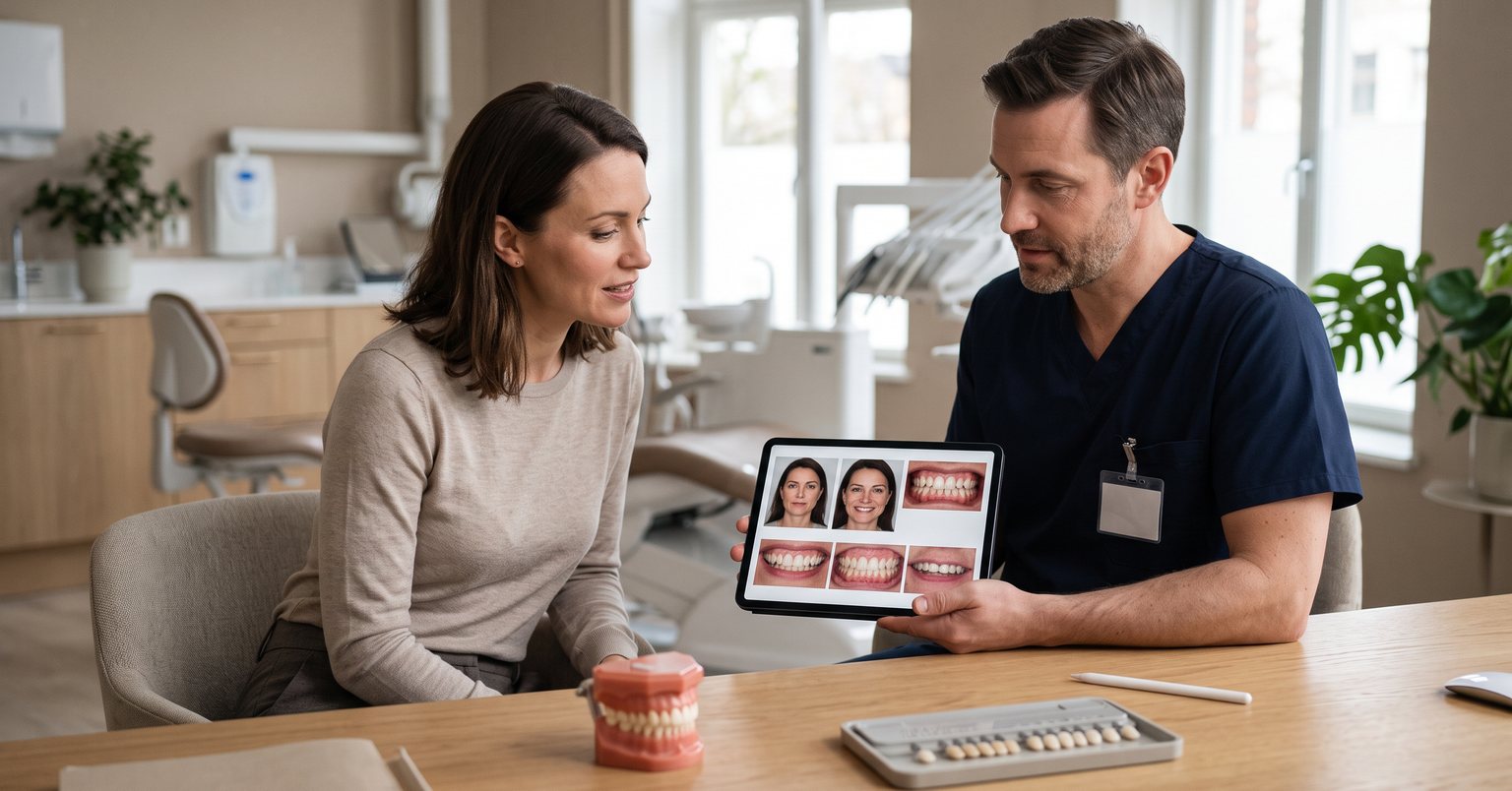
Niva’s current Hollywood Smile in Turkey page says natural design should consider facial proportions, lip movement, smile width, tooth dimensions, position, translucency, texture, gum display, surrounding teeth and desired brightness. It also states there is no universally best shade.
Niva’s Digital Smile Design workflow adds facial, lip, gum, tooth-proportion, smile-arc and bite evaluation, with mock-up or provisional stages described where appropriate. Niva also publishes E-max veneer and crown shade-selection information.
A natural Hollywood Smile is therefore not defined by one shade, shape or ceramic; it comes from clinical suitability, optical design, facial harmony and patient preference.
Natural Hollywood Smile FAQ
Can a Hollywood Smile look natural?
Yes. Natural-looking results depend on individualized shape, shade, proportions, translucency, texture, smile line, gums, facial context, material selection and patient preference.
Do Hollywood Smiles have to be very white?
No. A Hollywood Smile can be designed with a softer or very bright aesthetic. There is no single required shade.
What is the most natural veneer shade?
There is no universal shade. Natural appearance depends on surrounding teeth, material, translucency, facial context and patient preference.
Is A1 or B1 more natural?
Neither is automatically more natural. Both belong to natural-tooth shade families, but the final appearance depends on the complete restoration and smile.
Does BL1 look fake?
Not automatically. A BL shade can look harmonious in some patients and too bright in others. Shade code alone does not determine realism.
What makes veneers look fake?
Possible visual reasons include excessive opacity, uniform shape, excessive thickness, flat surfaces, poor proportions or mismatch with the surrounding smile. These are aesthetic observations, not automatic proof of poor dentistry.
What makes veneers look natural?
Natural-looking veneers usually combine suitable shade, controlled translucency, realistic contour, appropriate thickness, surface texture, incisal detail, gum harmony and integration with neighboring teeth.
What is translucency in veneers?
Translucency is the way light partially passes through and scatters inside the restoration. It can add depth, but the ideal level depends on masking needs, ceramic thickness and the underlying tooth.
Can zirconia crowns look natural?
Yes. Modern zirconia materials include different optical properties and translucency levels. Design, thickness, shade, surface finishing and clinical indication all affect the final result.
Do E-max veneers look more natural than zirconia?
Not universally. Lithium-disilicate and zirconia systems have different optical and structural properties. The appropriate choice depends on the tooth, restoration type, masking needs, bite and aesthetic goal.
Does face shape determine tooth shape?
No. Face shape may be one design reference but should not dictate one tooth form.
Should veneers all be exactly the same shape?
Not necessarily. A harmonious smile may include subtle natural variation while maintaining overall balance.
Can natural teeth stay untreated in a Hollywood Smile?
Yes. Healthy natural teeth may remain untreated when they already fit the clinical and aesthetic plan.
Can a Hollywood Smile look natural without shaving teeth?
Sometimes. Whitening, orthodontics, bonding and selected minimal- or no-preparation veneer approaches may be considered when clinically appropriate.
How do dentists choose veneer shape and shade?
They may evaluate natural tooth anatomy, facial proportions, lips, smile width, neighboring teeth, material, lighting, patient preference, gum display and treatment goals before finalizing shape and shade.