
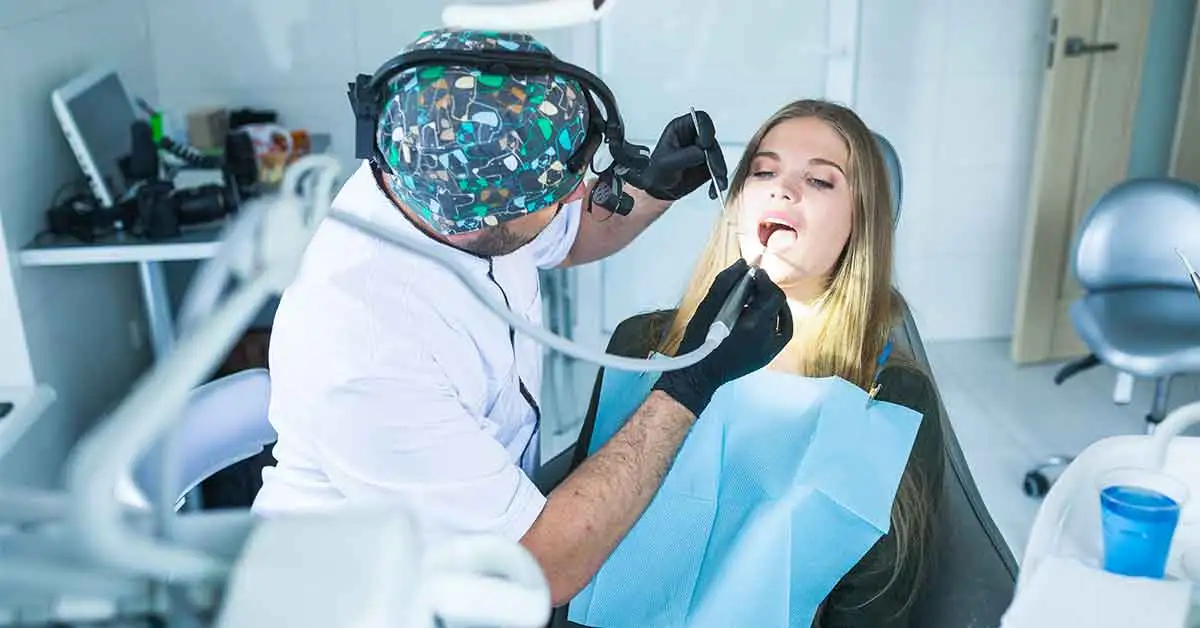
Pain after root canal treatment is one of the most frequently asked questions by patients. During the procedure, we intervene in the inner part of the tooth and the surrounding tissues. Therefore, expecting a completely pain-free process is not realistic. However, not all pain is considered “normal.” Knowing which symptoms are part of the normal healing process and which require re-evaluation can reassure the patient.
Below, we will describe the day-by-day healing process after root canal treatment; let’s clarify when to wait and when to notify the dentist.
The First 24 Hours After Root Canal Treatment: The Body’s Initial Response
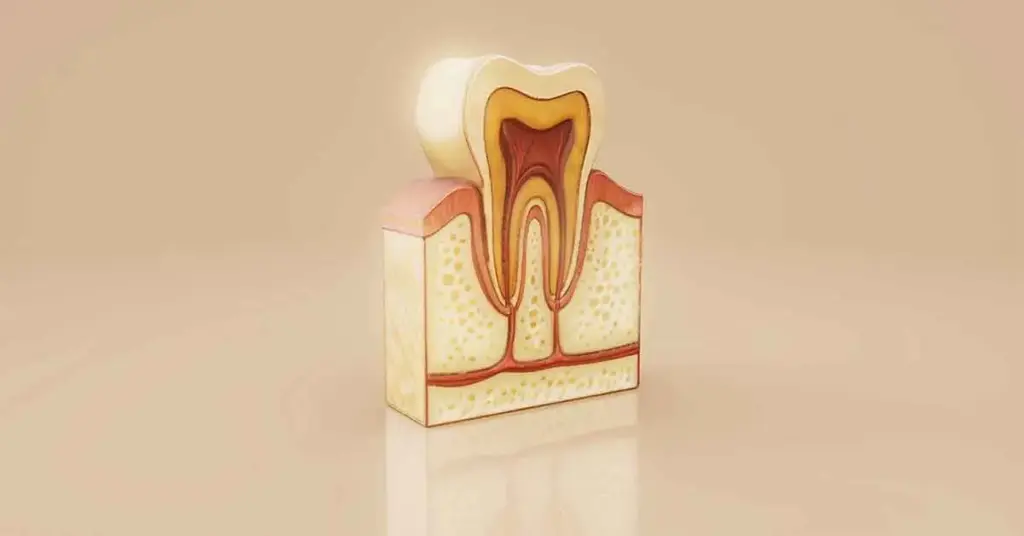
During root canal treatment, the infected tissue inside the tooth is cleaned, the root canals are shaped, and filled. During this procedure, the fine nerves and connective tissues around the tooth are also affected. Therefore, the following complaints are common in the first 24 hours:
- Mild to moderate throbbing pain
- Sensitivity when pressing (biting)
- Intermittent pain in the form of mild throbbing
This period is usually controlled with painkillers. On the first day after root canal treatment, it is helpful to avoid using the tooth as much as possible, chew on the other side, and avoid hot and cold extremes. If the pain increases every hour and wakes you up at night, we do not consider this to be normal healing pain; the dentist should be informed.
When Does Pain Subside After Root Canal Treatment? – Days 2/3
After root canal treatment, we expect the pain to gradually subside on days 2 and 3.
During this period:
- Significantly reduced pain compared to the first day
- Sensitivity felt only during chewing
- Occasional brief twinges in some patients
are common complaints.
A decrease in the need for painkillers during these days after root canal treatment is a positive sign. However, pain that intensifies with each passing day, spreads to the face, and radiates to the ear and temples may indicate that there is still an active problem in the canal. In this case, the “let’s wait and see” approach is not correct; a follow-up appointment must be scheduled.
Is Sensitivity Normal After Root Canal Treatment? – Days 4/7
We generally expect significant relief in the tooth that has undergone root canal treatment by the end of a week. However, slight sensitivity when chewing may not completely disappear. This period may be slightly longer, especially in teeth with many roots and in cases of deep inflammation.
During this period:
- If there is no pain at rest
- There is only mild discomfort with hard foods
- There is no need for painkillers
root canal treatment recovery is progressing as expected.
However, if there is still constant pain in the first week, throbbing that increases at night, swelling in the face, or pimple-like inflammation in the gums, we do not consider these findings to be part of the normal process.
What Does Prolonged Pain After Root Canal Treatment Mean? – 10 Days /1 Month
In some teeth, especially in cases where there was a serious infection beforehand, the healing process after root canal treatment may take longer.

We consider the following to be acceptable for up to 1 month:
- Sensitivity that decreases noticeably with each passing week
- Only short-term discomfort with hard or very hot foods
- Aching that does not interfere with daily life and gradually becomes less frequent
In contrast:
- Pain that does not decrease compared to the beginning
- Difficulty opening the mouth, widespread jaw pain
- Swelling causing asymmetry in the face
- Fever and general weakness
Such findings indicate that the root canal treatment needs to be reevaluated. At this point, additional root canals, cyst-like lesions at the root tip, or cracked teeth may be considered.
Which Symptoms Are Not Normal After Root Canal Treatment?
After root canal treatment, mild pain and pressure sensitivity are normal for a certain period of time. However, we recommend that patients contact their dentist immediately if they experience any of the following complaints:
- Severe pain that does not subside within a few days, but rather increases
- Throbbing pain that wakes you up at night
- Noticeable swelling in the face, cheek, or lip
- Pimple-like appearance of inflammation in the gums
- Fever, fatigue, noticeable swelling in the lymph nodes under the jaw
This table suggests that there may still be an active infection in the canal. If necessary, reopening the canal, medication, antibiotic support, or advanced surgical approaches may be considered. The main goal here is to save the tooth while preventing the infection from spreading to the body.
Post-Root Canal Care Recommendations
After root canal treatment, we give patients some simple but effective recommendations to help them get through the healing process comfortably:
- Try not to use the tooth on the first day. Chew on the opposite side.
- Take the painkiller prescribed by your dentist at the appropriate times. Do not add medication on your own.
- Avoid very hot and very cold foods. Choose lukewarm foods.
- Do not break hard foods (nuts, seeds, hard bread crusts) with the tooth that has undergone root canal treatment.
- Pay attention to oral hygiene. Do not avoid brushing your teeth, but be gentler in that area.
- If you have a temporary filling, notify your dentist if you feel it is falling out or feels too high.
Proper care both shortens the duration of pain after root canal treatment and significantly reduces the severity of complaints.
Common Mistakes: What Should We Pay Attention to After Root Canal Treatment?
Some mistakes after root canal treatment slow down healing and can even put the tooth at risk:
- Thinking, “The nerve of the tooth has been removed anyway, so I don’t need to brush it.”
- Waiting for days without informing the dentist, thinking the pain will go away
- Starting antibiotics on your own or changing the dose arbitrarily
- Leaving the tooth exposed for a long time even though the temporary filling has fallen out
- Trying to suppress pain with excessive heat applications
These behaviors pave the way for damage to both the tooth and the surrounding bone. When performed correctly and followed up properly, root canal treatment is a procedure that allows us to keep the tooth in the mouth for years. Follow-up and patient cooperation are integral parts of the treatment.
FAQ – Questions About Root Canal Treatment
