
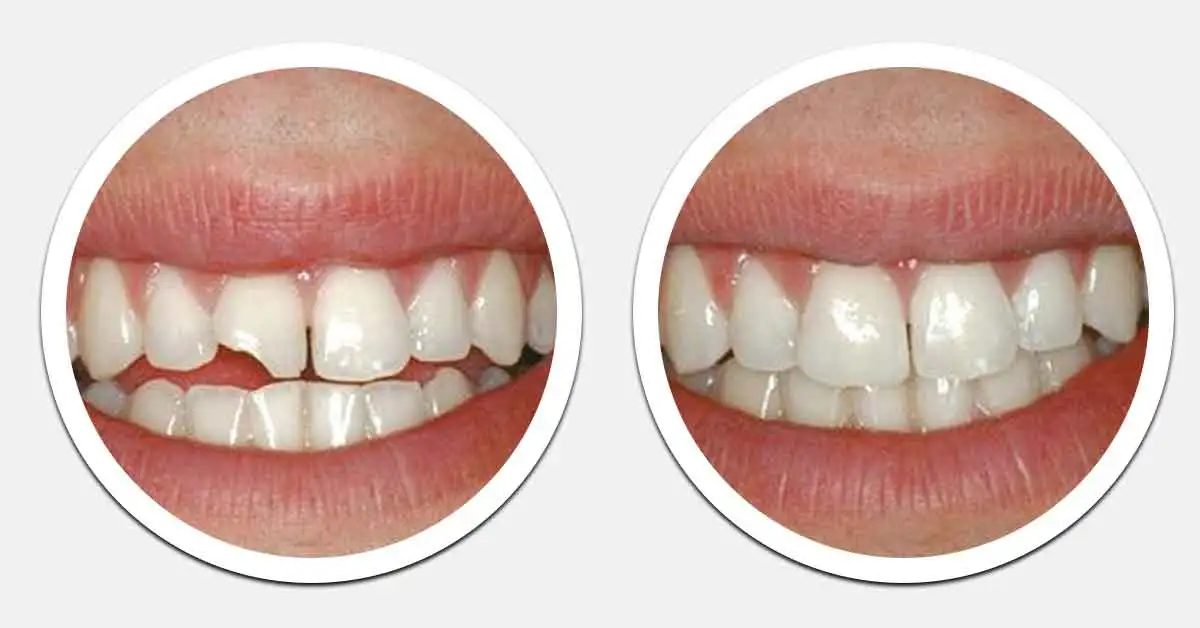
Edge leakage in composite filling treatment can lead to secondary decay, sensitivity, and a shorter lifespan of the filling. Learn about the causes, symptoms, and prevention of composite filling edge leakage in detail from a dentist‘s perspective.
Composite Filling: What Is It, and When Is It Preferred?
Composite filling is an aesthetic and functional filling material that matches the color of the tooth and hardens with light. When used with the correct indication in both the front and back areas, it provides long-lasting and reliable results.
Composite fillings are generally preferred in the following situations:
- Treatment of small and medium-sized cavities
- Correction of fractures, cracks, or deformities in front teeth
- Replacement of old amalgam fillings for aesthetic reasons
- Closing black triangles between teeth (diastema closure)
- Emergency aesthetic restoration of broken teeth after trauma
What is Composite Filling Marginal Leakage?
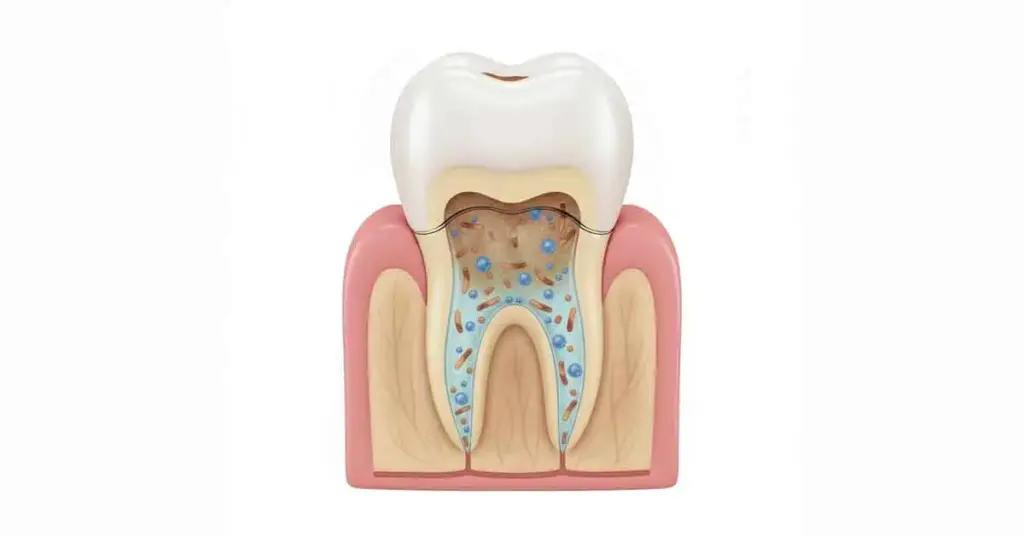
Composite filling marginal leakage is the seepage of oral fluids, bacteria, and food debris into microscopic gaps at the junction between the filling and the tooth. This is a biological problem that threatens the health of both the filling and the tooth over time.
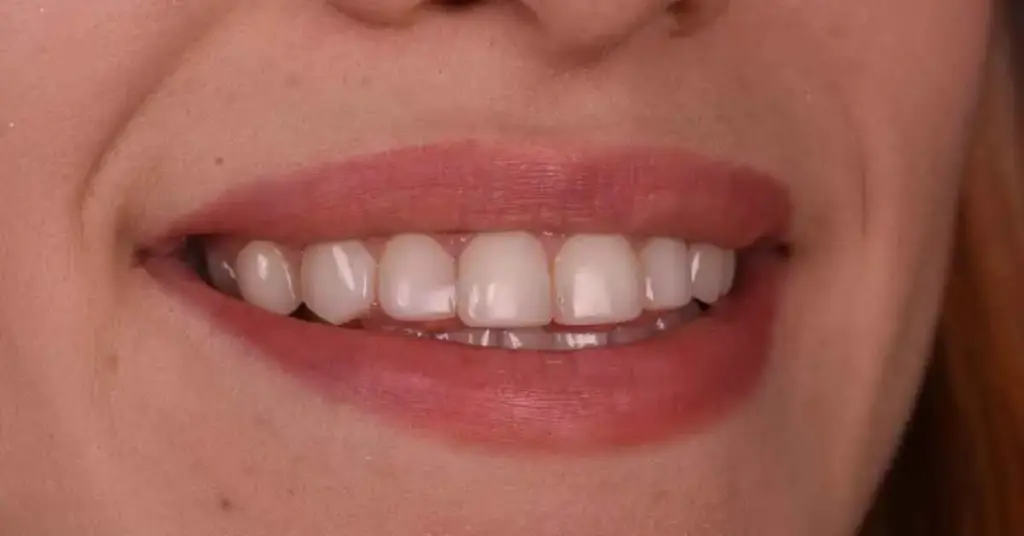
Problems that composite filling edge leakage can cause:
- Development of secondary decay at the filling edge
- Sudden, sharp sensitivity to cold, hot, or sweet foods
- Discoloration and dulling at the filling edges
- Pulp inflammation and the need for root canal treatment in advanced stages
- Bad breath and a regional bad taste sensation
What causes composite filling edge leakage?
Composite filling edge leakage occurs due to a combination of multiple factors related to the dentist, the material, the tooth structure, and the patient. It usually develops as a result of the cumulative effect of minor deficiencies rather than a single mistake.
The main causes of composite filling edge leakage are:
- Reasons related to the composite filling application technique
- Inadequate isolation, saliva and blood contamination
- Failure to comply with the etching time or incorrect acid application
- Non-homogeneous application of the bonding (adhesive) layer
- Placement of the composite filling in a thick single mass
- Failure to layer in cavity forms with a high C-factor
- Insufficient light source power or short curing time
- Leaving a step at the tooth-filling edge during finishing and polishing
- Reasons related to the composite filling material
- Use of older generation materials with high polymerization shrinkage
- Formation of microcracks on the surface of composite fillings used for many years
- Loss of level of the filling edges relative to the tooth due to wear
- Reasons related to the tooth and the patient
- Existing cracks or excessively weakened walls in the tooth
- Exposure of the root surface that was previously covered due to gum recession
- Severe chewing forces, teeth grinding (bruxism) habit
- Plaque buildup due to inadequate brushing and lack of flossing
- Consistent consumption of sugary, sticky snacks
How to Prevent Composite Filling Edge Leakage?
Although it is not always possible to completely eliminate composite filling edge leakage, it can be minimized with the right protocols. Both the dentist’s technique and the patient’s habits play a decisive role here.

Key points to consider to prevent composite filling edge leakage:
- Proper planning before composite filling
- Detailed assessment of the amount of remaining tooth structure
- Considering onlay/crown options instead of composite filling only in cases of extensive material loss
- In cracked teeth, the restoration plan should not be limited to filling
- Ensuring ideal isolation during composite filling
- Use of a rubber dam, if possible
- When a rubber dam cannot be used, keep the area dry with saliva ejectors, cotton rolls, and retractors
- Use of appropriate matrix bands and wedge systems on margins below the gum line
- Perfect compliance with the composite filling adhesive protocol
- Etching times for enamel and dentin in accordance with the manufacturer’s instructions
- Leaving the tooth slightly moist after etching in accordance with the “wet dentin” concept
- Applying the adhesive in such a way that it forms a thin, shiny, and continuous film layer
- Curing the adhesive with light for a sufficient time and from the correct distance
- Use of the composite filling layering technique
- Placement of the composite filling in thin layers of 1.5–2 mm
- Curing each layer separately for a sufficient amount of time
- Preference for oblique layering or bulk-fill + top aesthetic layer combination in deep cavities
- Composite filling finishing and polishing protocol
- Careful removal of excess material at the tooth-filling interface using fine-tipped burs and discs
- Polishing rough surfaces with polishing rubber cups and pastes
- Achieving a plaque-resistant, shiny, and smoothly contoured marginal line that conforms to the tooth
- Follow-up and patient education after composite filling
- Explaining to the patient that they should avoid excessively hard and crunchy foods for the first 24 hours
- Emphasizing the importance of daily brushing and flossing
- Planning a night guard (occlusal splint) if there is severe teeth grinding
- Clinical and radiographic follow-up of filling margins with check-up appointments every 6–12 months
What Are the Signs of Composite Filling Margin Leakage?
Composite filling margin leakage does not always present with obvious pain; most of the time, mild and initial complaints are warning signs. Detecting it early is critical for protecting the tooth.
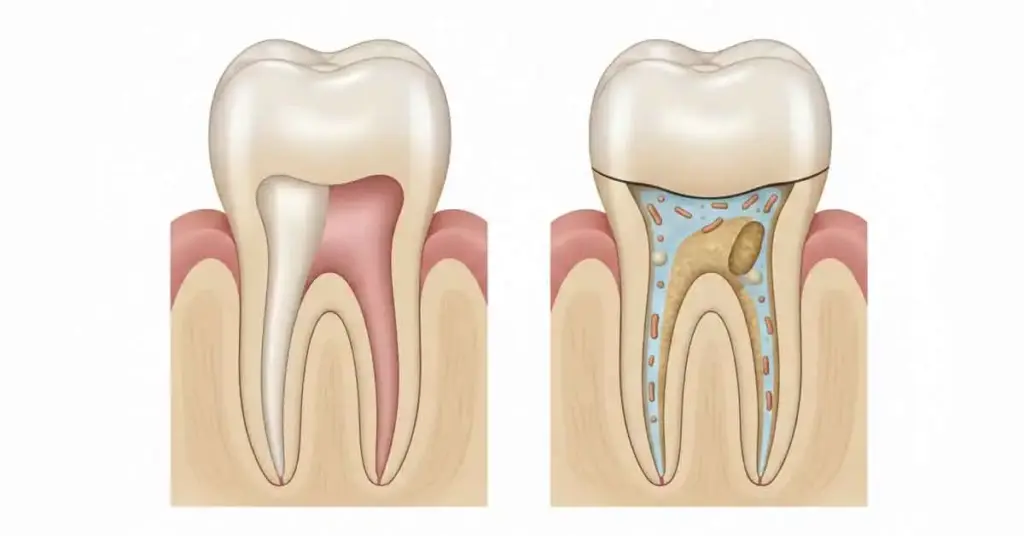
Typical signs of composite filling margin leakage:
- A sudden, brief tingling sensation when eating cold, hot, or sweet foods
- A feeling of “pressure” or slight cracking in the filling area while chewing
- Darkening, yellowing, or discoloration at the edges of the filling
- Complaints of a bad taste or mild bad breath coming from the same area
- In advanced stages, increased throbbing pain at night and prolonged sensitivity
What to Do When Composite Filling Edge Leakage Is Detected?
When composite filling edge leakage is suspected, the dentist first performs a clinical examination, then evaluates the bottom and surrounding area of the filling with an X-ray (radiography) if necessary. Depending on the decision, different approaches can be applied, ranging from conservative correction to complete treatment replacement.

The main treatment options applied when composite filling edge leakage is detected:
- In the early stages, with minor leakage
- Correction of rough and discolored areas at the edge of the filling
- Re-polishing after surface correction
- Repair of the composite filling in localized small areas
- In the presence of secondary decay
- Complete removal of the old composite filling
- Cleaning of the underlying decayed tissue
- Restoration with a new composite filling after an appropriate adhesive protocol
- In cases of pulp damage and deep infection
- Root canal treatment when the tooth nerve is affected
- Planning for a new composite filling, inlay/onlay, or crown based on the condition of the tooth after root canal treatment
- Supporting teeth with extensive material loss with a more protective superstructure instead of just a composite filling
Composite Fillings – (FAQ)
Is composite filling edge leakage always the dentist’s fault?
Composite filling edge leakage is not solely due to dentist error. Although the application technique is very important, factors such as the patient’s oral hygiene, teeth grinding habits, diet, and gum health also directly affect the process. Even composite fillings done with the most ideal technique can cause problems in a short time with poor oral care and irregular check-ups.
Is it sufficient to only renew the top surface when there is composite filling edge leakage?
In most cases, it is not sufficient to only renew the top surface when composite filling edge leakage is detected. There is a high probability of secondary decay forming under the filling. Therefore, it is safer to completely remove the old composite filling, clean the underlying tissue, and, if necessary, make a new composite filling from scratch.
Is composite filling edge leakage always visible on an X-ray?
Composite filling edge leakage is not always clearly visible on an X-ray when it is early and microscopic. At this stage, clinical examination, sensitivity tests, and the dentist’s experience are decisive. Advanced secondary caries, on the other hand, can usually be seen on radiographs as dark areas.
Does every tooth with composite filling edge leakage require root canal treatment?
Root canal treatment may not be necessary for every tooth with composite filling edge leakage. If detected and treated early, simply replacing the filling and cleaning the decay may be sufficient. However, if the leakage goes unnoticed for a long time and pain and nighttime throbbing begin, pulp damage may have occurred, making root canal treatment unavoidable.
