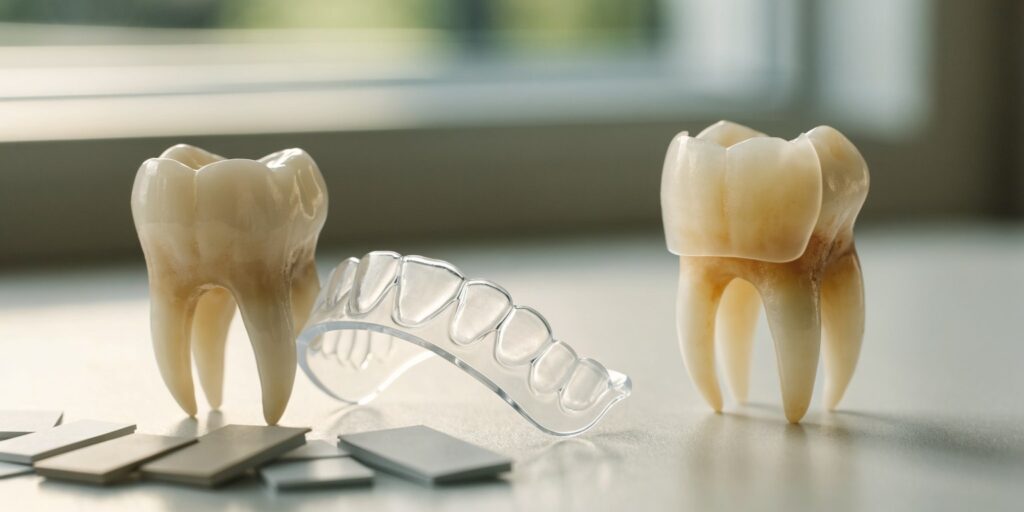


Turkey teeth risks include irreversible tooth reduction and complications. Learn what to ask about veneers, crowns, alternatives and aftercare before booking.


Turkey teeth risks can include permanent loss of natural tooth structure, sensitivity, problems affecting the tooth’s nerve, decay around restorations, gum irritation and crowns or veneers that chip or loosen. The risks depend on the actual procedure and your dental condition. Travelling for treatment also requires planning for follow-up and possible complications. [1–4,7]
Before booking, establish exactly which teeth would be treated, whether the proposal involves veneers or crowns, and why less invasive options would or would not meet your needs. Protecting natural teeth starts with understanding what you are agreeing to before preparation begins.
What Does “Turkey Teeth” Actually Mean?
“Turkey teeth” is an informal expression associated with travelling to Turkey for a smile makeover. It does not identify one dental procedure. The Royal College of Surgeons of Edinburgh discusses the term in the context of dental tourism and concerns about unnecessarily invasive cosmetic treatment. [9]
A package name alone cannot tell you whether you are being offered bonding, veneers, crowns or replacement of missing teeth. These treatments have different purposes and consequences.
Ask for the procedure name beside each tooth in the written plan. Terms such as “Hollywood Smile,” “premium ceramic” or “smile package” do not provide that information. Neither a destination nor a photograph of a finished smile can tell you how much tooth structure your proposed treatment would remove.
Veneers and Crowns: Confirm What Will Cover Your Teeth
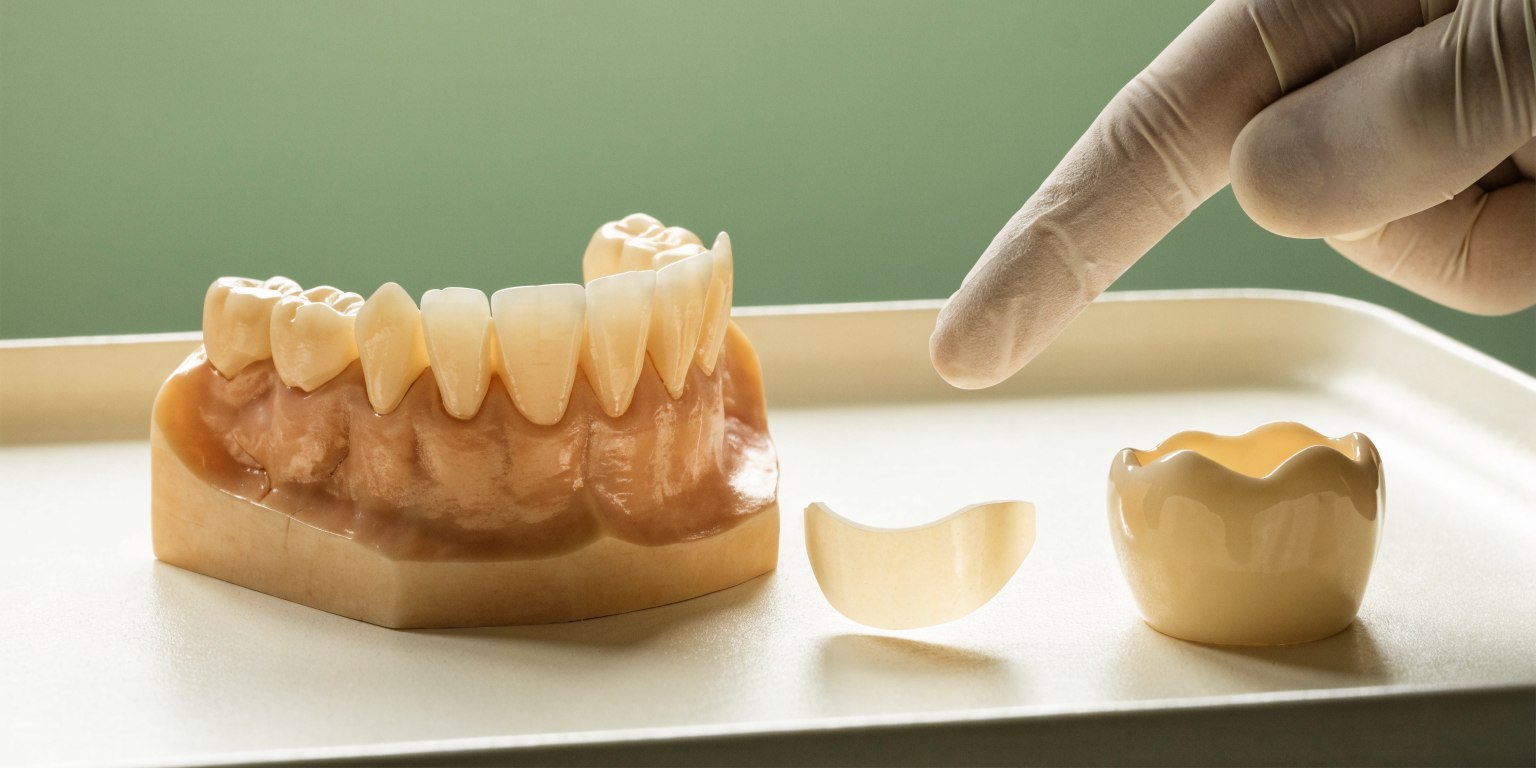
A veneer mainly covers the front surface of a tooth; a crown covers the prepared tooth more extensively. Leeds Teaching Hospitals explains that veneers usually require less tooth removal than crowns. [2]
| Treatment | What it does | What to clarify before agreeing |
|---|---|---|
| Composite bonding | Adds tooth-coloured material to alter or restore part of a tooth | Whether preparation is needed and what maintenance to expect |
| Porcelain veneer | Places a thin ceramic facing over the front of a tooth | Which surfaces will be prepared and how much enamel can be retained |
| Crown | Covers a reshaped tooth to restore its form and function | Why this tooth needs full coverage and what alternatives were considered |
These distinctions follow guidance from the American Dental Association and Leeds Teaching Hospitals. [1,2,5]
Crowns can be appropriate for substantially damaged or weakened teeth. A healthy-looking tooth and a heavily restored tooth may require different approaches, even when they sit beside each other. Ask for the clinical explanation for each recommendation.
For more detail on preparation, see Niva’s guide to whether teeth need to be shaved for a Hollywood Smile.
Which Risks Matter Before Irreversible Treatment?
The central decision is whether the expected benefit justifies changing each natural tooth. Removed enamel does not grow back. Where preparation is required, replacing the restoration later does not reverse that preparation. The ADA describes conventional veneer treatment involving enamel removal as irreversible. [1]
Other possible issues include:
- Sensitivity and discomfort: crowns can cause sensitivity after placement; persistent or severe pain needs assessment. [4]
- Problems inside the tooth: some teeth receiving crowns or veneers later need root canal treatment. Manchester’s University Dental Hospital notes that symptoms can emerge months or years afterwards. [3]
- Decay and gum problems: remaining tooth tissue still requires cleaning, and poor crown fit can contribute to decay. Plaque around restorations can affect the gums. [3,4]
- Restoration failure: veneers can chip, crack or loosen and may need repair or replacement. [1]
Ask about these risks in relation to your existing fillings, gum health, bite and history of grinding. Do not accept a country-wide “success rate” as a personalised forecast.
For a broader discussion of individual complications, read Niva’s Hollywood Smile risks and side effects. The practical next step is to examine the proposal before you commit.
Before Booking: Ask Whether Less Treatment Could Meet Your Goal
Begin with what you want to change: colour, tooth position, a chipped edge or damaged dental work. Then ask the dentist to compare the available options for that specific concern.
The ADA describes whitening, bonding and orthodontic treatment among the ways to improve a smile. Whitening addresses colour; braces or aligners can change tooth position; bonding can add material to selected areas. [5] These options have their own limitations and require individual assessment.
A useful consultation should also allow discussion of leaving healthy teeth untreated. Ask which changes are necessary for health or function and which are elective changes in appearance. You may decide that a smaller improvement better matches the amount of treatment you are willing to accept.
An independent assessment before travel can help you understand competing proposals. The General Dental Council recommends discussing overseas treatment with your own dentist, who knows your dental history and may be involved in later care. [6]
Eight Questions to Ask Before Paying a Deposit
Request answers that you can keep with your treatment proposal. Use this list to identify missing information before comparing packages:
- What is the proposed procedure for each tooth? Ask for a tooth chart identifying veneers, crowns, bonding and any other work.
- Why does each tooth need that treatment? Request the findings behind the recommendation and the alternatives discussed.
- What natural tooth structure would be removed? Ask which surfaces are involved and what can only be confirmed during examination.
- Who will assess and treat me? Obtain the dentist’s name, qualifications and information on verifying professional registration.
- What happens if the plan changes after I arrive? Clarify how you will review new findings, costs and choices before treatment starts.
- How will I review the proposed appearance? Ask what opportunities exist to discuss shade, shape and any preview, together with its limitations.
- What does the complete price include? Confirm diagnostics, temporary restorations, laboratory work, adjustments and additional procedures where relevant.
- Who helps if a problem develops at home? Establish the route to an examination, possible remedial care and responsibility for costs.
The GDC advises asking about the treating professionals, language support, aftercare and the costs of correcting problems. [6] A coordinator can arrange appointments, but clinical questions should reach the dentist responsible for your treatment.
At the Clinic: Reconfirm the Plan Before Tooth Preparation
The in-person assessment may reveal information that was unavailable remotely. What matters is that changes are explained before you agree to them.
Compare the final proposal with what you understood when booking. If a treatment described as veneers becomes a plan for crowns, ask why the recommendation changed and what that means for your natural teeth. If root canal treatment is added, request the diagnosis and explanation for each affected tooth.
Active dental problems also need attention. The ADA advises treating decay and gum disease before veneers and notes that grinding or certain bite patterns can affect suitability. [1]
Ask for a pause if you cannot understand the explanation, need translation or want another opinion. Canada’s travel guidance cautions against pressure and advises having a medical consultation before the procedure; it also advises not proceeding when concerns remain. [7]
A booked flight or paid deposit is not a clinical reason to accept a treatment you do not understand. Review cancellation and postponement terms before travel so those practical pressures are clear in advance.
Before Flying Home: Arrange Care and Know When to Seek Help
Leave with a treatment summary, relevant images, restoration details, care instructions and contact information. Confirm whether future concerns require a return visit or can be assessed locally, and who would pay. Canadian guidance recommends obtaining records and planning care after returning home. [7]
Ask your dentist to check concerns about comfort or fit before departure. Report a bite that feels wrong after veneers. [1] Agree on ongoing cleaning and review appointments, and budget for possible future repairs; restorations are not guaranteed to last a lifetime. [3]
Symptoms that should not wait for your next trip
Seek prompt dental assessment for severe or worsening tooth pain, a loose restoration or a sharp fractured edge. [4] Facial swelling, fever or symptoms suggesting an abscess need urgent dental care. [8]
Difficulty breathing or swallowing, substantial mouth swelling, or swelling affecting an eye requires emergency medical assessment. Use emergency services where you are; do not wait for a reply from an overseas clinic or a return flight. [8]

Frequently Asked Questions
Are Turkey teeth always crowns?
No. The phrase is used inconsistently and can describe different treatments. Obtain the actual procedure name for each tooth; a package description cannot establish whether you are receiving veneers or crowns.
Do all veneers require teeth to be filed into small pegs?
No. Veneers mainly cover the front surface and usually involve less preparation than crowns. [2] If the proposed preparation is extensive, ask the dentist to explain the restoration design before agreeing.
Can Turkey teeth be reversed?
That depends on what was done. Tooth structure removed during preparation cannot be restored simply by taking off a veneer or crown. Further restorative treatment may be needed; replacement does not return the tooth to its original condition. [1,3]
Does everyone who gets crowns need root canal treatment?
No. Root canal treatment is not inevitable, although some restored teeth may need it later. Ask about the current condition of each tooth and any planned root canal procedure. [3]
Will a warranty cover repairs in my home country?
Do not assume so. Ask whether the policy covers local treatment, return flights, accommodation and replacement work. Also confirm exclusions and maintenance requirements before accepting the quote. [6,7]
Discuss a Tooth-Preserving Plan With Niva Dental
If you are considering Niva Dental in Bakırköy, Istanbul, bring these questions to your consultation. Review the Hollywood Smile treatment page and ask the team to explain the proposed treatment, alternatives and expected preparation for each tooth before you decide.
This article provides general information. Treatment suitability, individual risks and symptoms require assessment by a qualified dentist.
Sources
- American Dental Association, MouthHealthy — Veneers. Preparation, irreversibility, suitability, complications and care. Read the patient guidance.
- Leeds Teaching Hospitals NHS Trust — Crowns. Crown indications, alternatives and differences from veneers. Read the patient information.
- Manchester University NHS Foundation Trust, University Dental Hospital — Crowns, Veneers and Bridges. Possible root canal treatment, gum care and future replacement. Read the patient leaflet.
- Cleveland Clinic — Dental Crowns. Sensitivity, fit, damage and reasons to contact a dentist. Read the clinical overview.
- American Dental Association, MouthHealthy — 8 Ways to Improve Your Smile. Whitening, bonding, orthodontics and other options. Read the overview.
- General Dental Council — Going abroad for dental treatment. Assessment, provider questions, communication and aftercare. Read the guidance.
- Government of Canada — Travelling outside Canada to receive medical care. Planning, informed decisions, written agreements and continuity of care. Read the guidance.
- NHS — Dental abscess. Urgent dental symptoms and emergency warning signs. Read the guidance.
- Royal College of Surgeons of Edinburgh — Dental Dean Update: The Truth About Tooth Tourism. Concerns about excessive removal of healthy tooth tissue and follow-up for dental tourists. Read the professional commentary.