

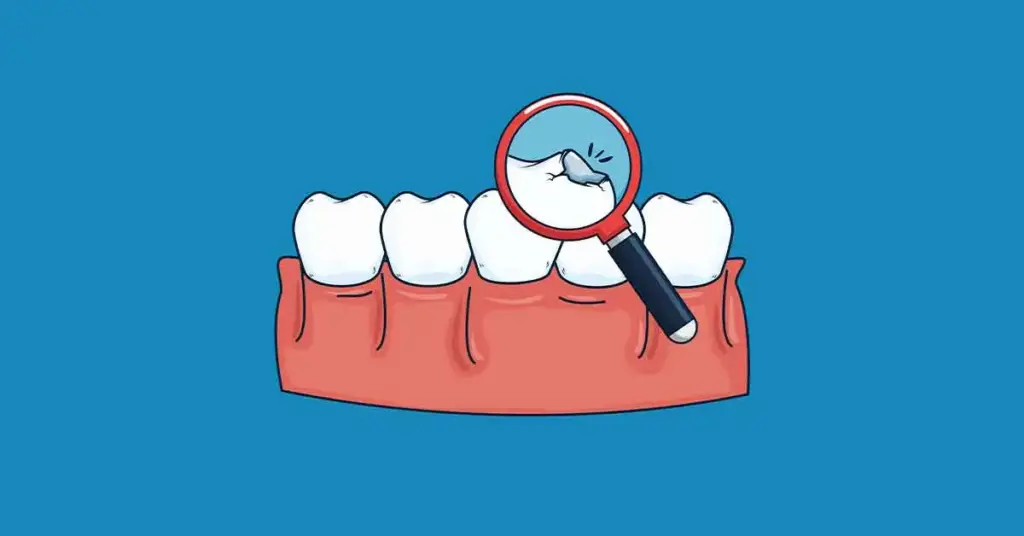
A broken tooth happens suddenly. It can hurt, and it can be upsetting to look at. In that moment, the first thought is usually: “What should I do if I broke a tooth?” What you do in the first 30 minutes can directly affect both the chance of saving the tooth and the treatment you may need later.
Below, you’ll find step-by-step instructions for what to do at home, what mistakes to avoid, and how to protect the tooth until you can get to a dental office.
What Should I Do If I Broke a Tooth? Check the Situation First
- Do you feel a sharp or jagged edge in your mouth?
- Is there a cut or bleeding on your lip, cheek, or tongue?
- Is the break only on the enamel, or do you have intense sensitivity that feels like it goes down to the nerve?
- Is the tooth loose or does it feel like it shifted out of place?
In the first few seconds, observation matters more than panic. A minor chip is managed differently than a break caused by serious trauma. If the pain is severe, you can’t bite down, or facial swelling is starting, you should treat this as urgent and get evaluated quickly.
5 Key Steps to Take at Home in the First 30 Minutes
If you’re asking, “What should I do if I broke a tooth?”, these are the basic steps to take at home:
- Rinse your mouth gently.
Slowly rinse with lukewarm or room-temperature water. Avoid forceful swishing or aggressive gargling. - If there’s bleeding, apply light pressure with clean gauze.
Place clean (ideally sterile) gauze over the area and bite down gently. Don’t clamp down hard. - Try to find the broken piece.
The fragment may have fallen on the floor. Even a small piece can matter—sometimes it can be used in the repair. - Use a cold compress.
Apply a cold compress (ice pack or cloth-wrapped ice) to the outside of your face near the area. Never place ice directly on the tooth or directly against bare gum tissue. Cold can help reduce pain and swelling. - Make a dental appointment as soon as possible.
Evaluation within the first 24 hours—ideally within the first few hours—is best. Nothing you do at home replaces professional care.
GET INFORMATION FAST!
How Should You Store the Broken Tooth Piece?
One of the most important answers to “What should I do if I broke a tooth?” is how you protect the broken fragment.
- Rinse the piece very briefly under water, gently. Don’t rub it or brush it.
- Store it in a small container with milk, saline solution, or your own saliva.
- Don’t wrap it in a napkin, tissue, or dry cotton. It dries out quickly and becomes less usable.
- Don’t keep it in your mouth due to the risk of swallowing. Use a clean container instead.
Not every fragment can be reattached. But in the right case, this approach can offer a big advantage for both appearance and function—so it’s worth taking the piece seriously.
Mistakes You Should Absolutely Avoid at Home
When you’re thinking “What should I do if I broke a tooth?”, certain rushed actions can make things worse:

- Don’t poke the tooth with hard objects. Don’t pick at it with toothpicks, wire, or sharp tools.
- Don’t consume extremely hot or cold foods/drinks. If the nerve is exposed, sudden temperature changes can trigger intense pain.
- Don’t crush painkillers and place them on the tooth or gums. Some medications can cause chemical burns to gum tissue.
- Don’t rinse with alcohol, cologne, or vinegar. This can irritate tissue and increase burn risk.
- Don’t try “DIY filling” products as a long-term fix. Even temporary products used incorrectly can complicate professional treatment later.
How Can You Eat and Drink Until You Get to the Dentist?
Many people also wonder, “Can I eat anything?”
- Chew on the opposite side of your mouth.
- In the first hours, choose soft, warm (not hot) foods when possible.
- Avoid very hot tea, coffee, and soup.
- Limit carbonated and sugary drinks; sugar and acid touching the broken area can increase sensitivity.
- Avoid biting directly with the broken tooth.
The main goal is to prevent further cracking and avoid irritating the nerve tissue.
What Should I Do If I Broke a Tooth? When Is It an Emergency?
If any of the following apply, “I’ll go when I find an appointment” isn’t the right approach—you should act faster:
- Trauma with deep cuts or significant injury to the lip, face, or jaw.
- Severe tooth pain, especially if it wakes you up at night.
- A reddish spot in the center of the break or a constantly throbbing open area (the nerve may be exposed).
- The tooth is clearly displaced—looks longer/shorter, shifted, or out of line.
- Rapidly increasing facial swelling, fever, or overall weakness.
These signs may point to more than a simple enamel chip—such as a deeper fracture, nerve exposure, or even jaw-related issues.
Possible Treatment Options for a Broken Tooth
What you do at home in the first 30 minutes is first aid. The actual treatment is decided in the clinic. Depending on the type of fracture:
- Enamel-only chip: Often repaired cosmetically with composite bonding. Usually quick and comfortable.
- Enamel + dentin fracture: If sensitivity is significant, the dentist evaluates how close it is to the nerve. A protective liner may be placed before the filling.
- Fractures reaching the nerve: May require a root canal. After that, a filling, onlay, or crown may be planned.
- Deep fractures extending toward the root: In some cases, extraction may be necessary. Then options like an implant or bridge may be discussed.
Your dentist will consider the size of the fracture, the tooth’s position, your age, existing restorations, and bite forces to create the best plan.
What Should I Do If I Broke a Tooth? – Frequently Asked Questions
What should I do if I broke a tooth—if I don’t come in the same day, will I lose the tooth?
Not every broken tooth is an emergency, but delaying often increases risk. When a fracture is near the nerve, bacteria can penetrate more easily, which can lead to more extensive treatment later. If possible, go the same day; if not, within a few days is the right approach.
Is it required to bring the broken tooth piece?
It’s not required. But especially for front teeth, if the fragment is intact and the case is suitable, your own tooth piece can sometimes be reattached. This can be beneficial for aesthetics and tissue match. If you can, bring it in milk, saline, or saliva.
My tooth broke but I don’t have pain. Do I still need treatment?
Yes, usually. No pain doesn’t mean the tooth is safe. Exposed dentin can lead to sensitivity and a higher risk of decay over time. Sharp edges can also irritate your tongue and cheek. Even if the break looks small, professional evaluation is important.
My tooth broke at night—should I go to the ER or a dentist?
If there’s no life-threatening trauma (loss of consciousness, heavy bleeding, breathing difficulty), a dentist is the priority. But if there’s severe pain at night, heavy bleeding, or serious cuts to the lip/face, you may need to visit an urgent medical ER first. After that, a dentist can plan the specific dental treatment.
Can I use a temporary filling kit or tape on the broken tooth?
Household materials like tape, cotton, or gum can slip into the tooth and cause bigger problems. Even store-bought temporary filling products aren’t appropriate for every type of fracture. Instead of attempting semi-permanent fixes, the best plan is to reach a dentist as soon as possible.
