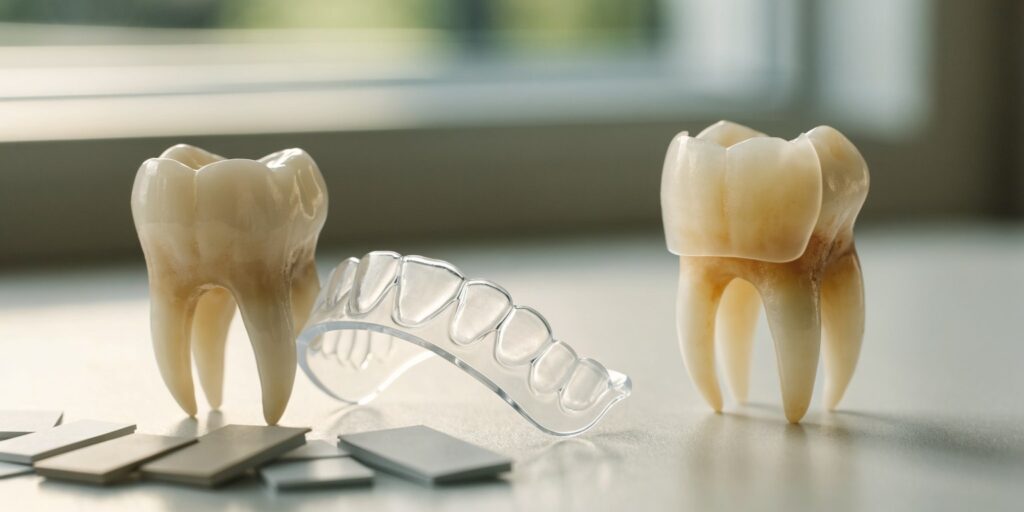


Natural Emax veneers depend on shade, translucency, tooth shape, surface texture and the underlying tooth. Learn what makes ceramic veneers look realistic.

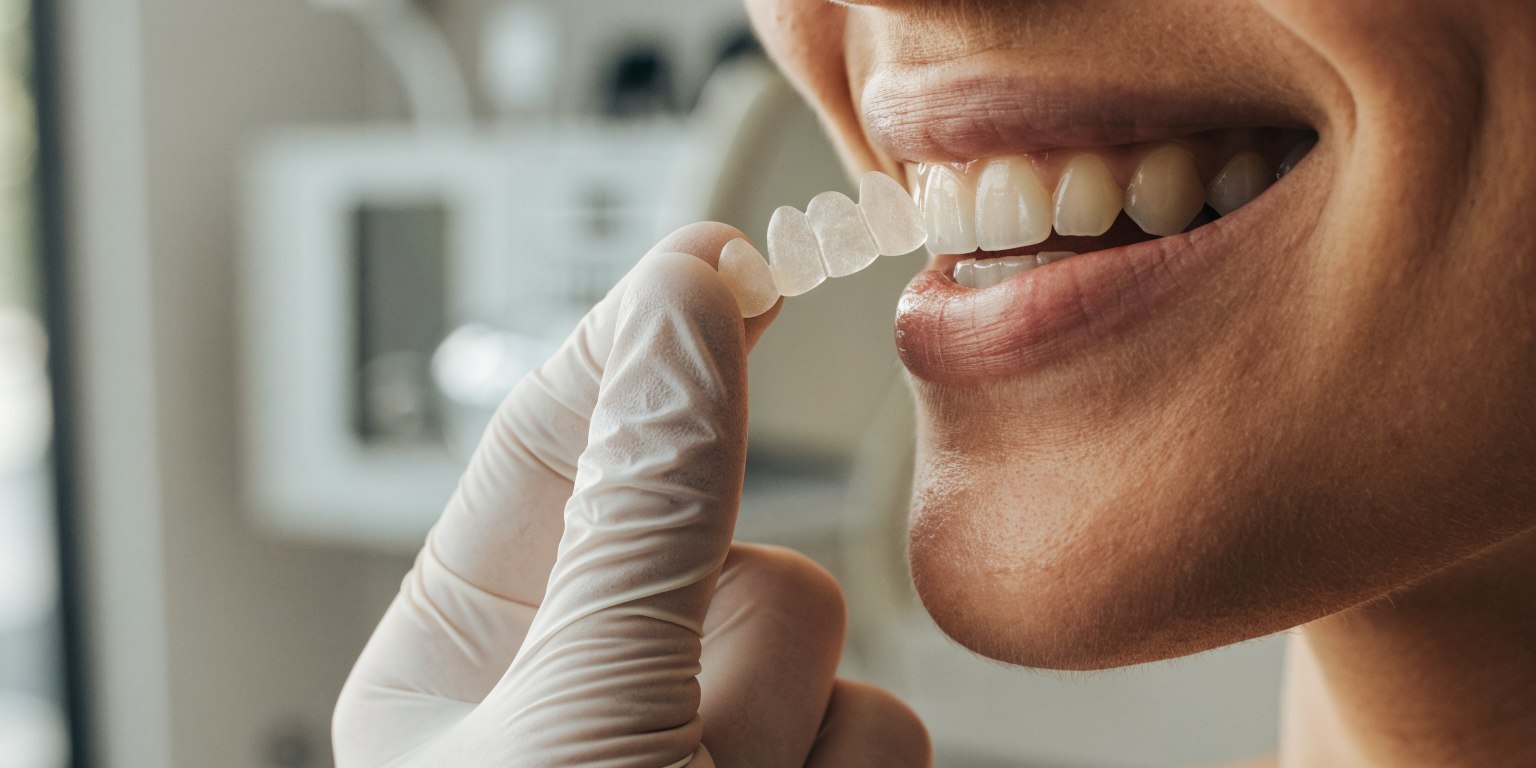
Yes, natural Emax veneers are possible when the material, shade, translucency, thickness, tooth preparation, surface texture and overall smile design are planned together. The ceramic alone does not create a natural result. A veneer can still look artificial if it is too bright, too opaque, too bulky, too symmetrical, or poorly matched to the surrounding teeth and gums.
E-max / IPS e.max is lithium-disilicate ceramic material-system terminology. A veneer is the restoration type. Lithium disilicate can provide useful optical properties for anterior restorations, but the final appearance is influenced by the underlying tooth color, ceramic thickness and translucency, resin cement, tooth shape, texture, light reflection and the patient’s individual smile.
Patients considering E-max veneer treatment at Niva Dental should therefore think in terms of a personalized aesthetic plan rather than a single “white veneer shade.”
Quick Answer: What Makes E-max Veneers Look Natural?
| Factor | Why it matters |
|---|---|
| Shade | The restoration should harmonize with neighboring teeth, skin, lips and the overall smile rather than simply being the whitest possible shade |
| Value | Lightness or darkness strongly affects whether a restoration appears too bright, gray or flat |
| Chroma | The intensity of color helps a tooth avoid looking unnaturally monochromatic |
| Translucency | Controls how much light passes through and how much the underlying tooth influences the final appearance |
| Ceramic thickness | Thinner ceramics usually transmit more underlying color; thicker ceramics can improve masking but may reduce translucency |
| Underlying tooth color | Dark or strongly discolored teeth can show through thin translucent veneers and may require different planning |
| Cement shade | Resin cement can modify the final color, although its effect may be smaller than the underlying tooth in difficult masking cases |
| Tooth shape | Width, length, line angles and incisal form should fit the person’s smile rather than follow one universal template |
| Surface texture | Fine ridges, grooves and luster affect how light reflects from the restoration |
| Gum harmony | Gingival health, tooth emergence and margin position influence whether veneers integrate naturally |
| Smile width | Veneers should blend with untreated teeth that remain visible when smiling and speaking |
| Individual variation | Natural teeth are not perfectly identical; controlled variation can prevent a “piano-key” appearance |
Why “Very White” Does Not Automatically Mean Natural
Natural-looking veneers are not defined by maximum whiteness. Real teeth show variations in lightness, color intensity, translucency and surface reflection.
Dental color is often described using three basic dimensions:
- Hue: the basic color family;
- Value: how light or dark the tooth appears;
- Chroma: the intensity or saturation of the color.
A review of shade selection in aesthetic dentistry explains that natural tooth shades vary widely and that hue, value and chroma are important for communicating tooth color. Shade selection can also be affected by lighting, surrounding colors, dehydration and visual perception.
This matters because a veneer can be technically “white” but still look unnatural if its value is too high compared with the rest of the smile.
For example:
- very high-value veneers can appear bright and opaque;
- low-value veneers can appear gray;
- excessive uniformity can remove the subtle variation seen in natural teeth;
- a shade that looks acceptable on a small shade tab may look very different when applied across several teeth.
A natural result usually requires selecting how bright the smile should be, not simply choosing the brightest available shade.
What Does Translucency Mean in E-max Veneers?
Translucency describes how much light passes through a ceramic rather than being completely reflected or blocked. It is one of the optical properties that can help lithium-disilicate veneers mimic aspects of natural enamel.
Natural enamel is not completely opaque. Light enters the tooth, interacts with enamel and dentin, and is scattered and reflected back.
Lithium-disilicate ceramics are available in different translucency and opacity levels. This flexibility can help a dentist and dental technician balance two competing needs:
- allowing enough light transmission for a lifelike appearance;
- masking enough of the underlying tooth when discoloration is present.
More translucency is not automatically better.
A highly translucent veneer placed over a dark substrate can transmit too much of the underlying color. A more opaque ceramic may mask better, but excessive opacity can make the restoration appear flat.
The correct optical choice depends on the tooth beneath the veneer.
Why the Underlying Tooth Color Matters So Much
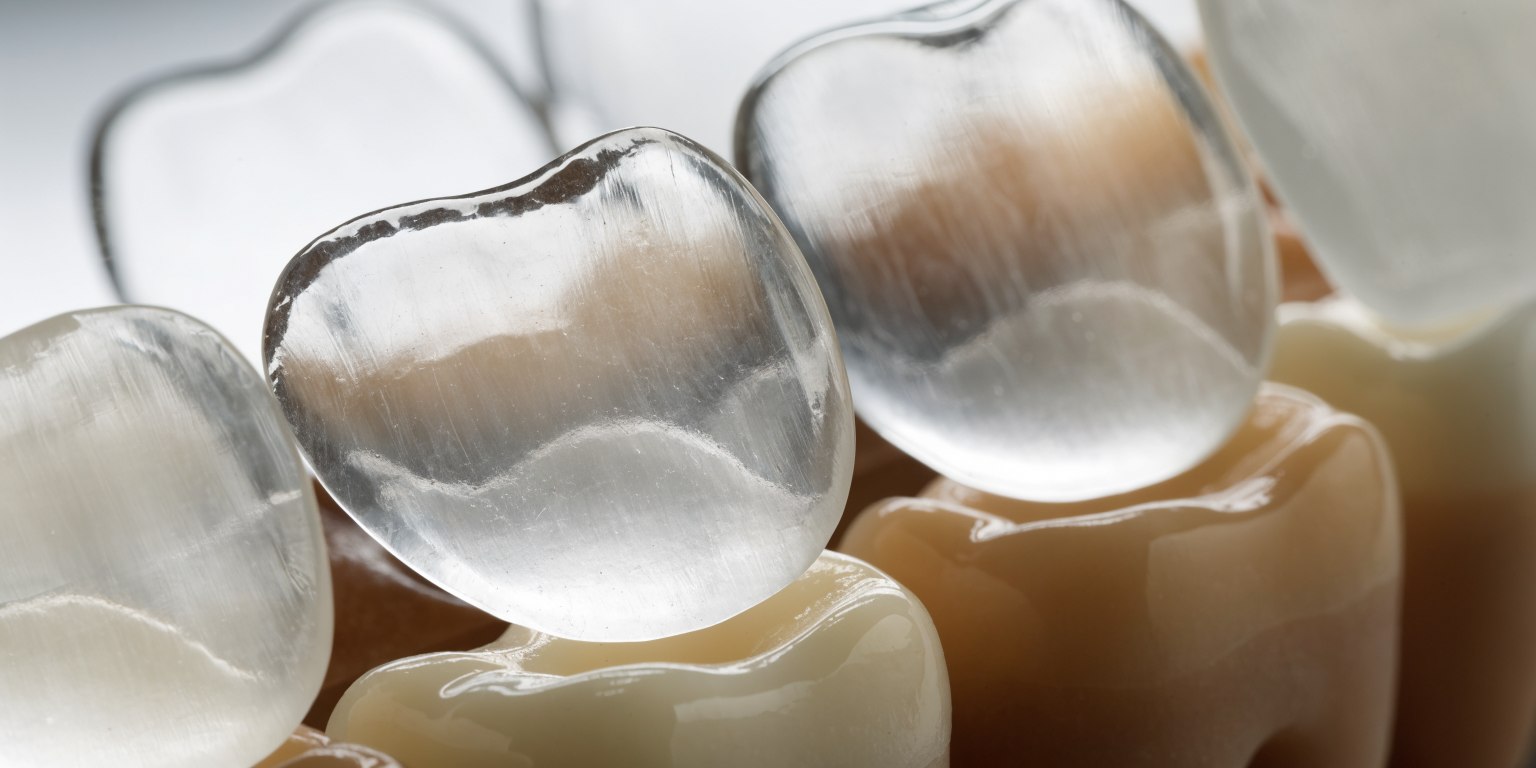
The color underneath a thin ceramic veneer can strongly affect the final result. This is especially important when the tooth is dark, discolored, non-vital, heavily restored or contains existing restorative material.
A 2025 laboratory study evaluated lithium-disilicate veneers with different translucencies and resin cement shades over normal and severely discolored substrates. In that experimental model, substrate shade was the dominant factor affecting final color, contributing far more to the model than ceramic translucency or cement shade.
No tested combination in the severely discolored group achieved the study’s threshold for clinically acceptable masking.
The practical lesson is not that dark teeth cannot receive veneers.
It is that a thin, highly translucent veneer cannot always hide a severely dark underlying tooth while still producing the desired final shade.
Possible clinical responses may include:
- selecting a different ceramic translucency or opacity;
- modifying ceramic thickness;
- changing preparation when clinically justified;
- using an appropriate resin cement shade;
- treating the cause of discoloration where possible;
- considering a different restoration design if masking needs become too extensive.
This is also why photographs alone cannot always predict the final optical result. The dentist must assess the actual tooth color and restorative substrate.
How Does Veneer Thickness Affect Natural Appearance?
Veneer thickness changes both translucency and masking ability. Thinner veneers generally allow more influence from the underlying tooth, while increasing ceramic thickness can improve masking and reduce translucency.
A study evaluating ceramic materials for laminate veneers found that thickness significantly affected translucency. Another study reported that when very thin high-translucency ceramic was used, masking of underlying color became more difficult.
This creates an important clinical trade-off.
The dentist wants to preserve as much healthy enamel as reasonably possible, but the dental technician also needs enough restorative space to create the intended shade and shape without making the veneer bulky.
Too little space can lead to:
- an overcontoured restoration;
- difficulty masking discoloration;
- compromised tooth proportions;
- or excessive opacity used to compensate for limited thickness.
Too much preparation removes unnecessary tooth structure.
The appropriate solution is not a universal millimeter value. It is a tooth-specific balance between conservation and the optical/restorative space needed for the case.
For preparation details, see Do E-max Veneers Require Tooth Shaving? What Patients Should Know.
Does the Cement Shade Change the Final Veneer Color?
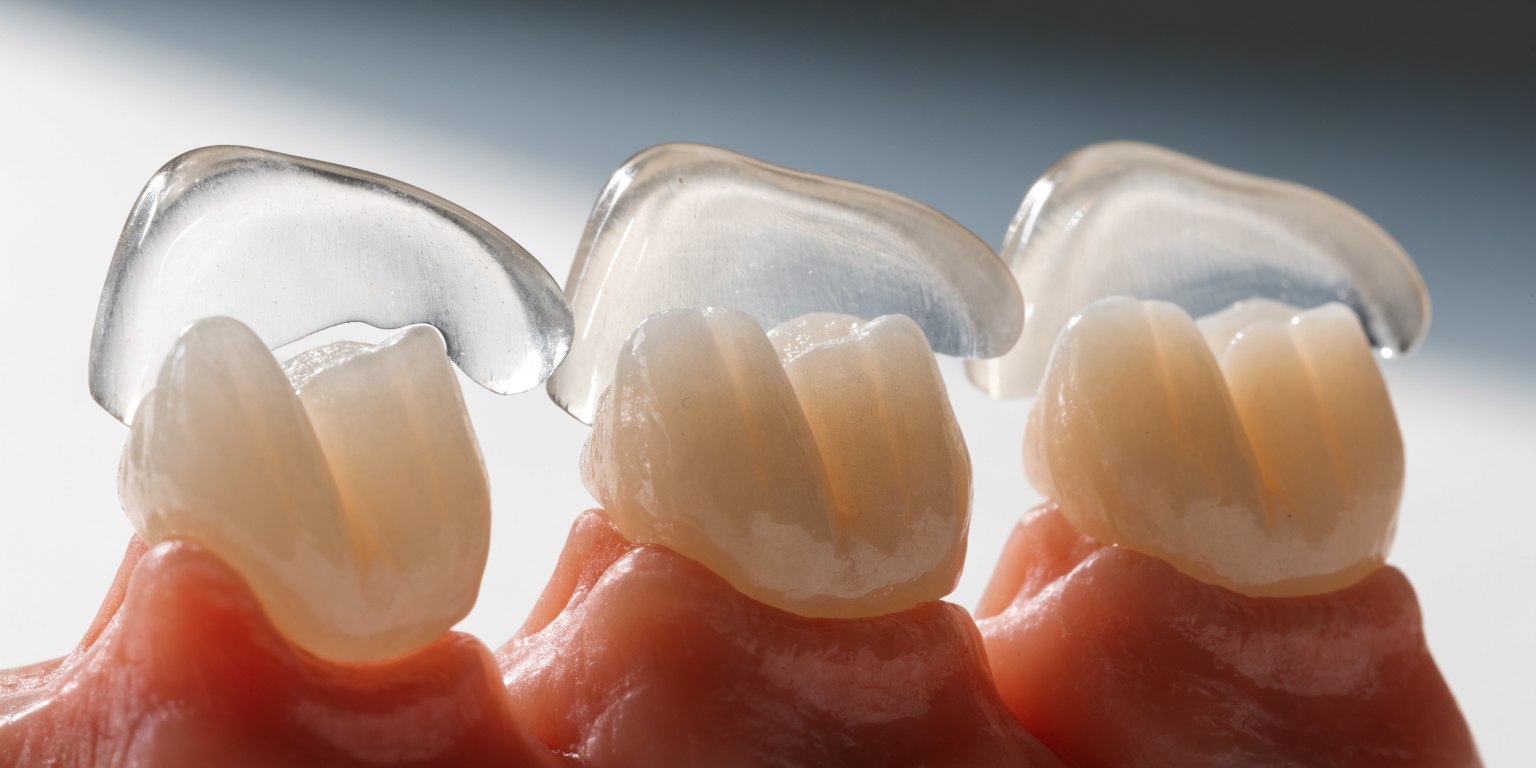
Yes, resin cement can influence the final appearance of a thin veneer, but its effect depends on the ceramic and the underlying tooth.
A 2026 narrative review of lithium-disilicate veneers found that most included studies did not show a consistent major shade-stability advantage for light-cured versus dual-cured cements. The review emphasized that cement selection should also consider factors such as:
- bond strength;
- cement shade;
- opacity;
- handling;
- and clinical indication.
Other optical studies show that cement shade can affect the final color of thin lithium-disilicate veneers.
However, cement should not be treated as a “filter” that can correct any mismatch.
If the underlying tooth is severely dark, changing cement shade alone may not solve the problem. Ceramic translucency, thickness and substrate color must be planned together.
What Tooth Shape Looks Natural?
A natural veneer shape should fit the patient’s existing anatomy, facial proportions, smile line and neighboring teeth rather than copy one standard “Hollywood” template.
Natural anterior teeth have:
- different widths and lengths;
- curved or flatter incisal edges;
- individual line angles;
- subtle developmental grooves;
- varied embrasures between teeth;
- differences between central incisors, lateral incisors and canines;
- age-related changes in edge form and surface texture.
A classic article on natural-looking ceramic morphology emphasizes the importance of reproducing transition angles, ridges, proximal slopes, labial grooves and surface texture because these structures change how a restoration reflects light and how wide or narrow a tooth appears.
This is especially important for the central incisors.
Two teeth can measure the same width but look different because their facial line angles are placed differently.
A natural veneer therefore depends on optical illusion as well as actual dimensions.
Why Surface Texture and Luster Matter
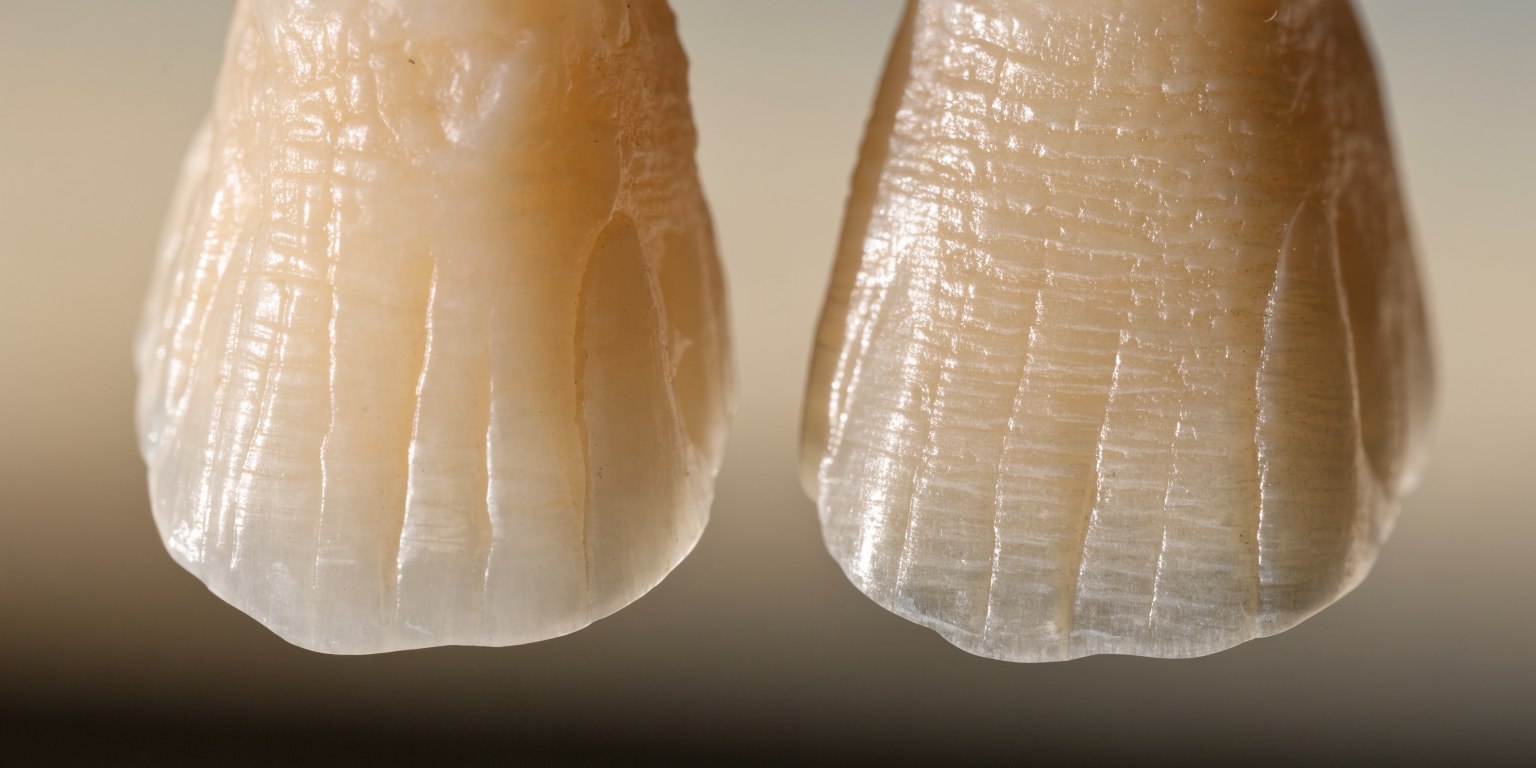
Surface texture controls how light reflects from a veneer, and that reflection strongly affects whether the tooth appears natural, flat, glossy or artificial.
Natural enamel is not a perfectly smooth sheet of white material.
Depending on age and wear, the surface may contain:
- subtle horizontal and vertical texture;
- developmental grooves;
- small variations in luster;
- changes between the cervical, middle and incisal thirds.
Research on ceramic restoration morphology has shown that surface ridges and grooves influence light reflection and visual dimensions.
If every veneer has the same smooth, high-gloss surface, the smile may appear more artificial even if the basic shade is correct.
Texture should also be controlled rather than exaggerated.
The goal is to reproduce the visual behavior of enamel—not to carve decorative grooves into every tooth.
Should E-max Veneers Be Perfectly Symmetrical?
No. Aesthetic balance matters, but perfect mirror-image symmetry can look artificial.
Natural teeth are related to one another, but they are not industrially identical.
A refined veneer design may preserve or create small differences in:
- incisal edge shape;
- tooth length;
- surface texture;
- translucency;
- line-angle position;
- and light reflection.
The central incisors usually require strong visual harmony because they dominate the smile. Lateral incisors and canines can show more natural variation.
The key is controlled asymmetry.
A visible defect should not be deliberately created for the sake of “naturalness,” but eliminating every tiny difference can produce the opposite problem: a smile that looks manufactured.
Can Very Dark Teeth Still Look Natural With E-max Veneers?
Sometimes, but dark underlying teeth make veneer planning more demanding.
The dentist and technician must decide how much masking is required without creating:
- excessive thickness;
- excessive opacity;
- an overbulked contour;
- or unnecessary tooth reduction.
The 2025 masking study discussed earlier found that severe substrate discoloration remained difficult to mask predictably in all tested lithium-disilicate combinations.
This means some patients may need:
- more opaque ceramic;
- different restorative thickness;
- treatment of the underlying tooth;
- or, in selected structurally compromised cases, a different restoration type.
A veneer is not automatically the correct restoration simply because the patient wants a natural white tooth.
If the tooth is heavily restored or structurally weakened, see E-max Veneers vs Crowns: What Is the Difference?.
How Should Shade Be Selected?
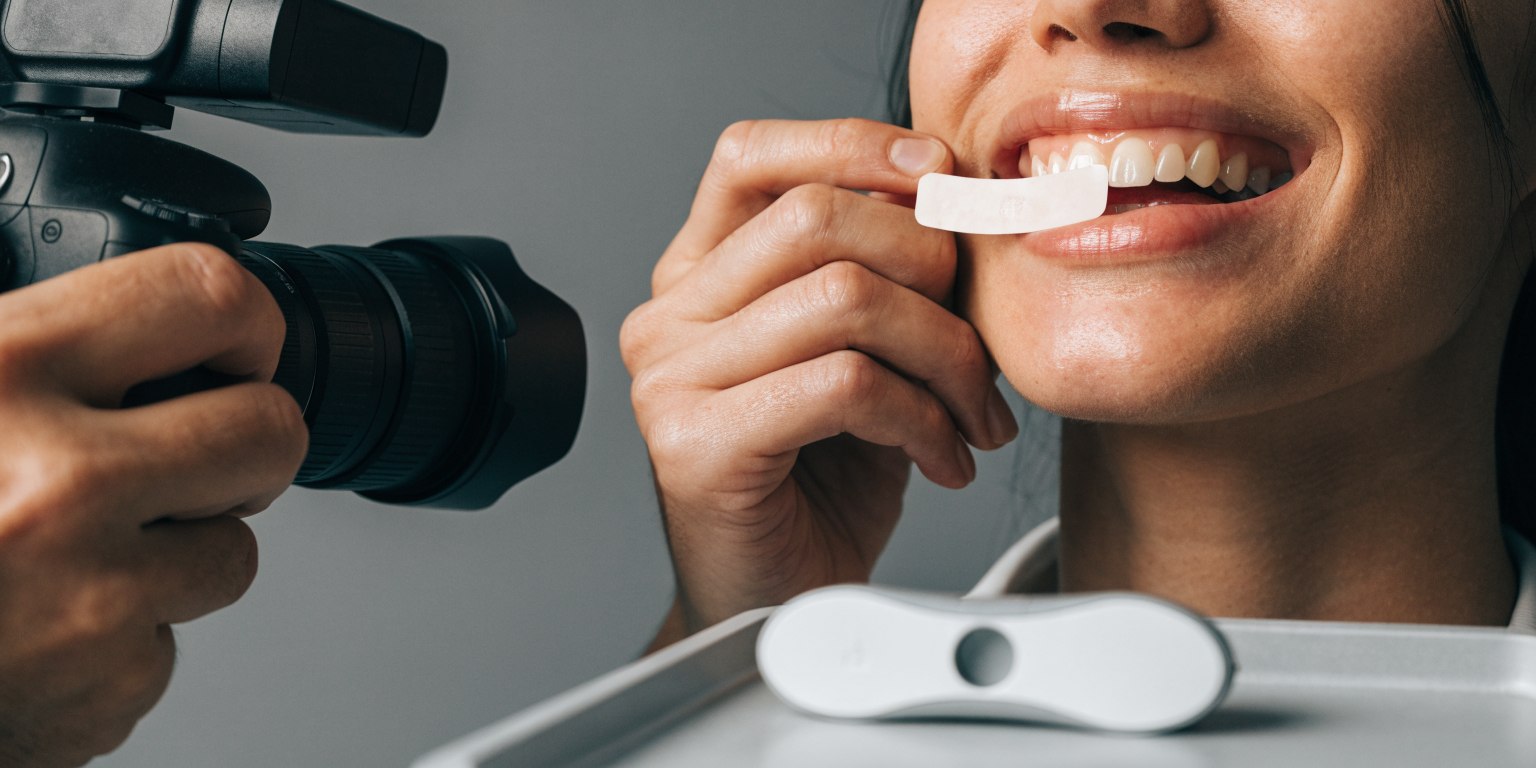
Shade selection should combine clinical observation with objective records where appropriate rather than relying on memory or one smartphone photograph.
Systematic reviews of shade-selection methods have found that instrumental approaches such as digital photography, colorimeters and spectrophotometric measurement can improve accuracy or repeatability compared with visual shade tabs alone in many settings.
Useful shade records may include:
- calibrated clinical photography;
- conventional shade tabs;
- digital shade measurement where available;
- photographs with shade references beside the tooth;
- documentation of the underlying tooth/substrate color;
- communication of translucency and surface characterization to the laboratory.
Lighting conditions matter.
Teeth can also appear temporarily lighter when dehydrated during treatment, so final shade decisions should not rely on a dry tooth alone.
Can a Natural-Looking Smile Still Be Bright?
Yes. “Natural” does not mean dark or yellow. A smile can be bright and still look believable if shade, value, translucency, texture and tooth form remain coherent.
Some patients prefer:
- a subtle improvement close to their original tooth color;
- a brighter but still naturally varied smile;
- or a deliberately high-value cosmetic result.
The important part is informed planning.
Patients should be able to discuss:
- how bright they want the final smile;
- whether untreated teeth will remain visible;
- how the veneer shade will transition into natural premolars;
- whether whitening untreated teeth first would help;
- and whether the proposed shade still works with the planned ceramic translucency.
For broader planning across multiple visible teeth, see How Many E-max Veneers Do You Need: 6, 8, 10 or More?.
What Should International Patients Ask Before Choosing Natural-Looking Veneers in Turkey?
International patients should ask how the clinic plans the optical and anatomical details of the veneers—not only whether it offers “natural E-max.”
Useful questions include:
- What exact ceramic material is proposed?
- What is the starting shade of each tooth?
- Are any teeth significantly darker than the others?
- What veneer translucency or opacity is being considered?
- How will the ceramic thickness interact with the underlying tooth color?
- How will the final shade be selected and documented?
- Will untreated teeth remain visible when I smile?
- Should those natural teeth be whitened before final shade selection?
- Can I preview the planned shape before final treatment?
- How will tooth width, length, line angles and incisal edges be individualized?
- How will surface texture and gloss be matched to natural enamel?
- What happens if the try-in looks too bright, opaque or bulky?
- Are any proposed restorations actually crowns rather than veneers?
- How much tooth preparation is expected?
Niva Dental is located in Bakırköy, Istanbul. Patients traveling for treatment can review the Niva Dental patient journey for broader consultation and travel planning.
When treatment involves a complete multi-tooth smile design rather than isolated veneers, Niva Dental’s Hollywood Smile page provides the broader treatment-planning context.
Natural Emax Veneers: The Practical Formula
For natural emax veneers, the most useful formula is not:
white ceramic + straight teeth = natural smile
It is:
appropriate tooth selection + conservative preparation + correct substrate assessment + suitable ceramic translucency + controlled shade/value + individualized shape + natural surface texture + healthy gums + realistic smile integration
A natural result is therefore created by a system, not by one material property.
E-max can be an excellent optical material for selected anterior veneer cases, but lithium disilicate does not automatically guarantee a natural appearance.
The final restoration must work with the patient’s own teeth, tissues, face and preferences.
Frequently Asked Questions
Do E-max veneers look like real teeth?
They can look highly natural when shade, translucency, thickness, shape, texture and the underlying tooth are planned together. Lithium disilicate has optical properties that can support enamel-like effects, but the material alone does not guarantee a natural result. Poor shade selection, excessive opacity or bulky contours can still make veneers look artificial.
What shade of E-max veneers looks most natural?
There is no single “most natural” veneer shade. The correct shade depends on the surrounding teeth, desired brightness, skin and lip context, the number of veneers, the underlying tooth color and patient preference. Value, chroma and translucency can be as important as the basic shade designation.
Are translucent veneers always more natural?
No. Translucency can help mimic natural enamel, but too much translucency can allow a dark underlying tooth to show through. More opaque ceramics may be needed for masking in selected cases. The correct balance depends on substrate color, ceramic thickness, material and the desired final shade.
Can E-max veneers hide dark teeth?
They can mask some discoloration, but severely dark substrates can be challenging. Research shows that the underlying tooth shade can strongly influence the final color of thin lithium-disilicate veneers. More opacity, different thickness, substrate treatment or another restoration design may be required depending on the clinical situation.
Can veneers look natural if I choose a very white shade?
Yes, but a very bright smile requires careful control of value, translucency, tooth shape and texture. A high-value restoration can look artificial if every tooth is equally opaque, identical and glossy. Patients who prefer a bright result should preview how that shade works with their face and untreated teeth.
What makes veneers look fake?
Common aesthetic causes include excessive whiteness, high opacity, bulky contours, identical tooth shapes, incorrect proportions, poor shade transition to natural teeth, flat surface texture and visible gum or margin problems. A fake appearance is usually a planning and execution issue rather than a single material problem.
Does veneer thickness affect how natural it looks?
Yes. Thickness influences both translucency and masking. Very thin veneers allow more underlying tooth color to affect the final result, while thicker ceramic can improve masking but reduce translucency. The dentist must balance preservation of enamel with enough restorative space for the intended optical result.
Can one E-max veneer match the teeth beside it?
It can, but matching a single front tooth can be technically demanding because natural teeth contain subtle variations in shade, translucency, texture and fluorescence. Careful photography, shade communication and laboratory characterization may be needed to blend one ceramic restoration into untreated neighboring teeth.
Do E-max veneers stay the same color?
Lithium-disilicate ceramic generally has good color stability, but the overall smile can still change. Natural neighboring teeth can darken, gum levels can change, margins can discolor and surface deposits can accumulate. Resin cement and the underlying tooth may also influence the perceived final color over time.
Can I preview whether my veneers will look natural?
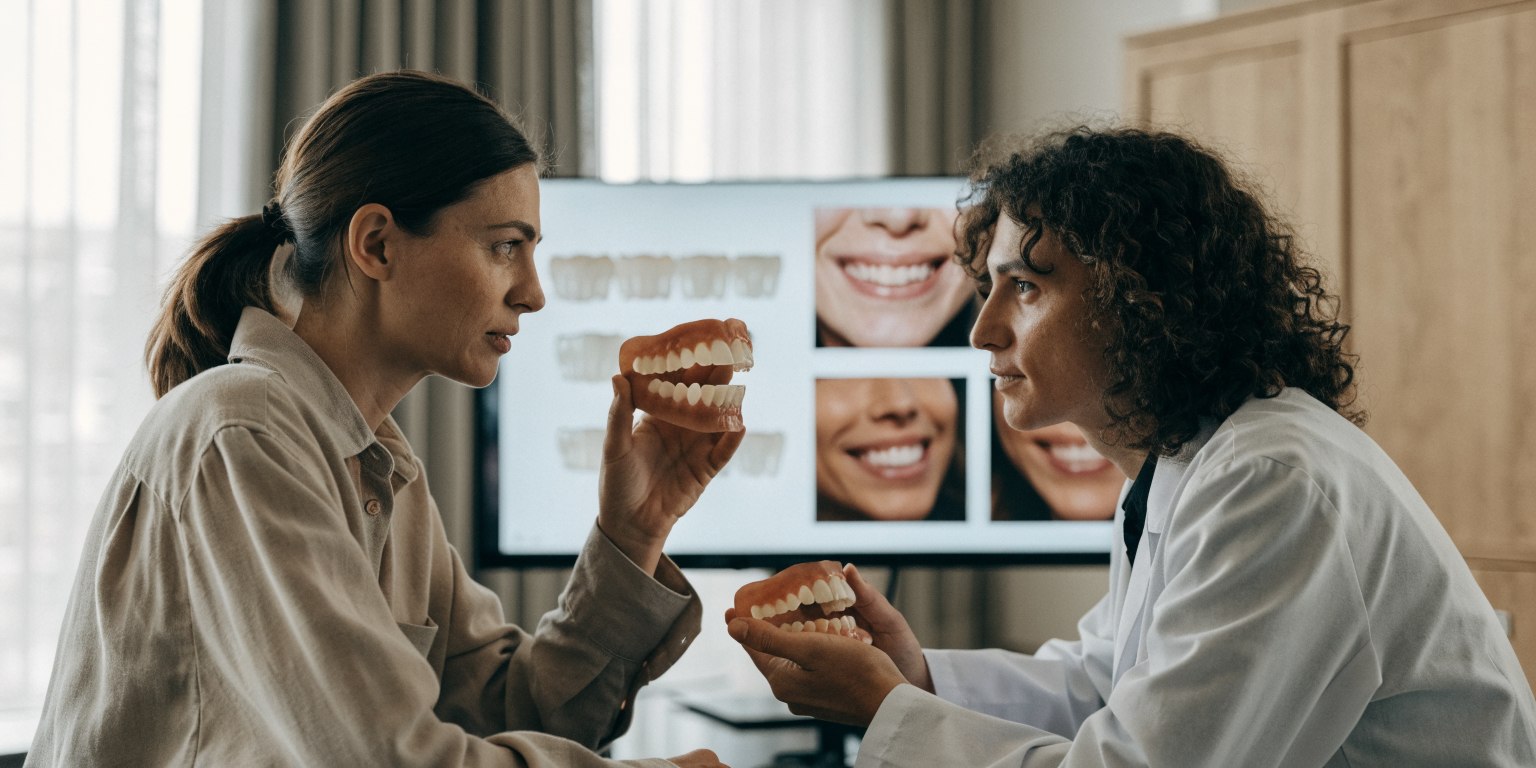
Often, treatment planning can include photographs, digital design, a diagnostic wax-up, mock-up or try-in stage. These tools can help evaluate tooth length, width, shade direction and smile integration. A preview is useful, but it does not replace assessment of tooth health, enamel, bite and preparation requirements.
Patients considering natural-looking E-max veneers can contact Niva Dental in Bakırköy, Istanbul for an initial aesthetic and clinical assessment. Final shade, translucency, tooth shape, preparation and restoration choice should be individualized after evaluating the natural teeth, gums, bite and underlying tooth color.
Medical References and Sources
| Source | What It Supports |
|---|---|
| American Dental Association / MouthHealthy — Veneers | Veneer treatment basics, porcelain veneer preparation, shade matching with natural teeth, irreversibility and clinical limitations. |
| Velasco D, et al. — Masking discolored substrates with lithium disilicate veneers and resin cements — PMID 40825404 | 2025 evidence showing that substrate shade, ceramic translucency and cement shade influence final veneer color, with substrate color strongly affecting severe-discoloration cases. |
| Effect of Thickness and Translucency on Color Change and Masking Ability of Ceramic Materials Used for Laminate Veneers — PMID 37194571 | Evidence that ceramic thickness and translucency affect masking ability and final color, especially in thin veneers. |
| Saláta J, et al. — Quantitative examination of factors influencing the colour reproduction ability of lithium disilicate glass-ceramics — PMID 38840111 | 2024 study on the interaction of translucency, ceramic thickness and substrate color in lithium-disilicate restorations. |
| Jedliński M, et al. — A Clinician’s Perspective on the Accuracy of the Shade Determination of Dental Ceramics — PMID 38540994 | 2024 systematic review supporting objective/instrumental shade assessment as an adjunct to visual methods. |
| Rejto D, Balevi B. — Comparing the shade stability of lithium disilicate veneers bonded with a light-curing or dual-curing resin cement — PMID 41418055 | 2026 review on resin-cement shade stability and the need to consider cement shade, opacity, bonding and clinical handling together. |
| Gallucci GO, et al. — Achieving natural-looking morphology and surface textures in anterior ceramic fixed rehabilitations — PMID 17514883 | Supports the importance of morphology, line angles, ridges, grooves and surface texture in natural visual integration. |
| Ivoclar — IPS e.max CAD | Technical confirmation that IPS e.max CAD is lithium-disilicate glass-ceramic and is available for multiple restorative indications including veneers; used only for material-specific facts. |