


The first question on almost everyone’s mind who is considering a hair transplant is the same: “Will the results look natural?” Because it’s not just about regrowing hair. What truly matters is that the transplanted hair blends seamlessly with facial features, the hairline doesn’t look unnatural, and when the person looks in the mirror, they …

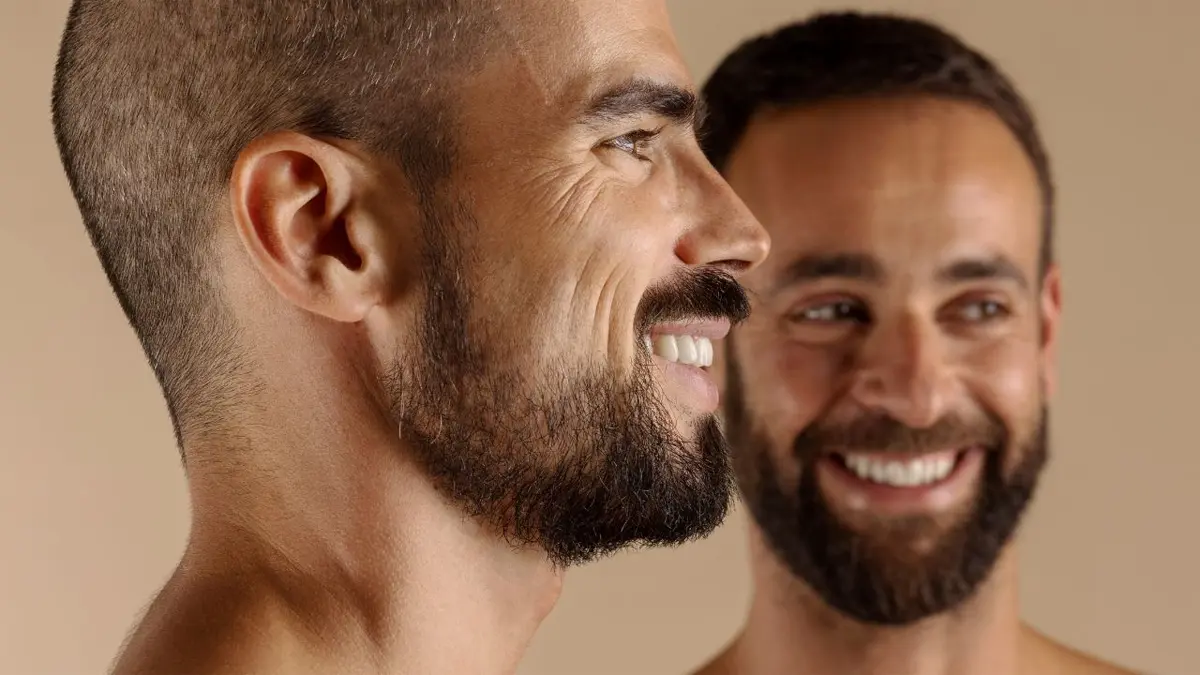
The first question on almost everyone’s mind who is considering a hair transplant is the same: “Will the results look natural?” Because it’s not just about regrowing hair. What truly matters is that the transplanted hair blends seamlessly with facial features, the hairline doesn’t look unnatural, and when the person looks in the mirror, they feel as though they’ve regained their own hair—not that they’ve had a transplant. This is why the topic of Natural-Looking Hair Transplantation is one of the most critical measures of success in hair transplantation.
In a well-planned hair transplant, the goal is not merely to fill in the bald spot; it is to recreate the hair’s direction, angle, density, and frontal hairline design according to the person’s age, bone structure, and existing hair characteristics. In other words, a natural result does not happen by chance. It is achieved through a combination of technical expertise, an aesthetic eye, and careful execution.
The encouraging news here is this: Yes, Natural-Looking Hair Transplantation is possible. However, this requires the right clinic, proper planning, and a personalized approach. Hair transplantation is not a one-size-fits-all procedure. A design that looks very successful on one person may appear unnatural on another. Therefore, a natural appearance is achieved not by “planting a lot of grafts,” but by transplanting the right number of grafts in the right places at the correct angles.
Why Isn’t Natural-Looking Hair Transplantation Planned the Same Way for Everyone?
One of the biggest mistakes in hair transplantation is applying the same hairline and density plan to everyone. Yet, each person’s forehead width, facial proportions, hair shaft thickness, hair color, and type of hair loss are different. That’s why Natural-Looking Hair Transplantation must be designed specifically for the individual.
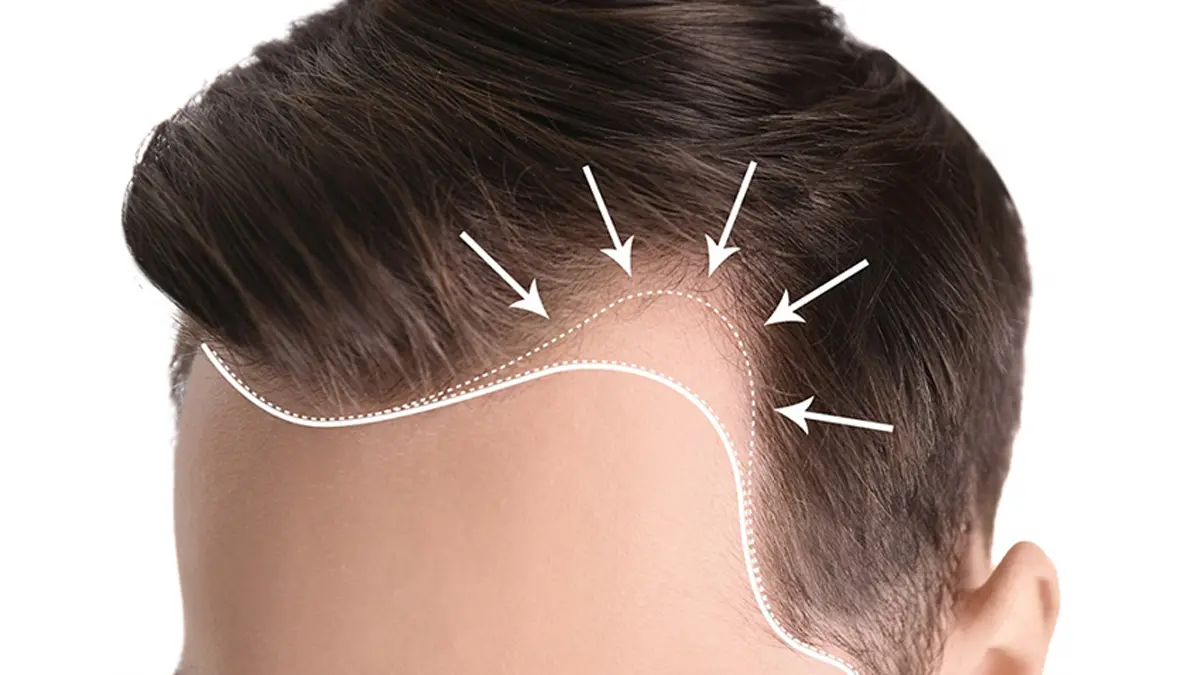
For example, a very straight and rigid front hairline draws attention at first glance. In nature, a hairline isn’t drawn with a ruler. It requires slight indentations, small irregularities, and natural transitions. Similarly, the hairline created for a 20-year-old should not be the same as the one planned for a 40-year-old. A hairline that is positioned too far forward, typical of a younger person, may lose its natural appearance as the years go by.
When planning for a natural look, the following factors are considered:
- Face shape and forehead proportion
- The structure of the existing hair
- Donor area capacity
- The risk of future hair loss
- Age and the person’s overall appearance
- The direction of hair growth and its natural flow
What matters here is not just the present but also considering the future a few years down the line. Because a successful hair transplant is not judged by photos taken in the first month; it is truly considered successful when it maintains its presence seamlessly in daily life without being noticed.
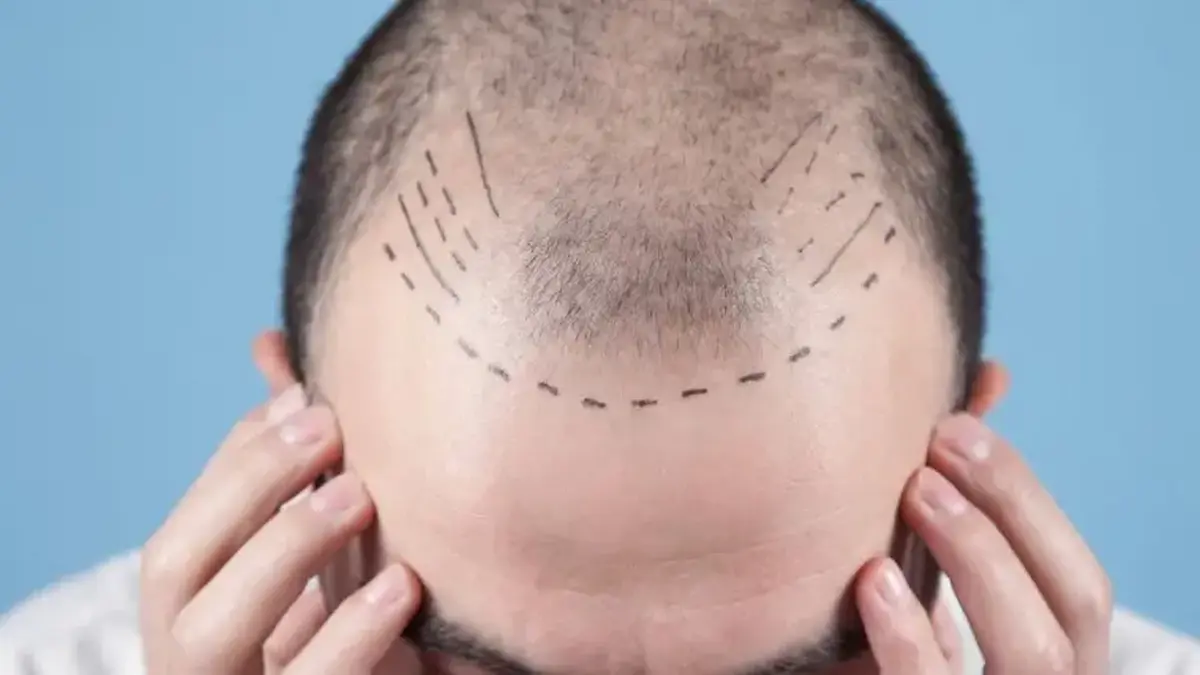
How Is the Hairline Designed for a Natural-Looking Hair Transplant?
The area that most determines whether a hair transplant looks natural is the front hairline. This is the first thing people notice when looking at you. Therefore, in the planning of a Natural-Looking Hair Transplant, hairline design is perhaps the most delicate stage of the procedure.
There are key points to consider when creating a natural hairline. First, the line should not be too sharp. A slightly curved, micro-irregular, and face-harmonious structure is preferred. Second, single grafts should be used along the front line. This is because using multiple grafts in the front area can cause the hair to appear thick and in artificial clumps.
The following principles are generally applied in natural hairline design:
- A softer and sparser transition is created along the front line
- Single grafts are placed in the very front row
- The direction of hair growth is adjusted according to the natural flow
- Temple transitions are planned to suit the face shape
- The hairline is not independent of age but is established in harmony with it
The key point here is this: A natural appearance is sometimes achieved through “less but more precise transplantation.” While a very dense and straight front hairline may look impressive at first, it can create an artificial appearance over time. In contrast, a well-designed hairline blends seamlessly with the face and provides a sense of harmony without drawing attention.
What Techniques and Application Details Ensure a Natural-Looking Hair Transplant?
From a technical perspective, how the method is applied is just as important as the method itself for achieving natural results. Modern techniques like FUE and DHI can yield highly successful results when performed by skilled practitioners. However, the technique alone does not guarantee a natural appearance. The key factors for Natural-Looking Hair Transplantation are the channel creation plan, graft placement, density distribution, and the accurate replication of hair directions.
Especially in the front region, hair strands emerge from the scalp at a slight angle rather than straight up. If this angle is not maintained during the procedure, the hair may later grow upward like a brush. This significantly compromises the natural appearance. Similarly, transplanting at the same density across the entire area is also incorrect. A transition plan must be established between the front hairline and the central area.
The primary factors supporting a natural result in technical application are as follows:
- Harvesting grafts without damage
- Transplanting hair follicles within an appropriate timeframe
- Adjusting channel angles according to regional variations
- Separate planning of density for the front, central, and crown areas
- Proper distribution of thick- and thin-haired grafts to the correct regions
In a good procedure, the goal is not just for the hair to grow, but for it to grow “as it should.” This distinction determines whether the result is professional or ordinary.
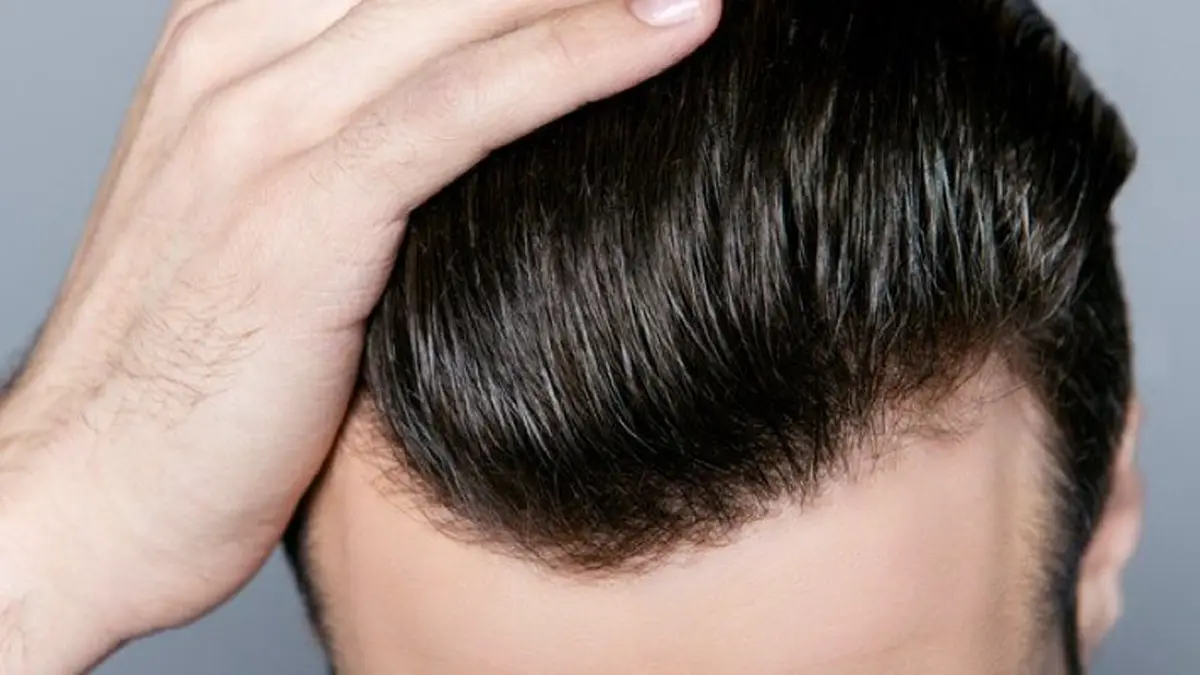
What Are the Most Critical Factors Affecting a Natural-Looking Hair Transplant Result?
Many people attribute a natural result solely to the moment of the procedure. However, the process is much broader. For a Natural-Looking Hair Transplant, pre-operative analysis, technical quality during the procedure, and post-operative care must be considered as a whole.
First and foremost, the quality of the donor area is very important. The denser, thicker, and better the structure of the hair in the back of the head, the more satisfying the transplant result can be. Second, the patient’s type of hair loss must be accurately analyzed. If the hair loss process is still active, simply filling in existing gaps may not be sufficient. If the surrounding hair falls out in the future, the transplanted area may end up isolated, disrupting the aesthetic balance.
Another key factor is the healing process. Mistakes in the first few days—such as friction, improper washing, excessive sun exposure, or prematurely picking at scabs—can affect graft take. This can lead to loss of density and irregular growth.
We can summarize the key factors influencing a natural result as follows:
- Experience of the doctor and team
- Customized design
- Proper management of the donor area
- Accurate placement of graft angles
- Adherence to post-operative care instructions
- Accounting for future hair loss
In other words, a natural appearance is built not only in the clinic but also through the management of the process.
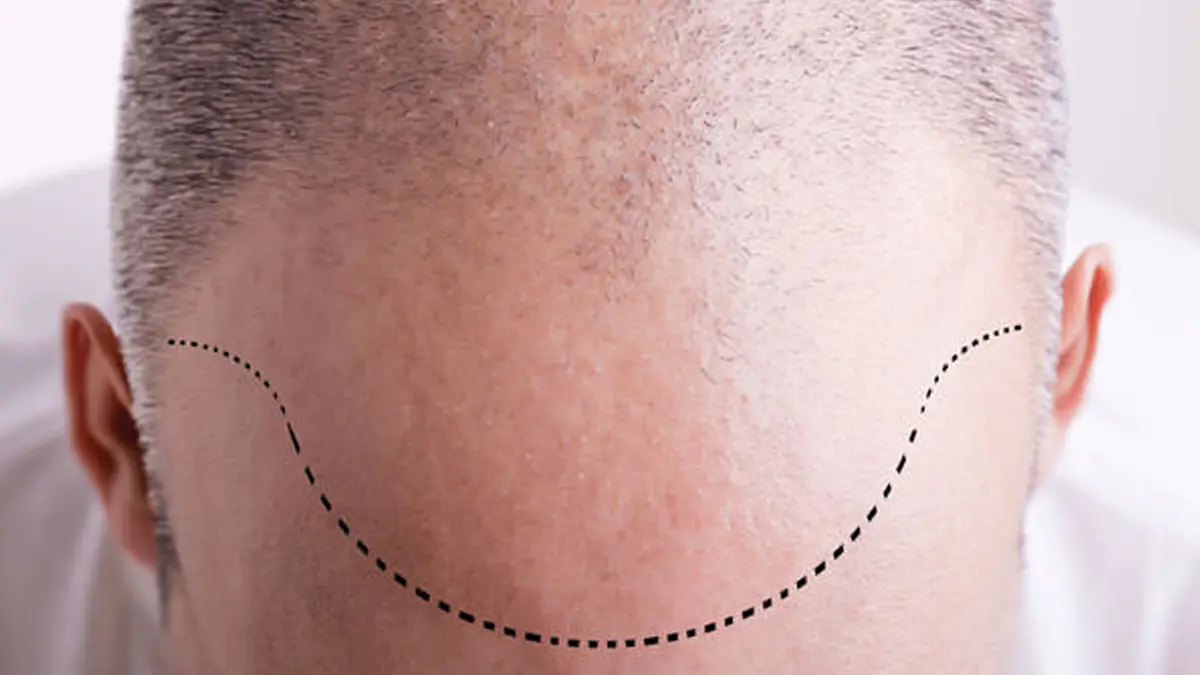
When Do the Results of a Natural-Looking Hair Transplant Become Clear?
The most eagerly anticipated aspect after a hair transplant is when the results will become visible. However, it is important to be realistic here. Natural-Looking Hair Transplant results do not appear the very next month. Experiencing shock loss during the initial period is quite normal. Transplanted hair strands may fall out; what truly matters is that the roots continue to survive beneath the skin.
The first 3 months are generally a quiet period. Starting from the 4th month, new hair begins to grow. A noticeable difference becomes apparent around the 6th month. By 9 to 12 months, the results are largely established. In some areas, such as the crown, the final appearance may take a bit longer to fully develop.
The key point for the individual to understand during this process is this: A natural appearance is not achieved merely by the hair growing out, but by it thickening and maturing. The first strands to grow may be thinner. Over time, the hair structure strengthens, becomes manageable, and appears more cohesive.
With patience and proper follow-up, a well-planned transplant can often become so natural that it’s barely noticeable from the outside. After all, the ideal result is not for people to say, “You’ve had a hair transplant,” but rather, “You look great.”
What Should You Look for When Choosing a Clinic for a Natural-Looking Hair Transplant?
The greatest advantage for someone seeking a natural result is asking the right questions before the procedure. Because every center promises a “natural result”; but what truly delivers this is not the words used, but the quality of the procedure.
When choosing a clinic, pay special attention to the following:
- Are the examples of the front hairline truly natural?
- Are the shared results shown in close-up and from different angles?
- Has the donor area been preserved, or has excessive harvesting been done?
- Is the same hairline applied to every patient?
- Who is the specialist planning and overseeing the procedure?
- Is there a post-operative follow-up process?
For someone seeking a natural look, the most appropriate approach is to focus on “proper planning” rather than the “maximum grafts” approach. Because in hair transplantation, aesthetic success is measured by balance, not by numbers.