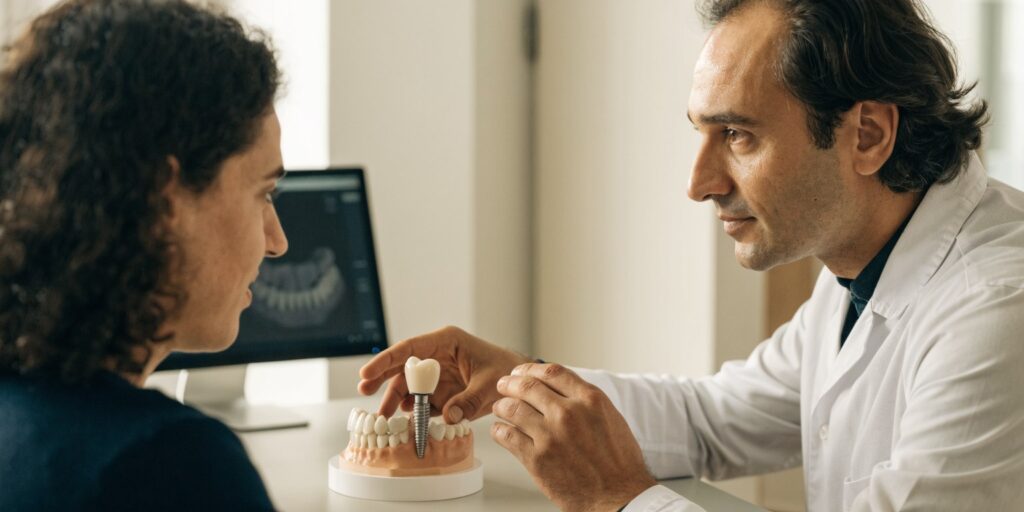



Smoking does not automatically rule out dental implants, but it is a clinically important modifiable risk factor. This guide explains how smoking affects healing, implant failure risk, peri-implant tissues, quitting, vaping and treatment planning.

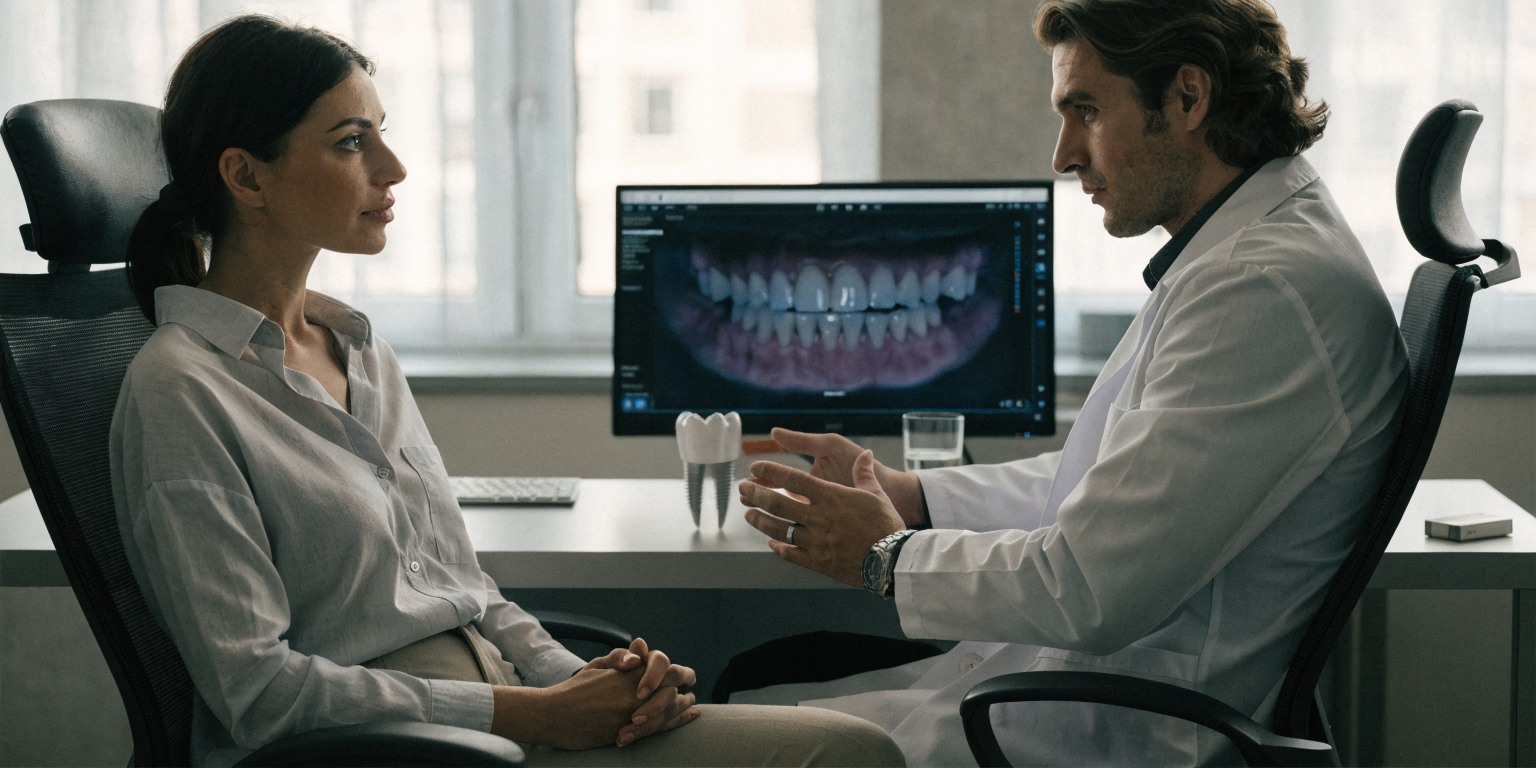
Smokers can sometimes receive dental implants, but smoking is an important modifiable risk factor rather than a harmless background habit. Current evidence associates cigarette smoking with poorer implant survival, greater early implant failure risk, more crestal bone loss and more biological complications around implants than in nonsmokers.
That does not mean every smoker will lose an implant or that smoking is an absolute contraindication in every case. It means the dentist should evaluate smoking alongside gum health, available bone, oral hygiene, medical history, implant location and any need for grafting before deciding whether treatment is appropriate.
For a broader explanation of implant candidacy, planning and treatment stages, see Niva Dental’s guide to dental implants in Turkey.
Can Smokers Get Dental Implants?
Yes, some smokers can be candidates for dental implants, but smoking can change the risk-benefit balance of treatment. A 2026 systematic review concluded that tobacco smoking is not considered an absolute contraindication to implant therapy, while also finding lower implant survival and greater crestal bone loss in cigarette smokers.
The practical question is therefore not simply, “Do you smoke?” It is:
How does your smoking history interact with the condition of your gums, bone, planned surgery and ability to maintain the implant afterward?
Assessment may include:
- how much and how often you smoke;
- current gum and periodontal health;
- plaque control and oral-hygiene habits;
- available bone at the implant site;
- whether bone grafting or other regenerative surgery is planned;
- diabetes control and other relevant medical factors;
- the number and location of implants;
- previous implant or periodontal problems;
- willingness to stop smoking around treatment and during healing;
- ability to attend long-term maintenance visits.
The U.S. Food and Drug Administration specifically advises patients to discuss smoking with their dental provider because smoking may affect healing and reduce the long-term success of dental implants.
How Does Smoking Affect Dental Implant Healing?
Smoking can interfere with the biological environment needed for surgical healing and implant integration. Dental implant treatment depends on both soft-tissue healing around the surgical site and osseointegration, the process through which bone develops a stable connection with the implant surface.
Cigarette smoke exposes tissues to substances that can affect blood flow, oxygen delivery, immune response and wound healing. The FDA’s dental implant guidance identifies delayed healing as a concern that may be more likely in patients who smoke.
Smoking matters at more than one stage:
| Treatment stage | Why smoking matters |
|---|---|
| Before surgery | Existing gum disease, inflammation and smoking history can affect treatment planning |
| Early wound healing | The surgical tissues need adequate blood supply and stable healing |
| Osseointegration | The implant must develop an appropriate biological connection with surrounding bone |
| Bone graft healing | Regenerative procedures place additional demands on healing tissues |
| Long-term maintenance | Smoking is associated with poorer peri-implant tissue outcomes and increased implant complications |
The key distinction is that feeling comfortable after surgery does not mean osseointegration is complete. Early soreness may settle long before the implant has completed the deeper bone-healing phase.
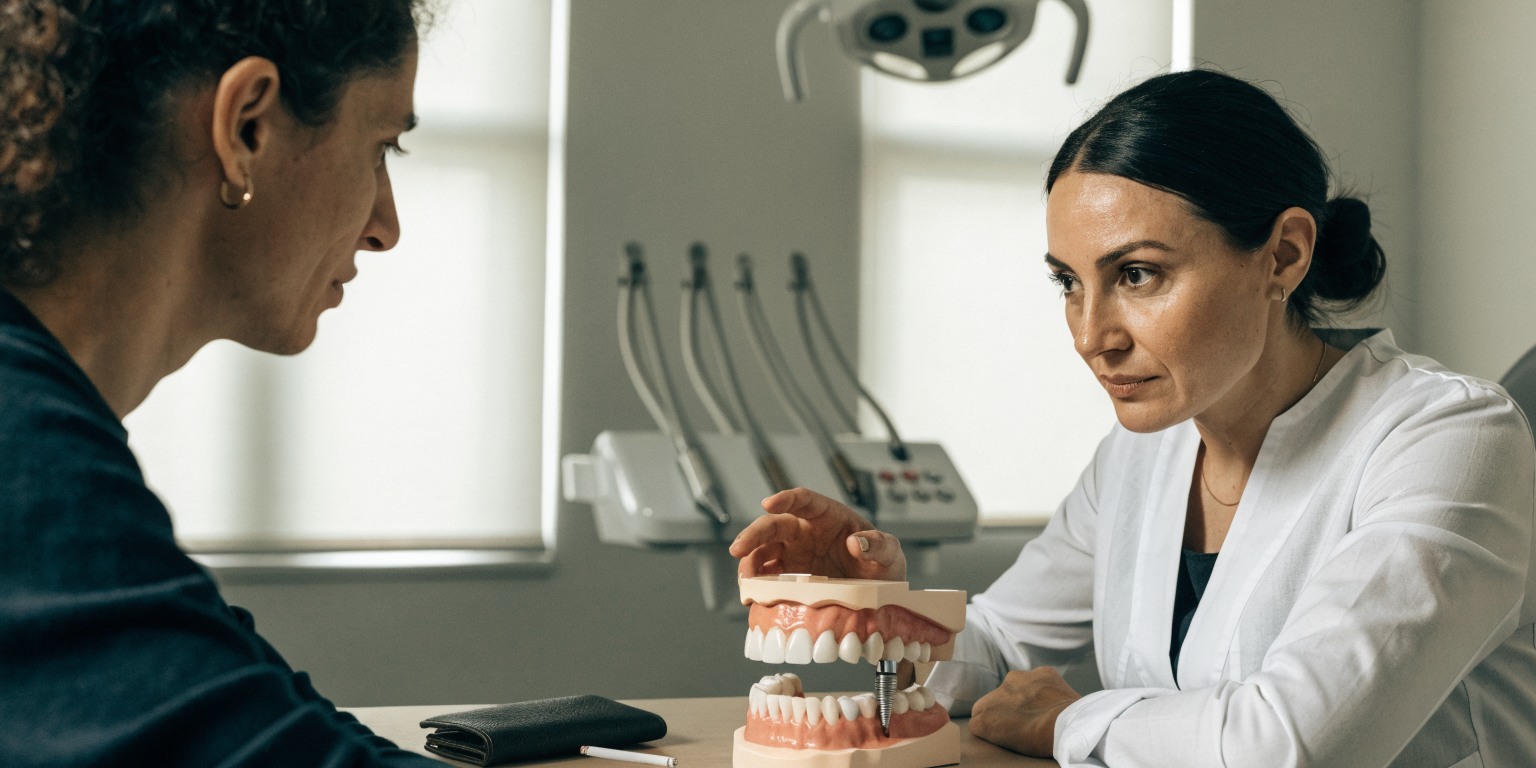
Does Smoking Increase the Risk of Dental Implant Failure?
Yes. Multiple systematic reviews and meta-analyses associate cigarette smoking with a higher risk of dental implant failure, although the exact risk for an individual patient cannot be predicted from a population statistic.
A 2024 systematic review and meta-analysis included 32 observational studies and found smoking was associated with increased early dental implant failure. At the implant level, the pooled odds ratio was 2.59 compared with nonsmoking. At the patient level, cohort studies also showed a higher early-failure risk among smokers. See the PubMed record for the 2024 meta-analysis.
A newer 2026 systematic review of tobacco smoking and dental implants included 44 studies. It reported significantly reduced implant survival in cigarette smokers, increased crestal bone loss and a higher incidence of peri-implantitis in most included studies. The authors also emphasized that smoking was not an automatic contraindication, but recommended integrating smoking-cessation counseling into implant treatment planning. See the 2026 systematic review on PubMed.
These findings should be interpreted correctly:
- they describe group-level associations, not a guarantee that an implant will fail;
- much of the evidence is observational, so patient and treatment differences can influence outcomes;
- smoking intensity, implant location, periodontal history, bone conditions and other factors can modify risk;
- “implant survival” and “perfect peri-implant health” are not the same outcome.
For patients, the useful message is not that implant failure is inevitable. It is that smoking is one of the risk factors that can potentially be changed.
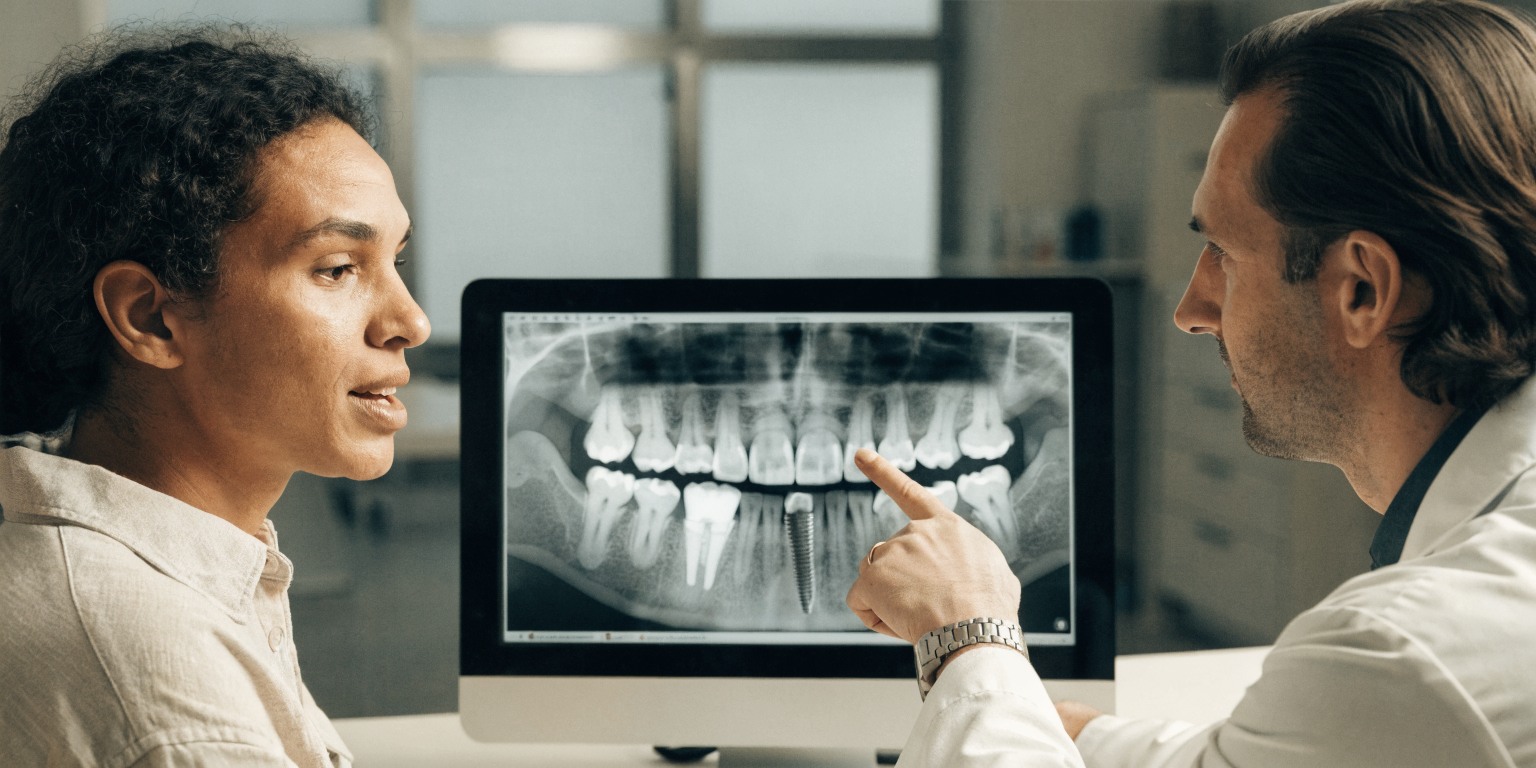
Does the Number of Cigarettes Matter?
Heavier smoking appears to be associated with greater implant risk, but there is no established number of cigarettes per day that makes smoking “safe” for implant healing.
A 2020 systematic review and meta-analysis specifically examined smoking level. It found that patients smoking more than 20 cigarettes per day had a significantly increased risk of implant failure compared with nonsmokers. This supports a dose-response concern, meaning higher exposure may be associated with higher risk.
However, this does not mean smoking fewer cigarettes removes the problem. Research has not established a clinically safe daily cigarette threshold for osseointegration or peri-implant health.
That is an important distinction when patients ask whether “just one or two cigarettes” are acceptable after surgery. Lower exposure is not the same as proven safe exposure.
How Long Should You Stop Smoking Before and After Dental Implant Surgery?
There is no single evidence-based abstinence period that applies to every dental implant patient. The safest approach is to discuss smoking cessation before treatment planning and remain smoke-free for as much of the surgical and healing period as possible, following the treating clinician’s instructions.
This is an area where online dental advice often becomes more confident than the evidence allows.
A 2024 systematic review of smoking cessation and oral-surgery healing noted that, unlike some areas of general surgery, there are no specific evidence-based guidelines establishing one standard preoperative cessation period for oral surgical procedures, including dental implantation.
At the same time, broader surgical evidence supports stopping smoking before elective surgery. The World Health Organization’s guidance on smoking and surgery reports better general surgical outcomes among people who stop smoking approximately four weeks or more before surgery, with increasing benefit from longer abstinence.
Those general-surgery findings should not be converted into a universal “four-week dental implant rule.” Implant treatment may involve extraction, grafting, different surgical sites and months of osseointegration.
A more accurate framework is:
| Question | Evidence-based interpretation |
|---|---|
| Should smoking be discussed before implant surgery? | Yes. It is a modifiable risk factor relevant to healing and long-term implant health |
| Is there one proven number of days every implant patient must stop? | No. Oral-surgery evidence does not establish one universal interval |
| Is earlier cessation generally preferable to waiting until after surgery? | Yes. Broader surgical evidence supports preoperative cessation |
| Is the first postoperative period important? | Yes. Early wound healing should be protected from tobacco exposure |
| Does risk disappear once the gum looks healed? | No. Osseointegration and peri-implant maintenance extend beyond visible soft-tissue healing |
| Who should set the practical timeline? | The treating dental team, based on the actual procedure and patient risk profile |
Patients who need extractions, bone grafting, a sinus lift or more extensive implant surgery may receive different instructions from someone having a straightforward single implant.

Is Smoking More Concerning If You Need a Bone Graft?
Smoking can be particularly relevant when implant treatment also depends on regenerative healing, such as bone augmentation. A graft must develop and maintain a suitable biological environment before or alongside implant integration.
The European Federation of Periodontology recommends assessment and management of modifiable risk factors, including smoking cessation, in patients awaiting implant placement. Its patient and professional materials also identify smoking as an important consideration in implant and periodontal treatment planning.
This does not mean every smoker who needs grafting will be refused treatment. It means the dentist may need to consider:
- the size and location of the graft;
- the amount and quality of existing bone;
- periodontal health;
- smoking intensity;
- implant timing;
- whether a staged approach is preferable;
- whether the expected benefit justifies the additional regenerative risk.
For larger regenerative procedures, smoking history may have more influence on planning than it would in a simpler implant site.
What About Vaping, Nicotine Pouches or Other Tobacco Products?
Vaping and smoke-free nicotine products should not be assumed to be safe substitutes for cigarettes during dental implant healing. However, the evidence for these products is less complete than the evidence for conventional cigarette smoking.
The 2026 systematic review on tobacco and dental implants found insufficient data for smoke-free users. The European Federation of Periodontology has also stated that there is insufficient evidence to conclude that e-cigarettes or water-pipe smoking reduce peri-implant disease risk compared with cigarette smoking.
That means two common claims should both be avoided:
- “Vaping is definitely as harmful to implants as cigarettes.”
- “Vaping is safe for implants because there is no smoke.”
The better conclusion is that the long-term implant evidence is still limited, and vaping or other nicotine products should not be presented as a proven risk-free workaround during healing.
Patients using cigarettes, e-cigarettes, heated tobacco, water pipes, nicotine pouches or other nicotine products should tell the treating clinician exactly what they use rather than simply answering “no” to a cigarette-smoking question.
How Does Smoking Affect Peri-Implantitis and Long-Term Implant Health?
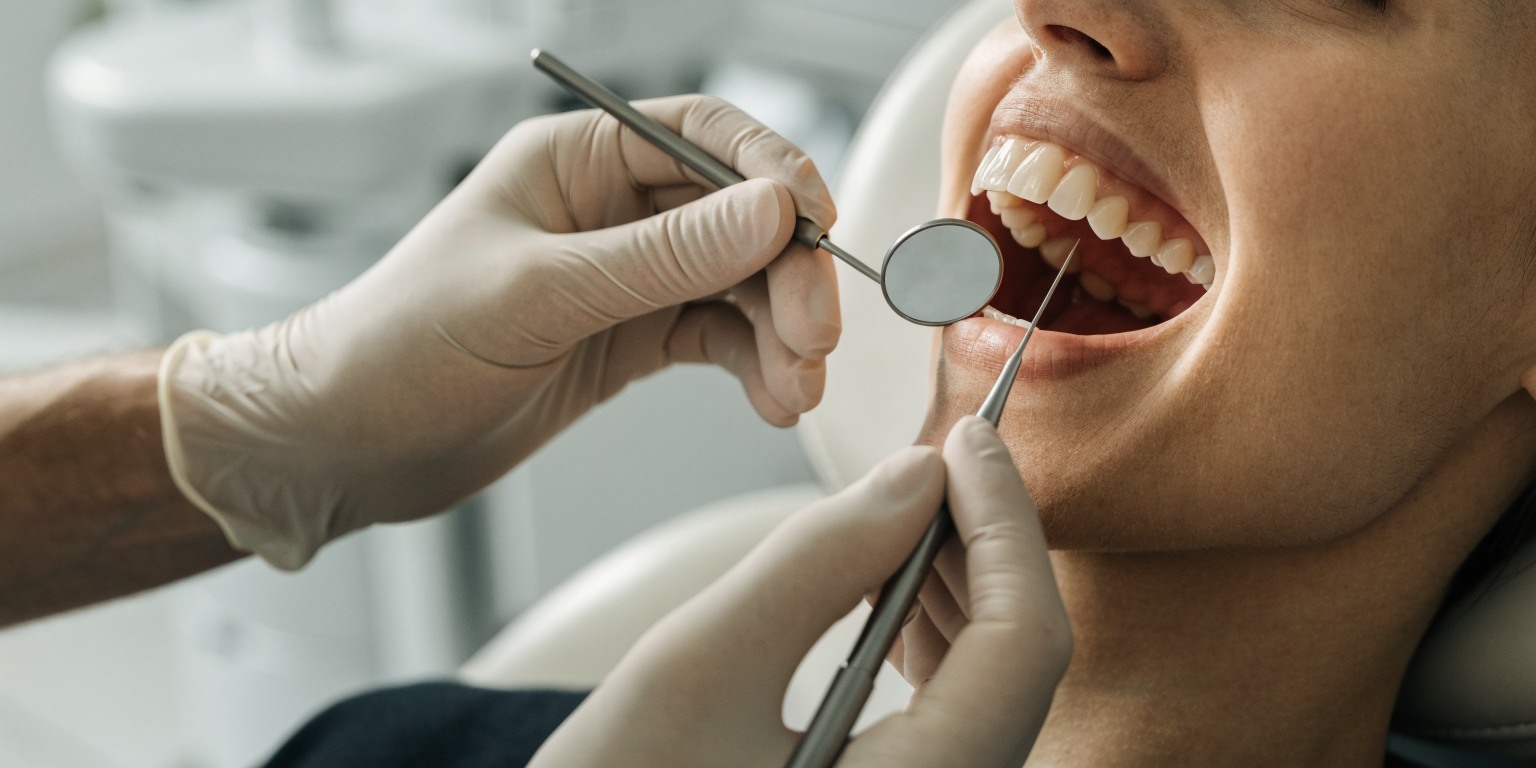
Smoking is relevant after the implant has integrated because long-term success depends on the health of the tissues surrounding the implant. Peri-implant mucositis is inflammation in the soft tissue around an implant, while peri-implantitis involves inflammation together with progressive loss of supporting bone.
The European Federation of Periodontology’s clinical practice guideline recommends validated smoking-cessation interventions for patients with implants as part of peri-implant disease prevention. It also emphasizes regular supportive care and management of other risk factors.
A smoker with an implant should not rely on the absence of obvious bleeding as proof that the tissues are healthy. Smoking can alter clinical inflammatory signs, which can make disease less visually obvious.
Long-term maintenance therefore matters:
- daily plaque control around the implant and restoration;
- interdental cleaning appropriate for the restoration;
- professional examination of peri-implant tissues;
- monitoring changes in bone levels when clinically indicated;
- checking for mobility, suppuration, discomfort or prosthetic problems;
- management of periodontal disease around remaining natural teeth;
- smoking-cessation support where appropriate.
The goal is not merely to get through surgery. It is to maintain a stable implant-restoration system over time.
What If You Cannot Quit Smoking Completely?
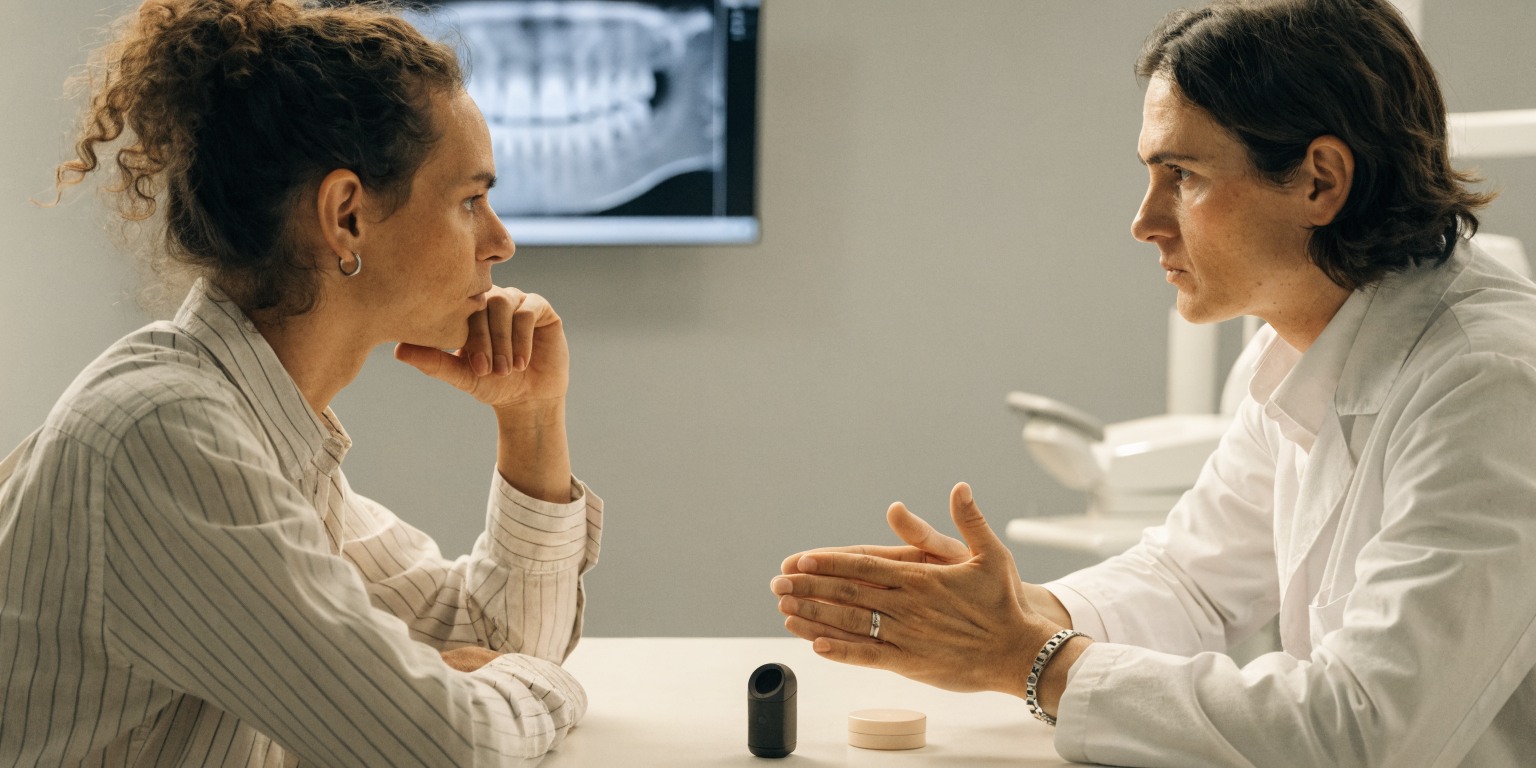
Tell the dental team before treatment rather than hiding or minimizing tobacco use. An accurate smoking history allows the clinician to explain risk, decide whether treatment should proceed as planned and identify whether additional periodontal or medical support is appropriate.
If quitting is difficult, ask for structured cessation support rather than relying only on willpower. A dentist, physician or smoking-cessation service can help discuss evidence-based options appropriate to your health history.
Do not independently replace cigarettes with another nicotine product specifically to “protect the implant” without discussing it with a healthcare professional. The oral-implant evidence for alternative products is incomplete, and different cessation methods may have different medical considerations.
Most importantly, do not treat a reduced cigarette count as proof that the surgical risk has been eliminated.
What Should International Patients Who Smoke Clarify Before Traveling?
International patients who smoke should discuss tobacco use before booking treatment around a fixed travel schedule. Implant surgery, wound healing and osseointegration follow biological timelines rather than flight dates.
Before traveling, ask the clinic:
- whether your smoking history changes preliminary candidacy;
- what records or imaging are needed before arrival;
- whether periodontal treatment is needed before implant placement;
- whether grafting is likely;
- what smoking-cessation instructions apply to the proposed surgery;
- when the first postoperative review should occur;
- what follow-up is required after returning home;
- whom to contact if healing does not progress as expected.
A remote consultation can support preliminary planning, but it cannot confirm implant suitability or replace an in-person examination and appropriate imaging.
Niva Dental’s main implant information provides the broader treatment context for international patients considering care in Istanbul.
Frequently Asked Questions
Can a heavy smoker get dental implants?
Possibly, but heavy smoking may increase implant-related risk and can influence treatment planning. Research suggests a dose-response relationship, with heavier cigarette consumption associated with a greater risk of implant failure. The dentist should assess smoking alongside gum health, bone, medical history, oral hygiene and any need for grafting before deciding whether implant treatment is appropriate.
Will one cigarette make a dental implant fail?
No study can predict that one cigarette will cause an individual implant to fail. However, there is also no established “safe” cigarette threshold during implant healing. Smoking is associated with poorer healing and higher implant-failure risk at the population level, so avoiding tobacco exposure during the surgical and osseointegration period is the more protective approach.
How long after dental implant surgery can I smoke?
There is no universal evidence-based number of days that applies to every implant patient. The appropriate abstinence period depends on the surgery, whether extraction or grafting was performed, healing progress and the clinician’s protocol. Follow the specific instructions from the treating dental team rather than relying on a generic online countdown.
Should I quit smoking before dental implant surgery?
Yes, smoking cessation should be discussed before implant surgery because smoking is a modifiable risk factor for healing and implant complications. General surgical evidence supports stopping before elective surgery, while implant-specific evidence does not establish one universal preoperative interval. Earlier cessation gives the dental team a better starting point for risk reduction and planning.
Is vaping safer than smoking after dental implants?
It has not been proven to be a safe alternative for implant healing. Current systematic-review evidence is much stronger for cigarette smoking than for vaping and other smoke-free products, and available data are insufficient to establish that these alternatives carry no implant risk. Tell your dentist about all nicotine and tobacco products you use.
Does smoking cause peri-implantitis?
Smoking is associated with poorer peri-implant outcomes and is treated as an important modifiable risk factor in peri-implant disease prevention. Peri-implantitis is multifactorial, so smoking alone does not explain every case. Plaque control, previous periodontal disease, maintenance care and other patient and treatment factors also matter.
Can I get a bone graft if I smoke?
Some smokers may still be candidates for bone grafting, but smoking can influence regenerative healing and the risk-benefit assessment. The size of the graft, implant site, bone condition, gum health and smoking history all matter. A dentist or implant clinician should decide whether grafting and implant placement should be combined, staged or modified.
The Main Takeaway
Smoking does not automatically make dental implants impossible, but it should never be treated as irrelevant. Current evidence links cigarette smoking with poorer implant survival, greater early failure risk, increased bone loss around implants and more peri-implant complications.
The most useful treatment plan does not reduce this to a simple yes-or-no rule. It considers smoking intensity, periodontal health, bone, grafting needs, medical factors and the patient’s ability to stop smoking and maintain the implant afterward.
If you are considering treatment in Istanbul, review Niva Dental’s dental implant options and discuss your smoking history openly during assessment. A preliminary online review may help organize records and travel, but final candidacy and the appropriate surgical plan require clinical evaluation.