

Explore same-day, early and delayed dental implant placement after extraction, how bone grafting affects timing, and what to ask before treatment.

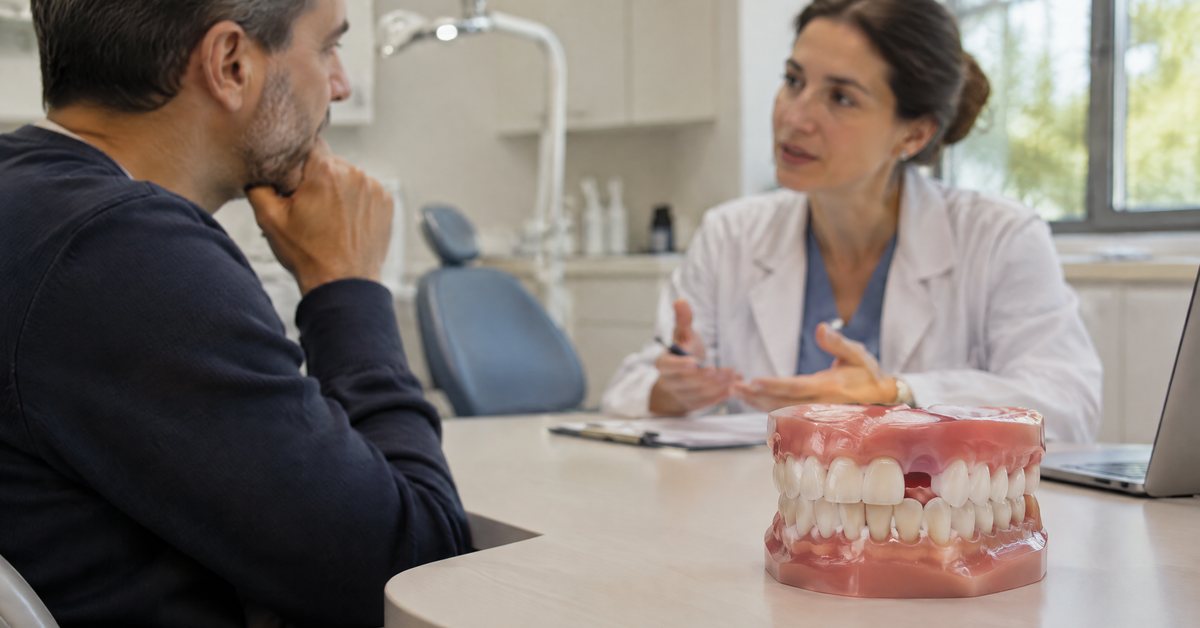
A dental implant may be placed on the day of extraction, after several weeks, or after several months. Recognised approaches include immediate placement, early placement at around 4–8 or 12–16 weeks, and late placement beyond six months. These describe treatment approaches, not deadlines every patient must meet. [1]
If you are asking, “how long after tooth extraction can I get an implant?”, the useful answer needs two dates: when the implant can be inserted and when the replacement tooth can be used. Ask your dentist to explain both in your proposed plan.
What are the main timing options after extraction?
The waiting period depends on the condition of the extraction site and the treatment being planned. The International Team for Implantology (ITI) distinguishes the following placement timings. All intervals below start from tooth extraction. [1]
| Approach | Timing after extraction | Stage of healing |
|---|---|---|
| Immediate placement | Same day | Implant inserted into the fresh socket |
| Early placement after soft tissue healing | About 4–8 weeks | Gum tissue has had time to heal |
| Early placement after partial bone healing | About 12–16 weeks | Some bone healing has occurred within the socket |
| Late placement | More than 6 months | Placement after a longer period of bone healing |
These categories help you understand a recommendation. They cannot establish your suitability without an examination.
Can the implant be placed immediately after the tooth is removed?
Yes, in suitable cases with sufficient bone for a secure initial grip, called primary stability. Surrounding tissues and infection also need assessment. Immediate placement is technically demanding and does not prevent all post-extraction bone reshaping. [2]
For a single tooth in the visible upper jaw, ITI guidance recommends assessing the bone wall, adjacent teeth and available anchorage using examination and appropriate imaging. Even a carefully planned immediate procedure may need to change if extraction damages the socket or adequate stability cannot be achieved. [3]
Before consenting, ask: “If immediate placement is unsuitable on the day, what happens next, and what temporary replacement will I have?” Ask for any resulting changes in appointments and charges to be explained too.

Why might your dentist recommend waiting several weeks?
Waiting allows gum healing and reassessment of infection. A 12–16-week approach may allow partial bone healing when a larger defect around the old root prevents earlier placement. The elapsed time alone cannot establish readiness. [2]
The question to ask is: “What needs to improve before placement, and how will you check it?” A clear explanation is more useful than being told to wait a fixed number of months without a reason.
What if the extracted tooth was infected?
ITI’s 2023 guidance for selected single teeth in the visible upper jaw permits immediate placement and restoration in some chronic root-tip infections. Conditions include no draining sinus tract, thorough removal of infected tissue and enough bone for stability. This does not make every infected socket suitable. [3]
If you develop severe pain, facial swelling, fever or suspect an abscess, arrange urgent dental assessment rather than waiting for your implant appointment. Difficulty breathing or swallowing, major mouth swelling or swelling affecting the eye requires emergency medical attention. [8]
How does a bone graft change the timeline?
A graft may be performed before implant placement or, for a smaller defect, at the same operation. Its purpose is to improve the bone foundation when there is insufficient suitable bone. Whether stages can be combined depends on the jawbone and the procedure required. [4]
For grafts that heal before placement, Guy’s and St Thomas’ NHS Foundation Trust describes a typical waiting period of 3–6 months in its pathway. Treat this as an example, not a universal promise: your surgeon must assess healing before proceeding. Grafting also brings its own recovery, including possible pain, swelling and bruising. [5]
Socket preservation means treating the extraction socket, often with graft material, to help limit loss of bone volume. It can be considered when placement will be delayed; it does not eliminate all bone changes or guarantee that no further grafting will be needed. [2]
Ask whether the quoted wait begins at extraction or at a later grafting operation. If a graft is planned, request the material, reason, review schedule and criteria for moving to implant surgery in writing.
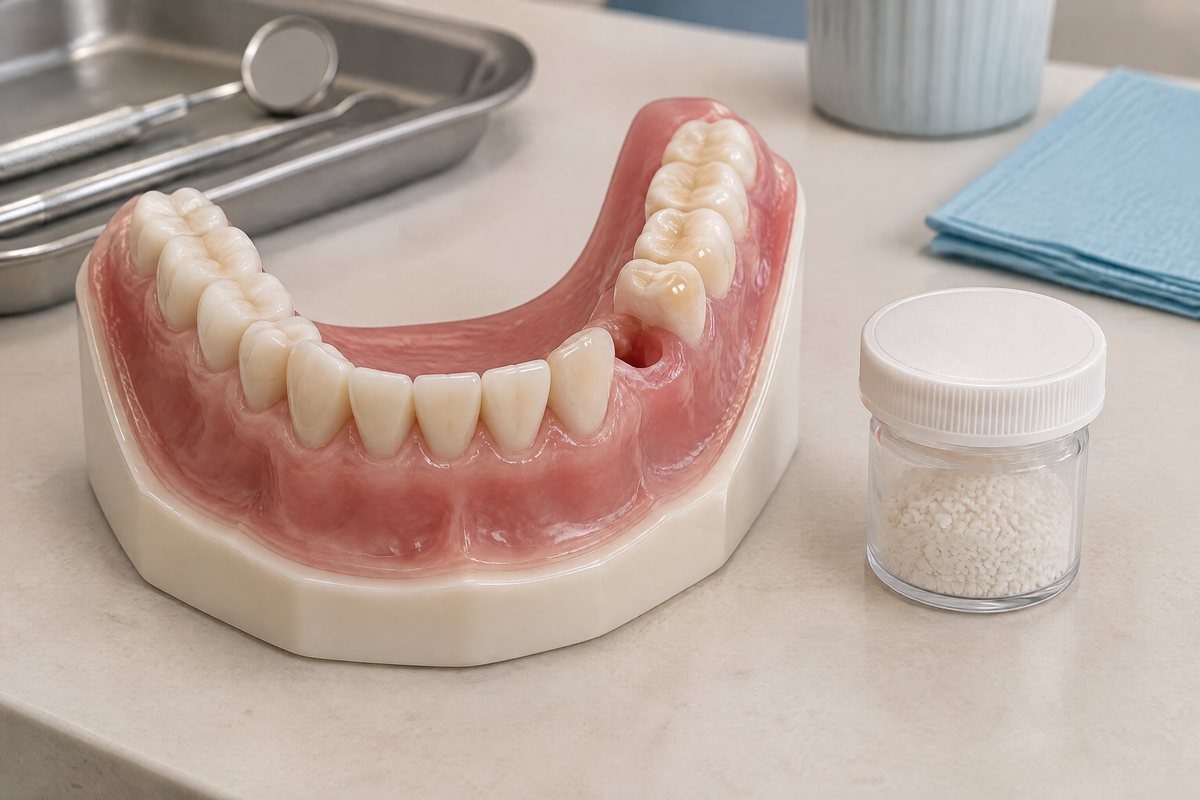
Does immediate placement mean getting the final tooth that day?
No. Placing the implant and fitting its final crown are separate steps. The implant replaces the root; the crown is the visible replacement tooth. After insertion, bone forms a connection with the implant through osseointegration, which can take several months. A temporary removable tooth may be used during treatment. [4]
For context, Leeds Teaching Hospitals describes leaving implants to integrate for around 2–6 months before use in many cases. Its restorative stage can then require several visits to make and refine the replacement teeth. That interval starts at implant placement, not extraction. [6]
Some selected patients receive a temporary tooth sooner. Ask whether it attaches to the implant, whether you may bite on it and when it will be replaced. Niva’s guide to what same-day dental implants actually mean explains the terminology in more detail.
Can you get an implant months or years after extraction?
A long gap does not, by itself, establish that you are unsuitable. An assessment must consider your current bone volume, gum health, general health and whether reconstruction is feasible. Where bone is insufficient, grafting may be considered; alternatives include a bridge or removable denture. [6]
If you already know you want an implant, arrange the assessment before deciding to postpone treatment indefinitely. Ask what delay would mean for your particular site and whether preservation measures are appropriate. If the tooth has not been removed, first ask whether it can reasonably be saved.
Can smoking or a medical condition affect the schedule?
Yes. Overall health influences healing and suitability. The US Food and Drug Administration notes that smoking can impair healing and that uncontrolled diabetes can increase infection-related failure risk. Tell your dentist about relevant conditions and ask whether anything needs addressing before surgery. [7]
Bring an up-to-date medication list, including supplements. Do not stop prescribed treatment on your own; let the dental team discuss any necessary changes with the prescriber. [4]
What should your written treatment plan explain?
Ask for a sequence of appointments with estimated intervals and reassessment points. ITI recommends planning placement and restoration before extraction, with alternatives agreed if the intended procedure cannot be completed. [1]
Use these questions at your consultation:
- Why this timing? What findings support immediate, early or later placement in my case?
- What happens at extraction? Is grafting planned, and what might change after the tooth is removed?
- What will fill the gap? Which temporary option is included, and what restrictions apply?
- When is the next decision? Who checks healing and confirms readiness for the next stage?
- What does the estimate cover? Are imaging, grafting, temporary teeth, the final crown and review visits itemised?
- Who handles problems? Whom should I contact between stages or after returning home?
If travelling for treatment, ask which appointments require your physical attendance before booking flights. Record an estimated implant date and an estimated final-restoration date separately, with flexibility if reassessment changes the plan.

Frequently asked questions
Can I get an implant two weeks after extraction?
Two weeks alone does not establish readiness. Your dentist needs to assess the socket and explain the proposed protocol; the usual early-placement categories begin later. [2]
Will I have to go without a tooth while waiting?
Not necessarily. A temporary removable replacement may be possible. Ask about its appearance, fit and how to use it during healing before extraction. [4]
Is a front tooth different from a back tooth?
The location matters. In the visible upper jaw, the bone wall and gum position are particularly relevant to appearance and immediate-treatment planning. A schedule offered for another tooth is not automatically suitable for yours. [3]
Can I shorten the wait if the gum looks healed?
Gum appearance does not prove that underlying bone is ready. Leeds Teaching Hospitals distinguishes relatively quick gum healing from the longer period needed for bone integration after implant surgery. Keep the planned review even if you feel comfortable. [6]
Discuss your extraction-to-implant plan with Niva Dental
If you are considering treatment at Niva Dental in Bakırköy, Istanbul, ask for an assessment and a written explanation of the proposed stages. Share your extraction date and any existing imaging. You can explore Niva Dental’s implant treatment information before discussing timing, temporary teeth and follow-up arrangements.
This article provides general information and cannot determine your suitability or treatment dates. Consult a dentist for an individual assessment.
Medical sources
- International Team for Implantology: Implant Placement and Loading Protocols.
- Association of Dental Implantology: Timing of Implant Placement after Tooth Extraction.
- International Team for Implantology: Selection Criteria for Immediate Implant Placement and Immediate Loading for Single Tooth Replacement in the Maxillary Esthetic Zone.
- Mayo Clinic: Dental Implant Surgery.
- Guy’s and St Thomas’ NHS Foundation Trust: Bone Grafting for Dental Implants.
- Leeds Teaching Hospitals NHS Trust: Dental Implants.
- US Food and Drug Administration: Dental Implants: What You Should Know.
- NHS: Dental Abscess.