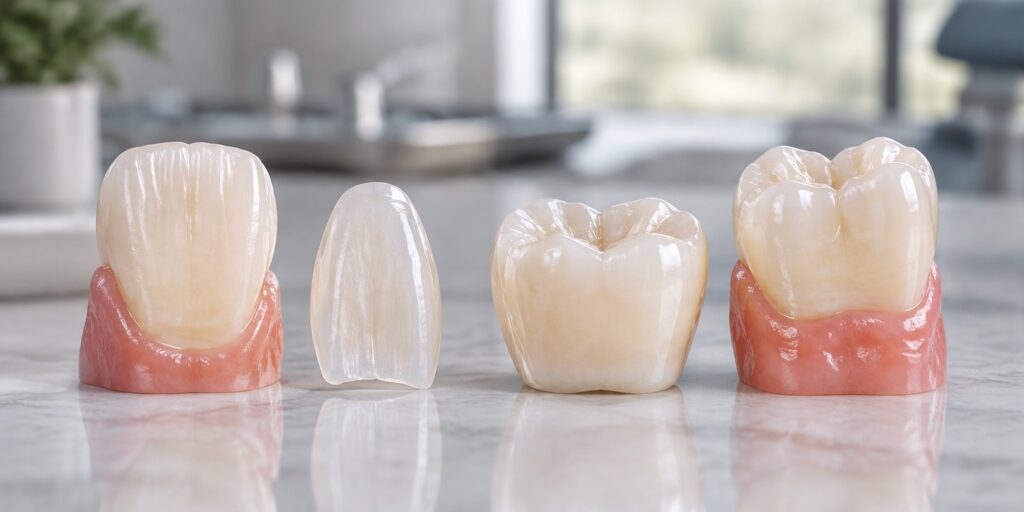



‘Same day’ can describe several different implant protocols. This guide explains the difference between same-day implant placement, immediate loading, temporary teeth and the final restoration.

Searching for same day dental implants Turkey can make the treatment sound as though an implant, abutment and permanent tooth are always completed in a single appointment. In implant dentistry, “same day” is more specific—and more limited—than that marketing phrase may suggest.
A patient may have an implant placed on the day a tooth is removed, may receive a temporary restoration shortly after implant placement, or may have a fixed temporary full-arch prosthesis fitted on newly placed implants. These are related but different protocols. The final crown or bridge may still be delivered only after the implants and surrounding tissues have healed sufficiently.
The important question is therefore not simply, “Can implants be done in one day?” It is: which part of the treatment can safely be completed immediately in this particular case? The answer depends on implant stability, bone and gum conditions, bite forces, the number and location of missing teeth, general health and the planned restoration.
What Does “Same Day” Mean in Implant Dentistry?
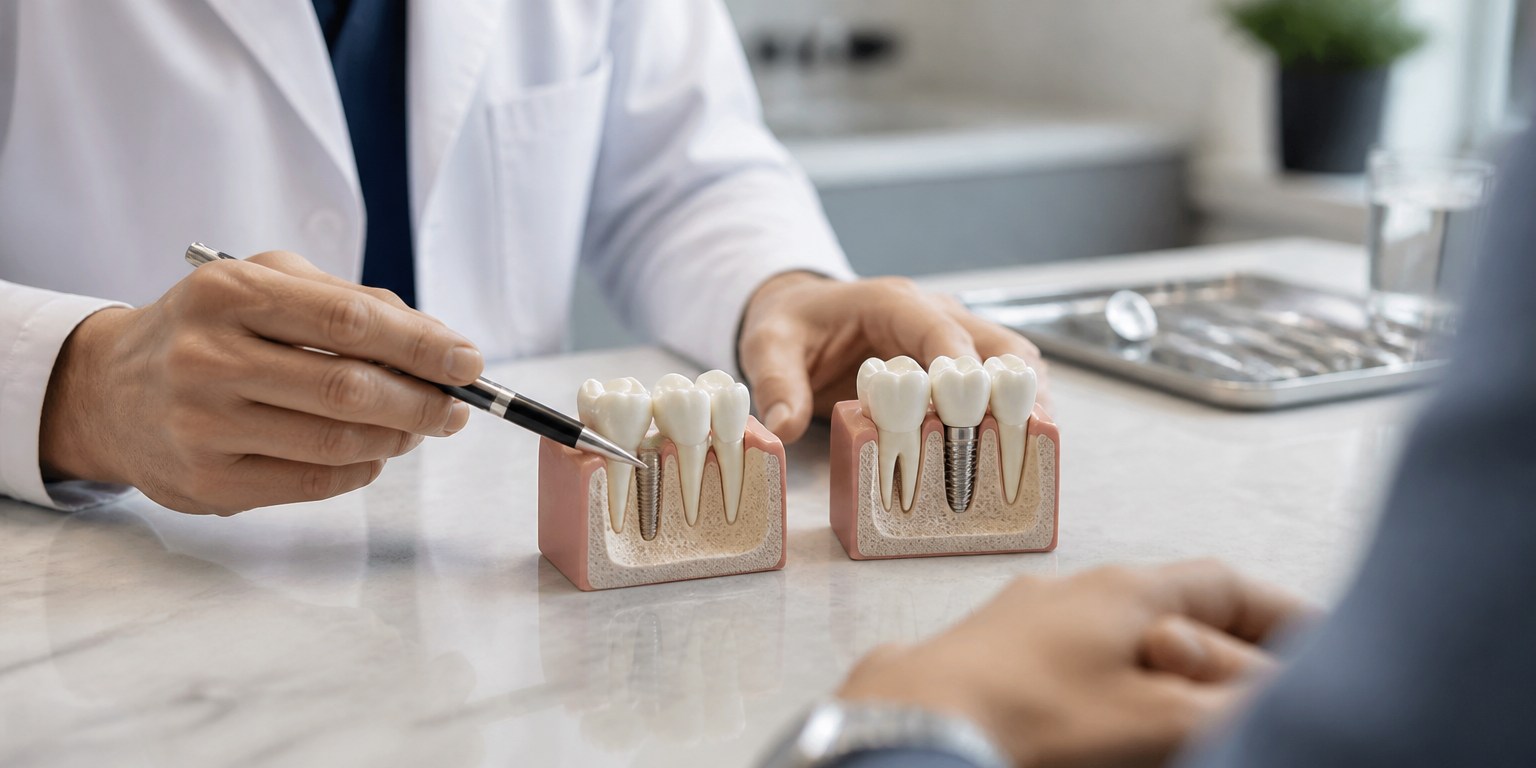
“Same day” can refer to implant placement, restoration or loading, and those terms should not be treated as interchangeable. The International Team for Implantology (ITI) defines immediate implant placement as placing an implant in the extraction socket on the same day the tooth is removed. By contrast, immediate loading means connecting the implant to a prosthesis that is in occlusion within one week of implant placement. An immediate restoration is also connected within one week, but it is kept out of contact with the opposing teeth.
This distinction matters because a patient can have an implant placed immediately without receiving a loaded tooth on that implant the same day.
| Term | What it actually means | Does it automatically mean a final tooth that day? |
|---|---|---|
| Immediate implant placement | Implant is placed in the socket on the same day as tooth extraction | No |
| Immediate restoration / provisionalization | A temporary restoration is connected shortly after implant placement and may be kept out of full bite contact | No |
| Immediate loading | A prosthesis is connected soon after implant placement and is placed into function under a planned loading protocol | No |
| Final restoration | The definitive crown, bridge or full-arch prosthesis used after the relevant healing and restorative stages | Usually not the same thing as the immediate temporary restoration |
The ITI consensus on implant placement and loading protocols is useful because it separates placement timing from loading timing. That is a more clinically meaningful way to understand “teeth in a day” than treating the phrase as one standardized procedure.
Can You Really Get a Dental Implant and a Tooth on the Same Day?
Yes, selected patients may receive an implant and a temporary tooth or temporary fixed prosthesis on or shortly after the day of implant placement. However, this does not mean every patient can receive a definitive permanent crown or bridge immediately.
The immediate restoration is often designed to protect the healing implant while maintaining appearance and, in selected cases, function. The final restoration may be made later after soft-tissue healing, bite reassessment and sufficient biological integration of the implant with the jawbone.
This is where online wording often becomes confusing. A clinic may use phrases such as “same-day teeth,” “teeth in a day” or “immediate implants,” yet these phrases can refer to different combinations of surgery and temporary prosthetic treatment.
For patients comparing clinics in Istanbul, it is reasonable to ask:
- Is the implant placed on the same day as extraction?
- Will I receive a temporary tooth or a final tooth?
- Will the temporary tooth be in full bite contact?
- When is the definitive crown or bridge expected?
- What clinical finding could cause the plan to change on the day of surgery?
Those questions turn a marketing phrase into a treatment plan that can actually be understood.
Immediate Placement and Immediate Loading Are Not the Same Procedure
Immediate placement describes when the implant enters the bone. Immediate loading describes when the implant starts supporting a prosthesis under functional conditions. A case can use one protocol without using the other.
For example, a damaged front tooth may be removed and an implant placed into the extraction socket immediately. If the implant does not achieve the stability required for the planned provisional restoration, the dentist may decide not to load it immediately. In another case, an implant can be placed into a healed site and still receive an immediate temporary restoration.
This distinction is important for same day dental implants Turkey searches because the fastest surgical schedule is not automatically the fastest safe restorative schedule.
Research supports immediate protocols in appropriately selected cases, but selection is central. A 2023 ITI consensus report concluded that immediate placement combined with immediate loading can be a clinically viable option in favorable, carefully selected situations, while also noting that surgical, technical and biological complications can occur. The evidence is not a justification for using the same accelerated protocol in every patient.
What Has to Be Assessed Before Same-Day Loading?
A same-day plan should be based on clinical findings, not on the length of a patient’s trip to Turkey. The dentist needs to determine whether the implant and surrounding tissues can tolerate the intended immediate restoration.
Key assessment areas include:
| Assessment factor | Why it matters for a same-day protocol |
|---|---|
| Primary implant stability | The implant must have sufficient mechanical stability at placement for the planned restoration/loading strategy |
| Bone volume and quality | Bone anatomy affects implant positioning and initial stability |
| Extraction socket condition | The socket walls and local anatomy influence immediate placement planning |
| Need for bone augmentation | Substantial grafting may change the timing or suitability of immediate loading |
| Gum and periodontal condition | Soft-tissue health affects healing, hygiene and aesthetic planning |
| Bite and occlusal forces | Excessive or poorly controlled force may overload a healing implant |
| Bruxism or clenching | Parafunction can increase mechanical demands on a temporary restoration and implant |
| Smoking and systemic health | Patient-related factors can influence healing and complication risk |
| Number and position of implants | A single front implant and a splinted full-arch restoration are different biomechanical situations |
| Ability to follow postoperative instructions | Early protection, hygiene and follow-up remain important even when teeth are provided quickly |
Primary stability means the mechanical stability of the implant at the time it is inserted. It is different from osseointegration, the biological process in which bone heals closely around the implant surface over time.
A review of immediate loading identified primary stability, bone quality and quantity, occlusal loading, patient selection and surgical factors as central considerations. ITI guidance similarly lists implant stability and patient/site-specific modifiers when selecting loading protocols.
Does “Same Day” Mean the Implant Has Already Healed?
No. A dental implant can be restored immediately without being biologically healed. Osseointegration still takes place after implant placement, even when a temporary tooth or bridge is attached early.
This is one of the most important points for patients to understand. Same-day treatment changes the timing of the prosthetic stage; it does not eliminate the body’s healing process.
During early healing, the treatment plan may therefore include restrictions intended to reduce excessive force on the implant or temporary prosthesis. The specific advice depends on the restoration, implant position and clinical protocol. A fixed temporary bridge for a full arch, for example, is not biomechanically identical to a temporary crown on a single implant.
The phrase “I left the clinic with teeth” should not be interpreted as “the implants were fully integrated that day.” Those are different milestones.
Are Same-Day Teeth Usually Temporary or Permanent?
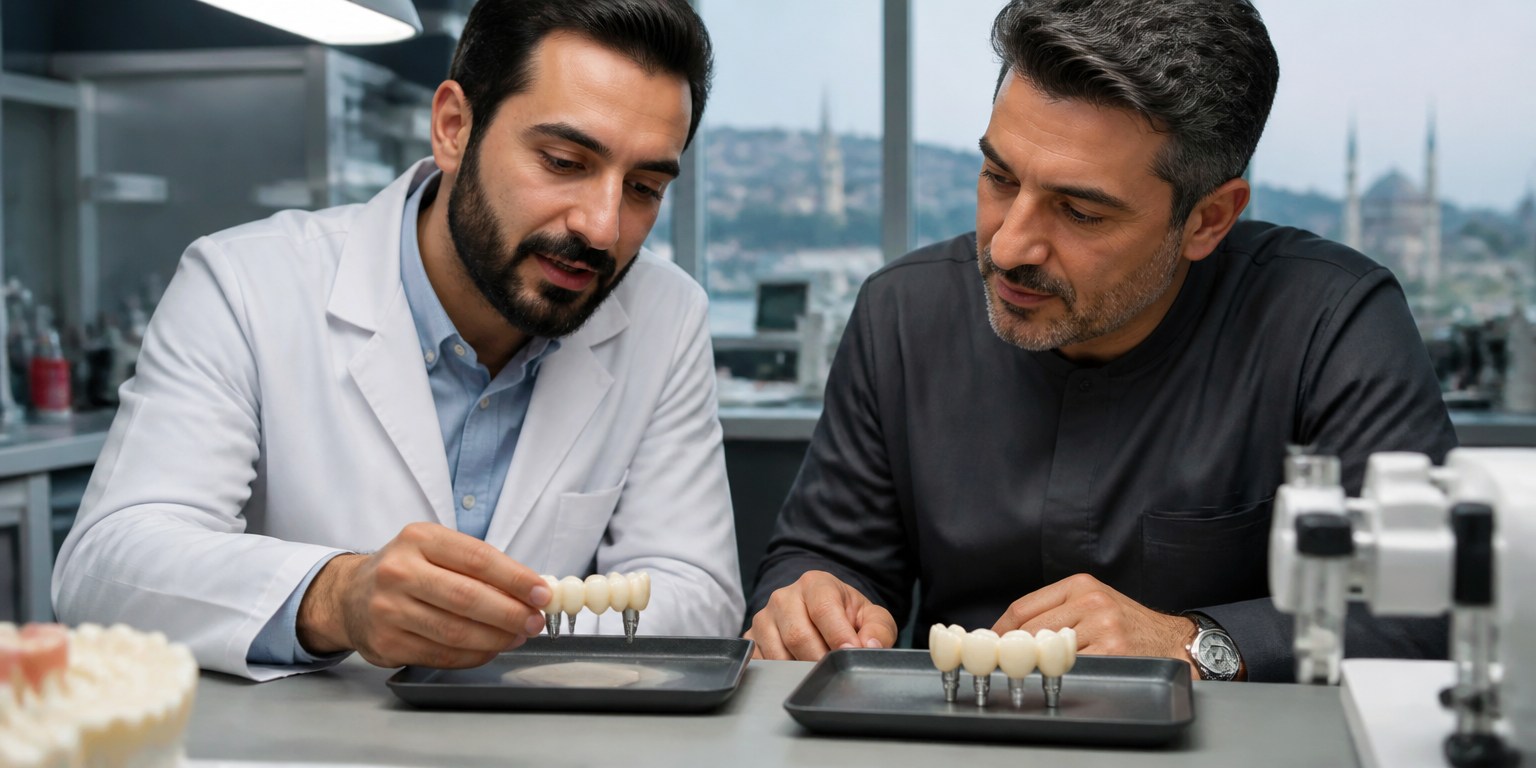
In many accelerated implant protocols, the teeth provided immediately are provisional, meaning temporary. A definitive crown, bridge or full-arch prosthesis may be produced later when the dentist can reassess healing, soft tissues, bite, aesthetics and the stability of the implant-supported reconstruction.
This distinction is particularly important for international patients because treatment may be divided into more than one stage or visit.
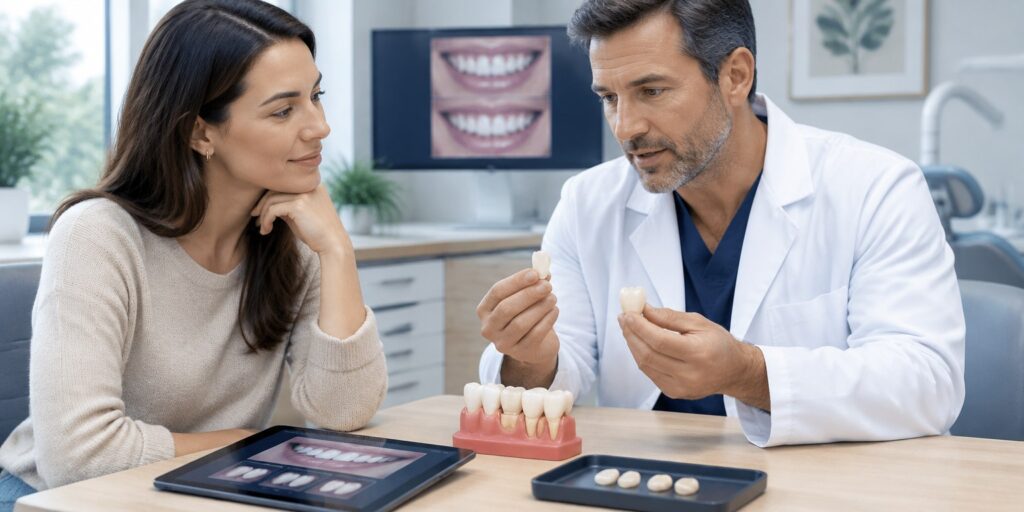
A provisional restoration can still be fixed and can look natural. “Temporary” describes its role in the treatment sequence, not necessarily whether the patient can see it or whether it is removable. Patients should ask what material will be used for the provisional restoration, whether it will be fixed or removable, what dietary limitations apply and when the final restoration is planned.
For a general overview of the complete implant sequence—including examination, placement, healing and prosthetic stages—see Niva Dental’s dental implant treatment in Istanbul page.
Who May Be a Candidate for Same-Day Dental Implants?
Candidates are generally patients in whom the dentist can establish a favorable surgical and prosthetic environment for immediate treatment. Suitability cannot be confirmed from a website, a photograph or a travel schedule alone.
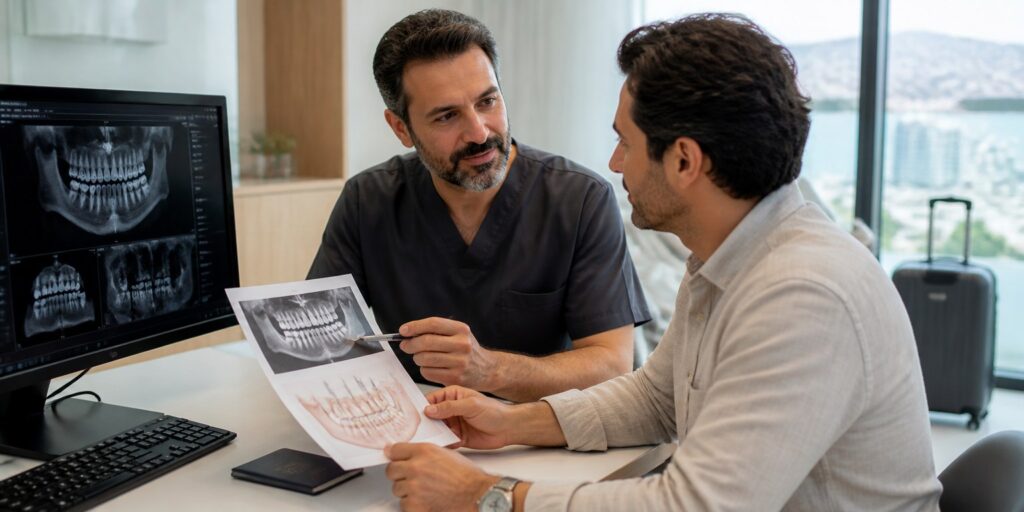
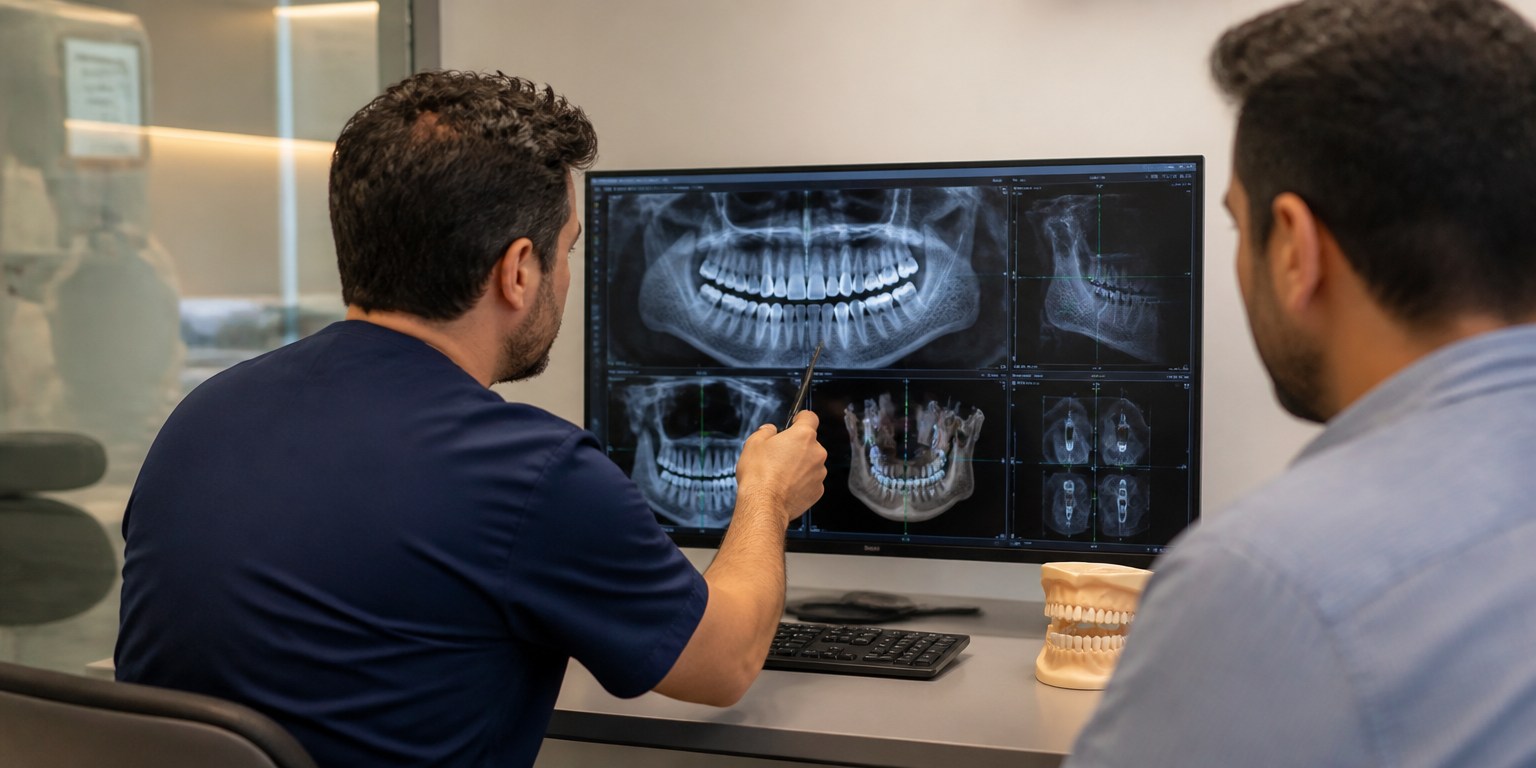
Depending on the case, assessment may include clinical examination, dental imaging, the condition of any tooth being removed, bone anatomy, gum health, the planned implant position, bite forces and the patient’s medical and dental history.
A patient may be less suitable for an accelerated loading protocol when important modifying factors are present, such as inadequate primary stability, substantial augmentation requirements, unfavorable occlusion or other patient/site conditions that increase risk. This does not necessarily mean implant treatment itself is impossible. It may mean a staged approach is more appropriate.
That difference is important: not qualifying for same-day loading is not the same as not qualifying for dental implants.
What Happens During a Same-Day Implant Appointment?
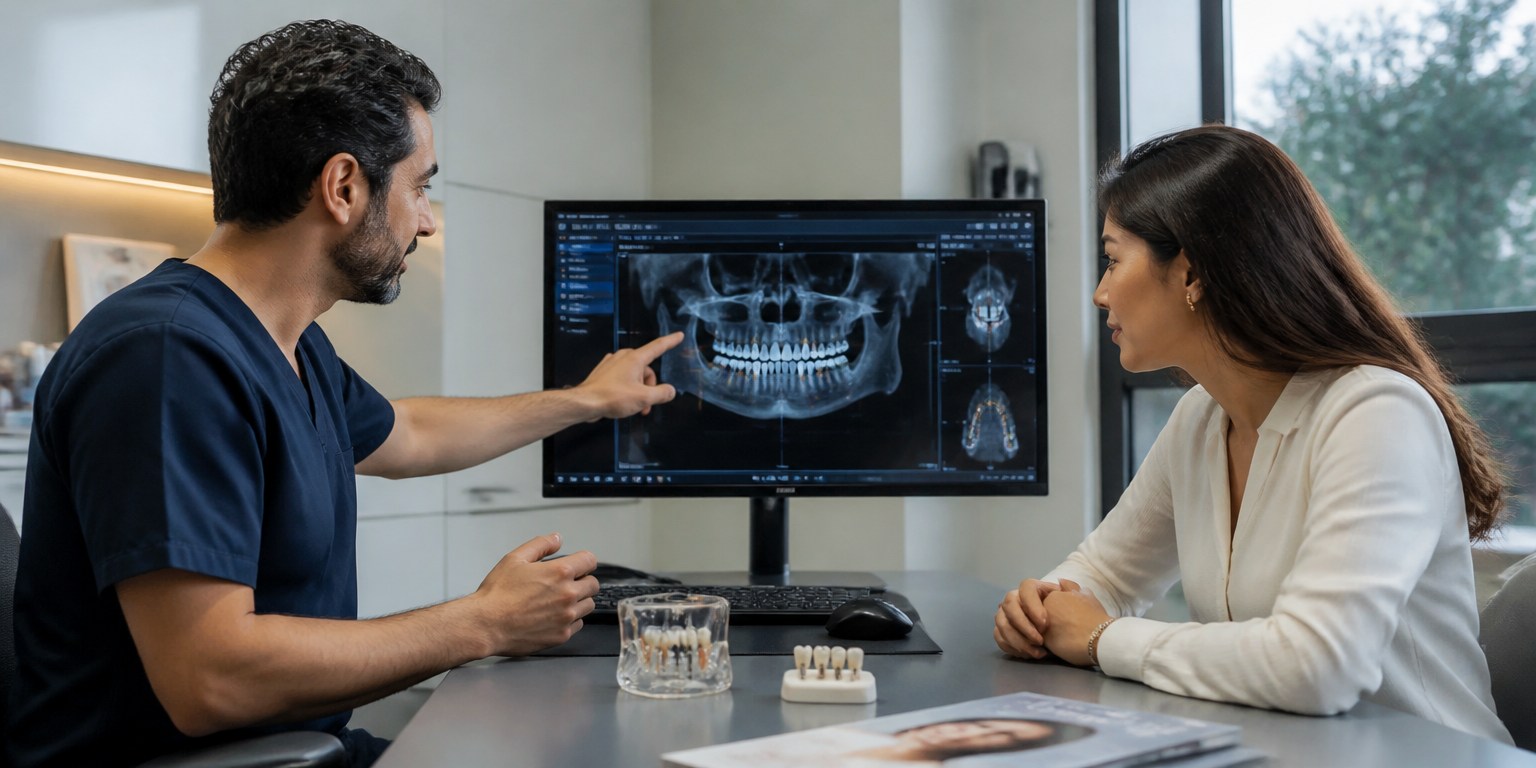
The exact sequence depends on whether the treatment involves a single missing tooth, several teeth or a full arch. A simplified pathway may include examination and imaging, extraction if required, implant placement, measurement of implant stability and then a decision about whether the planned temporary restoration can be connected.
A typical same-day pathway may look like this:
- Final clinical assessment: The dentist confirms the treatment plan using examination and appropriate imaging.
- Tooth extraction if required: A non-restorable tooth may be removed when immediate implant placement has been planned.
- Implant placement: The implant is positioned according to the surgical and restorative plan.
- Stability assessment: The clinical team evaluates whether the implant has achieved the required stability for the intended protocol.
- Provisional restoration decision: A temporary crown, bridge or full-arch prosthesis may be connected when the planned criteria are satisfied.
- Postoperative guidance: The patient receives individualized instructions for hygiene, diet, medication use where prescribed and follow-up.
- Healing and reassessment: The implant continues to integrate with the bone before the definitive restorative stage is completed.
The critical point is that step 5 may change if the findings at surgery are different from the preliminary plan. Responsible treatment planning should leave room for that possibility.
How Long Until the Final Crown or Bridge?
There is no universal number of days that applies to every implant case. The definitive restoration is timed according to healing, implant stability, soft tissues, prosthetic design and the clinical protocol being used.
Traditional implant treatment often allows a period of healing before final restoration. Immediate protocols can shorten the period during which a patient is without a tooth or fixed prosthesis, but they do not remove the need to confirm that the tissues and implant are ready for the definitive stage.
This is why patients comparing same day dental implants Istanbul offers should ask for the entire timeline in writing rather than focusing only on the surgery date.
A useful treatment schedule should distinguish:
- surgery date;
- temporary restoration date;
- early postoperative review;
- expected healing/reassessment period;
- final impression or digital scan if required;
- definitive crown or bridge delivery;
- follow-up after final restoration.
The total treatment time and the time spent physically in Turkey are not always the same thing.
Are Same-Day Dental Implants as Successful as Conventional Implants?
Immediate protocols can have favorable outcomes in carefully selected cases, but the evidence does not support presenting them as automatically equivalent or preferable for every patient and every implant site.
A systematic review and meta-analysis comparing immediate and delayed implant placement found similar implant survival overall, while also reporting more complications in the immediate-placement group. A separate systematic review of immediate versus early or conventional loading found that outcomes depend on the comparison and clinical context; immediate loading was associated with a higher incidence of failure than conventional loading in the pooled analysis, while results versus early loading were more comparable.
These findings are a reminder that “faster” is a treatment characteristic, not a measure of quality by itself.
Clinical success also includes more than whether the implant remains in place. Soft-tissue appearance, bone levels, prosthetic complications, hygiene access, patient comfort and long-term maintenance all matter.
For that reason, a clinic should be able to explain why immediate treatment is appropriate for a specific patient—not merely state that it is available.
What Should International Patients Ask a Clinic in Turkey?
International patients should ask for a written explanation of what “same day” includes before booking flights or arranging a short stay. The goal is to understand the clinical sequence, not simply the package length.
Useful questions include:
- Does “same day” mean implant placement, temporary teeth, immediate loading or the final prosthesis?
- Is the restoration temporary or definitive?
- What happens if the implant does not achieve sufficient stability during surgery?
- Is bone grafting compatible with the planned immediate protocol in my case?
- Who will perform the implant surgery and who will manage the restorative stage?
- What imaging is required before the final decision?
- How will my bite be managed while the implant heals?
- How long is the full treatment pathway, not just my first visit?
- Will I need to return to Turkey for the definitive restoration?
- What follow-up is available after I return home?
Niva Dental currently publishes a dedicated Dental Implants in Turkey service page for patients researching implant treatment in Istanbul. A remote consultation may help organize records, imaging and preliminary questions, but final suitability for immediate placement or loading requires an appropriate clinical assessment.

Frequently Asked Questions
Can dental implants really be done in one day in Turkey?
Part of the treatment may be completed in one day in selected patients. An implant may be placed immediately after extraction, and some patients may receive a temporary crown or fixed provisional prosthesis shortly afterward. The final restoration and biological healing usually remain separate stages. “Same day” should therefore be defined by the clinic before treatment is booked.
Are same-day dental implants permanent teeth?
Not necessarily. The implant fixture itself may be intended as the long-term implant, while the tooth or bridge attached immediately may be provisional. A definitive crown or bridge may be made later after healing and reassessment. Patients should ask whether the same-day restoration is temporary or final and when replacement is expected.
What is the difference between immediate implant placement and immediate loading?
Immediate implant placement means the implant is inserted into the extraction socket on the same day the tooth is removed. Immediate loading refers to connecting the implant to a prosthesis under an accelerated loading protocol. One can occur without the other, so the two terms should not be used as synonyms.
What if the implant is not stable enough for a same-day tooth?
The treatment plan may need to change. Immediate restoration or loading depends heavily on adequate primary implant stability and other clinical factors. If the planned criteria are not met, the dentist may choose a staged healing approach rather than exposing the implant to inappropriate early loading. That decision is a safety measure, not a treatment failure.
Do same-day implants still need osseointegration?
Yes. Osseointegration still occurs after implant placement even when a provisional tooth is attached immediately. Immediate restoration changes when a prosthesis is connected; it does not make the jawbone heal around the implant instantly. The implant must still pass through a biological healing period.
Are “teeth in a day” and All-on-4 the same thing?
No. “Teeth in a day” is a broad marketing phrase, while All-on-4 describes a full-arch concept in which a fixed prosthesis is supported by four implants. Some full-arch cases may use immediate loading, but the treatment concept and the loading schedule are separate decisions. Not every same-day implant case is All-on-4, and not every implant patient needs a full-arch restoration.
How many days should I stay in Turkey for same-day implants?
There is no single stay length that is appropriate for every patient. The required time depends on examination, imaging, surgery, laboratory stages, postoperative review and whether the immediate restoration is single-tooth, multi-unit or full-arch. Patients should ask for a treatment-specific schedule and clarify whether a later return visit is expected for the final restoration.
The Practical Takeaway: “Same Day” Is a Protocol, Not a Promise
Same day dental implants Turkey can describe legitimate accelerated implant protocols, but it should not be interpreted as a guarantee that every stage of implant treatment will be completed permanently in one appointment. The clinically useful distinction is whether the case involves immediate implant placement, immediate restoration, immediate loading—or a combination of these.
For suitable patients, accelerated protocols may reduce the time spent without a fixed-looking tooth or prosthesis. For other patients, allowing more healing before loading may be the safer treatment plan. The decision depends on examination findings, implant stability, bone and gum conditions, bite forces, restorative design and patient-related risk factors.
If you are comparing options in Istanbul, review Niva Dental’s dental implant treatment information and request an individualized assessment. A preliminary remote review can help with planning, but final eligibility for a same-day protocol should be confirmed clinically.
Medical References
- International Team for Implantology (ITI). Implant Placement and Loading Protocols — Consensus Statements. Defines immediate placement, immediate restoration, immediate loading, early loading and conventional loading. https://academy.iti.org/academy/consensus-database/consensus-statement/-/consensus/implant-placement-and-loading-protocols/1802
- Morton D, Wismeijer D, Chen S, et al. Group 5 ITI Consensus Report: Implant placement and loading protocols. Clinical Oral Implants Research. 2023;34 Suppl 26:349–356. https://pubmed.ncbi.nlm.nih.gov/37750529/
- Tettamanti L, Andrisani C, Bassi MA, et al. Immediate loading implants: review of the critical aspects. Oral Implantology (Rome). 2017;10(2):129–139. https://pubmed.ncbi.nlm.nih.gov/29876038/
- Bassir SH, El Kholy K, Chen CY, Lee KH, Intini G. Comparison of clinical outcomes of immediate versus delayed placement of dental implants: A systematic review and meta-analysis. Clinical Oral Implants Research. 2022. https://pubmed.ncbi.nlm.nih.gov/35044012/
- Yan Q, Xiao LQ, Su MY, Mei Y, Shi B. Immediate versus early or conventional loading dental implants with fixed prostheses: A systematic review and meta-analysis of randomized controlled clinical trials. Journal of Prosthetic Dentistry. 2021. https://pubmed.ncbi.nlm.nih.gov/31421892/