


It is natural to lose a certain amount of hair every day. However, if thinning begins in a specific area, the hairline recedes, or the crown becomes increasingly visible, the situation may have progressed beyond ordinary hair loss. At this point, one of the most common causes is DHT-Induced Hair Loss. Although it is particularly …

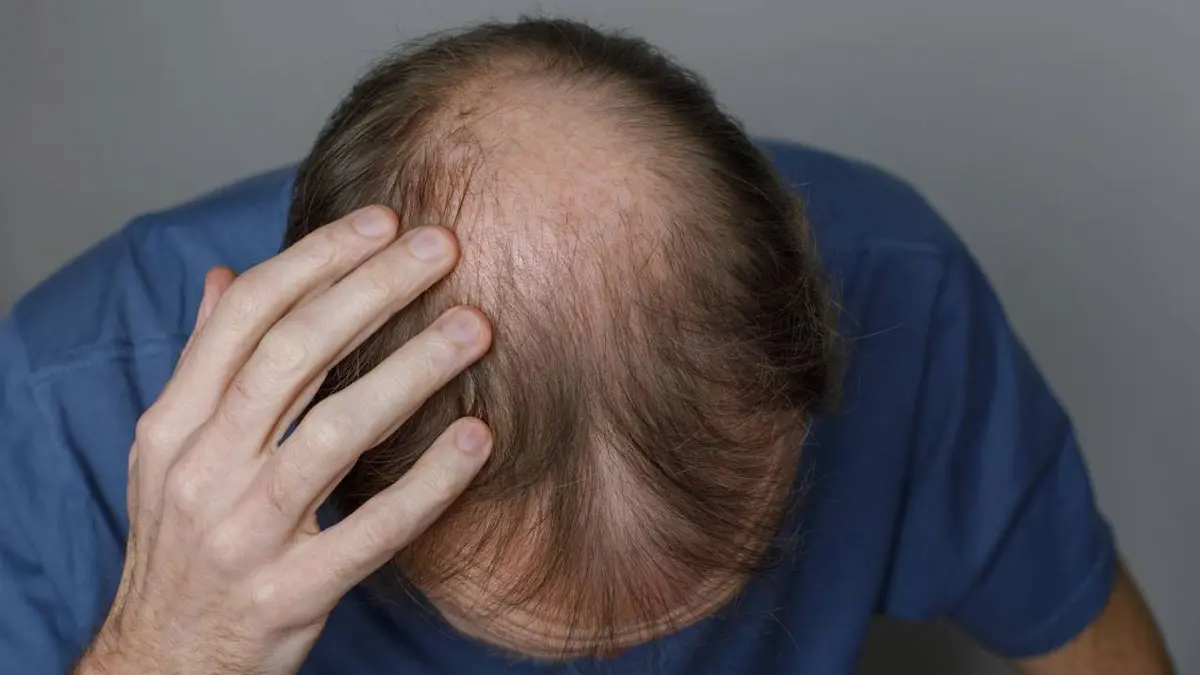
It is natural to lose a certain amount of hair every day. However, if thinning begins in a specific area, the hairline recedes, or the crown becomes increasingly visible, the situation may have progressed beyond ordinary hair loss. At this point, one of the most common causes is DHT-Induced Hair Loss. Although it is particularly common in men, this process can also occur in women to varying degrees. Since it often progresses slowly, it may go unnoticed at first. However, recognizing the symptoms in the early stages is crucial for preserving the current density of your hair.
DHT-Induced Hair Loss is fundamentally a type of hair loss caused by hormones. The primary culprit here is dihydrotestosterone (DHT), a hormone derived from testosterone. In some individuals, DHT gradually sensitizes the hair follicles. As this sensitivity increases, the hair follicles begin to shrink, the strands that grow become thinner, the growth cycle shortens, and eventually, the follicle can no longer produce strong hair. The most notable aspect of this issue is that it progresses insidiously rather than suddenly. A person rarely wakes up one morning to find their hair has fallen out; instead, they experience gradual thinning over months.
DHT-Induced Hair Loss: What Is It?
DHT-Induced Hair Loss develops in individuals with a genetic predisposition when the DHT hormone exerts a negative effect on hair follicles. Everyone has DHT; the key factor is how sensitive the hair follicles are to this hormone. In other words, the issue lies not only in hormone levels but in the biological response of the follicle.
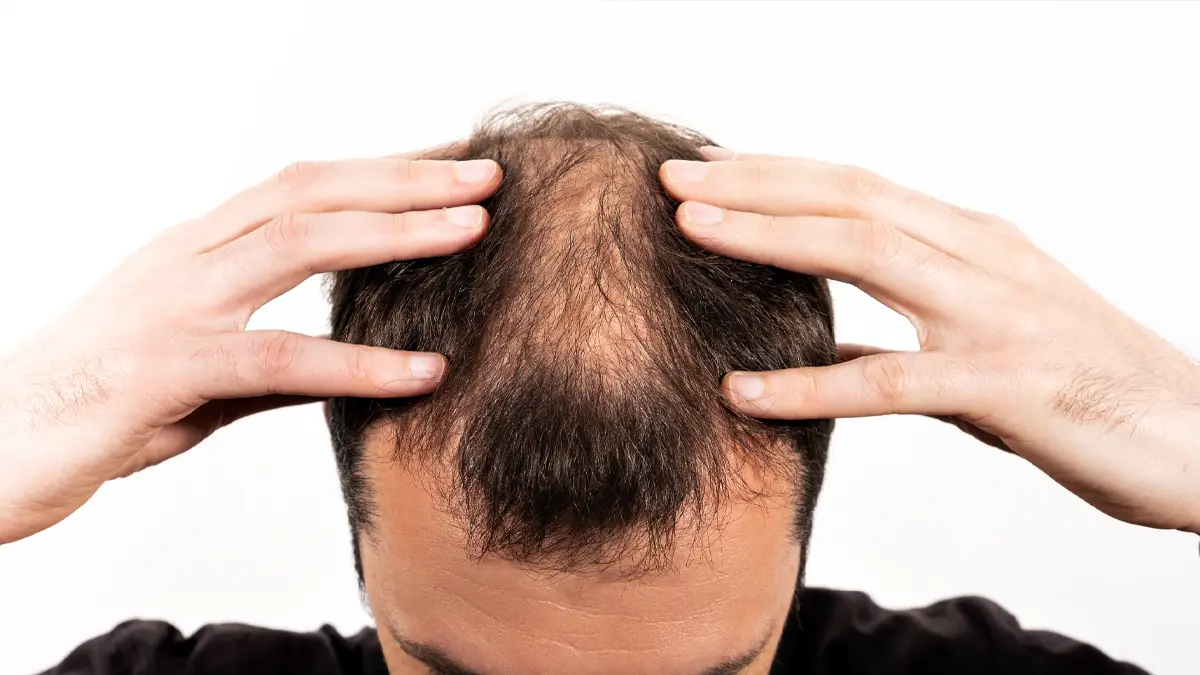
During this process, the hair follicle shrinks. In medical terms, this is called “miniaturization.” Initially, there is a slight decrease in hair thickness. Then, the hair strands begin to grow shorter, weaker, and more lifeless. Over time, new hair may not even be half as strong as the old hair. Eventually, some follicles stop producing visible hair.
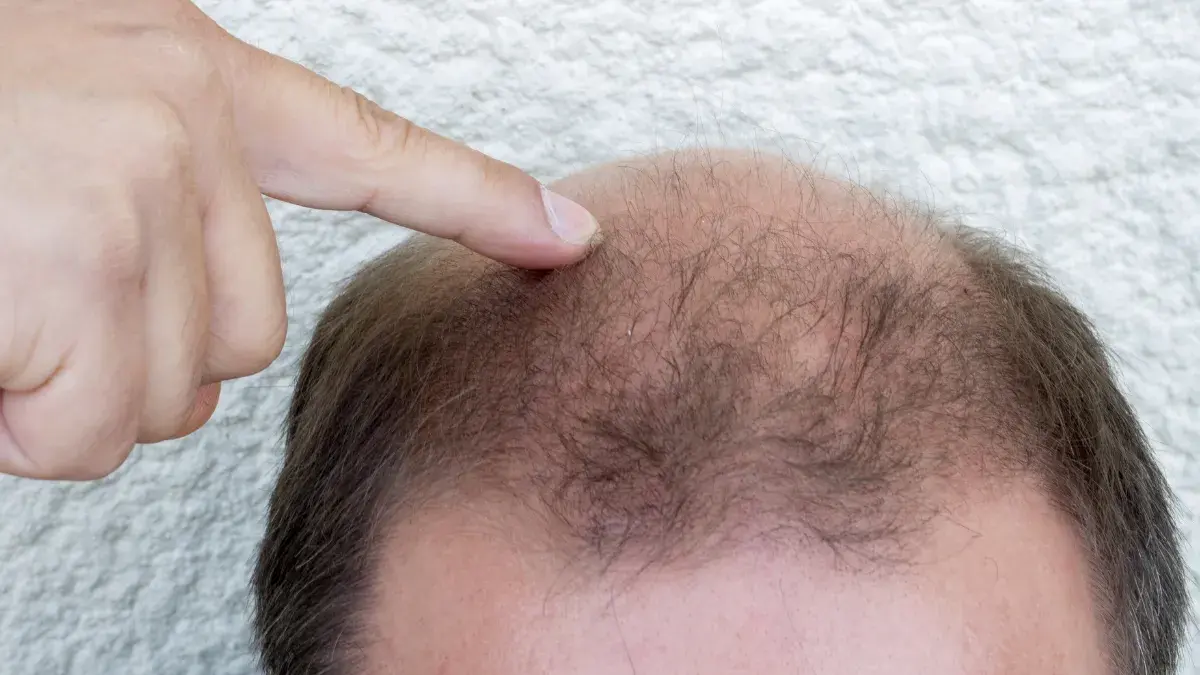
This type of hair loss is most commonly noticeable in the following areas:
- Hairline
- Temples
- Crown
- Areas along the central part where hair density decreases
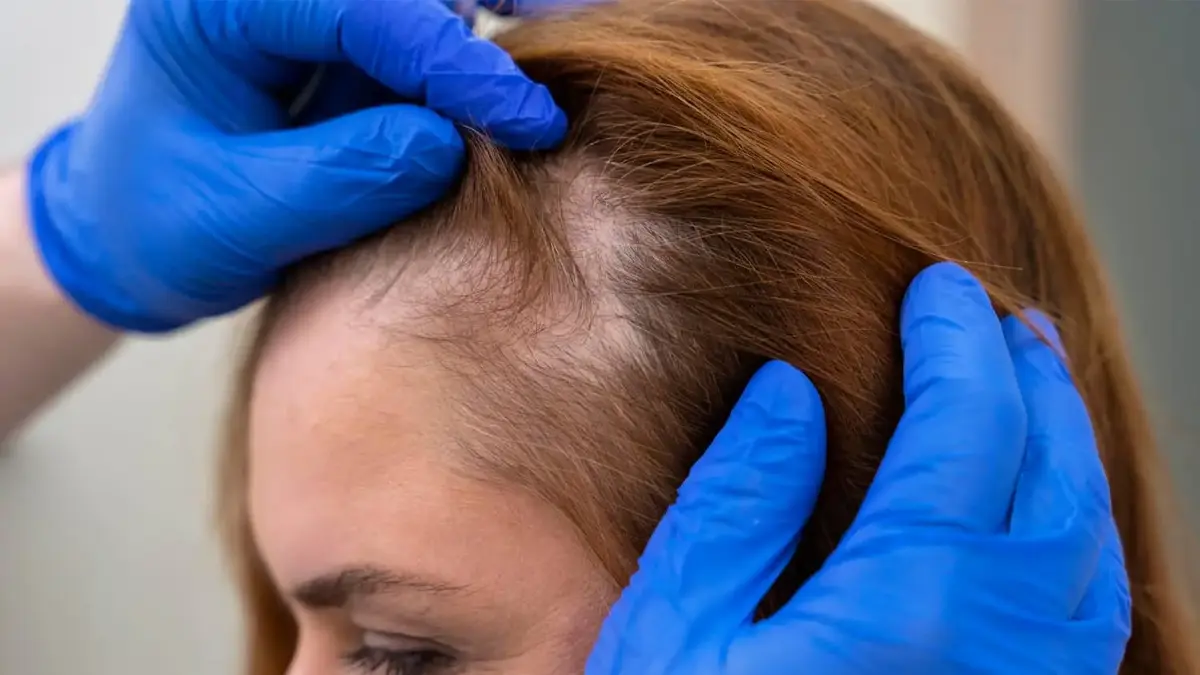
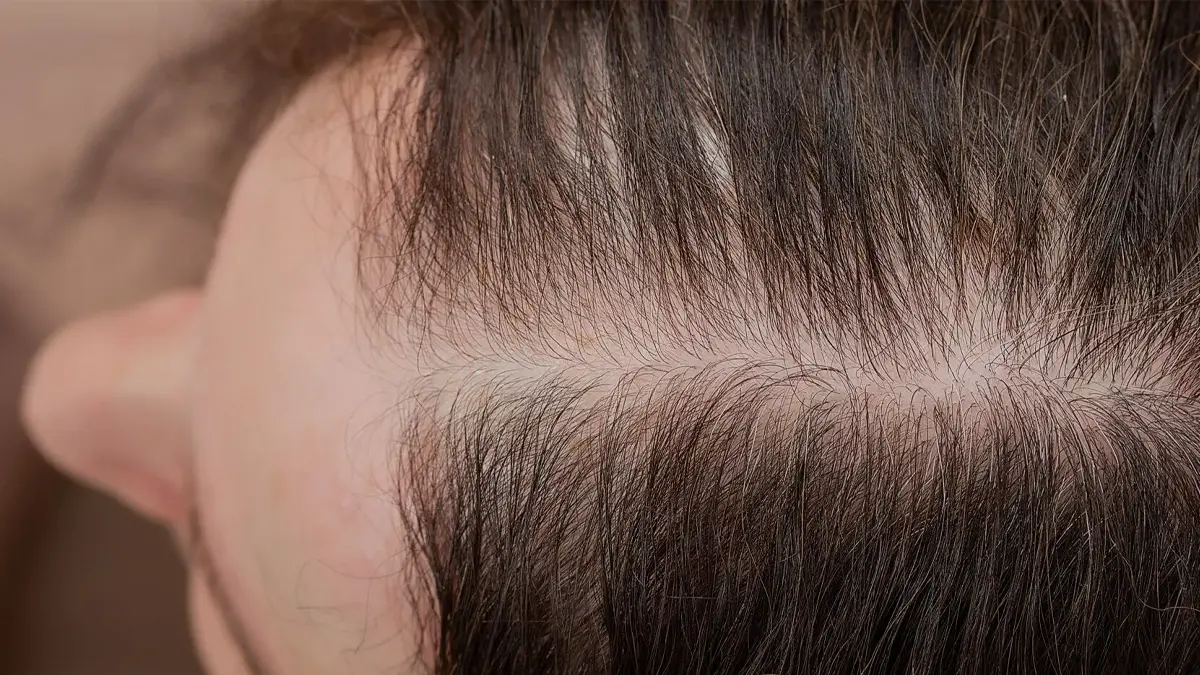
In women, it is typically noticed as widening of the parting line and a general loss of volume, rather than the front hairline completely receding.
Why Does DHT Affect Hair Follicles?
The key issue here is the hormone’s interaction with the hair follicle. Testosterone is converted into DHT via the 5-alpha reductase enzyme. When this hormone binds to genetically sensitive hair follicles, it disrupts the follicle’s normal functioning. The hair’s growth phase shortens, the resting phase lengthens, and the follicle weakens slightly with each hair cycle.
The primary factors triggering this mechanism are as follows:
- Genetic predisposition: The risk increases if there is a family history of baldness or early hair thinning.
- Hormonal sensitivity: Even if DHT levels are normal, the follicle may be overly sensitive.
- Advancing age: The process becomes more pronounced over the years.
- Inadequate hair care: It is not the primary cause on its own but can make existing thinning more visible.
- Stress and lifestyle: These do not directly trigger DHT-based hair loss but can act as accelerators.
An important distinction must be made here: Not all hair loss is DHT-induced hair loss. Iron deficiency, thyroid issues, postpartum hormonal changes, rapid weight loss, or intense stress can also lead to hair loss. Therefore, an accurate diagnosis is essential.
DHT-Induced Hair Loss: The Most Common Causes
The strongest underlying factor for this type of hair loss is genetics. No matter how well a person eats or how expensive the products they use are, if the hair follicles are sensitive to DHT, the process can begin. However, the causes should not be considered under a single heading.
- Genetic Inheritance
Family history plays a decisive role here. Particular caution is warranted if there is a history of significant hair loss on the father’s, uncle’s, or maternal side of the family.
- Hormonal Conversion
The conversion of testosterone into DHT is a natural biological process. However, in some individuals, the effect of this conversion on hair follicles is more damaging.
- Disruption of the Hair Growth Cycle
When the growth, resting, and shedding phases of hair do not progress in balance, the follicles gradually become less productive. DHT disrupts this balance, reducing the quality of newly growing hair.
- Failure to Intervene Early
Initial thinning is often overlooked. However, if the process is detected early, the progression of hair follicles becoming completely non-functional can be slowed.
DHT-Related Hair Loss: What Are the Symptoms?
DHT-Related Hair Loss does not begin by suddenly creating large bald patches. First, the nature of the hair changes. The individual begins to notice this not so much by the amount of hair in their hand, but by the difference in density when looking in the mirror.
The most common symptoms are as follows:
- A gradual receding of the hairline
- Thinning at the temples
- Noticeable thinning at the crown
- Thinning and weakening of hair strands
- Hair no longer appearing as voluminous as before
- The roots becoming visible during combing and styling
- The hair not looking strong even as it grows
- The scalp becoming more clearly visible under light
Some people say, “My hair doesn’t seem to be falling out, but it’s not the same as before.” This statement is often one of the early signs of DHT’s effect. Because the issue isn’t just the number of hairs falling out, but the quality of the hair that grows back.
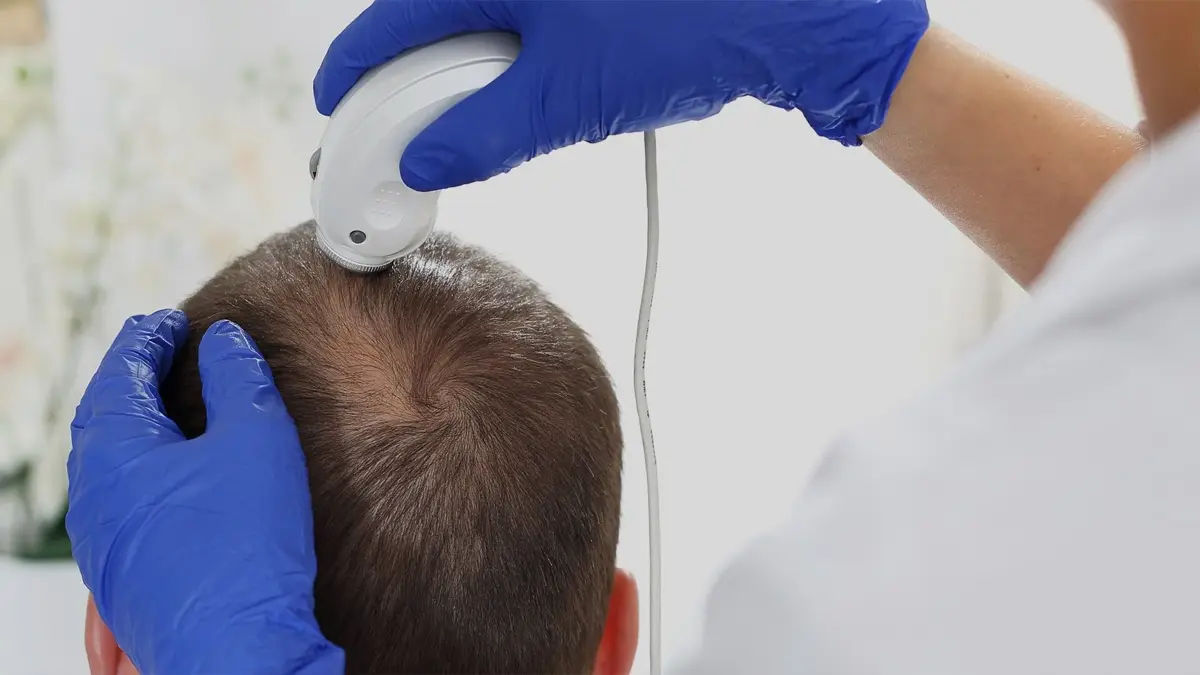
DHT-Related Hair Loss: How to Recognize It?
Observation alone may not be sufficient for diagnosing this issue. A professional evaluation is crucial for distinguishing the structure of the hair follicles and the type of hair loss. Hair analysis, dermatoscopic examination, and blood tests—if deemed necessary—are used to rule out underlying causes.
Experts typically seek answers to the following questions:
- Where is the hair loss most concentrated?
- Is there thinning of the hair strands?
- Is there a family history of similar hair loss?
- How long has this process been ongoing?
- Are there accompanying issues such as hormonal imbalances, thyroid problems, or vitamin deficiencies?
Proceeding solely with cosmetic products without a proper evaluation often results in a waste of time. This is because DHT-Induced Hair Loss is a biological process that develops at the root level; it cannot be fully controlled with surface-level care products alone.
DHT-Induced Hair Loss: Why Is Early Detection Important?
Intervening before hair follicles are completely lost offers a significant advantage. In the early stages, the goal is to protect existing hair and support the performance of miniaturizing follicles. If intervention is delayed, hair follicles in some areas may have already lost their activity. This limits treatment options.
The advantages of early detection are as follows:
- A better chance of maintaining current hair density for a longer period
- The opportunity to support thinning hair strands
- The potential to slow the rate of hair loss
- The ability to prevent advanced-stage thinning
- The ability to plan hair transplantation more effectively if necessary
Especially in cases of hair loss that begins at a young age, the “I’ll deal with it later” approach is one of the most common mistakes. Because the effects of DHT don’t wait; they progress slowly but steadily.