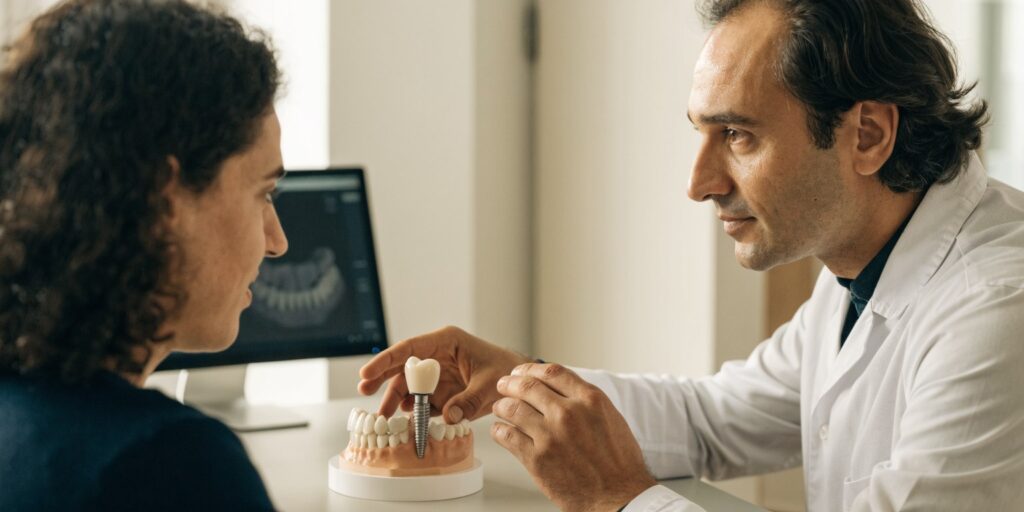


A practical guide to replacing one missing tooth with an implant, including the implant, abutment and crown, the treatment timeline, recovery, temporary teeth, bone grafting and alternatives such as a dental bridge.

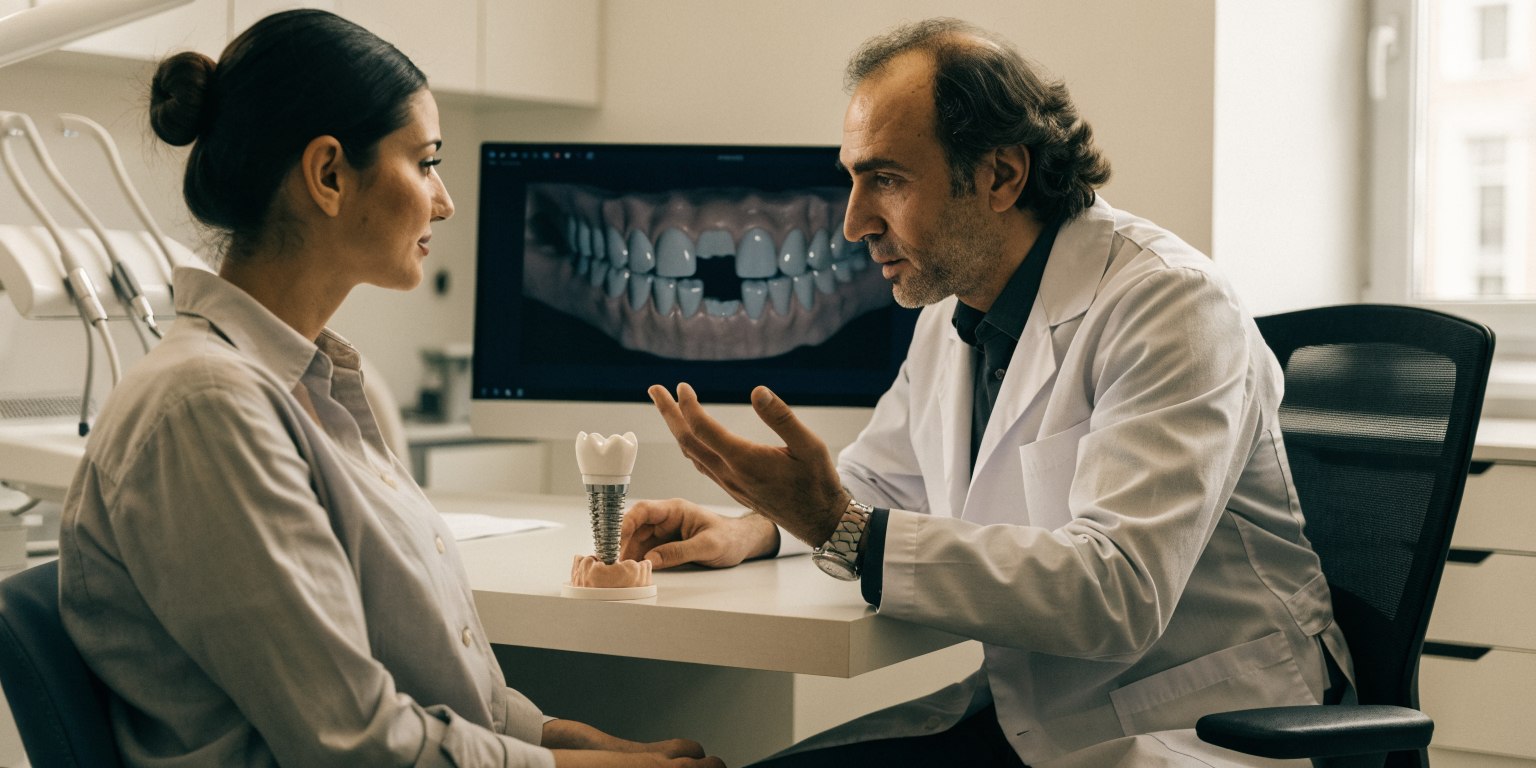
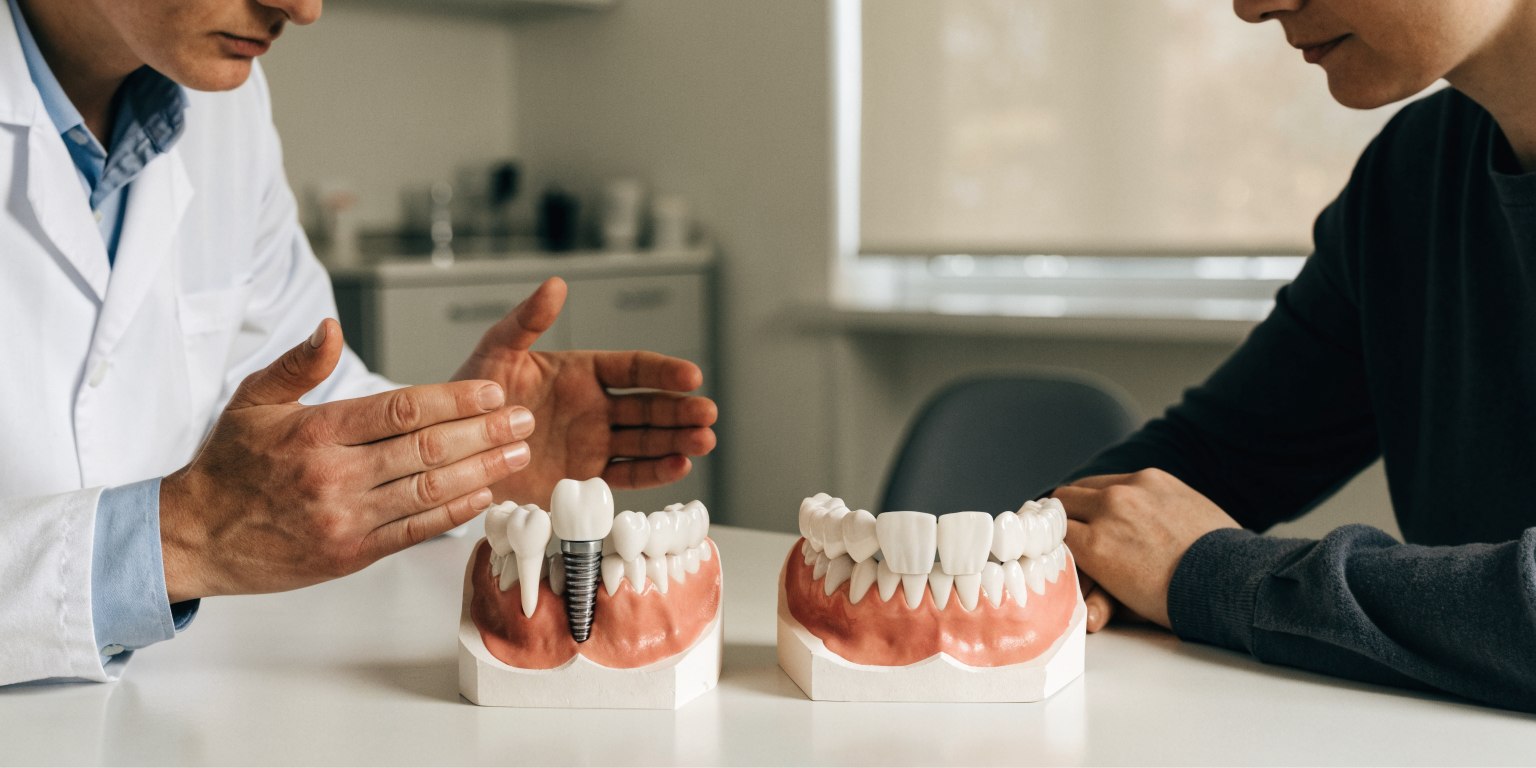
A single tooth dental implant replaces one missing tooth with a restoration that is supported independently in the jaw rather than by the neighboring teeth. The completed restoration usually involves an implant fixture placed in the jawbone, an abutment that connects the implant to the restoration, and a custom crown that forms the visible tooth.
The surgical appointment is only one part of the process. Most of the overall treatment time is biological healing: the implant must become stable in the surrounding bone before the final crown is placed in many cases. Some patients can also use a temporary tooth during this period.
This guide focuses specifically on replacing one missing tooth. For a broader overview of implant treatment, candidacy and treatment planning, see Niva Dental’s guide to dental implants in Turkey.
What Is a Single-Tooth Dental Implant?
A single-tooth implant is a fixed replacement for one missing tooth. Unlike a conventional tooth-supported bridge, it does not normally require the teeth on either side of the gap to be prepared as supports. The implant fixture functions as an artificial tooth root, while the crown restores the visible part of the tooth.
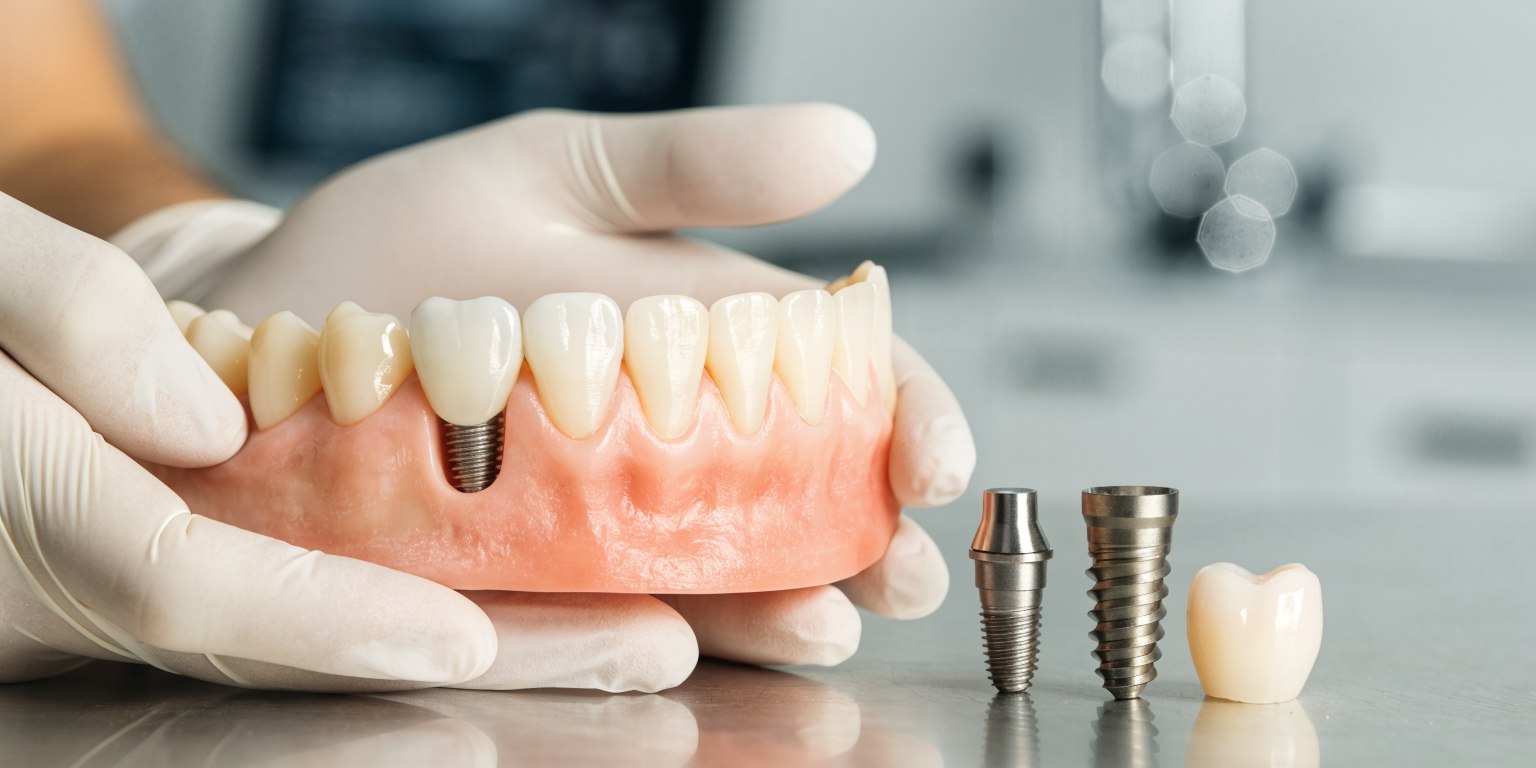
A completed single implant restoration is best understood as three separate components:
| Component | What it does |
|---|---|
| Implant fixture | A screw-shaped implant placed in the jawbone to support the restoration |
| Abutment | The connector between the implant fixture and the crown |
| Crown | The visible artificial tooth shaped and shaded to fit the bite and neighboring teeth |
This distinction matters because the implant fixture and the crown are not the same thing. A person can have a stable implant for many years while the crown, screw or other prosthetic component eventually requires maintenance or replacement.
The American Academy of Periodontology’s patient guidance on single-tooth implants explains that one implant and one crown can replace a missing tooth while avoiding preparation of adjacent teeth.
How Does the Single Tooth Implant Procedure Work?
The single tooth implant procedure usually follows a sequence of assessment, implant placement, healing, and restoration. Some stages can be combined when clinical conditions allow, while other patients need additional time for extraction-site healing or bone grafting.
1. Examination and treatment planning
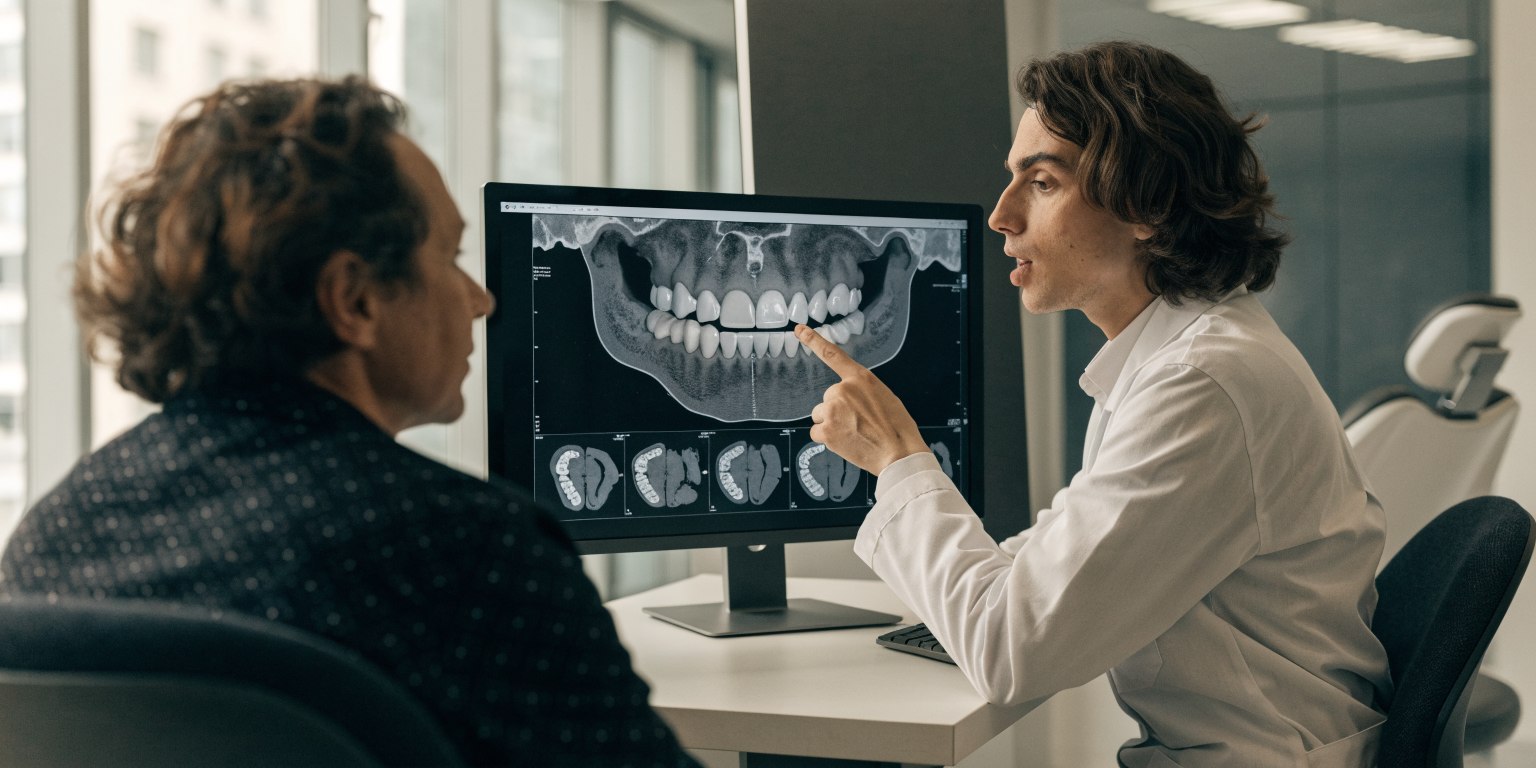
The dentist evaluates the missing-tooth site, neighboring teeth, gums, bite and medical history. X-rays and, when appropriate, 3D imaging help assess available bone and nearby anatomy. Mayo Clinic’s dental implant surgery guidance also emphasizes individualized planning based on the jawbone and remaining teeth.
For one missing tooth, the planned implant position must work with the future crown, not merely fit into the available bone.
2. Tooth extraction, if the tooth is still present
If a damaged tooth cannot be retained, extraction may come first. In selected cases the implant can be placed at the extraction appointment; in others, the site heals before implant placement.
“Immediate implant placement” describes when the implant is inserted, not when the final crown is necessarily delivered.
3. Implant placement
The implant fixture is placed into prepared jawbone under appropriate anesthesia. Depending on the surgical approach, the site may be closed over the implant or fitted with a healing component.
Placement itself does not mean the implant is ready for unrestricted chewing. Initial surgical stability and later biological integration are different stages.
4. Osseointegration
Osseointegration is the process in which bone forms a close structural connection with the implant surface. The American Dental Association’s MouthHealthy implant guidance explains that this healing takes time and that some patients wait several months before the replacement tooth is attached.
5. Abutment and final crown
After sufficient healing, an implant abutment connects the fixture to the restoration. Impressions or a digital scan are used to design the crown. The final dental implant crown is then checked for fit, contacts, bite and appearance; visible teeth may require particular attention to shade, shape and gum contour.
How Long Does a Single Tooth Implant Take?
A single tooth dental implant often requires several months from initial treatment to the final crown, but the exact timeline depends on the condition of the site and the treatment sequence. The active appointments may be relatively short; the longer interval is usually the healing period between implant placement and final restoration.
A simplified timeline looks like this:
| Stage | What happens | Timing consideration |
|---|---|---|
| Assessment | Examination, imaging and planning | Before surgery |
| Extraction, if required | Damaged tooth is removed | Same day as implant in selected cases or earlier |
| Implant placement | Implant fixture is positioned in the jaw | Surgical appointment |
| Healing | Osseointegration develops | Commonly several months |
| Abutment/restorative records | Implant is prepared for the crown | After adequate healing |
| Final crown | Custom crown is fitted and bite is checked | Final restorative stage |
Mayo Clinic notes that the full process can take many months because much of the time is spent waiting for bone growth and healing. The exact schedule varies with the jawbone, implant stability, surgical approach and whether grafting is required.
For international patients, that distinction is important: procedure time is not the same as total treatment time. A short implant-placement visit does not mean the entire implant-and-crown treatment is completed during that visit.
What Is Recovery Like After One Dental Implant?
Single tooth implant recovery usually includes a short early surgical recovery followed by a much longer period of bone healing. Swelling, tenderness, minor bleeding or bruising can occur after implant surgery, but the intensity and duration vary between patients.
Mayo Clinic lists swelling, bruising, implant-site pain and minor bleeding among possible postoperative effects. It also advises contacting the treating clinician if swelling, soreness or another problem worsens in the days after surgery.
It is useful to separate three different recovery concepts:
- Early surgical recovery: the period when swelling, tenderness and the surgical wound settle.
- Soft-tissue healing: the gum tissue closes and matures around the site or healing component.
- Osseointegration: the deeper biological process by which the implant becomes integrated with the jawbone.
Feeling comfortable again does not prove that osseointegration is complete. A patient may feel largely normal well before the implant is ready for the final loading protocol chosen by the dentist.
Aftercare instructions can differ depending on the surgery. Patients should follow the specific hygiene, diet, medication and activity advice provided by their treating dental team rather than using a generic online timetable as a substitute for clinical instructions.

When Is a Bone Graft Needed for a Single Implant?
A bone graft may be considered when the implant site does not have enough bone volume or quality to support the planned implant position. It is not automatically required for every missing tooth.
Mayo Clinic explains that grafting may be needed when the jawbone is too thin or too soft to provide a suitable implant foundation. Depending on the amount of augmentation needed, grafting may sometimes be performed with implant placement or may require a separate healing period first.
For a front tooth implant, the decision can involve more than simply having enough bone to hold an implant. The dentist may also evaluate the outer bone wall and gum architecture because these tissues influence the final emergence profile and appearance of the crown.
Bone grafting can lengthen the treatment timeline, which is why it should be identified as early as possible during planning.
Can You Have a Temporary Tooth or Same-Day Crown?
A temporary tooth may be possible during healing, particularly when the missing tooth is visible in the smile. However, a temporary restoration and a final implant crown are not interchangeable terms.
Some patients can receive a provisional restoration soon after implant placement if the implant has appropriate stability and the bite can be controlled. Other patients may use a removable or tooth-supported temporary option that does not load the implant.
The important distinction is:
Same-day implant placement does not necessarily mean a same-day final crown.
Even when a temporary crown is attached early, osseointegration continues afterward. The final crown may be made later, after the dentist confirms that the implant and surrounding tissues are ready for definitive restoration.
This is one of the areas where treatment advertisements can be confusing. Patients should ask whether “same-day tooth” means an immediate implant, an immediate temporary crown, or a definitive final restoration.
For a closer look at what “same day” can and cannot mean, see Niva Dental’s guide to same-day dental implants in Turkey.
Single Implant vs Bridge for One Missing Tooth
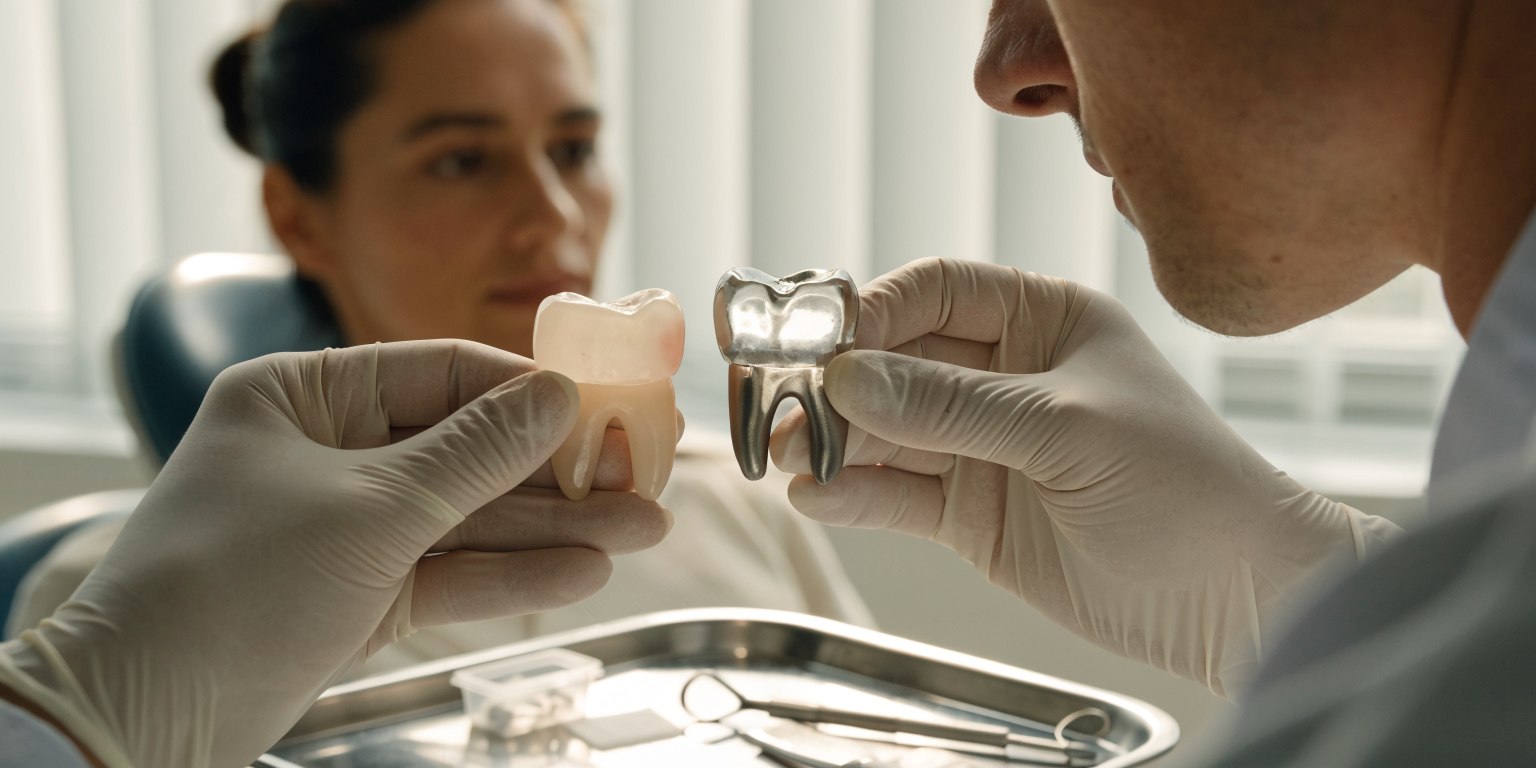
For one missing tooth, a dental implant and a conventional bridge can both restore the gap, but they obtain support in different ways. An implant is supported by the jawbone, while a traditional bridge typically uses neighboring teeth as abutments.
| Question | Single implant + crown | Conventional tooth-supported bridge |
|---|---|---|
| What supports it? | Implant fixture in the jawbone | Neighboring natural teeth |
| Are adjacent teeth normally prepared? | Not for support of the implant crown | Usually yes for a conventional bridge |
| Is surgery required? | Yes | Usually no implant surgery |
| Does treatment require bone healing? | Yes | No osseointegration phase |
| Can existing condition of adjacent teeth affect the choice? | Yes | Yes |
| Is one option automatically better? | No — suitability depends on clinical findings | No — suitability depends on clinical findings |
The American Academy of Periodontology notes that a single implant can replace a tooth without reducing neighboring teeth for bridge support. That can be particularly relevant when the adjacent teeth are healthy and unrestored.
A bridge may still be a reasonable option in some situations, including cases where implant surgery is unsuitable or where the adjacent teeth already need substantial restorative treatment. The decision should consider the condition of the neighboring teeth, available bone, gum health, bite, medical factors, treatment time and the patient’s priorities.
For a fuller comparison of both options, read dental implant vs bridge.
What Matters Most for a Front Tooth Implant?
A front single tooth dental implant must restore both function and the visible relationship between the tooth and gum. The final result depends on implant position, available bone, soft-tissue architecture, crown shape, shade and the way the restoration emerges through the gum.
This is why replacing an upper front tooth can be an aesthetic planning challenge even when only one tooth is missing. The dentist may need to match:
- crown length and width;
- tooth shade and translucency;
- the height of the gum margin;
- contact points with neighboring teeth;
- the way the crown emerges from the gum;
- the patient’s smile line.
A temporary restoration may sometimes help maintain appearance during healing and can also assist with soft-tissue shaping in selected treatment protocols.
The aim is not simply to make an implant “white enough.” A natural-looking single crown has to belong visually to the teeth beside it.
How Do You Care for a Single Implant and Crown Long Term?
A single implant restoration still requires daily plaque control and professional follow-up. An implant cannot develop tooth decay in the way a natural tooth can, but the tissues around an implant can develop inflammation and disease.
The American Academy of Periodontology’s implant follow-up guidance recommends conscientious home care and regular dental visits to help maintain implant function and monitor the implant, teeth and gums.
Long-term care includes effective brushing and interdental cleaning, monitoring gum health, checking the bite and prosthetic components, and attending recall visits at intervals recommended for the individual patient. Smoking, clenching or grinding may also be relevant to maintenance discussions.
Long-term research reinforces the distinction between implant survival and crown survival. A 38–40 year follow-up of a small early implant cohort found that implant fixtures could remain in function for decades while more of the original implant-supported crowns required replacement. The PubMed record for this long-term single-implant study illustrates why an implant restoration should be viewed as a maintainable system rather than a single permanent object.
What Should International Patients Ask Before Traveling for One Implant?
International patients considering a single implant should clarify the complete treatment sequence before arranging travel. The key question is not only how long the implant surgery takes, but how the final crown and follow-up will be completed after healing.
Ask for a treatment plan that clearly distinguishes:
- implant placement;
- any extraction or bone grafting;
- the healing interval;
- temporary tooth options;
- abutment and final crown;
- expected number of visits or trips;
- follow-up responsibilities after returning home.
A remote review of records can help a clinic understand the case before travel, but it does not replace an appropriate in-person dental examination and imaging when these are needed for final diagnosis and treatment planning.
Individual suitability, timing and additional procedures should be confirmed after clinical assessment rather than assumed from general treatment information.
Frequently Asked Questions
Is a single tooth implant painful?
Implant placement is generally performed with anesthesia so the surgical area is numb during treatment. Afterward, tenderness, swelling, bruising or minor bleeding can occur. The amount of discomfort varies by patient and procedure. Worsening pain, swelling or another unexpected problem should be discussed with the treating clinician rather than assumed to be normal recovery.
How long does a single tooth implant take to heal?
The visible surgical site may feel substantially better before the implant has fully integrated with bone. Osseointegration commonly takes several months, and the dentist decides when the implant is ready for the next restorative stage based on the individual case. Bone grafting or other additional procedures can extend the timeline.
Can I get a tooth on the implant the same day?
Some patients may receive a temporary crown or another temporary tooth option on or around the day of implant placement. This depends on implant stability, bone conditions, bite forces and the treatment plan. A same-day temporary tooth should not automatically be interpreted as the final implant crown.
Do I always need a bone graft for one missing tooth?
No. A bone graft is considered when the available bone is not sufficient for the planned implant position or when additional tissue support is needed. Imaging and clinical examination help determine whether grafting is unnecessary, can be performed with the implant, or should be completed as a separate stage.
Is a single implant better than a bridge?
Neither option is automatically best for every patient. A single implant can replace a tooth without relying on neighboring teeth, while a traditional bridge can avoid implant surgery and may be appropriate in other clinical situations. The condition of the adjacent teeth, bone, gums, bite, medical history and treatment priorities all influence the decision.
Will the implant and crown last the same amount of time?
Not necessarily. The implant fixture, abutment and crown are separate components. Long-term studies show that an implant fixture may remain in function while the crown or other prosthetic components need maintenance, repair or replacement. This is why long-term follow-up matters even when the implant itself is stable.
Can a front tooth implant look natural?
A front implant crown can be designed to blend with neighboring teeth, but appearance depends on more than color. Implant position, bone, gum contour, crown shape, translucency and smile line all matter, so front-tooth cases require careful aesthetic and biological planning.
The Main Takeaway
A single tooth dental implant is not simply a screw placed into a gap. It is a staged replacement system in which the implant fixture provides support in the jaw, the abutment connects the restoration, and the crown recreates the visible tooth. Treatment may involve extraction, grafting or a temporary tooth, and the total timeline is usually driven more by healing than by chair time.
For one missing tooth, the most useful consultation compares the implant with realistic alternatives and explains exactly when the temporary and final restorations will be provided. If you are considering treatment in Istanbul, you can review Niva Dental’s dental implant options and request an individual assessment. Online records can support preliminary planning, but final suitability requires appropriate clinical evaluation.
Medical References
- Mayo Clinic — Dental implant surgery
Used for implant components, assessment, staged treatment, osseointegration, bone grafting and postoperative effects. - American Dental Association, MouthHealthy — Implants
Used for the general implant sequence, osseointegration, single implant crowns and patient health considerations. - American Academy of Periodontology — Single-Tooth Dental Implants
Used for single-tooth implant structure, advantages relative to conventional bridges and staged restoration. - American Academy of Periodontology — Dental Implant Procedures
Used for implant maintenance, oral hygiene and follow-up. - NHS — Dental treatments: dental implants
Used as supporting public-health guidance confirming that implants may replace a single tooth and are fixed into the jawbone to support a restoration. - Barkarmo S, et al. — Outcome of Single Dental Implants Over 38–40 Years: A Long-Term Follow-Up Study (PubMed)
Used to support the distinction between long-term implant fixture survival and maintenance/replacement of implant-supported crowns.