

Breast Augmentation (Breast Implants): What Is It? How Is It Done?
Dental implants are a dental treatment used to replace one or more missing teeth. They are made by placing titanium screws into the jawbone. Niva Aesthetic offers treatment in Istanbul, Turkey, that meets European standards. There are many questions about this procedure. We have created detailed content about dental implants for you. You can find most of what you are curious about.
What Is Breast Augmentation Surgery?
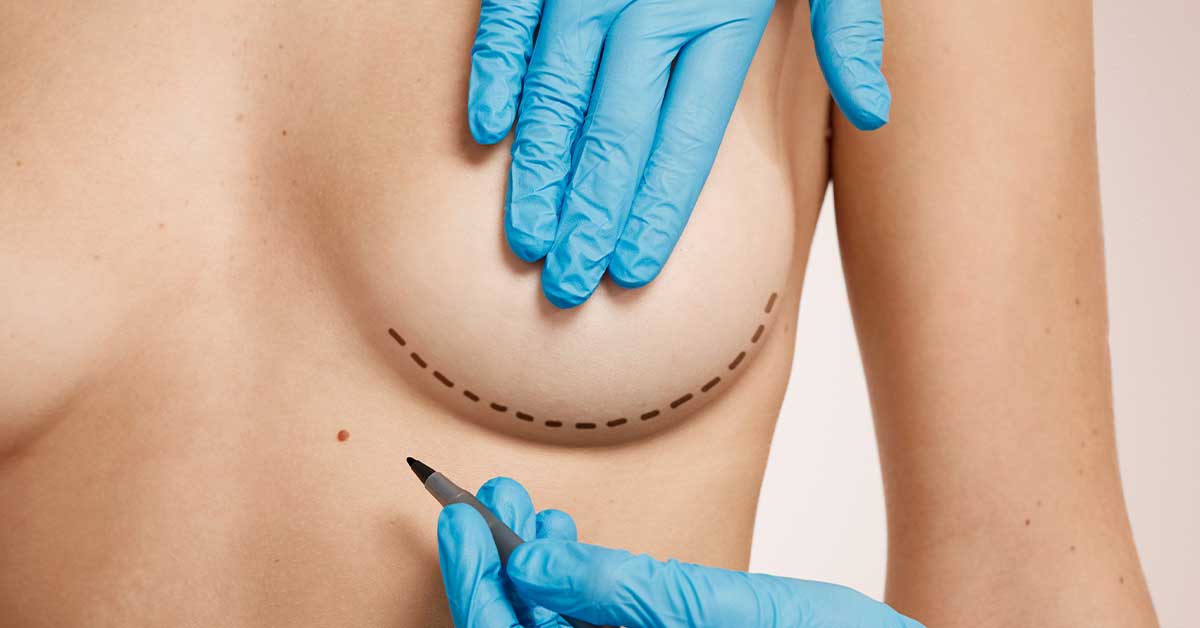
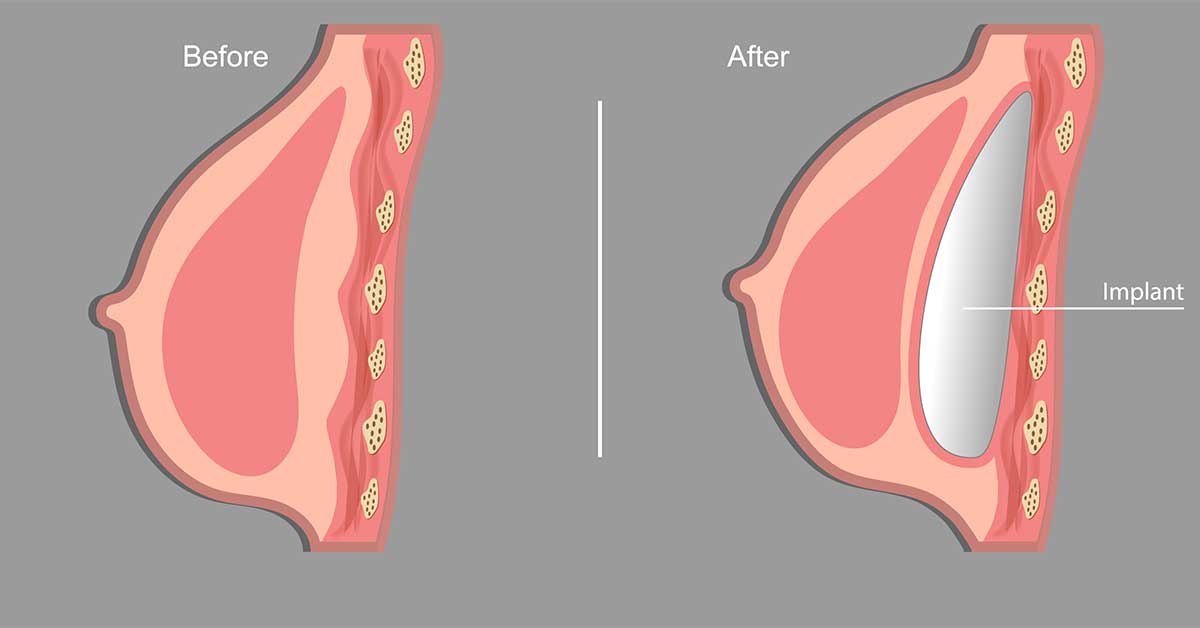
Breast augmentation surgery involves creating a controlled pocket in the anatomical plane where the selected implant will be placed and inserting the implant into this pocket. The quality of the result depends as much on the “pocket” plan as it does on implant selection. If the pocket is too wide, the implant may shift sideways. If the pocket is too narrow, pressure increases and healing may be more difficult. For this reason, the surgical plan is tailored based on measurements and tissue capacity. During the Breast Augmentation and Breast Implant procedure, symmetry, the inframammary fold line, and the nipple level are monitored throughout the surgery.
- It is typically performed under general anesthesia.
- Bleeding control is performed with meticulous care.
- A medical bra is worn starting at the end of the procedure.
What Is a Breast Implant?
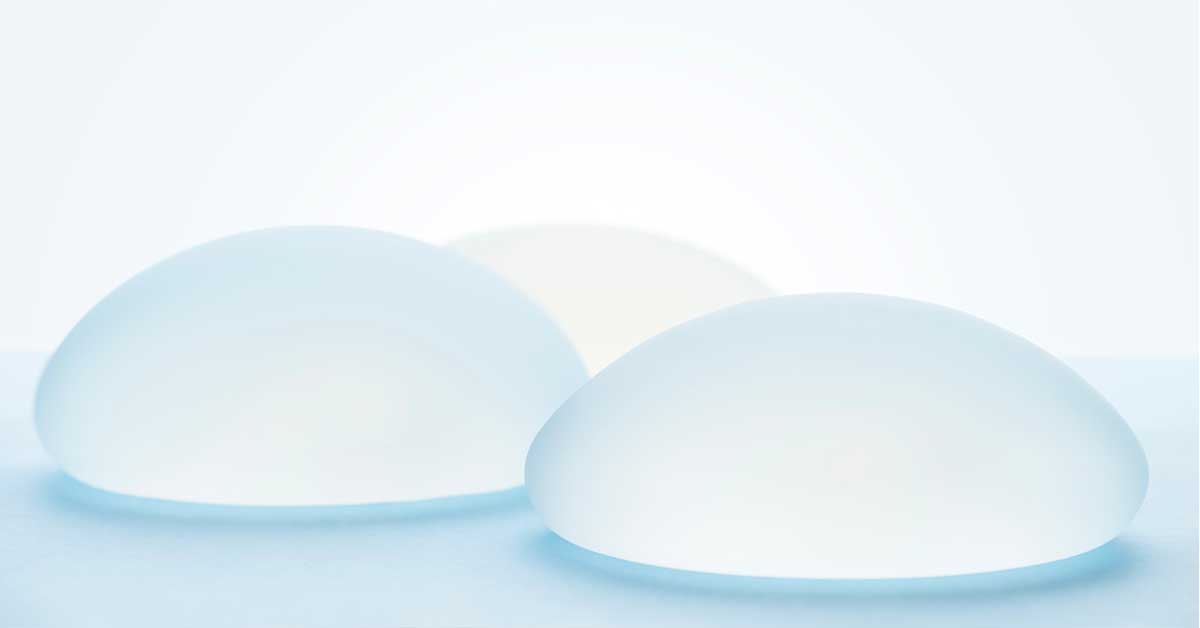
A breast implant is a medical prosthesis enclosed in a durable outer shell. The inner filling may be silicone gel or saline. Silicone gel implants provide a more natural tissue feel in most people. With saline implants, volume loss may be noticeable more quickly. Breast Augmentation and Breast Implants: Implant selection is based not only on volume but also on compatibility with the breast base measurement and tissue thickness. An incompatible implant can cause the breast to spread sideways or the skin to stretch excessively.
- Filling: silicone gel / saline
- Shape: round / anatomical
- Profile: low / medium / high
- Surface: smooth / textured
Breast Augmentation (Breast Implants): Why Is It Done?
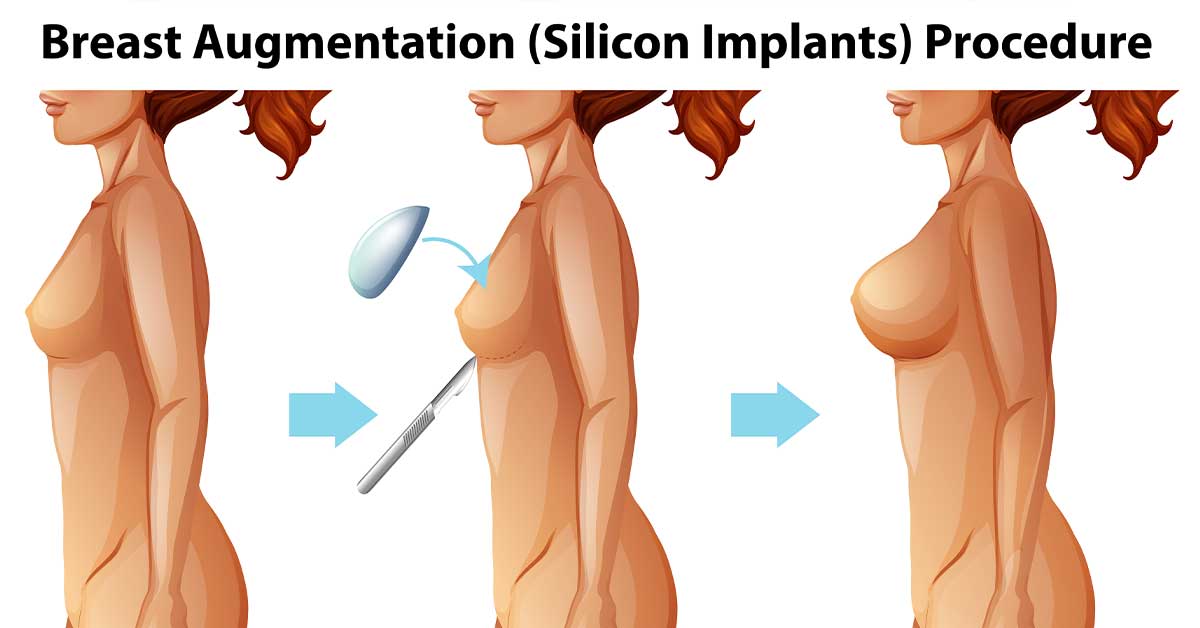
Breast augmentation may be considered for individuals with congenital volume deficiency, volume loss following childbirth and breastfeeding, or when “sagging” occurs in the breasts after weight changes. For some individuals, the primary issue is not size but poor shape. In others, the difference between the two breasts is noticeable, and this imbalance needs to be corrected. The decision regarding Breast Augmentation and Breast Implants is made after these needs are clearly identified.
- If breast volume is significantly small
- If upper fullness is lacking
- If asymmetry is noticeable
- If there is volume loss after childbirth
- If sagging has occurred after weight loss
Breast Augmentation (Breast Implants): How Is It Done?
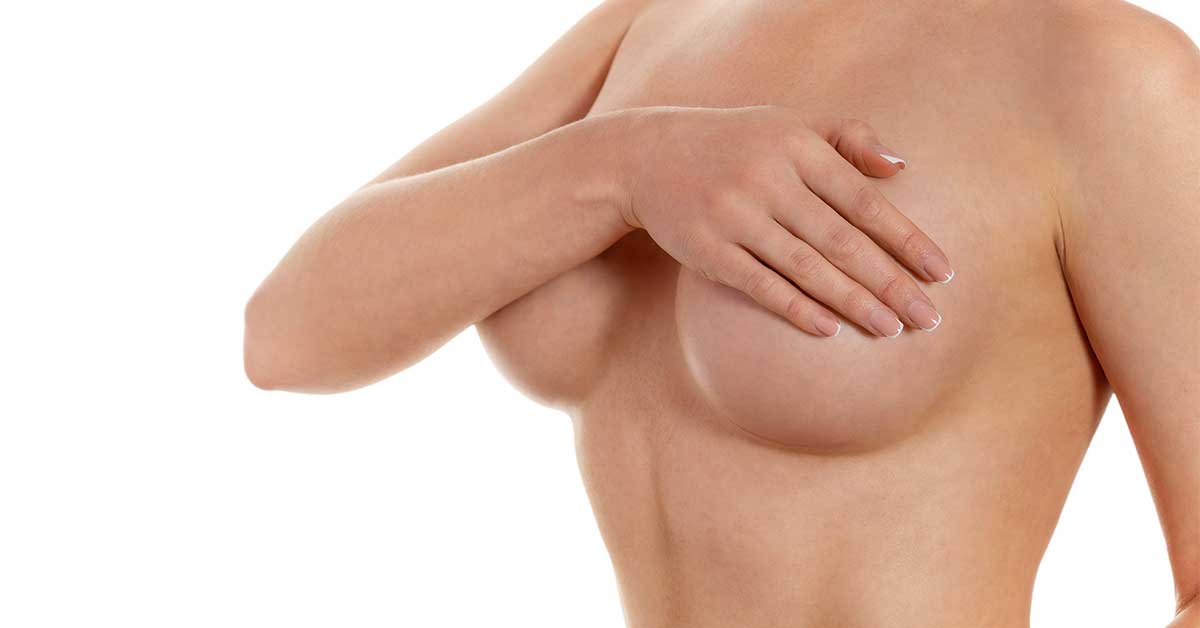
The basic principle of the surgery is to prepare a pocket in the correct plane for the implant and to place the implant at the correct level within this pocket. A natural appearance is achieved when the implant does not look as though it has been “attached” to the breast. This is made possible by correctly establishing the incision site, placement plane, and pocket design. The most commonly preferred incision during Breast Augmentation and Breast Implant surgery is the inframammary fold, as it enhances surgical control. Incisions around the areola or in the armpit are considered in specific cases.
- The incision site is determined.
- The placement plane is selected (submuscular / subglandular / dual-plane).
- The pocket is prepared, and symmetry is checked.
- The tissue layers are closed anatomically.
Breast Augmentation (Breast Implants): Who Is a Candidate?
Two key factors are crucial for a suitable candidate: the patient’s overall health must be suitable for surgery, and the tissues must have the capacity to support the selected implant. If a very large implant is chosen for very thin tissue, edge visibility may increase, and the risk of sagging rises in the long term. Therefore, measurement and tissue analysis are mandatory in the evaluation of candidates for Breast Augmentation and Breast Implants.
- Those in good general health
- Those whose breast development is complete
- Those with adequate tissue thickness and skin quality
- Those who can adhere to post-operative recovery guidelines
- Those who can commit to a plan to quit nicotine products
Breast Augmentation Options: Non-Surgical
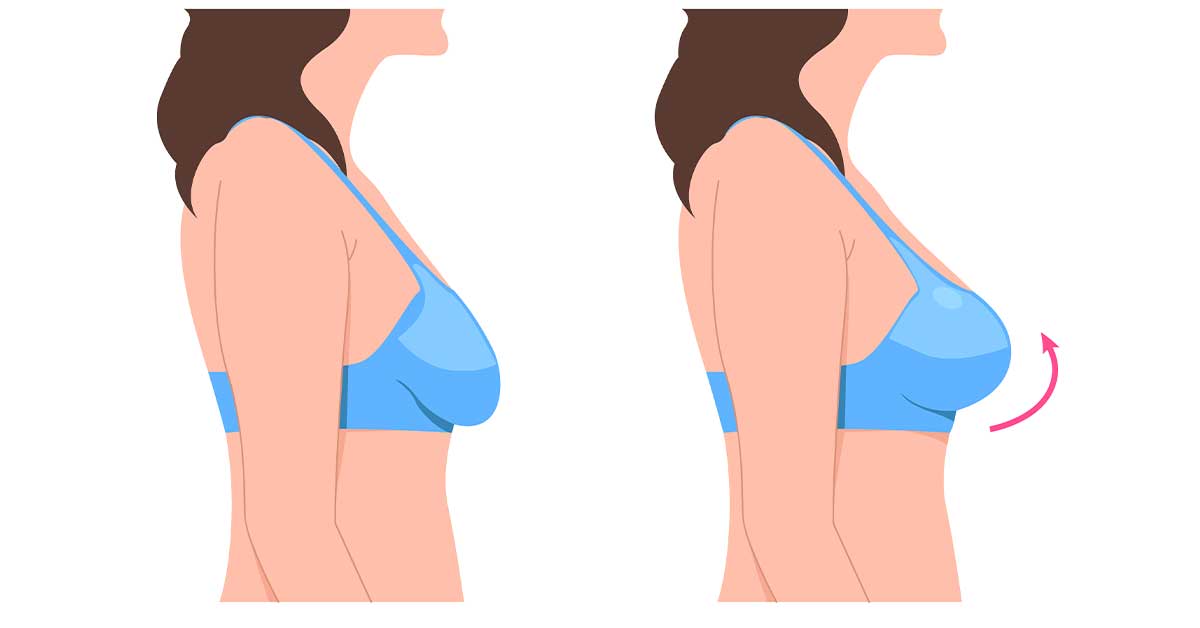
In a clinical setting, “non-surgical” augmentation typically refers to procedures other than implants. These options may not provide as clear or permanent a volume increase as implants. The most important consideration is making a decision while understanding the method’s limitations. For those who do not want Breast Augmentation or Breast Implants or aim for a small volume increase, certain alternatives can be considered.
Fat Injection (Lipofilling)
In this method, fat is extracted from the body, purified, and injected into the breast in small amounts. The volume increase is not as significant as with implants. Some of the fat may dissolve over time. Therefore, a second session may be necessary for some individuals. Fat injection provides a softer transition; however, results vary from person to person.
- No implants are used.
- Volume increase is generally limited.
- Results may vary due to fat absorption.
- Palpable lumps may form.
Vacuum-Assisted Tissue Expansion Systems
In some clinical protocols, systems that apply negative pressure to the breast from the outside are used. The goal is to expand the tissue and prepare the area for fat injection in some patients. When used alone, the results for permanent enlargement may be limited. Regular use is required.
- Regular use is required.
- Redness and sensitivity may occur in the skin.
- Permanent volume increase on its own is limited.
Breast Filler (Injectable Filler)
Breast filler injection is not a routine option at many centers. Filler within breast tissue is approached with caution due to risks such as irregularities, displacement, infection, and difficulties in imaging assessment. If this method is being considered, the risks and the need for long-term follow-up must be clearly discussed.
- Irregular firmness and deformity may develop.
- The filler may shift.
- There is a risk of infection.
- Imaging evaluation may become difficult.
Breast Implants: Advantages
Breast Augmentation and Breast Implants: The most significant advantage of implants is their ability to provide the desired volume in a planned and predictable manner. When an implant is selected to match the breast base measurement, the augmentation appears “proportional.” Additionally, the implant affects not only volume but also breast shape. Upper fullness, the décolletage line, and the lateral contour of the breast can be made more regular. This effect is more noticeably evident in individuals who have experienced volume loss after childbirth or have weakened upper poles. In patients with asymmetry, achieving balance is easier by selecting different volumes or profiles for each side.
- Volume increase is controlled. The desired size is planned based on measurements and tissue capacity. This reduces the risk of an “overly tight” appearance or unnecessary tissue strain.
- Upper fullness can be enhanced. A more voluminous décolletage line can be targeted, especially in breasts with a weak upper pole. Shape and profile selection determine the outcome at this stage.
- Asymmetry can be balanced. If the left–right difference is significant, the same implant is not used on both sides. If necessary, different volumes or profiles are selected to achieve visual balance.
- The result is visible in the early period, but full settling takes time. In the first few days, the breast may appear higher and firmer. As swelling subsides, the implant settles, and the breast takes on a softer, more natural appearance.
Breast Implants: Risks
Breast implant risks are evaluated in terms of early and late stages. In the early stage, bleeding and infection are the primary concerns. In the late stage, capsular contracture, displacement, rippling, or the need for revision may occur. There are also some rare implant-related risks. These risks are addressed based on the implant type and individual factors. All risks must be clearly evaluated before making a decision regarding breast augmentation and breast implants.
- Bleeding, hematoma
- Infection
- Changes in sensation
- Capsular contracture
- Implant displacement or rotation
- Waviness (more common in thin tissue)
- Rupture/leakage and need for revision
Breast Augmentation (Breast Implants): Preoperative Preparation
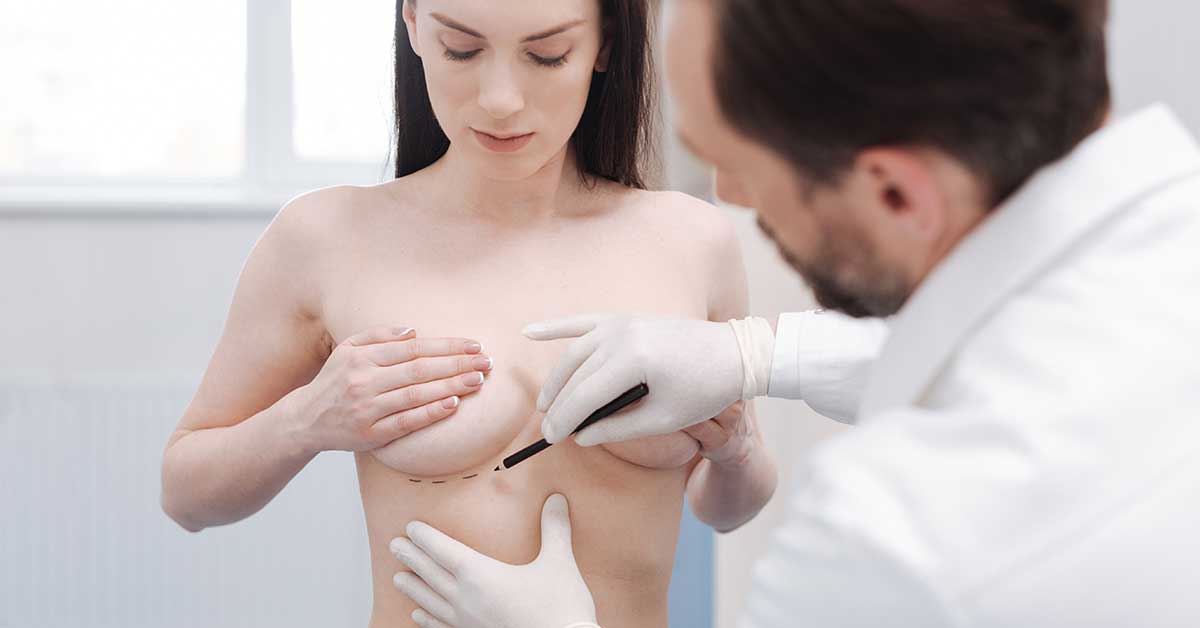
Breast Augmentation and Breast Implants preoperative preparation is a critical phase for ensuring the surgery proceeds safely and recovery is uneventful. The goal during this period is to reduce the risk of bleeding and infection, enhance the tissue’s healing capacity, and plan the postoperative process from the outset. Nicotine products impair circulation. This can slow the closure of the incision and negatively affect scar quality. Certain medications and herbal supplements can also increase the risk of bleeding. Therefore, every product used during the preoperative period is clarified and adjusted according to the surgical plan. Additionally, measurements and implant selection are finalized to strike a balance between the “aesthetic goal” and “tissue capacity.”
- Nicotine products are discontinued. Cigarettes, hookahs, e-cigarettes, and nicotine-containing products reduce tissue blood flow. This can prolong swelling, impair scar quality, and slow healing. The cessation period is planned on an individual basis.
- Medications and supplements are adjusted. Pain relievers, blood thinners, and certain herbal products that may increase the risk of bleeding can cause issues during the preoperative period. Adjustments are made based on the individual’s health condition. Chronic medications are not discontinued on their own; the plan is carried out under the doctor’s supervision.
- Measurements and implant selection are finalized. Breast base width, tissue thickness, skin elasticity, and asymmetry are evaluated. Both the volume and the profile and shape of the implant are selected. In cases of thin tissue, the placement plane is planned with greater care to mitigate the risk of implant edge visibility.
- A medical bra and sleep position are planned. The bra to be used post-surgery helps control swelling by stabilizing the breast. The sleep position is typically arranged to be on the back. Pillow support and the angle of lying down at home are prepared in advance.
- A support and work plan is established for the first week. Straining the arms or lifting heavy objects is not recommended in the first few days. Therefore, plans for household arrangements, daily needs, transportation, and companionship are made in advance. Return-to-work timelines vary between desk jobs and physical labor; accordingly, a leave plan is prepared.
Breast Augmentation (Breast Implants): Post-Surgery
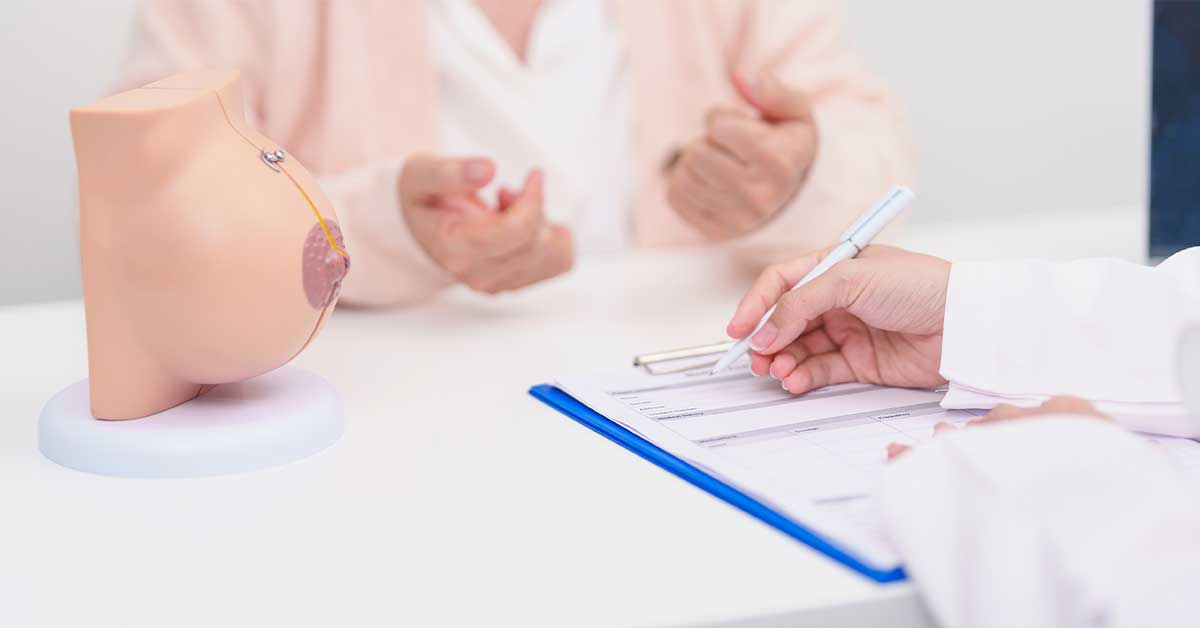
Breast Augmentation and Breast Implants: In the first few days following the procedure, a sensation of tightness and pressure in the breasts is normal. This pressure may be felt more distinctly, especially with submuscular placement. Swelling and bruising are common in most patients. In the first few weeks, the breasts may appear “higher” and firmer. This is due to the implant still settling into place. As the swelling subsides, the breasts begin to feel softer, and the implant settles into its natural position. The primary goal during this period is to avoid unnecessary strain on the tissue and to proceed in a way that accelerates healing.
- Sleeping on your back is recommended in the first few days. This position reduces pressure that can increase swelling and prevents the implant from being forced into an incorrect position during the early stages.
- Avoid strenuous arm movements. In particular, reaching above shoulder level, pushing or pulling motions, and sudden twists can increase tissue tension in the early stages.
- Avoid lifting heavy objects. Heavy lifting engages the chest muscles and can create unnecessary pressure on the implant pocket. This can increase pain and prolong swelling.
- A medical bra is worn regularly. The bra stabilizes the breast and aids in managing swelling. It also helps the implant settle into a more uniform shape during the healing process.
- Follow-up visits and scar care are not neglected. Initial follow-ups are crucial for assessing swelling, symmetry, the incision line, and the healing process. If scar care is performed correctly, the tissue heals more smoothly.
Breast Implants: Types
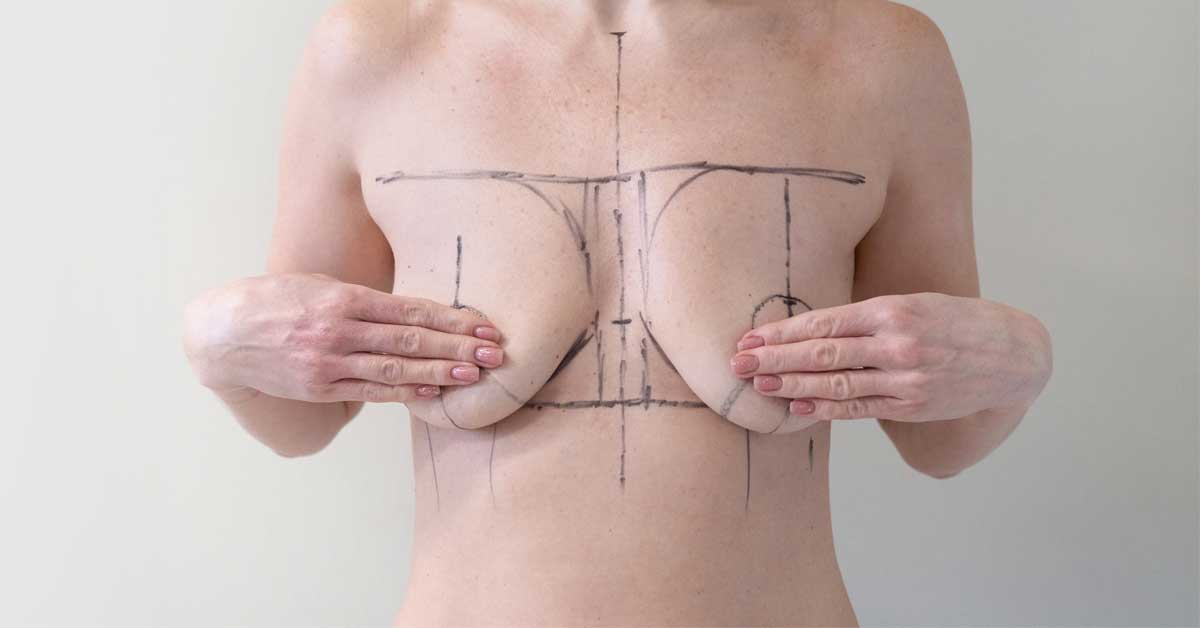
Breast implant selection is based on the breast’s measurements and tissue capacity. The goal is to ensure both a natural appearance and long-term tissue compatibility following Breast Augmentation and Breast Implant surgery.
- Silicone gel / saline: Silicone gel may provide a more natural tissue feel. Volume changes in saline implants may be more quickly noticeable.
- Round / Anatomical: Round implants may show more pronounced fullness at the top. Anatomical implants may provide a softer transition in some patients.
- Low / Medium / High Profile: As the profile increases, the breast appears more prominent from the front. If the tissue is thin, a high profile may increase edge visibility.
- Smooth / textured surface: Surface selection can affect tissue interaction and the implant’s movement behavior. The choice is made based on a risk-benefit assessment tailored to the individual.
Breast Augmentation Surgery in Turkey
Breast augmentation and breast implant procedures are common in Turkey, and when the process is properly planned, results are more predictable.
- Measurements and planning are conducted in detail. Breast base width, tissue thickness, skin elasticity, and chest wall structure are evaluated together. These measurements form the basis for selecting an “implant that fits the body.”
- The type and placement of the implant are determined. The choice between round or anatomical implants depends on the desired appearance. If the tissue is thin, submuscular or dual-plane placement becomes more critical to minimize the visibility of the implant edges.
- A follow-up schedule is established. The first few weeks are a period of significant swelling. The implant’s settling-in process begins during this period. Therefore, follow-up dates are clearly scheduled, and appointments are strictly adhered to.
- Activity guidelines and bra usage are clearly outlined. Lifting heavy objects and strenuous arm movements are restricted during the first few weeks. The duration and method of wearing the medical bra are explicitly defined.
Reasons to Choose Niva Aesthetic for Breast Implants
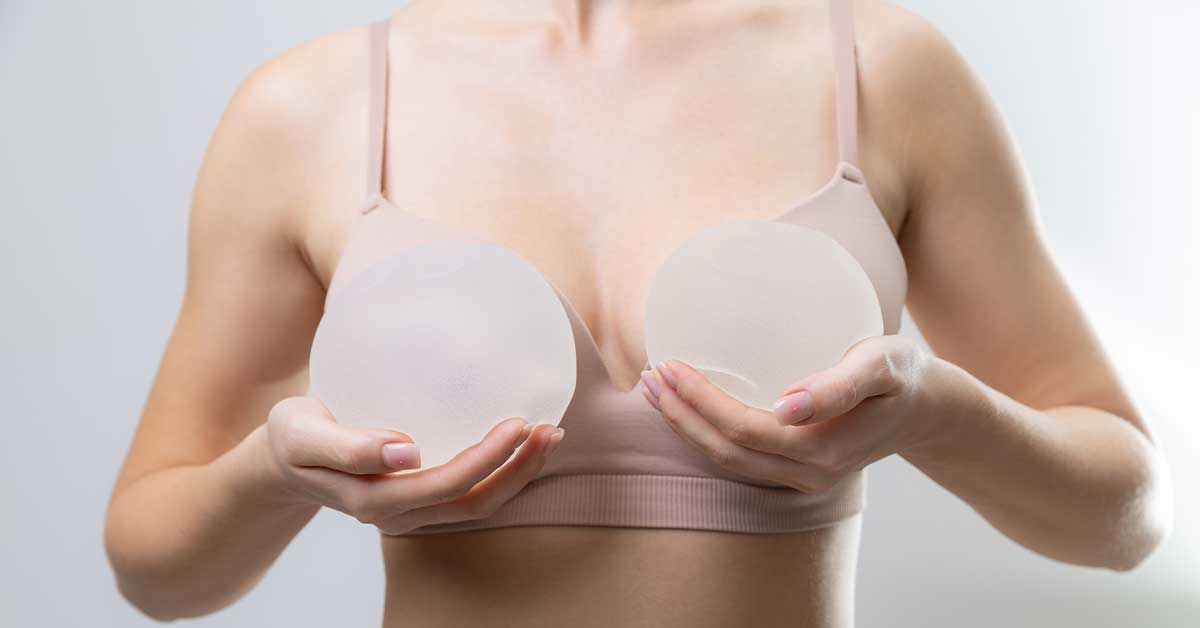
At Niva Aesthetic, the Breast Augmentation and Breast Implant process is organized from start to finish, taking into account both medical planning and accommodation–transportation arrangements in Istanbul.
- Personalized measurements and planning are conducted. The breast base is measured. Tissue thickness and skin elasticity are assessed. The target volume is selected within these parameters.
- A placement strategy is determined to achieve a natural appearance. If the tissue is thin, a placement plan is devised to minimize the visibility of implant edges. The choice between submuscular, subglandular, or dual-plane placement is clarified based on measurements.
- Asymmetry is managed individually. The right and left breasts do not follow the same plan. If necessary, balance is achieved using different volumes or different profiles.
- The medical team does not use a “one-size-fits-all” approach in planning. The same implant, incision, or technique is not chosen for every patient. The structure of the ribcage and the desired appearance are the determining factors.
- The clinic’s infrastructure is modern and patient-comfort focused. Evaluation and process management are conducted using up-to-date systems. Patient flow is systematically planned.
- Hygiene and sterilization standards are strict. The surgical environment, material preparation, and sterilization processes are carefully controlled.
- The materials used are of the highest quality. Implants and surgical supplies are selected from options with high-quality standards. This is crucial for tissue compatibility and long-term durability.
- Post-operative follow-up is conducted regularly. Swelling management is monitored. The implant’s settling process is checked. Post-operative care and the use of medical bras are explained step by step.
- A comfortable arrangement is provided for patients coming from abroad. Airport pickup is arranged. Accommodation at a 5-star hotel is planned. Tour options in Istanbul are offered on suitable days. This arrangement helps reduce unnecessary stress during the recovery process.
Cost of Breast Augmentation (Breast Implants) in Turkey
The cost varies depending on the type of implant and the scope of the surgical plan. Hospital and anesthesia costs also affect the total. If there is sagging, an implant alone may not be sufficient. A lift procedure may need to be added. This increases both the duration and the cost. Key factors determining the cost of Breast Augmentation and Breast Implants:
- Implant type and characteristics
- Hospital and anesthesia costs
- Surgical technique
- Need for additional procedures
- Post-operative bra, medications, and follow-up visits
Breast Augmentation (Breast Implant) Surgery: Recovery Timeline
Day 0
Surgery is completed. There is pressure and tightness in the breasts. A medical bra is worn. A short walk is taken.
- Lying on your back is preferred.
- Avoid sudden arm movements.
Day 1
Swelling may increase. Pressure is noticeable.
- Do not raise your arms above your shoulders.
- Medication regimen is followed regularly.
Day 2
Bruising may be visible. Sensitivity persists.
- Avoid lifting heavy objects.
- Maintain your sleeping position.
Day 3
Tension gradually decreases.
- Movement within the home becomes easier.
- Bra discipline continues.
Day 4
Pain generally decreases.
- A controlled return to daily activities begins.
- Long walks are not recommended.
Day 5
A sensation of firmness in the upper breast area is common.
- This firmness is usually due to swelling and tissue adaptation.
- Follow the follow-up schedule.
Day 6
Comfort improves. Swelling may increase in the evening.
- Do not strain the arms.
- Do not perform heavy household chores.
Day 7
A follow-up visit is scheduled. The scar care plan is finalized.
- Activity restrictions are reassessed.
Days 8–10
The breast begins to look softer.
- Returning to desk work is possible for some individuals.
- Exercise is still limited.
Days 11–14
The implant settling process becomes more noticeable.
- Daily activities increase.
- Weight training and chest muscle exercises are postponed.
Dental Implans - Frequently Asked Questions
Is implant selection based solely on cc?
No. The breast base measurement, tissue thickness, and desired profile all play a role.
What does submuscular placement offer?
If the tissue is thin, it can soften the edge transition. Pressure sensation may be more noticeable in the first few days.
Who is a good candidate for submuscular placement?
It may be preferred if there is sufficient tissue. The risk of rippling may increase with thin tissue.
What is dual-plane placement?
It is a placement plan that aims for muscle support on top and a more natural droop on the bottom.
Which incision is most commonly preferred?
The inframammary fold is frequently preferred. It improves surgical control.
Why does the breast sit high in the first few days?
This is due to swelling and tissue tension. It settles over time.
Does nipple sensation change?
Temporary changes are common. They rarely become permanent.
What is capsular contracture?
It is the hardening of the capsule tissue formed around the implant.
What causes rippling?
It is more common if the tissue is thin and the implant is close to the surface.
When can I take a shower?
This is planned based on the dressing and incision site.
When can I drive?
This is planned once the pain subsides and the arms can move comfortably.
When can I return to exercise?
Light walking can be done early on. Weight-bearing and chest exercises begin later.
Is it immediately noticeable if the implant ruptures?
It depends on the type of implant. It may not always show symptoms immediately.
Can the implant be replaced in the future?
Yes. Revision can be planned based on volume, shape, or the condition of the capsule.
Will asymmetry be completely corrected?
There will be a significant improvement. Complete symmetry may not be possible in every body.