


Tummy Tuck Surgery: What Is It? How Is It Performed?
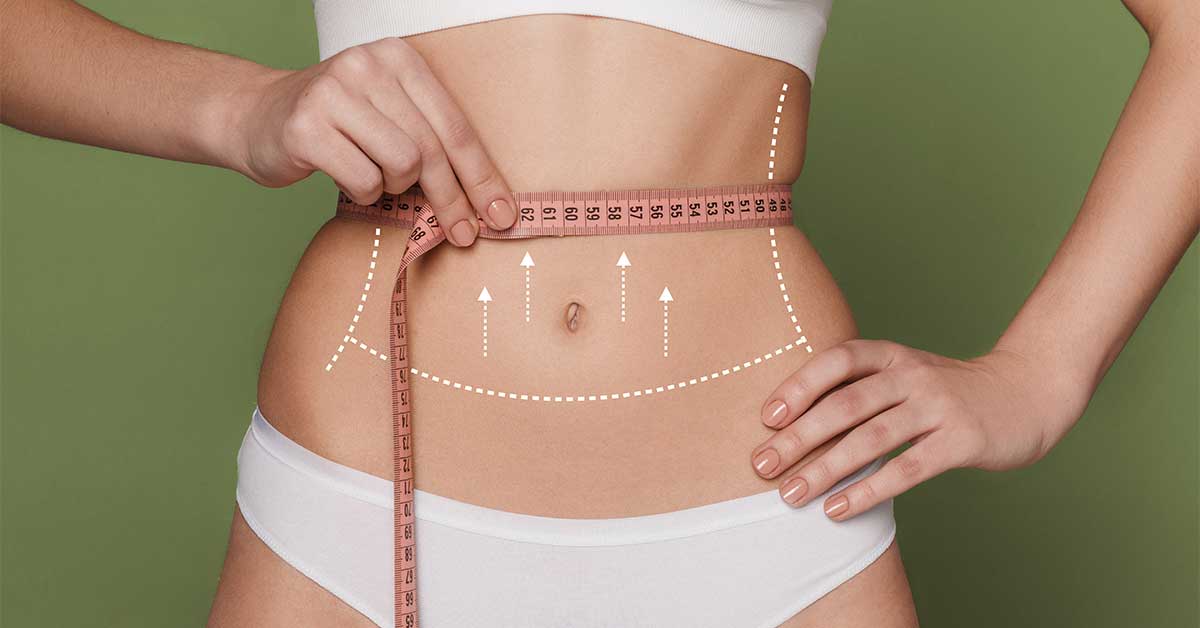
A tummy tuck is a surgical procedure designed to tighten sagging skin in the abdominal area, correct loosening of the abdominal wall, and create a flatter abdominal contour. Tummy tuck surgery is not a “weight loss” procedure. However, it significantly alters body proportions. It delivers strong results particularly in cases of skin laxity resulting from childbirth, rapid weight fluctuations, and aging.
- The goal is a “flatter abdomen.” This primarily addresses “excess skin” and “abdominal wall laxity” rather than fat.
- It is preferred when liposuction alone is insufficient. This is because liposuction does not tighten the skin.
- Proper planning is essential. Improper planning can lead to dissatisfaction, ranging from scarring issues to overall dissatisfaction.
What Is a Tummy Tuck?
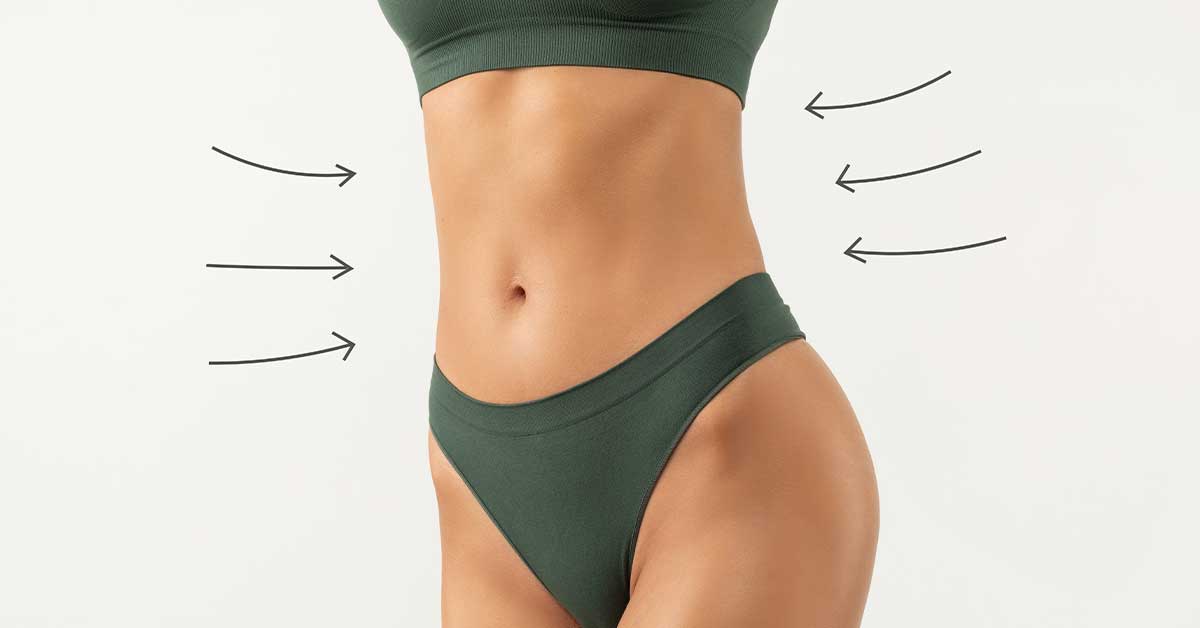
A tummy tuck flattens the abdominal surface by removing excess skin from the lower abdomen and repositioning the skin from the upper abdomen downward. If there is a separation in the abdominal wall (diastasis), this area is also repaired. The appearance of a “protruding” abdomen is often caused by this wall laxity.
- Excess skin is assessed. The most important question is: “Is the excess skin only in the lower abdomen, or throughout the entire abdomen?”
- Wall laxity is evaluated. This is the primary determinant of abdominal flatness.
- A plan for the navel is devised. In a full abdominoplasty, the navel is often repositioned.
- The location of stretch marks is analyzed. Some of the stretch marks in the lower abdomen may be removed along with the excised skin.
How Is an Abdominoplasty Performed?
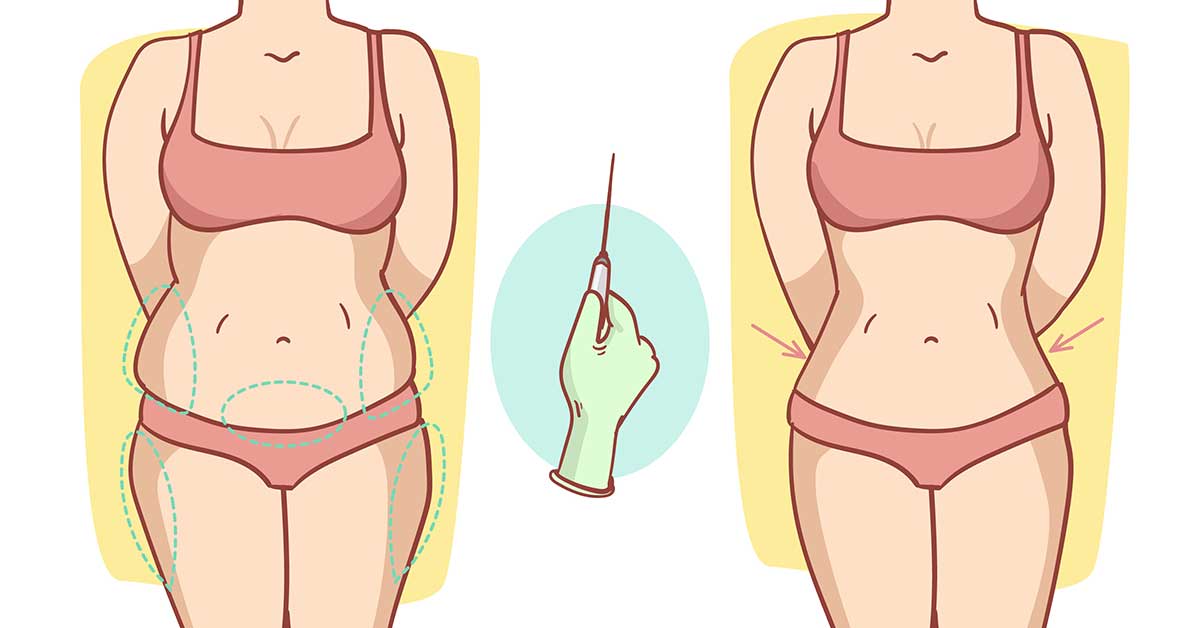
Abdominoplasty planning begins with a drawing. The location of the incision line, skin tension, and the balance of the waistline are determined before the surgery begins. The procedure is typically performed under general anesthesia. The duration varies depending on the technique and any additional procedures.
- The incision is planned close to the bikini line. The goal is to keep the scar line as low as possible.
- Subcutaneous tissues are carefully lifted. Blood supply is preserved during this step.
- The abdominal wall is tightened. This is the key step that creates the “corset effect.”
- Excess skin is removed. Tightening is not done “excessively.” Excessive tightening increases the risk of wound complications.
- Liposuction may be added if necessary. It can be planned specifically for the sides of the waist and the upper abdominal contour.
- Drains may be used. This helps reduce fluid buildup inside the body.
- A compression garment is applied. Support begins immediately after the surgery.
Abdominoplasty: Types
The same technique is not applied to every patient. The type of abdominoplasty is selected based on the direction of sagging, skin quality, and the degree of laxity.
- Mini abdominoplasty
- Sagging is primarily below the navel.
- The scar may be shorter.
- The navel is usually not repositioned.
- Wall repair may be limited.
- Full Abdominoplasty
- Sagging is noticeable both above and below the navel.
- The navel is repositioned.
- Wall repair may be more extensive.
- The contour change is more pronounced.
- Extended Abdominoplasty
- Sagging extends not only to the abdomen but also to the sides of the waist and hips.
- The scar is longer.
- It yields better results for patients who need “flank contouring.”
Abdominoplasty: Who Is a Candidate?
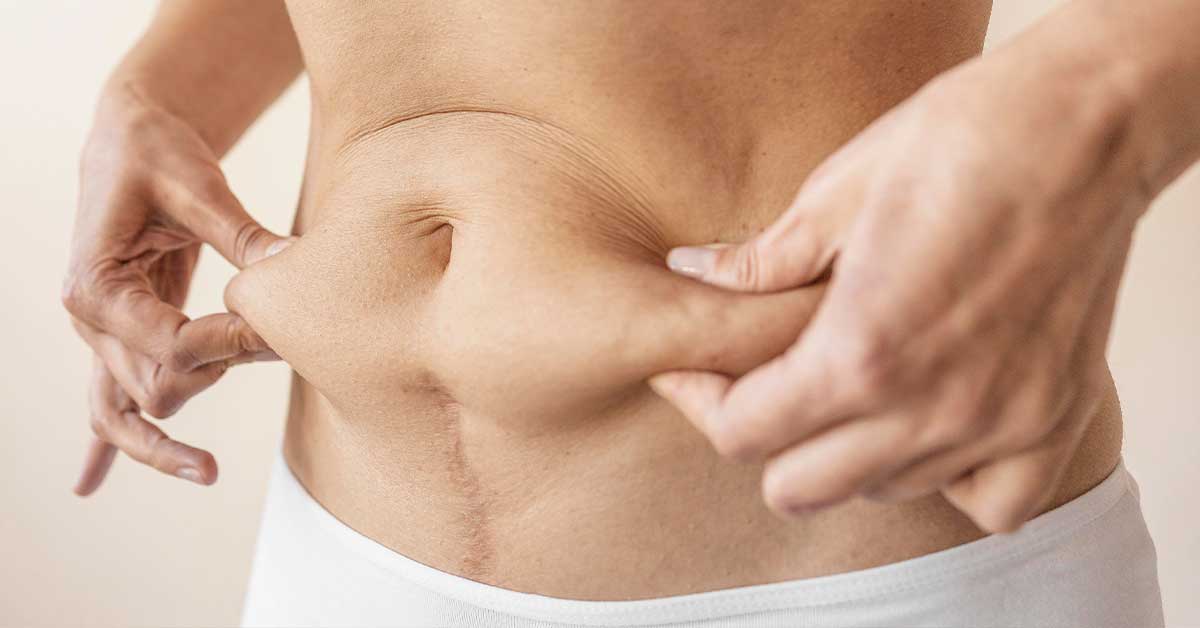
Abdominoplasty provides a very clear benefit for the right candidate. A suitable candidate is someone with a clear “body contour issue.” Weight loss goals must be fully achieved.
- Those with stable weight
- If there has been no significant weight change for 3–6 months, the results are more long-lasting.
- Those with a loosened abdominal wall after childbirth
- Abdominal wall repair is highly effective in cases of a protruding abdomen that does not flatten.
- Those with excess skin that cannot be resolved through diet and exercise
- If skin elasticity is compromised, exercise cannot “shrink” the skin.
- Those with realistic expectations
- The goal is a “flat and tight abdomen.” The goal of “zero scarring” is not realistic.
Abdominoplasty: Who Should Not Undergo the Procedure
This section must be clear. Because safety comes before aesthetics. Abdominoplasty is sometimes postponed or not recommended in certain cases.
- Active smoking and nicotine use
- It impairs tissue nutrition. It makes wound healing more difficult.
- Uncontrolled chronic conditions
- Surgery is not planned until conditions like diabetes, high blood pressure, and circulatory issues are under control.
- Those with a high risk of blood clots
- The risk is assessed first. If necessary, a different approach is chosen.
- Plans for pregnancy in the near future
- Pregnancy can trigger abdominal wall laxity again.
- Severe obesity and unstable weight
- Outcomes cannot be predicted without first achieving weight stability.
Tummy Tuck: Pre-Surgery Preparation
Preparation ensures the surgery proceeds “smoothly.” In a tummy tuck plan, small details make a big difference.
- A list of medications and supplements is prepared
- Products that could increase the risk of bleeding are identified.
- Dietary regimen is adjusted
- A protein-rich diet supports healing.
- Home/hotel arrangements are made
- Getting in and out of bed may be difficult in the first few days. A support plan is essential.
- A compression garment is selected
- A properly fitted compression garment is critical for managing swelling and ensuring comfort.
- Photos and measurements are taken
- This allows for an objective before-and-after assessment.
Tummy Tuck: Post-Surgery Care
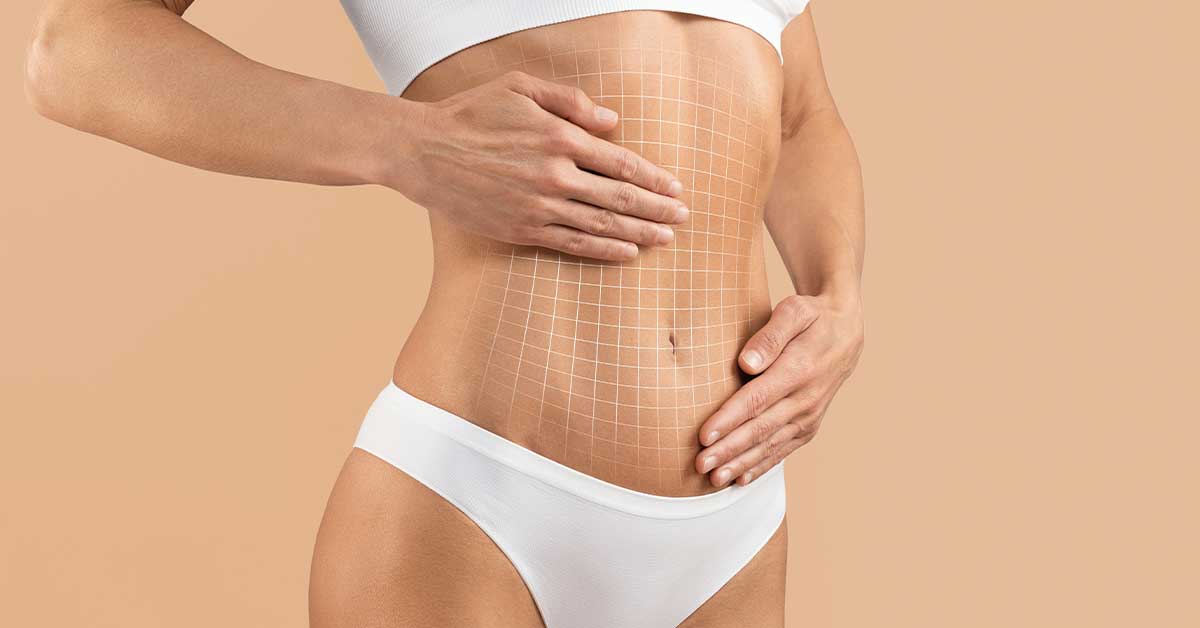
Tummy tuck surgery post-operative care “preserves” the results. Pain management, mobility plan, and wound care must be clear. A feeling of tightness in the first few days is natural.
- A compression garment regimen is implemented
- A day-night usage plan is tailored to the individual.
- Walking begins early
- Short, frequent walks support circulation.
- Fluid intake is monitored
- If a drain is present, the fluid volume is monitored. The goal is to reduce fluid buildup.
- Sleeping position is adjusted
- A slightly forward-leaning posture is normal in the first few days. This relieves pressure on the incision line.
- Heavy activity is avoided
- Lifting heavy objects and intense exercise are risky for 4–6 weeks.
Abdominoplasty: Scars
Scar management begins with the right incision plan. It continues with proper care. Abdominoplasty scars do not disappear completely. However, with the right placement and care, their visibility decreases significantly.
- The scar is usually along the bikini line
- The goal is for it to remain hidden under underwear.
- A scar around the navel may be present
- In a full abdominoplasty, a small circular scar forms.
- Scar maturation takes time
- It appears pink-red in the first few months and then fades to a lighter shade.
- Scar care is performed regularly
- Silicone-based products, massage, and sun protection are applied according to the doctor’s plan.
Abdominoplasty: Benefits

Abdominoplasty reduces excess skin in the abdomen and, if necessary, tightens the abdominal wall. Therefore, the change is not merely “cosmetic.” It also affects clothing choices, ease of movement, and skin comfort in daily life. This difference is particularly noticeable in patients with folds in the lower abdomen.
- A Smoother Abdominal Contour
- Abdominoplasty makes the abdominal surface appear as a “single, seamless” surface. Since the sagging skin in the lower abdomen is removed, the layered appearance significantly diminishes. The severity of the puckering and folds that form when sitting decreases. When viewed from the side, the abdominal protrusion appears more controlled. This effect is primarily due to the “shortening of the skin” rather than fat reduction. The difference is more dramatic in patients who have lost weight and have loose skin.
- Definition of the waistline
- The tightening of the waistline is often related to correcting the laxity of the abdominal wall. If the abdominal wall is repaired during tummy tuck surgery, the appearance of the abdomen protruding forward decreases. This results in a more balanced waist-to-hip ratio. The waistline appears cleaner. Especially when viewed in clothing, the sensation of the “waist disappearing” is reduced. If there is tissue spilling over the sides, the entire silhouette of the waist becomes smoother if the procedure is performed correctly.
- Improved clothing fit
- This is one of the most noticeable benefits. In pants and skirts, the waistband sits less on the crease. In dresses, rippling and lines in the abdominal area are less common. More importantly, the patient no longer feels the constant need to tuck in the abdominal area. There is greater comfort in choosing underwear and swimwear. Because when the lower abdominal fold decreases, clothing fits the skin more smoothly. This may be perceived as “body size reduction,” but the real difference is the improvement in contour.
- Reduction in some stretch marks
- Not all stretch marks disappear. However, some of the stretch marks in the lower abdomen may fade along with the removed skin. The remaining stretch marks, however, may be less noticeable in some patients because they are on a tighter surface. The key factors here are the location of the stretch marks and the amount of skin removed. If the stretch marks are above the navel, they are not expected to disappear completely, but as the contour improves, the overall appearance becomes more refined.
Tummy Tuck Surgery: Potential Risks
Abdominoplasty is a major surgical procedure that affects the skin, subcutaneous tissues, and the abdominal wall. Therefore, simply “knowing the names” of the risks is not enough. It is essential to clearly understand how the risk arises, which symptoms are significant, and which preventive measures are truly effective. The following headings outline the most commonly encountered situations in practice that require proper monitoring.
1- Seroma (Fluid Accumulation)
A seroma is the accumulation of clear fluid in the tissue space created by surgery. It most commonly appears within 1–3 weeks. In some patients, it may begin earlier. A seroma does not necessarily indicate “poor surgical technique.” It is related to tissue structure and the level of movement. If left untreated, it can cause fluctuation, tightness, and contour irregularities.
- How does it feel?
- There is a sensation of fluctuation in the abdomen, as if there is “water” inside.
- Unilateral swelling may become noticeable in a specific area.
- It may decrease when wearing a compression garment and increase when removing it.
- When should it be taken seriously?
- If swelling increases rapidly.
- If one side is noticeably enlarging.
- If accompanied by stiffness and pain.
- Measures that are truly effective as preventive measures
- Surgical techniques that reduce tissue space. This practically reduces the risk of seroma.
- Use of a drain. It is not mandatory for every patient but serves as a protective measure for high-risk patients.
- Using the compression garment for the correct duration and at the correct tightness. An excessively tight garment can also impair circulation.
- Avoiding sudden stretching and strenuous movements in the first few weeks.
- What should be done if it occurs?
- It is evaluated through examination.
- If necessary, drainage can be performed under sterile conditions.
- It may not resolve in a single session. Follow-up may be required.
2- Hematoma (Blood Accumulation)
A hematoma is the accumulation of blood at the surgical site. It typically appears within the first 24–72 hours. It can rarely occur later as well. The critical aspect of a hematoma is this: It is not merely “bruising.” It can create internal pressure. This increases pain and may impair wound healing.
- Typical symptoms
- Rapidly developing tension and stiffness.
- Unilateral, suddenly enlarging swelling.
- The bruise spreading faster than expected.
- A sudden increase in pain.
- Factors that increase risk
- Blood-thinning medications or certain supplements.
- Uncontrolled rise in blood pressure.
- Strenuous movement or straining in the early period.
- Measures that are truly effective as preventive measures
- Excellent control of bleeding during surgery.
- Blood pressure monitoring in the first few days.
- Proper planning of medications before surgery.
- Gradual mobilization. “Returning to normal life immediately” can trigger a hematoma.
- What should be done if it occurs?
- Small hematomas can be monitored.
- Large hematomas that cause pressure may require drainage.
- Early intervention makes a difference in scar quality and contour.
3-Infection
Infection is rare but important after abdominoplasty. Because infection isn’t just about fever. A problem starting at the incision line can grow with fluid buildup inside. If detected early, it’s easier to control.
- Signs requiring attention
- Noticeable redness and spreading along the incision line.
- A sensation of increased warmth upon touch.
- Foul-smelling discharge or yellow-green discharge.
- Increased pain, fatigue, or chills.
- Factors increasing risk
- Smoking and nicotine.
- Uncontrolled diabetes.
- Fluid accumulations such as seroma or hematoma.
- Disruption of hygiene and dressing routines.
- Measures that are truly effective
- High operating room sterility and an appropriate antibiotic regimen.
- Keeping the dressing clean, dry, and changed regularly.
- Managing sweating and skin irritation under the compression garment.
- Not missing follow-up appointments.
- What is done if it occurs?
- The source is identified through examination.
- A culture is taken if necessary.
- Antibiotics, drainage, or an additional care plan may be implemented.
4-Wound Dehiscence
Wound dehiscence refers to the opening of the suture line or the separation of the edges. It is most commonly seen in the lower incision, particularly along the midline. Not every opening is a “disaster.” Small separations can heal without leaving a scar with proper care. However, deep separations are serious.
- What causes it?
- Excessive tension. If the skin is stretched too much, blood supply decreases.
- Smoking. It reduces tissue oxygenation.
- Uncontrolled diabetes. It slows healing.
- Infection or fluid buildup inside the wound.
- Early warning signs
- “Moisture” and clear fluid leakage along the incision line.
- Loosening of stitches at a specific point.
- Increased sensitivity due to clothing friction.
- Measures that truly work as prevention
- Avoid movements that strain the incision line. Especially during the first 2 weeks.
- Control coughing/straining. Take supportive measures if necessary.
- Avoid smoking and nicotine.
- Regular check-ups and dressing changes.
- What to do if it happens?
- The extent of the opening is determined.
- Small areas often close with proper care.
- Larger areas may require additional intervention.
5-Blood Clot Risk (DVT / Pulmonary Embolism)
This risk is one of the most seriously considered issues in aesthetic surgery. Tummy tuck surgery can increase the risk of blood clots due to the duration of the procedure, tissue trauma, and immobility. Risk management begins on the day of surgery and continues until full recovery.
- Who is at higher risk?
- Those with a history of blood clots.
- Those arriving after a long flight or who have been immobile for a long time.
- Smokers.
- Those using certain hormone therapies.
- Those with a very high BMI or underlying medical conditions.
- Warning signs
- Sudden swelling, pain, or increased warmth in one leg.
- Shortness of breath, chest pain, or palpitations.
- Sudden weakness or a feeling of faintness.
- Measures that truly work as prevention
- Early and regular walking. The “little and often” approach.
- Maintaining fluid balance. Dehydration can increase the risk of clots.
- Personalized clot-prevention measures. This is not the same for everyone.
- Proper planning of the flight. Flying too early can be risky.
6-Sensory Changes (Numbness / Reduced Sensation)
Abdominoplasty often results in numbness in the lower abdomen. This is typically due to the stretching of nerve endings and the displacement of subcutaneous tissues. In most patients, it decreases significantly over time.
- How does it feel?
- Reduced sensation in the lower abdomen.
- A sensation of being touched with “cotton” when touched.
- Occasionally, a prickling or tingling sensation.
- How long does it last?
- It may be noticeable in the first few weeks.
- Gradual improvement is expected over the course of months.
- Very rarely, permanent areas may remain.
- What helps?
- As tissue healing progresses, sensation generally returns.
- Massage and scar care can support recovery if performed according to the doctor’s plan.
Tummy Tuck Turkey

There is high interest in tummy tuck surgery in Turkey. The reason is not just cost. Surgeon experience, hospital infrastructure, and medical tourism organization also play a role. However, the choice should be based on “safety,” not just the “package.”
- The location of the surgery must be clear
- Hospital conditions and anesthesia safety are critical factors.
- The follow-up plan must be in writing
- Follow-up becomes even more critical for patients coming from abroad.
- Complication management must be robust
- A system capable of providing swift solutions when issues arise is essential.
The Best Places for Tummy Tucks in Turkey
“The best place” is not a single name. The best place is a center where the surgeon, team, hospital, and follow-up care are all of high quality. Istanbul has an advantage in bringing these four elements together.
- Centers with well-equipped hospital infrastructure are preferred
- Operating room standards, sterilization, and patient comfort are important.
- The plastic surgery team must be strong
- It’s not just about the operation; recovery management is also a team effort.
- Coordination for international patients must be seamless
- Language support, transfer logistics, and scheduling are just as important as the medical process itself.
Abdominoplasty Prices in Istanbul
Abdominoplasty prices in Istanbul are not a fixed number. What determines the price is the “scope of the surgery.” Our transparent approach is: first the consultation, then a clear plan, then a clear price.
- The type of surgery affects the price
- Mini, full, and extended options are not the same.
- The need for abdominal wall repair makes a difference
- Diastasis repair extends the procedure and increases its scope.
- Adding liposuction has an impact
- If waist and back contouring are added, the plan expands.
- The hospital and length of stay are determining factors
- A one-night stay is not the same as a two-night stay.
- Package contents make a difference
- Details such as hotel, transfers, companion arrangements, and follow-up appointments affect the total cost.
The Abdominoplasty Process at Niva Aesthetic
At Niva Aesthetic, the abdominoplasty process is structured to meet the “comfort + safety” needs of international patients. The clinic aims to provide a luxurious and comfortable experience. The systems used are planned in accordance with modern standards. The team consists of experienced physicians in this field. A clear flow is provided to the patient throughout the process.
- Reception and logistics
- Airport pickup is provided.
- Transfers between the clinic and the hotel are arranged.
- Accommodation and comfort
- A 5-star hotel option is offered.
- A rest schedule is designed to align with the recovery timeline.
- Vacation and travel options
- For medically suitable patients, a controlled and low-intensity travel plan can be arranged.
- However, recovery is the priority. Travel is adjusted based on “swelling and energy levels.”
- Clinical experience
- Wound care, compression garment use, and follow-up visits are strictly guided by a clear protocol.
- A written care plan is provided to the patient.
Tummy Tuck Surgery: Day-by-Day Recovery Schedule
This schedule is general. Every patient’s recovery is different. However, the most common progression following tummy tuck surgery is as follows.
- Day 0 (surgery day)
- A compression garment is applied.
- The first few hours are focused on rest.
- Fluid intake and circulation are monitored.
- Day 1
- Assisted walking begins.
- A slight forward lean is normal.
- Pain may be felt as a “tightness sensation.”
- Days 2–3
- Swelling increases. This is expected.
- If a drain is present, monitoring continues.
- Short walks are increased in frequency.
- Days 4–7
- Daily activity level increases, but sessions are kept short.
- The incision site is protected; sudden stretching is not recommended.
- Sleeping position is still restricted.
- Week 2
- Returning to desk work is possible for most patients.
- Long walks are gradually increased.
- Weeks 3–4
- Energy levels rise.
- A light exercise plan is initiated under medical supervision.
- Week 6
- For most patients, the exercise regimen expands.
- A personal assessment is conducted for intense workouts.
- Month 3
- Most of the swelling subsides.
- The contour becomes more defined.
- Month 6
- The scar color lightens significantly.
- The final appearance is largely established.
Tummy Tuck Surgery - Frequently Asked Questions
Who is the best candidate for abdominoplasty?
Abdominoplasty is the best option for individuals with significant excess skin and a loose abdominal wall. Weight should be stable. If there is a skin fold, the procedure provides more noticeable benefits.
Can abdominoplasty be performed together with liposuction?
Yes, they can be performed together if the plan is appropriate. Liposuction refines the contour. Abdominoplasty tightens the skin and strengthens the abdominal wall. When performed together, the waistline can appear more balanced.
What is the pain like after abdominoplasty?
Most patients describe the pain not as “burning” but as “tightness.” It is more pronounced in the first few days and gradually subsides. Regular pain management improves comfort.
Is a drain necessary after a tummy tuck?
It is not required for every patient. However, a drain is preferred if the risk of seroma is high. The purpose of the drain is to reduce fluid buildup inside.
Where do tummy tuck scars form?
The scar is usually along the bikini line. In a full tummy tuck, there is also a small scar around the navel. It takes months for the scars to mature.
When can you return to normal life after a tummy tuck?
Most daily activities become easier within 1–2 weeks. Lifting heavy objects and intense exercise require a longer period. Activity levels should be increased gradually.
Will the skin sag again after a tummy tuck?
Factors such as excessive weight gain, pregnancy, and smoking can have a negative impact. If weight remains stable, the results are maintained for a longer period.
How is a tummy tuck planned for patients coming to Turkey?
The plan is based on the surgery date, follow-up appointments, and the suture/scar care process. The flight date is scheduled so as not to disrupt this plan. Accommodation, transfers, and follow-ups should be organized in a seamless sequence.