

What Is Rhinoplasty (Nose Surgery)? How Is It Performed?
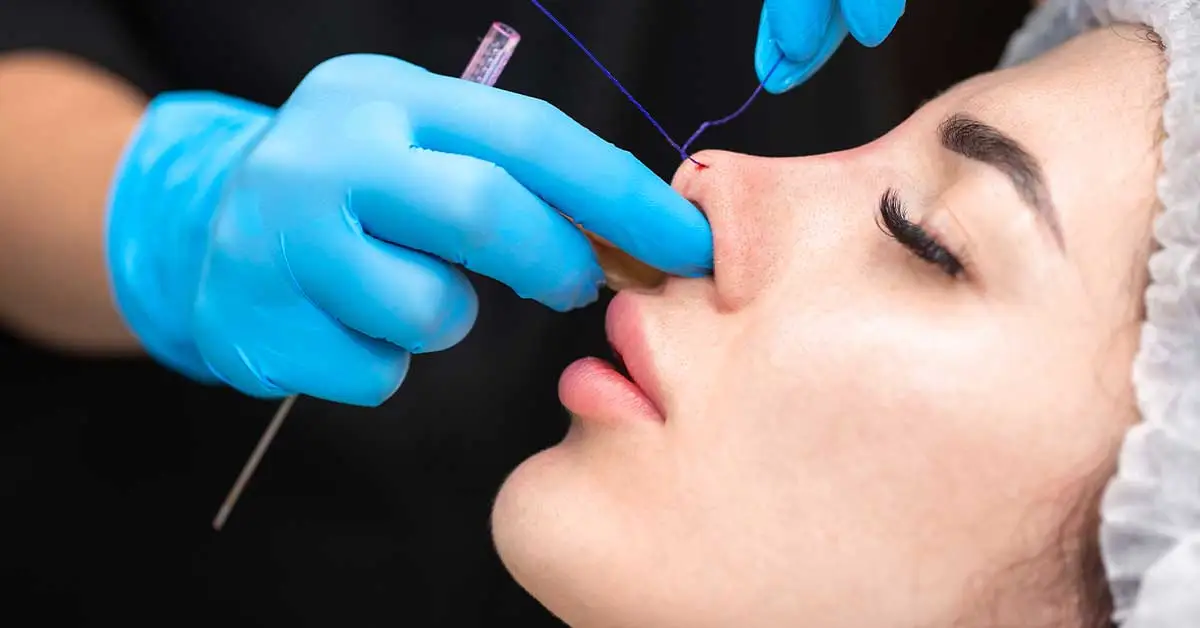
Rhinoplasty, or nose surgery, is a surgical procedure aimed at improving the shape, proportions, and, when necessary, the breathing function of the nose. Harmony with the face, control of the nasal tip, maintaining the balance between bone and cartilage, and ensuring the airways remain open are the fundamental principles. Planning is personalized; the nasal skin, cartilage strength, and facial proportions directly influence the outcome.
What Is Rhinoplasty (Nose Surgery)?
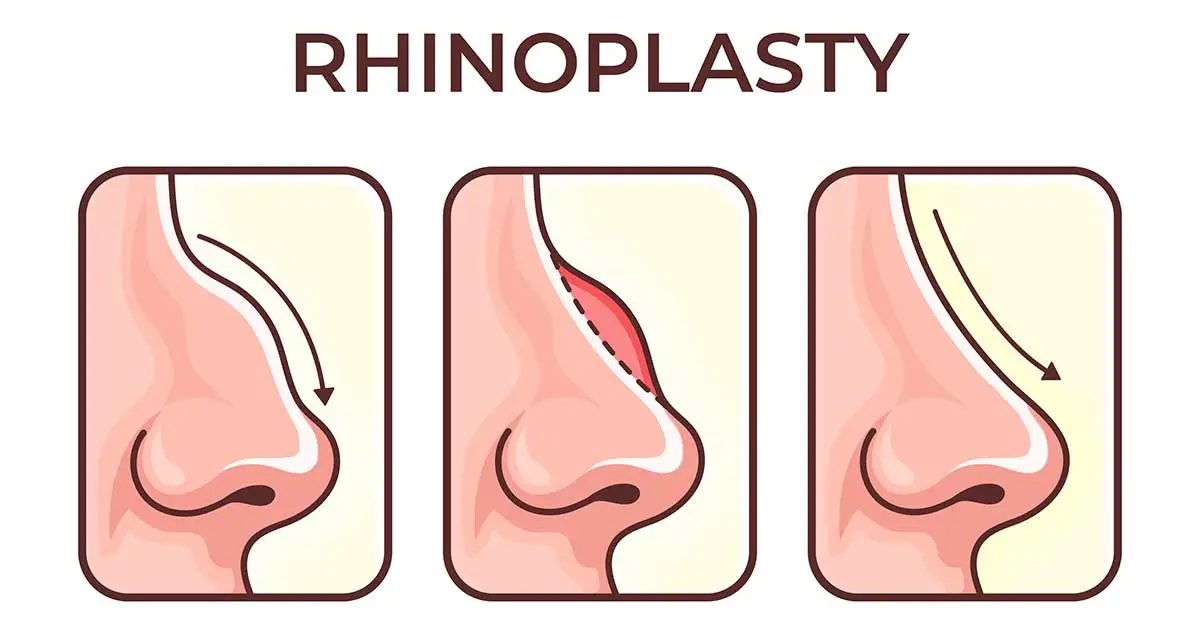
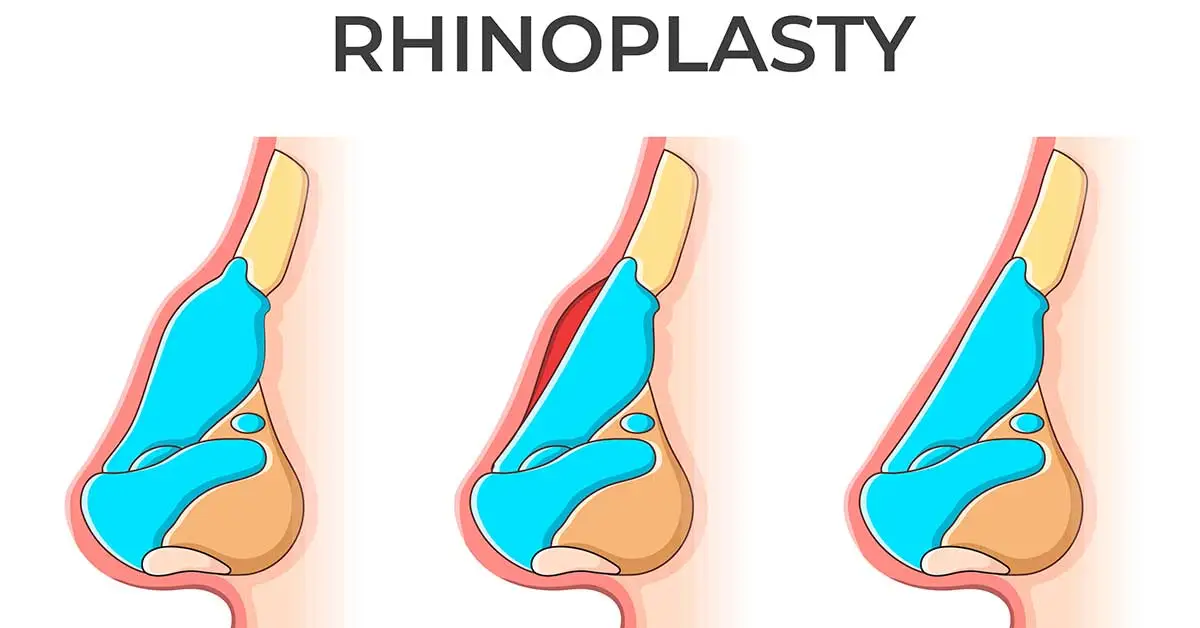
Rhinoplasty is a type of nose surgery that reshapes the nasal bones and cartilage to refine areas such as the nasal bridge, nasal tip, nostrils, and the angle between the nose and upper lip. In addition to aesthetic goals, breathing issues such as a deviated septum and enlarged turbinates can also be addressed during the same procedure.
- The nasal hump can be corrected.
- The nasal tip can be lifted, narrowed, or reinforced.
- The nostrils can be reduced in size or made more symmetrical.
- If there are breathing issues, functional corrections can be added.
Rhinoplasty (Nose Surgery): Why Is It Performed?
The primary reason for choosing Rhinoplasty is often the desire for a nose shape that harmonizes with the face. In some patients, the primary motivation is difficulty breathing. The most appropriate approach is a nose surgery plan that addresses both aesthetic goals and airway needs within the same treatment plan.
- Prominent nasal bridge or curvature of the nasal bridge
- Drooping, width, or asymmetry of the nasal tip
- Post-traumatic deformity
- Nasal obstruction caused by a deviated septum
- Desire for a more balanced profile and frontal appearance
Rhinoplasty (Nose Surgery): Who Is a Candidate?
When selecting candidates for Rhinoplasty, age, health status, nasal development, and realistic expectations are important. The nose surgery plan is personalized based on skin thickness, cartilage structure, and facial proportions. Procedures performed before nasal development is complete may cause long-term issues.
- Generally, candidates whose nasal development is complete (mostly post-adolescence)
- Individuals with chronic conditions under control
- Candidates who can reduce or quit smoking
- Individuals with realistic goals who accept the recovery process
Rhinoplasty (Nose Surgery): How Is It Performed?
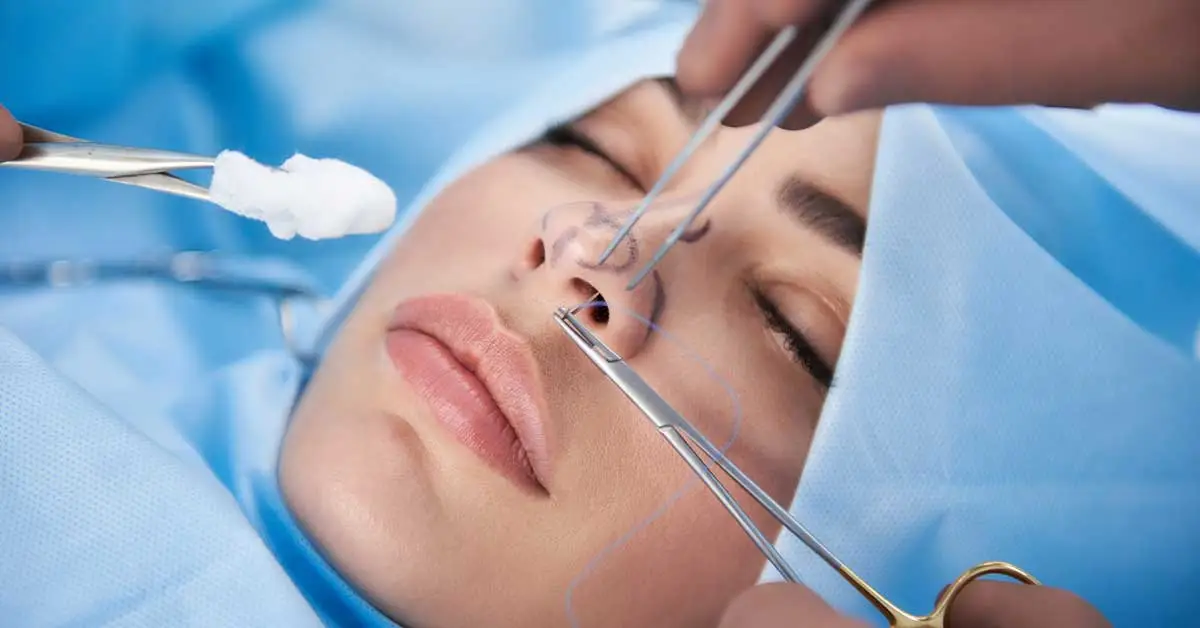
Rhinoplasty is technically the reshaping of the “bone-cartilage framework.” The choice between an open or closed approach depends on the needs of the nasal tip, the degree of asymmetry, and whether it is a revision procedure. In every nose surgery plan, stabilizing the nasal tip with strong supports is considered critical for long-term results.
- Anesthesia: Typically general anesthesia
- Approach: Open Rhinoplasty or closed Rhinoplasty
- Shaping: Dorsal reduction, osteotomy, cartilage sculpting
- Support: Reinforcing the nasal tip and valve area with grafts
- Stabilization: Cast/splint and internal supports as needed
Rhinoplasty (Nose Surgery): What Should You Do for Preoperative Preparation?
Nose surgery preparation is crucial for safety and the quality of recovery. In rhinoplasty planning, facial photographs and examination findings are evaluated together. Factors such as blood-thinning medications, smoking, and uncontrolled allergies must be managed.
- Breathing analysis and nasal cavity evaluation during the preoperative examination
- Adherence to the physician’s recommendations regarding blood thinners and certain supplements
- Quitting smoking or significantly reducing it
- Postponing the surgery if there is an upper respiratory tract infection
- Rest plan for the first week and preparation for cold compresses
Rhinoplasty (Nose Surgery): What Should Be Considered Afterward?
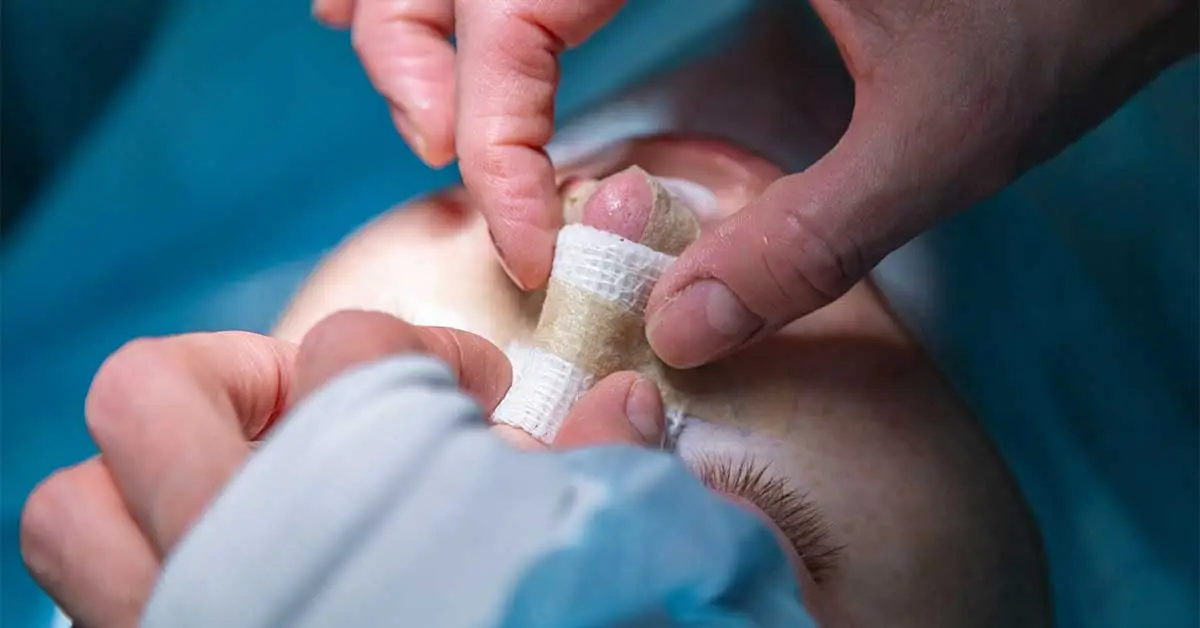
Rhinoplasty is a procedure where swelling and bruising are expected. After nose surgery, the nose must not be subjected to impact, the head should be kept elevated, and scheduled follow-up appointments must not be missed. The most common issue in the early period is “premature evaluation.” The nose’s shape settles over the course of months.
- Sleeping with the head elevated and applying cold compresses in the first few days
- Protecting the nose from impact, postponing the use of glasses
- Avoiding strenuous exercise and lifting heavy objects while bending over
- Cleaning the inside of the nose and using sprays as recommended
- Adhering to the plan if taping is required after the cast is removed
- Reducing salt intake and managing swelling in the first few weeks
Types of Rhinoplasty (Nose Surgery)
Rhinoplasty is not a one-size-fits-all procedure. Different methods are used depending on the nasal structure and the desired outcome. When determining nose surgery options, nasal function and structural support are always taken into account.
- Open Rhinoplasty: Situations requiring detailed control of the nasal tip
- Closed Rhinoplasty: An approach where incisions remain inside the nose, preferred in suitable cases
- Revision Rhinoplasty: Corrective surgery for noses that have undergone previous surgery
- Functional Rhinoplasty: A plan focused on breathing issues, supported by valve and septum adjustments
- Ethnic Rhinoplasty: A personalized approach that preserves facial proportions and natural features
- Piezo (Ultrasonic) Rhinoplasty: Enables controlled bone shaping (not required for every case)
Nose Surgery: Factors That Warrant It
The decision for Rhinoplasty is not based solely on appearance. The nasal skin, cartilage strength, bone structure, internal nasal airways, and facial proportions are all evaluated together. Situations requiring nose surgery often become clear when multiple factors are present simultaneously.
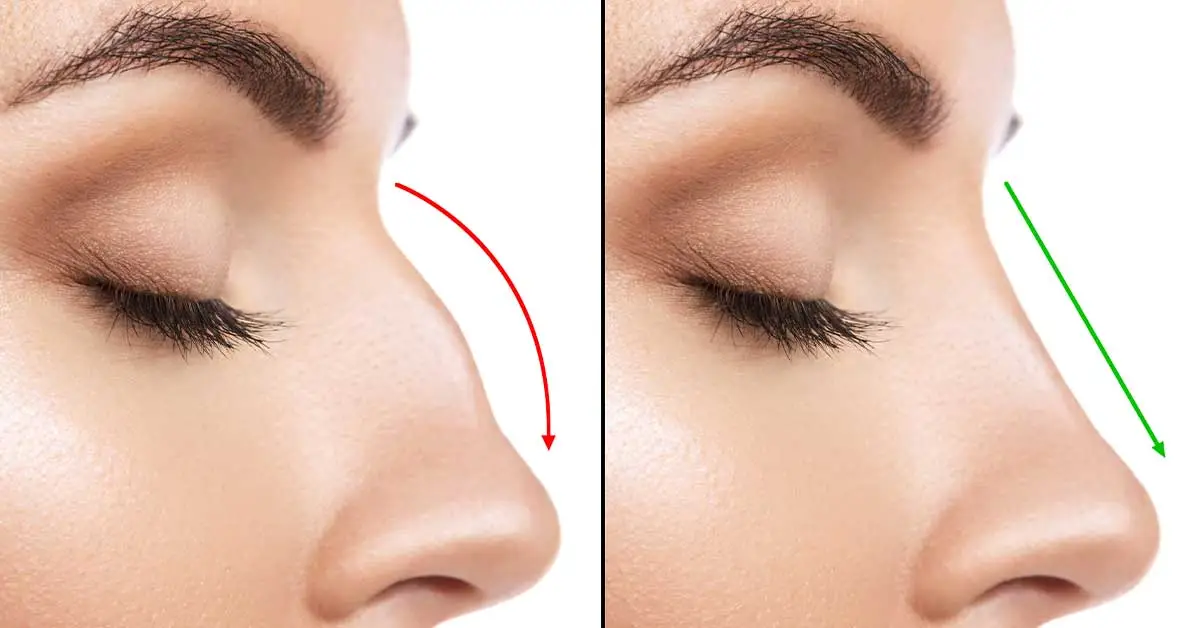
- Nasal proportions incompatible with the face (prominent bridge in profile, drooping nasal tip, excessively long/short appearance)
- Nasal tip issues (width, asymmetry, insufficient support, excessive downward drooping when smiling)
- Post-traumatic deformity (deviation after a fracture, collapse, step-like indentation on the nasal bridge)
- Noticeable asymmetry or widening of the nostrils
- Breathing difficulties (deviated septum, valve stenosis, enlarged turbinates)
- Persistent functional or aesthetic complaints following a previous Rhinoplasty (need for revision)
- Nasal structures requiring support, such as a combination of thick skin and weak cartilage
Rhinoplasty: Benefits Achieved
A successful Rhinoplasty improves the overall balance of the face rather than simply altering the nose on its own. In addition to aesthetic improvements, breathing quality may also improve in suitable cases. The benefits following nose surgery become evident through adherence to the plan and proper management of the recovery process.
- A more balanced profile (arrangement of the bridge, nasal tip, and nasolabial angle)
- Increased symmetry in the frontal view (nasal dorsum lines and nasal tip axis)
- A clearer and more controlled shape of the nasal tip (supported and natural results)
- A more harmonious facial expression (nose–chin–lip relationship)
- Improved breathing comfort in suitable patients (through septum/valve adjustments)
- Restoration of both function and appearance in post-traumatic deformities
Rhinoplasty (Nose Surgery) in Turkey
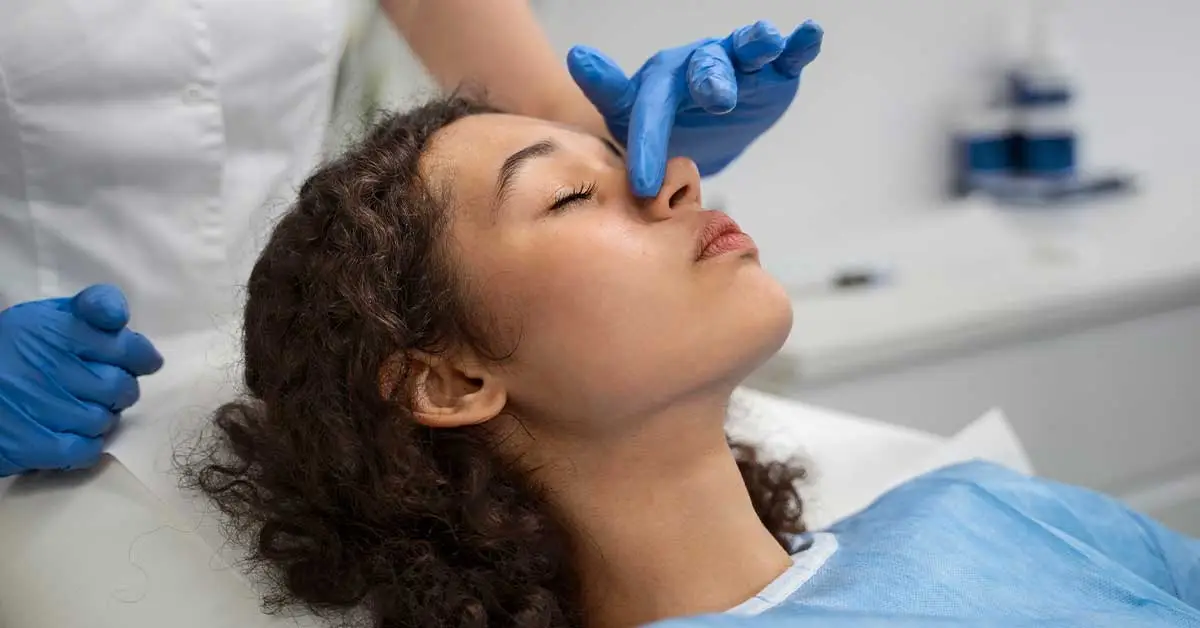
Turkey receives high demand in the field of Rhinoplasty due to its extensive case experience and medical tourism infrastructure. Nose surgery: For patients considering this procedure, the most critical factors are selecting the right surgeon, ensuring safe hospital conditions, and having a reliable follow-up system. While package deals may seem attractive, medical standards must take precedence.
- Verification of specialization and experience (board certification in plastic surgery)
- The hospital’s facilities and access to intensive care
- Anesthesia team, sterilization protocols, and emergency response procedures
- A clear post-operative follow-up plan
- Interpreter services and logistical arrangements for international patients
The Rhinoplasty (Nose Surgery) Process at Niva Aesthetic
At Niva Aesthetic, the rhinoplasty process consists of evaluation, planning, surgery, and a controlled recovery phase. Nose surgery involves a combined analysis of expectations and an internal nasal examination. The desired changes are clarified through photo analysis.
- Initial evaluation: Photos + listening to concerns
- Detailed examination: Internal nasal, septum, valve, and skin-cartilage analysis
- Planning: Nasal tip support, bone intervention, breathing plan
- Surgery day: Anesthesia evaluation and safety checks
- Follow-up: Cast removal process, check-ups, recovery guidelines
Why Choose Rhinoplasty (Nose Surgery) at Niva Aesthetic?
When choosing a clinic, a “safe process” is just as important as a “beautiful result.” Rhinoplasty outcomes are influenced by the accuracy of the surgical plan and the discipline of follow-up care. In the Niva Aesthetic approach, the nose surgery plan simultaneously targets the trio of facial proportions, nasal tip support, and breathing function.
- Personalized planning: Focus on harmony with the face and a natural appearance
- Preservation of function: Incorporating a breathing assessment into the plan
- Clear follow-up process: Transparency regarding check-up schedules and care guidelines
- Transparent communication: Risks, limitations, and the recovery timeline
- Medical tourism support: Accommodation/transfer and other logistical conveniences such as vacation arrangements
Rhinoplasty (Nose Surgery) Costs
Rhinoplasty cost is not a single fixed amount. The cost of nose surgery is determined by case complexity, whether revision is required, nasal breathing intervention, hospital class, and anesthesia conditions. The most reliable approach is to evaluate based on the scope clarified after the consultation.
- Open/closed technique and surgery duration
- The need for revision Rhinoplasty
- Additional procedures such as septoplasty or turbinate reduction
- Hospital, anesthesia, and length of stay
- Follow-up visits, dressings, and materials used
Rhinoplasty (Nose Surgery) Costs in Turkey
In Turkey, Rhinoplasty costs vary depending on the city, hospital, surgeon’s experience, and the scope of the package. Nose surgery packages may sometimes include transportation and accommodation. However, before considering cost, safety standards and the follow-up plan should be verified.
- Is the package content clear? (surgery, hospital, follow-ups, medications)
- Is accommodation/transportation included, and for how many days?
- Is the likelihood of revision and the policy on potential additional fees clear?
- Are follow-up visits and remote monitoring options defined?
Contact us to get a clear price. Take advantage of personalized packages and benefits.
Day-by-Day Recovery Schedule After Rhinoplasty
Rhinoplasty recovery progresses step by step; swelling and nasal congestion are normal in the early stages, while the nose’s shape settles over weeks and months. The calendar below summarizes the expected symptoms and effects during a typical nose surgery recovery process.
Day 0 (Surgery Day)
In the first few hours after surgery, you may experience dizziness, a sensation of fullness in the nose, and the need to breathe through your mouth.
- Expected: Nasal splint, swelling inside the nose, slight drainage
- Effects: Breathing through the nose may be difficult; a sensation of tightness above the lips may be felt
- Note: Keep the head elevated; sudden bending and hot showers are not recommended
Day 1
Swelling and a sensation of pressure become more pronounced. Swelling around the eyes is typical.
- Expected: Nasal congestion, slight bloody discharge, dry mouth
- Effects: Puffiness under the eyes, mild heaviness in the head
- Caution: Apply cold compresses, drink plenty of fluids, avoid salty foods
Days 2–3
Bruising and swelling reach their peak. Crusting inside the nose may increase.
- Expected: Bruising under the eyes, pressure in the nose, congestion
- Effects: “Swollen appearance” of the face, numbness at the tip of the nose
- Caution: Do not blow your nose; sneeze with your mouth open
Days 4–5
Bruising begins to fade slowly. Swelling is still present but tightness decreases.
- Expected: Dryness and crusting inside the nose, mild itching sensation
- Effects: Firmness at the tip of the nose, a sensation of tightness in facial expressions
- Note: Nasal cleansing and sprays are applied as recommended
Days 6–7
This is typically the follow-up week. Removal of the splint may be planned (depending on the clinic’s protocol).
- Expected: Swelling persists but the face appears more “normal”
- Effects: The nasal bridge may begin to appear thinner; the tip remains swollen
- Note: The nose is sensitive after the cast is removed; the risk of impact must be eliminated
Week 2 (Days 8–14)
Return to daily life accelerates. Most of the swelling continues to subside.
- Expectations: Mild episodes of congestion, numbness at the tip of the nose
- Effects: Noticeable improvement in photos; the perception of a “final result” does not yet form because swelling at the tip persists
- Caution: No strenuous exercise; sun protection is important
Weeks 3–4
The nose’s general contours become more defined. The tip may still feel firm and swollen.
- Expected: Firmness at the tip of the nose, occasional sensitivity
- Effects: While the bridge of the nose settles, the tip recovers more slowly
- Note: Return to wearing glasses and sports is planned according to the scope of the procedure
1–3 Months
This is the period when the shape begins to “settle.” The majority of the swelling subsides, and details become visible.
- Expectations: There may still be mild swelling at the tip of the nose (especially in thick-skinned individuals)
- Effects: The nose appears more natural, and harmony with facial expressions improves
- Note: Caution regarding the risk of impact continues; follow-up visits must not be missed
6th Month
Details become clearer. The tip of the nose feels softer and more natural.
- Expectations: Minimal residual swelling
- Effects: The balance between the tip and the bridge of the nose becomes more pronounced
- Note: Situations requiring very subtle touch-ups are evaluated more objectively during this period
12th Month (Final Result Period)
The final result after Rhinoplasty is typically assessed during this period for most patients. The process may take longer in cases of thick skin.
- Expected: Significant reduction in swelling
- Effects: The definition of the nasal tip and facial harmony reach their clearest state
- Note: The final evaluation is conducted through photographs and examination
Dental Implans - Frequently Asked Questions
Is rhinoplasty the same as nose surgery?
Rhinoplasty is the medical term used for nose surgery performed for aesthetic purposes. Breathing-related corrections may also be included in the plan; in this case, the procedure targets both appearance and function.
In which cases is nose surgery more commonly preferred?
Most commonly, it is planned for a hump on the nasal bridge, a drooping or wide nasal tip, noticeable asymmetry, and post-traumatic deformities. If breathing difficulties are present, nose surgery can be expanded to include functional corrections.
Does rhinoplasty improve breathing?
If the cause of the breathing problem is a deviated septum or a narrow nasal valve, steps to strengthen or correct these areas can be added to the Rhinoplasty plan to improve breathing quality.
Is pain or a sensation of pressure more prominent after nose surgery?
For most people, it is not so much the pain that is noticeable, but rather a sensation of fullness and pressure inside the nose. Congestion and tightness in the first few days can also exacerbate this sensation.
When do bruising and swelling subside after rhinoplasty?
Bruising typically decreases significantly within the first 1–2 weeks. Most of the swelling subsides in the early weeks; swelling at the tip of the nose may last longer because the tip area heals more slowly.
When is the nose considered to have “settled” after surgery?
The appearance in the first few weeks is temporary. The contours of the nose after rhinoplasty become clearer over the course of months; the final assessment is usually made once the full recovery period is complete.
Is the open technique or the closed technique more advantageous for rhinoplasty?
The advantage depends on the specific needs of the nose. If there is significant asymmetry at the tip, weak support, or a need for complex reshaping, the open approach may offer greater control. In suitable cases, the closed approach also yields strong results.
Is a nasal pack required after rhinoplasty, and is it applied to every patient?
A nasal pack is not always mandatory. The decision to use one is based on the risk of bleeding, the internal corrections performed, and the need for nasal stability.
How long does nasal congestion last after rhinoplasty?
Congestion in the first few days is an expected occurrence; the primary cause is nasal swelling and crusting. With proper cleaning and the use of recommended sprays and care products, the process becomes more comfortable.
Why is blowing your nose considered risky after a nose surgery?
Blowing your nose in the early stages applies pressure to the healing tissues inside the nose. This can increase the risk of bleeding and prolong swelling; cleaning should be done using alternative methods.
When can you return to work or social life after rhinoplasty?
For desk jobs, most people return to their daily routine around one week. Since visual recovery (bruising/swelling) varies by individual, social reintegration progresses in parallel with the appearance in the mirror.
When can sports and strenuous exercise be resumed after nose surgery?
Light walking is generally suitable for the early recovery period. Weight training and intense cardio are planned for later. Sports involving contact require a longer restriction period due to the risk of blows to the nose.
Under what conditions is the use of glasses postponed after rhinoplasty?
Glasses can apply pressure to the bridge of the nose. In cases involving bone work, this pressure is undesirable. The timing of use is determined based on the procedure performed and the healing status observed during follow-up examinations
Why are sun exposure and hot environments restricted after nose surgery?
Increased heat can exacerbate swelling and redness. Therefore, in the early post-operative period, sauna, steam room, very hot showers, and direct sun exposure should be managed with caution.
Under what circumstances does the need for revision arise after rhinoplasty?
Revision is not discussed until healing is complete. Once swelling has completely subsided, an evaluation is performed if significant asymmetry, persistent breathing issues, or a need for structural support remains. The possibility of minor touch-ups is not the same as the possibility of a comprehensive revision.