


Neck Lift: What Is It? How Is It Performed?

The neck area is one of the regions that shows signs of aging most rapidly in facial rejuvenation. When the jawline becomes less defined, the face appears heavier. When bands on the neck become more prominent, facial expressions appear harsher. And when the neck skin sags, the double chin becomes more noticeable in photographs. A neck lift addresses these three main issues using the same surgical approach: tissue is repositioned correctly, muscle structure is supported, and excess skin is reduced in a controlled manner. The goal is not a “tightened” appearance, but rather to create a clean and natural neck contour.
What Is a Neck Lift?
A neck lift is a procedure designed to surgically correct signs of aging in the neck and under the chin. It is not merely “skin tightening.” Neck aging typically begins in the deep tissues. Therefore, the foundation of the surgical plan involves repositioning the deep layers.
A neck lift focuses on three tissue groups:
- Skin tissue (skin laxity):
- The neck skin loses its elasticity. Wrinkles may appear in thin skin, while rippling may occur in thick skin. During a neck lift, excess skin is removed, and the remaining skin is repositioned.
- Note: The skin is not “forcibly pulled.” Tension is distributed evenly toward the area around the ears and the scalp. This results in a more natural scar and softer contours.
- Muscle tissue (platysma bands):
- “String-like” bands form on the front of the neck. These bands are typically caused by the muscle splitting along the midline. During surgery, the muscle ends are brought together, and reinforcement is performed if necessary.
- Explanation: It is not possible to conceal the band with skin alone. If muscle repair is not performed, the results may revert quickly.
- Fat tissue (double chin and submental fullness):
- Some patients have excess fat, while others have fat loss. In cases of excess fat, liposuction or limited removal is planned. In cases of fat loss, a different strategy is required to correct the contour.
- Explanation: The same “double chin” appearance does not result from the same cause in every patient. Therefore, an anatomical analysis is performed instead of a one-size-fits-all approach.
Neck Lift: Why Is It Performed?
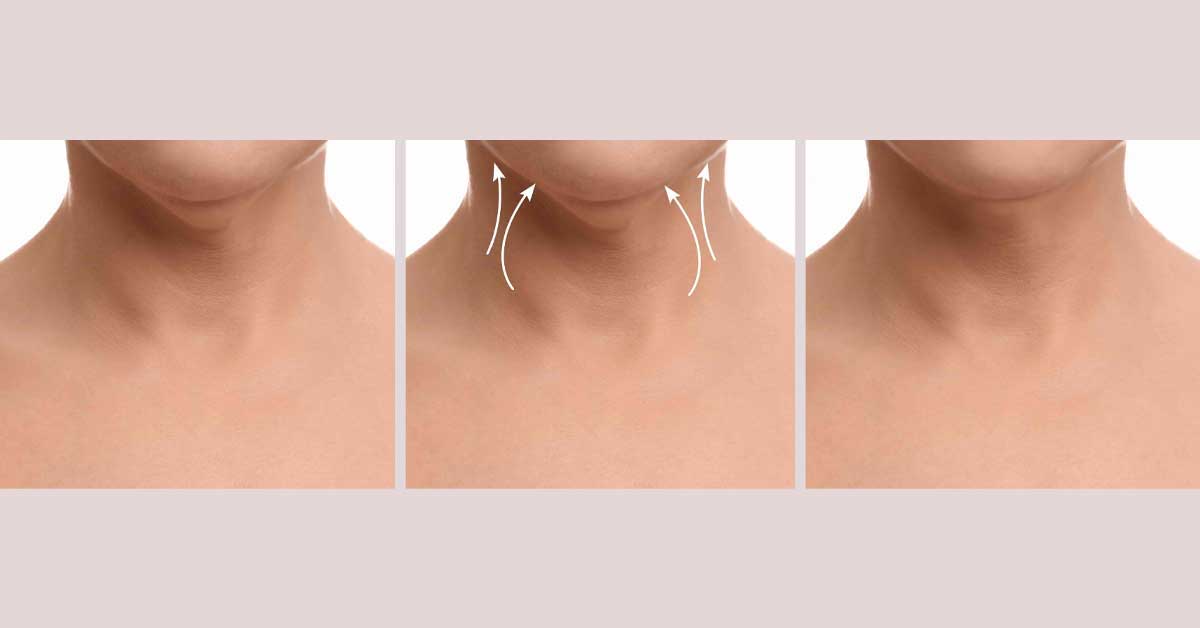
A neck lift is not performed solely for “aging.” The neck-jawline is a framework that defines the face’s expression. When this framework is compromised, the person appears tired even when well-rested.
The main reasons necessitating a neck lift:
- Loss of the jawline:
- Sagging under the chin makes the lower part of the face appear wider than it actually is.
- Explanation: When the jawline is defined, the middle part of the face appears more balanced.
- Neck bands and vertical lines:
- Muscle bands become more noticeable, especially when speaking, smiling, or extending the neck.
- Explanation: This condition is often confused with “weight gain.” However, the underlying issue is usually muscle structure.
- Excess skin and wrinkles:
- Skin laxity can create a “folding” appearance on the neck.
- Explanation: Creams or devices may help with mild sagging; advanced sagging requires surgery.
- Genetic neck structure:
- Some people cannot clearly see the chin-neck angle even at a young age.
- Explanation: Genetic predisposition becomes more pronounced with age. In suitable cases, a neck lift can be planned at an earlier age.
If neck sagging occurs alongside fatigue in the upper face, a combined approach yields natural results. In this scenario, eyelid aesthetics or almond eye surgery play a complementary role in facial expression.
Neck Lift: Who Is a Candidate?
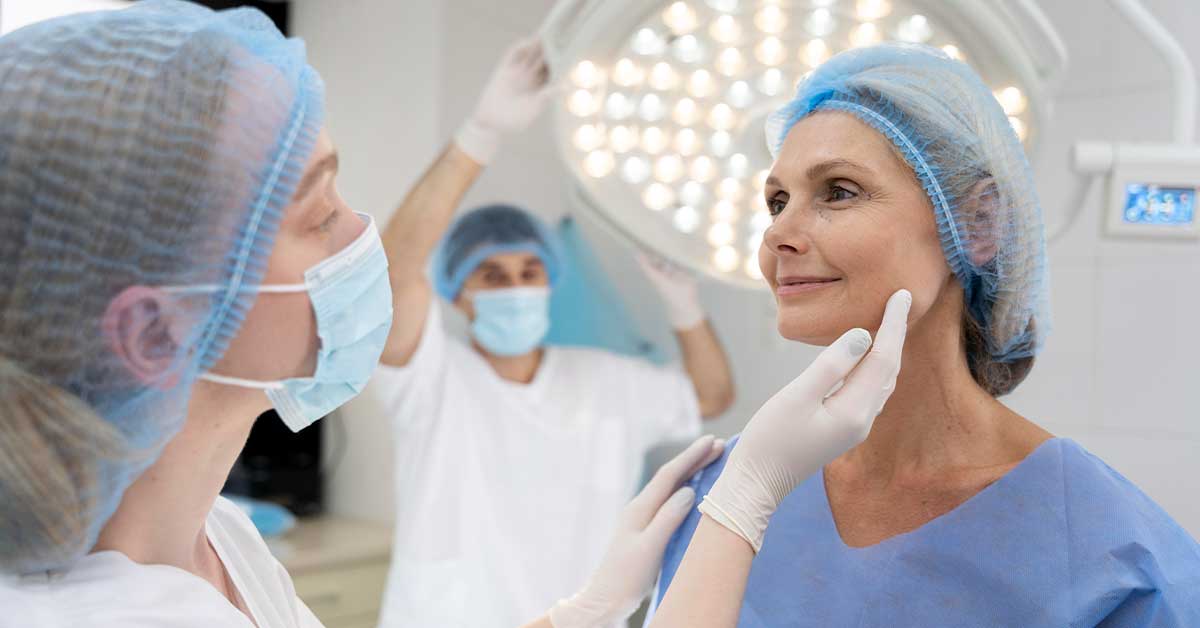
Selecting the right candidate is the most critical step for a successful outcome. There is no “best age” for a neck lift; there is only the “most appropriate anatomical condition.”
Profile of suitable candidates for a neck lift:
- Those with noticeable neck sagging:
- If the jawline is faint, the neck skin is loose, and bands are prominent, the surgical benefit is high.
- Note: Results are most clearly visible in this group of patients.
- Those with relatively stable weight:
- Significant weight fluctuations can cause the neck tissue to loosen again.
- Explanation: The goal is a contour that can be maintained for a long time after surgery.
- Those with skin quality suitable for surgery:
- Skin quality affects scar maturation and contour smoothness.
- Explanation: In thin and sun-damaged skin, the healing plan is more meticulous.
- Those where face-neck harmony is considered:
- If the eye area remains very tired while the neck is rejuvenated, the overall harmony may be disrupted.
- Explanation: At this point, eyelid surgery may be considered in the planning.
Neck Lift: Who Should Not Undergo the Procedure?
Certain conditions make the surgery risky or negatively impact the outcome. In this group, risks are addressed first, followed by surgical evaluation.
Conditions unsuitable for a neck lift:
- Uncontrolled systemic diseases:
- Uncontrolled diabetes, severe heart diseases, active coagulation disorders.
- Note: These conditions increase the risk of bleeding, infection, and wound healing complications.
- Those unable to quit smoking:
- Smoking impairs circulation, reducing skin nourishment.
- Note: The neck region has a delicate network of blood vessels. Nicotine significantly increases tissue risk.
- Active infections or untreated dermatological conditions:
- Explanation: The procedure must be performed on a clean surface.
- Unrealistic expectations:
- Expectations of “scarless surgery” or “radical change in a single day” are incorrect.
- Explanation: When the plan is realistic, the result appears natural.
Neck Lift Surgery: How Is It Performed?

A neck lift is not a “single technique.” Different steps are combined based on the components of neck aging. The logic of the surgery: deep tissue correction + contour shaping + balanced removal of excess skin.
Common surgical steps:
- Incision placement and scar planning:
- Incisions typically start in front of the ear, curve behind the ear, and extend to the hairline. In some patients, a small incision is added under the chin.
- Explanation: Scars are hidden in the ear creases and within the scalp. Scar quality depends on individual wound healing characteristics.
- Platysma (neck muscle) repair:
- If neck bands are present, the muscle is sutured along the midline. If necessary, the muscle is supported laterally.
- Explanation: If this step is omitted, the front of the neck may remain “thin but banded.”
- Submental fat contouring:
- Liposuction may be performed for excess fat. In some cases, direct excision may be required.
- Note: The goal is not a straight line, but to achieve a natural “chin-neck angle.”
- Skin repositioning and removal of excess skin:
- Excess skin is removed by repositioning the skin with the correct vector, not by “pulling.”
- Note: Improper pulling increases the risk of scarring and deformity around the ears.
- Combined surgical planning:
- A neck lift is sometimes performed in conjunction with a facelift. If needed in the upper facial region, eyelid surgery can be added. If a more lifted and refreshed appearance is desired, eyelid surgery can be planned.
- Explanation: The goal is to avoid overly rejuvenating one part of the face while leaving another behind.
Neck Lift: Preoperative Preparation
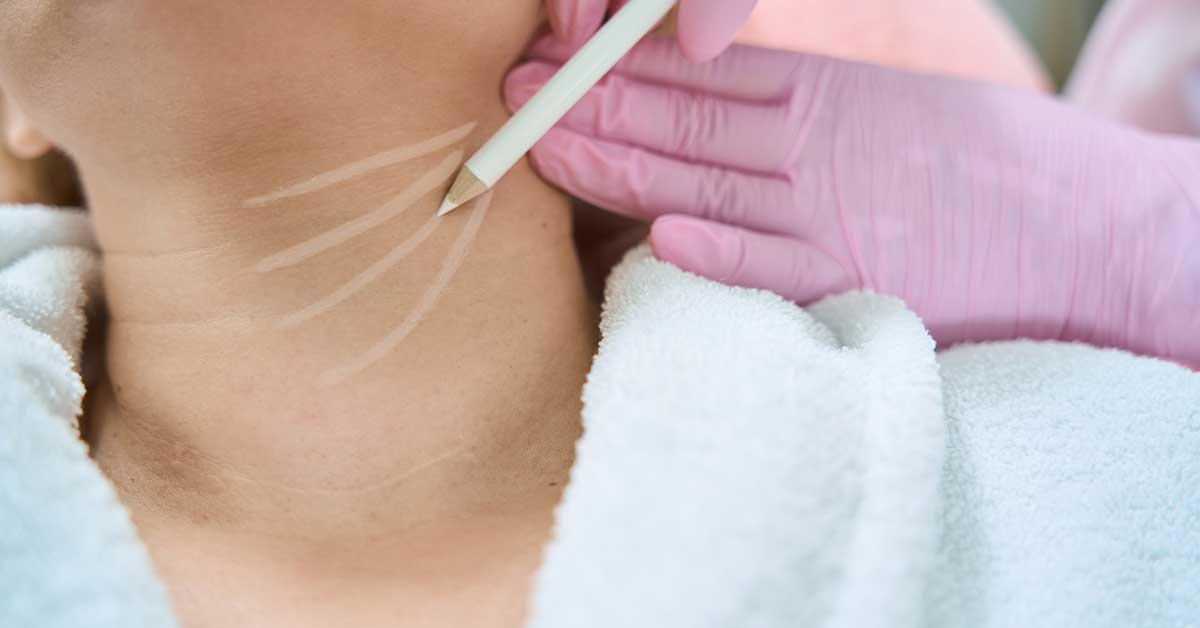
Preoperative preparation for a neck lift is essential not only for a “smooth surgery” but also for a “smooth recovery.” The preparation process includes both medical and practical steps.
Preoperative preparation topics:
- Examination and photo analysis:
- Neck contours, jawline angle, skin quality, and fat distribution are evaluated.
- Note: Photographic analysis helps clarify the post-surgery goal.
- Laboratory tests and anesthesia evaluation:
- Blood values, clotting parameters, and overall health status are checked.
- Note: Any risk factors are addressed before surgery.
- Medication regimen:
- Blood thinners and certain supplements are planned.
- Explanation: “Self-adjustment” is incorrect. Adjustments are made under a doctor’s supervision.
- Smoking and nicotine cessation plan:
- Explanation: This is a critical step for tissue perfusion. It directly affects the quality of healing.
- Home and work plan:
- A regimen of rest, a high pillow, easy-to-eat foods, and short walks is prepared for the first week.
- Note: Jobs that strain neck movements are postponed for a few weeks.
Neck Stretching: Postoperative Care
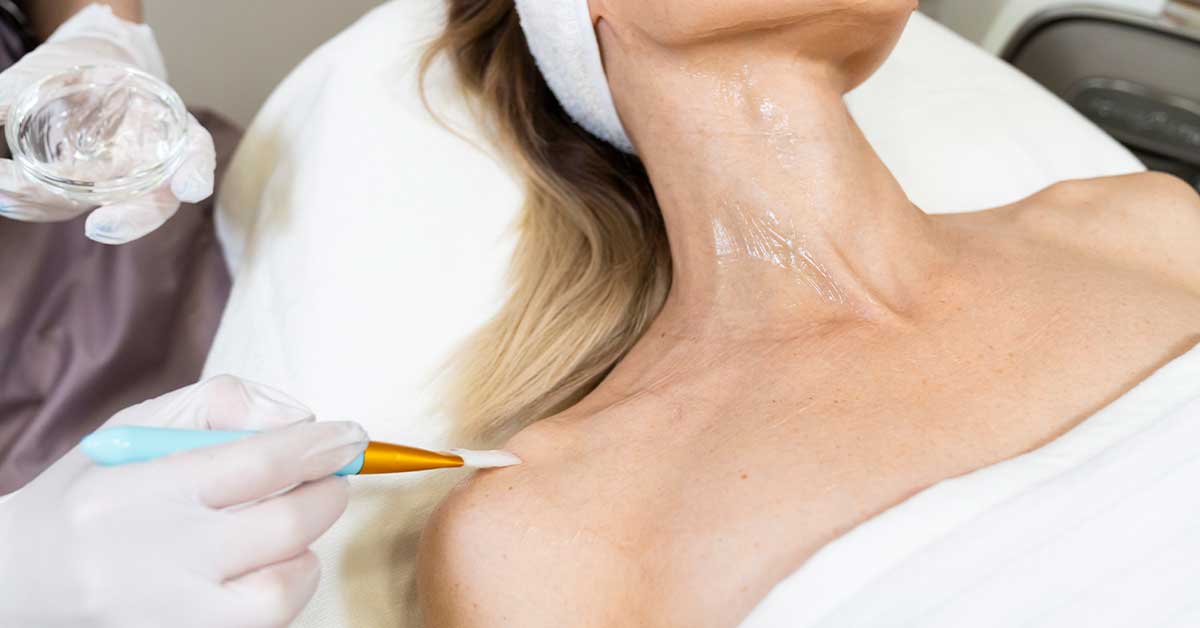
The healing process progresses gradually. Swelling and tightness are normal in the first few days. The final result becomes apparent gradually over the course of weeks.
Key points of postoperative care:
- Swelling management:
- Swelling may increase in the first 48–72 hours. It then gradually subsides.
- Note: Cold application is not recommended for every patient; the approach is determined based on the tissue plan.
- Preservation of neck movement:
- Sudden turning, heavy lifting, and bending forward are restricted.
- Note: If tension increases in the early period, swelling and discomfort may worsen.
- Dressing and suture care:
- Follow-up appointments must not be missed. The suture site is kept dry and clean.
- Note: Scar quality is influenced by care during the first few weeks.
- Sleeping position:
- A supine position with the head elevated is preferred.
- Note: This helps reduce swelling more quickly.
- Combined procedure care:
- If eyelid surgery or eyelid lift surgery is performed, a separate follow-up plan is implemented for swelling around the eyes.
- Note: This should not be perceived as a “problem” in a single area; it is a planned healing process.
Neck Lift: Benefits
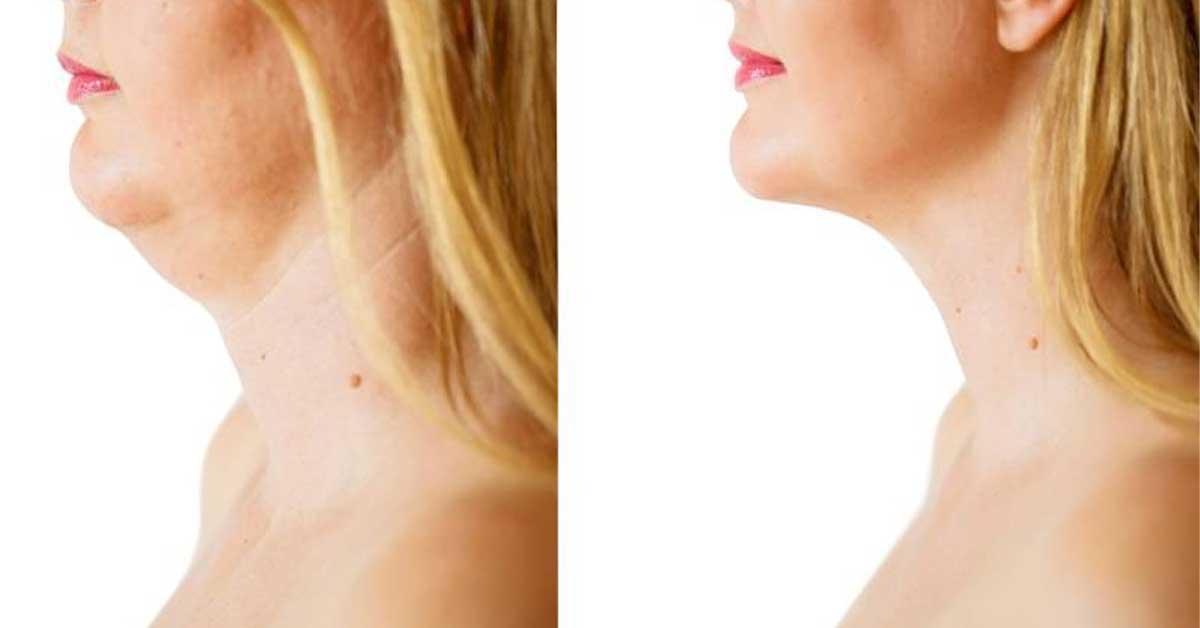
A neck lift makes the overall facial appearance look more “toned” and “vibrant.” The change is often perceived by others as “you’ve lost weight” or “you look well-rested.”
Benefits:
- Clarification of the chin-neck angle:
- The profile appears cleaner.
- Explanation: This effect is particularly noticeable in photos and videos.
- Reduction of neck bands:
- Vertical muscle bands soften.
- Explanation: The front of the neck takes on a more relaxed appearance.
- More balanced facial rejuvenation:
- Harmony is achieved with the upper face.
- Explanation: If the upper face appears tired, eyelid aesthetics can enhance overall harmony.
Neck Lift: Potential Risks
A neck lift is a safe surgical procedure; however, as it is surgery, it carries risks. These risks are minimized through proper patient selection, the correct technique, and regular follow-up.
Potential risks:
- Bleeding / hematoma:
- Requires close monitoring in the early stages.
- Explanation: This is why the first 24-hour follow-up is crucial.
- Infection:
- Rare.
- Explanation: It is managed with prompt intervention at the first signs.
- Scar visibility:
- Depends on skin type and skincare habits.
- Explanation: Scars take months to mature.
- Temporary changes in sensation:
- Numbness or reduced sensitivity may occur.
- Explanation: This typically resolves over time in most patients.
- Asymmetry:
- Natural facial and neck asymmetries cannot be completely eliminated.
- Explanation: The goal is “balance,” not a “straight line.”
Neck Lift in Turkey
Turkey stands out in aesthetic surgery both for its diversity of cases and its organizational strength in medical tourism. Istanbul serves as a practical hub for international patients due to its ease of access and accommodation options.
Reasons for choosing a neck lift in Turkey:
- Experienced surgical teams and high case volume
- Advanced clinical infrastructure and access to modern technology
- Ease of accommodation, transfers, and planning
The Neck Lift Process at Niva Aesthetic

At Niva Aesthetic, the process is not limited to just the day of surgery. A fully organized medical tourism workflow is planned from start to finish for patients coming from abroad. The clinic is equipped with technology compliant with European standards. The environment is luxurious and comfortable. The team includes doctors with at least 20 years of experience in their field. This experience is particularly crucial during the stages of neck muscle repair and creating natural contours.
Niva Aesthetic’s key advantages:
- Airport pickup and transfers:
- Guidance is provided from the moment of arrival.
- Note: “Travel stress” in a foreign country can hinder recovery. The organization addresses this.
- 5-star hotel accommodation:
- It offers advantages in terms of comfortable rest, regular sleep, and proper positioning.
- Note: The correct sleeping position after neck surgery affects the quality of recovery.
- Packages including sightseeing and vacation opportunities:
- Istanbul tours can be planned for suitable patients at the appropriate time.
- Explanation: Rest is a priority in the first few days. The tour plan is tailored according to the doctor’s assessment.
- Personalized combined planning:
- To ensure the upper facial region does not lag behind as the neck rejuvenates, complementary procedures such as eyelid surgery, eyelid aesthetics, or almond-shaped eye surgery are considered.
- Note: This approach prevents the “one area looks young – the other looks tired” appearance.
Neck Lift Surgery: Day-by-Day Recovery Schedule
Recovery varies by individual. The schedule below outlines the most common clinical progression.
- Day 1 (Surgery Day):
- You may feel tightness and fullness in the neck. Swelling begins.
- Note: The goal is not pain-free “complete immobility.” Controlled movement supports circulation.
- Days 2–3:
- Swelling may increase. Bruising may become more visible.
- Note: The neck contour may appear misleading during this period. Swelling hides the actual result.
- Days 4–7:
- Swelling begins to subside gradually. Sleep becomes more comfortable.
- Note: Light walking is recommended. Vigorous exercise is not recommended.
- Days 7–10:
- You enter a phase where it is socially acceptable to go out.
- Note: Scars can be more easily concealed with makeup and hair.
- Days 10–14:
- The contour begins to appear more clearly.
- Note: The difference becomes noticeable in photographs.
- Weeks 3–4:
- Most of the swelling subsides. The neck moves more naturally.
- Note: The result now begins to “show itself.”
- Weeks 6–12:
- The character of the result settles. Scars begin to mature.
- Explanation: This is the “final settling” period.
If a combined surgical procedure is planned (for example, if eyelid surgery is included), swelling around the eyes may be more noticeable during the first two weeks.
Neck Lift - Frequently Asked Questions
Eyelid surgery—is it performed in the same session as a neck lift?
Yes, it is performed in suitable patients. The goal is to achieve a more balanced facial and neck rejuvenation with a single anesthesia.
Eyelid surgery—does it affect the outcome of a neck lift?
It does not affect the neck tissue. However, as the upper part of the face becomes more youthful, the neck result appears more “complete.”
Can patients be discharged on the same day after eyelid surgery and a neck lift?
This is possible for many patients. Overnight observation may be preferred for some patients.
Is swelling more pronounced in the neck after eyelid surgery?
The overall sensation of swelling may increase. This is a natural part of combined surgery, and the management plan is adjusted accordingly.
Is it difficult to maintain?
No, brushing and regular checkups are sufficient, just like with natural teeth.
Why do prices vary so much?
Dental implant prices vary depending on the materials used, the expertise of the doctor, and additional services.