


Facelift: What Is It? How Is It Done?
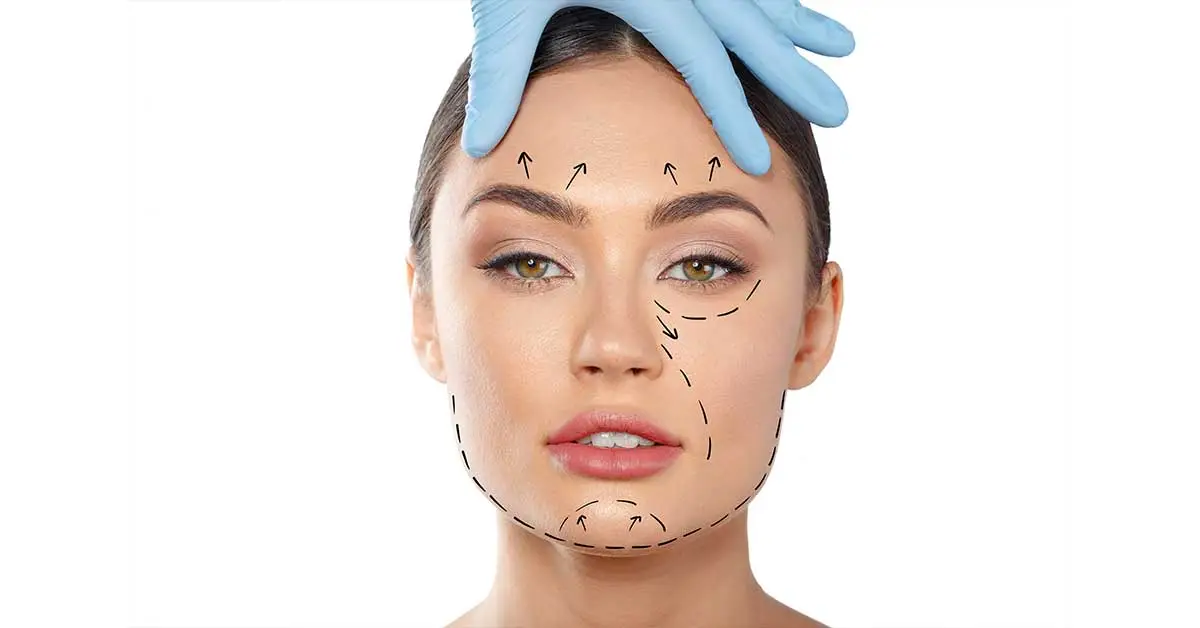
Facial aging isn’t just about “wrinkles.” The cheek pads sag. Cheekbone support diminishes. The jawline becomes less defined. The lines around the mouth deepen. These changes begin much deeper than the skin’s surface. That’s why a facelift isn’t just about pulling the skin upward. It’s a surgical procedure that repositions the face’s supporting layers and rebuilds its contours.
The goal of a facelift isn’t to freeze facial expressions or create a “tight mask.” The goal is to achieve a more youthful, balanced, and defined facial contour while preserving natural facial proportions. When performed correctly, the result looks not like someone who has “had surgery” upon close inspection, but rather like someone who has “had a good rest.”
What Is a Facelift?
A facelift anatomically repositions sagging tissues in the mid and lower face upward and backward. This procedure typically involves the deep support layer known as the SMAS. This is because the face’s “primary support structure” lies in that plane.
- Mid-face effect (cheeks–cheekbones): Cheek tissue is lifted, and the cheekbone contour becomes more defined.
- Explanation: The goal is not to plump the cheeks but to reposition the tissue to its youthful position.
- Lower face effect (jawline–jowl): Sagging along the jawline (jowl) is tightened. The jawline becomes sharper.
- Explanation: When the jawline becomes defined, the face appears slimmer and younger.
- Mouth corner lines: The lines extending downward from the corners of the mouth soften.
- Explanation: The line does not have to be “completely erased.” Softening and balance of proportions look more natural.
Facelift: Why Is It Done?
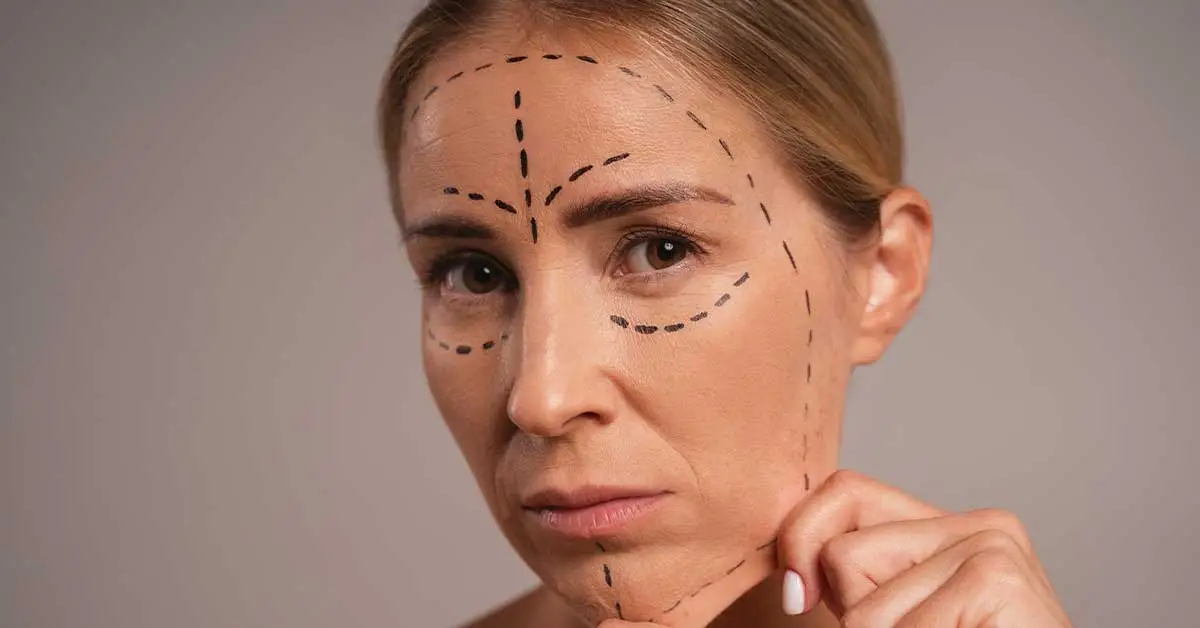
Over time, a “downward” movement occurs in the face. This movement combines with gravity, loosening of connective tissue, and changes in volume. When looking in the mirror, what the person usually sees is: “My face has sagged.”
Facelift is most commonly chosen for the following reasons:
- Distortion of the facial oval: The V-shape turns into a U-shape.
- Explanation: When the oval is restored, the face looks more youthful.
- Loss of the jawline: The jowl becomes more pronounced, and the jawline “blurs.”
- Explanation: It is one of the most noticeable signs of aging that cannot be concealed with makeup.
- Cheek sagging: The midface shifts downward. The transition from under-eye to cheek becomes harsh.
- Explanation: The upper-midface appears “tired.”
- Mismatch between the neck and face: The neckline becomes distorted, and the profile appears heavier.
- Explanation: In many patients, neck contouring significantly enhances the effects of a facelift.
Facelift: Who Is a Candidate?
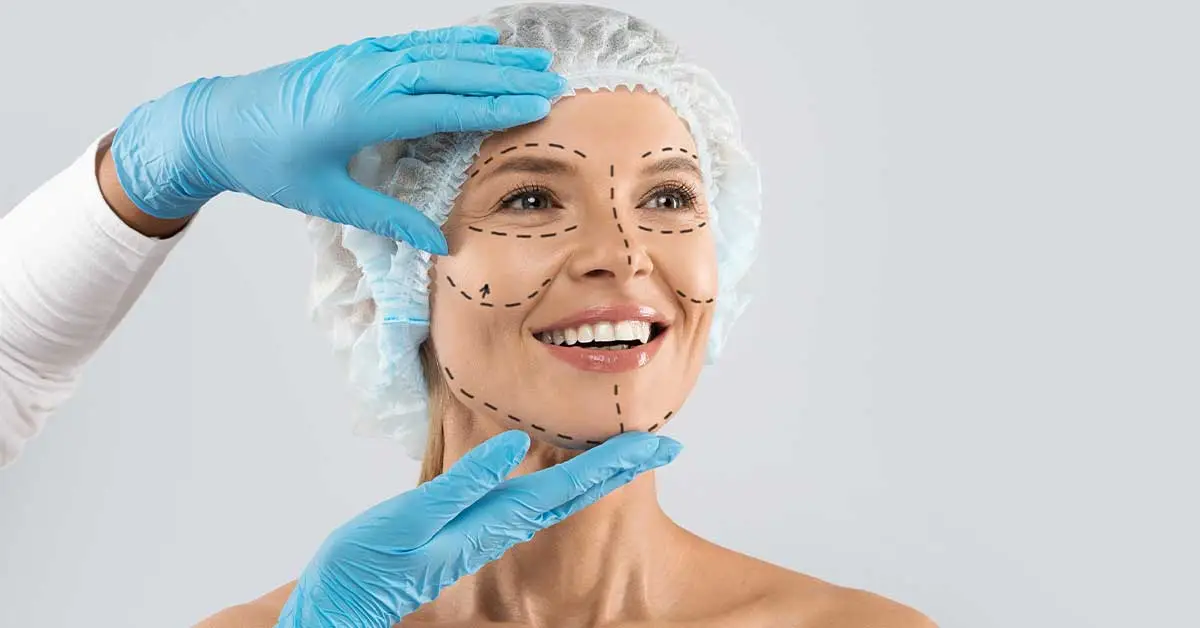
A suitable candidate is someone with sagging skin who will benefit naturally from surgery. Age alone is not a criterion. Skin quality, the direction of tissue sagging, and overall health are more decisive factors.
- Those with noticeable sagging in the mid-to-lower face: Cheek drooping and jowls are the primary concerns.
- Explanation: In this group, the difference is clearly visible with a facelift.
- Those with minimal weight fluctuations: A stable weight reduces the likelihood of the tissue becoming loose again.
- Explanation: Significant weight fluctuations can lead to rapid sagging.
- Those with skin quality suitable for surgery: If the skin is very thin, the procedure is performed with greater precision.
- Explanation: Scar management and tension distribution are critical in thin skin.
- Those with clear and realistic expectations: Those aiming for “natural rejuvenation.”
- Explanation: Natural results are achieved by working on the correct layer.
Facelift: Who Should Not Undergo It?
In some cases, facelift surgery is postponed or a different strategy is chosen. Surgery is not performed in high-risk cases.
- Uncontrolled systemic diseases: Uncontrolled diabetes, severe cardiovascular issues, blood clotting disorders.
- Explanation: Bleeding and healing complications increase.
- Inability to quit nicotine use: Cigarettes/hookah/nicotine products impair circulation.
- Explanation: When skin nutrition is compromised, the risk of scarring, necrosis, and delayed healing increases.
- Active infection or untreated skin condition:
- Explanation: Surgery is planned on clean tissue.
- Unrealistic expectations: Goals such as “scarless” or “a completely different face in one day.”
- Explanation: The goal is not a change in identity, but to reverse the effects of aging.
Facelift Surgery: How Is It Performed?
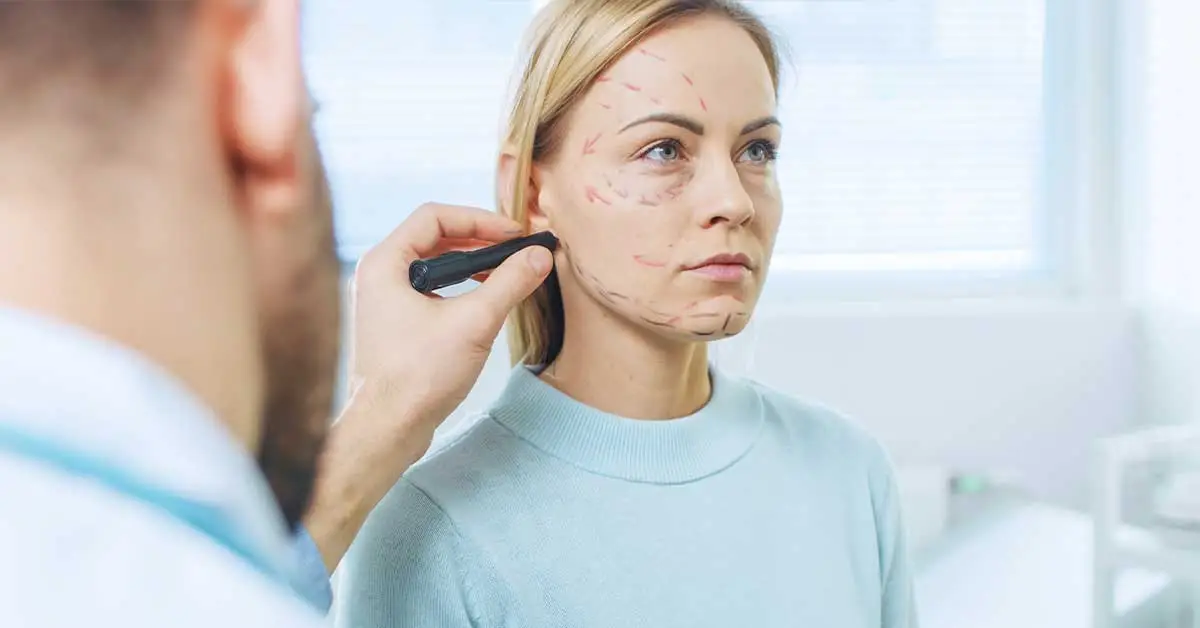
There is no single method. Approaches such as “mini,” “mid-face focused,” or “deep plane/SMAS” are selected based on the degree of sagging. Planning is based on the facial anatomy.
- Incision placement: Typically starts near the hairline in front of the ear, continues around the ear, and extends to the scalp behind the ear.
- Explanation: The goal is to conceal the scar and preserve the shape of the ear.
- Deep-layer correction (SMAS): The supporting tissues are lifted upward and secured.
- Explanation: Simply tightening the skin yields only short-term results. The step that enhances longevity is the deep-layer correction.
- Removal of excess skin: Once the deep tissues are repositioned, the excess skin is removed.
- Explanation: This sequence prevents a “wind-blown” appearance.
- Additional neck–submental steps if necessary: Submental fat repositioning and platysma band repair may be planned.
- Explanation: If the lower face is lifted but the neck lags behind, the result appears incomplete.
- Drain/dressing: A short-term drain may be used in some cases.
- Explanation: The goal is to reduce fluid accumulation.
Facelift: Preoperative Preparation
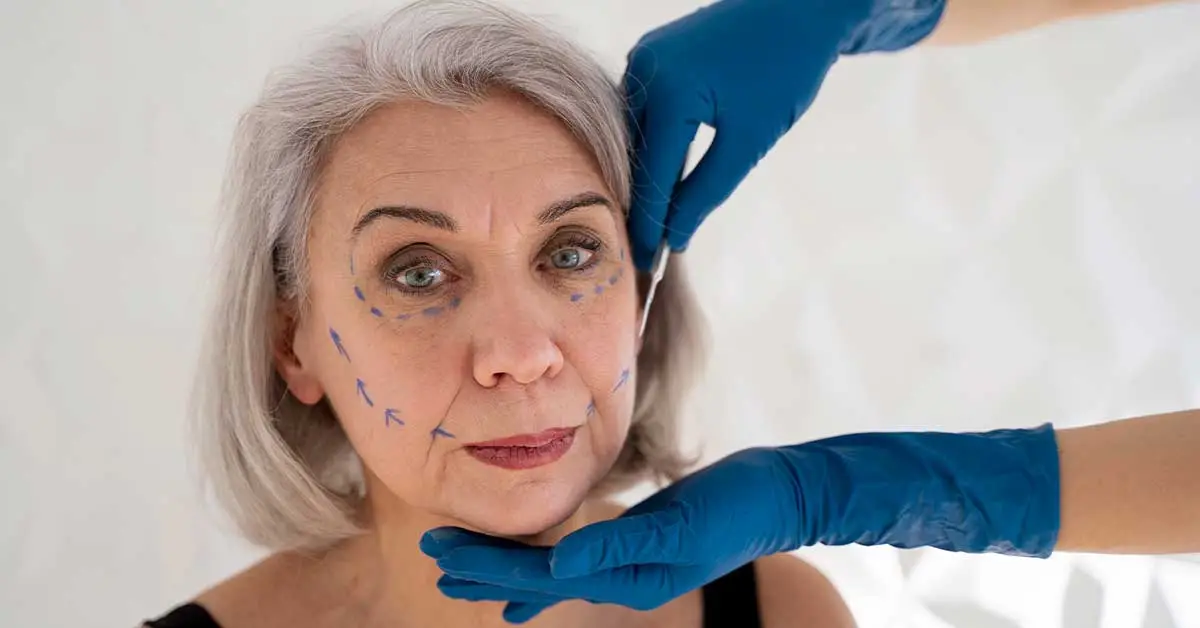
Preparation enhances surgical safety and the quality of recovery. “Small details” amplify the outcome.
- Facial analysis and measurement: Sagging vectors, asymmetry, and skin quality are assessed.
- Note: There is natural asymmetry in the face. Surgery aims for “balance.”
- Laboratory tests and anesthesia evaluation: Blood values are checked, and consultations with other specialties are obtained if necessary.
- Note: If risks are identified in advance, the plan proceeds smoothly.
- Medication and supplement regimen: Products that increase bleeding risk are monitored.
- Note: No cutting or starting is done without the doctor’s knowledge.
- Nicotine cessation:
- Note: This is one of the most critical steps for skin circulation.
- Social planning: A rest, work, and meeting schedule is planned for the first 10–14 days.
- Note: “Returning to normal activities too soon” prolongs swelling and bruising.
Facelift: Postoperative Care
Healing progresses through swelling, tissue adaptation, and scar maturation. The appearance in the first few days is not the final result.
- Swelling management: Swelling may increase in the first 2–3 days, then gradually decreases.
- Note: Facial contours are temporary during this period.
- Head position: Keep the head elevated; avoid sudden bending.
- Note: This helps edema resolve more quickly.
- Suture/dressing follow-up: Follow-up appointments must not be missed; keep the area clean.
- Note: Scar quality is determined in the early stages.
- Activity restrictions: Vigorous exercise, saunas, and hot baths should be postponed.
- Note: This reduces the risk of bleeding and swelling.
- Dietary guidelines: Soft foods and adequate fluids are recommended.
- Note: Straining to chew can increase tension in the early stages.
Facelift: Benefits It Offers
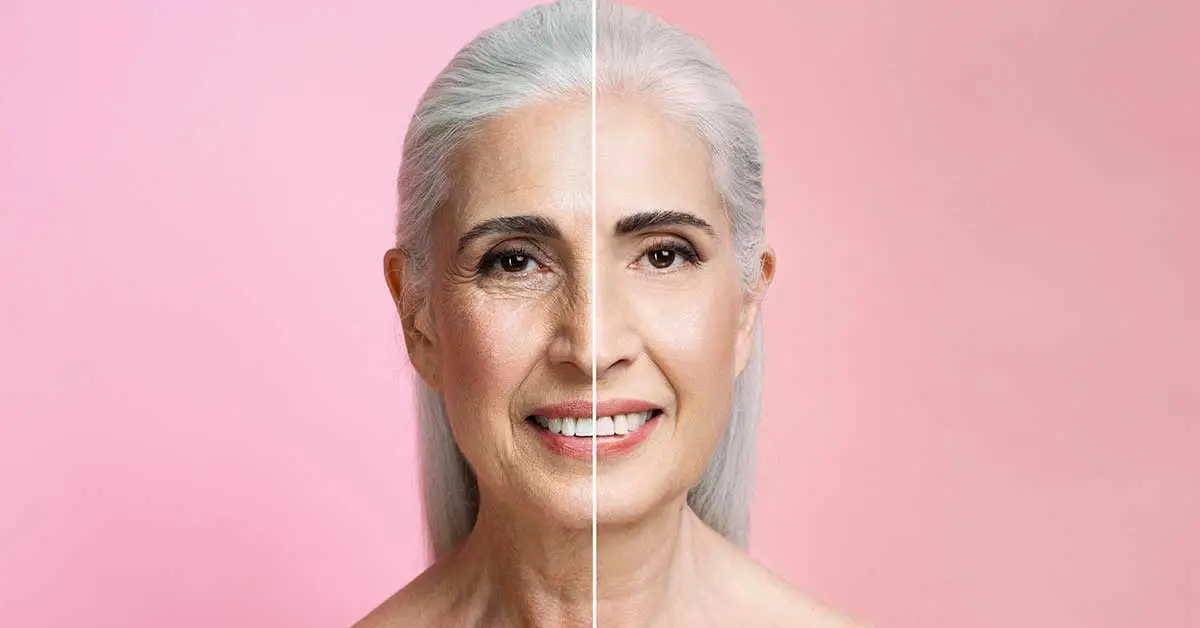
In the right candidate, face lift changes the overall appearance of the face. The best result is one that is “not immediately noticeable.”
- A more defined jawline: Jowls diminish, and the lower facial contour tightens.
- Explanation: The difference is first noticeable here in photos.
- Restoration of cheek–cheekbone balance: The midface appears more balanced.
- Explanation: The face loses that “sagging” appearance.
- A more vibrant expression: The lines around the mouth soften, and the face looks more lively.
- Explanation: Facial expressions are preserved with the right technique.
- Longer-lasting rejuvenation: Deep-layer correction enhances longevity.
- Explanation: Aging continues, but the achieved rejuvenation is sustained for a long time.
Facelift: Potential Risks
Facelift surgery is a controlled procedure when safely planned. However, since it is a surgical procedure, the risks must be clearly understood.
- Bleeding/hematoma: Requires monitoring in the early stages.
- Explanation: This is why the first-day follow-up is important.
- Infection: Rare, but managed with early intervention.
- Explanation: Regular dressings and follow-up reduce the risk.
- Scar visibility: Depends on skin type and care.
- Explanation: Scar maturation takes months.
- Temporary numbness/change in sensation: May occur, especially around the ears and cheeks.
- Note: It usually diminishes over time.
- Asymmetry: Natural asymmetries cannot be completely eliminated.
- Note: The goal is balance, not symmetry.
- Skin nutrition issues (especially nicotine):
- Note: Nicotine is one of the strongest risk factors.
Facelift: Non-Surgical Options
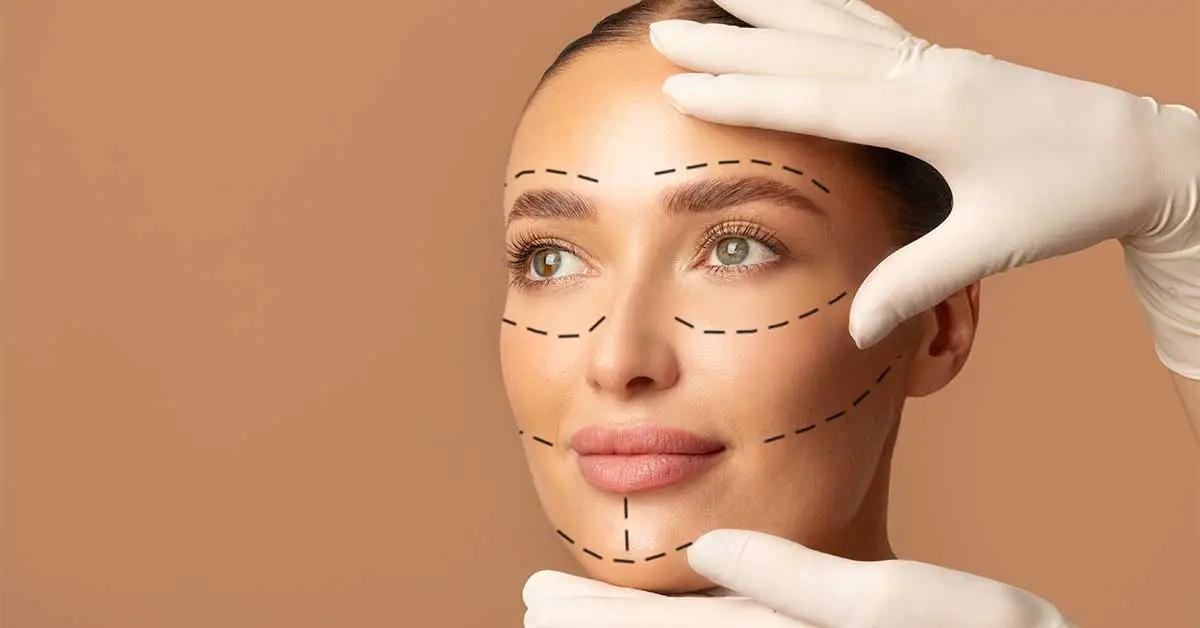
Non-surgical treatments can provide support for “mild sagging.” However, they do not replace face lift for severe sagging. The most common issue is unrealistic expectations.
- Botulinum toxin: Reduces expression lines.
- Explanation: It does not restore the facial contour.
- Fillers: Compensate for volume loss.
- Explanation: They do not correct sagging. Excess filler can make the face appear heavy.
- Thread Lift: May provide limited tightening for mild to moderate sagging.
- Note: Duration and quality of results depend on tissue structure.
- Energy-based devices (RF/ultrasound): May improve skin quality.
- Note: Not as effective as surgery for severe tissue sagging.
Facelift in Turkey
Turkey is among the preferred countries for aesthetic surgery due to its diverse range of cases and medical tourism infrastructure. Istanbul is a prime location offering advantages in terms of transportation, accommodation options, and healthcare service organization.
- Extensive surgical experience: A high volume of cases strengthens planning.
- Convenient transportation and accommodation: The process proceeds more smoothly.
- Medical tourism packages: Needs such as transfers, hotels, and companionship can be planned under one roof.
The Facelift Process at Niva Aesthetic
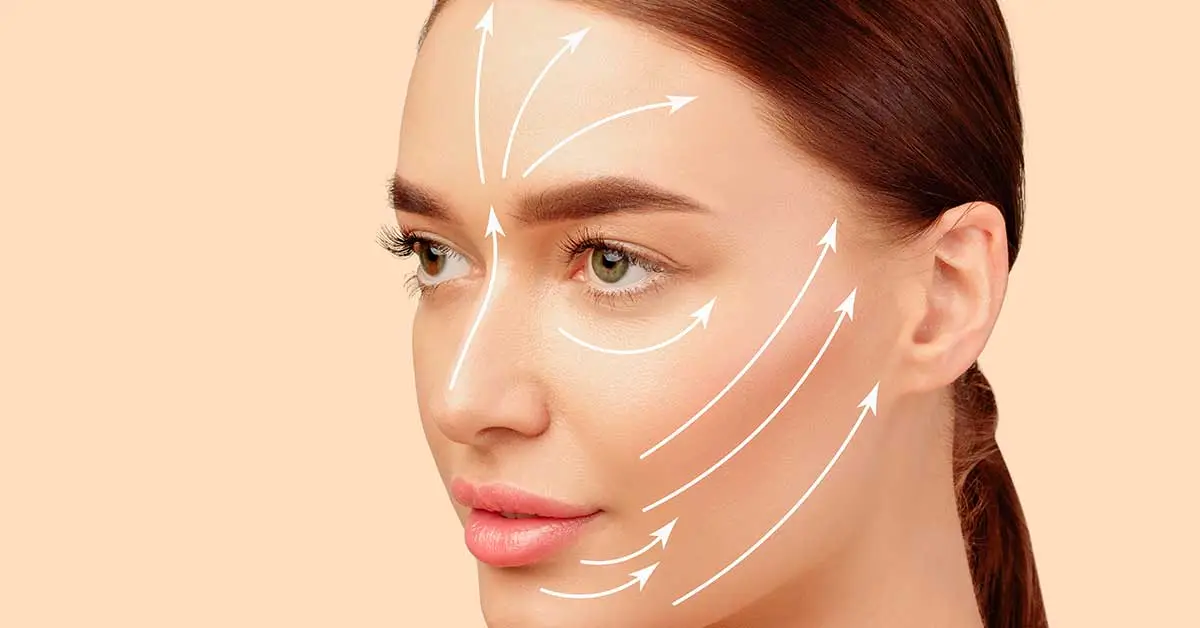
At Niva Aesthetic, the process is designed for international patients as an integrated package of “surgery + comfort + organization.” The clinic is equipped with technology compliant with European standards. The environment is luxurious and comfortable. The team includes doctors with at least 20 years of experience in their field. This is critical, particularly for preserving natural facial expressions and properly planning tissue vectors.
Niva Aesthetic’s medical tourism advantages:
- Airport pickup: A smooth flow is ensured from the moment of arrival.
- Note: Recovery is more comfortable once the initial stress subsides.
- Transfer organization: Safe transportation between the hotel and clinic is arranged.
- Note: Comfortable transportation is essential during the post-operative period.
- 5-star hotel accommodation: Provides benefits for rest, sleep positioning, and comfortable follow-up care.
- Note: Proper rest in the early days positively impacts swelling.
- Istanbul tours and vacation opportunities: Travel options are included in the packages.
- Note: The tour program is planned according to the pace of recovery and follow-up appointments.
- Personalized surgical plan: Facelift surgery is tailored to the face’s specific needs.
- Note: The goal is not a standard template, but a plan suited to facial anatomy.
- Airport pickup: A smooth flow is ensured from the moment of arrival.
Facelift Surgery: Day-by-Day Recovery Timeline
- Day 1: Swelling begins. A feeling of tightness may occur.
- Note: The appearance in the mirror is not the “final result.”
- Days 2–3: Swelling may increase. Bruising may become more noticeable.
- Note: The peak of swelling may occur during this period.
- Days 4–7: Swelling begins to subside. Daily movement becomes easier.
- Note: Light walking supports circulation.
- Days 7–10: Socializing becomes more comfortable.
- Note: Scars are fresh but can be concealed in most patients.
- Days 10–14: Contours become more defined.
- Note: Changes become clear in photos.
- Weeks 3–4: Most of the swelling subsides. The face looks more natural.
- Explanation: This is the period when the face begins to “look like itself” again.
- Weeks 6–12: The final result settles in. Scars begin to mature.
- Explanation: This is the most accurate time for a final evaluation.
Facelift - FAQ
At what age is a facelift appropriate?
Age is not the sole criterion. The degree of sagging and tissue quality are the determining factors.
Where do facelift scars remain?
Incisions are hidden around the ears and along the hairline. It takes time for the scars to mature.
Does a facelift affect facial expressions?
Facial expressions are preserved when the surgery is performed on the correct layer. Excessive tension is avoided.
Does a face lift make my expression look “tight”?
The goal is not tightness. A natural expression is preserved through proper vectoring and deep tissue repositioning.
How much does the jawline become defined with a face lift?
It depends on the jowl level and neck structure. As the lower face is lifted, the jawline becomes more defined.
How long does a facelift take?
It varies depending on the extent of the procedure. Additional neck steps may extend the duration.
After a facelift, is there pain or tightness?
In most patients, the predominant sensation is tightness. Pain is generally manageable.
How long do bruises last after a facelift?
In most patients, it significantly subsides within 1–2 weeks. Skin type affects the duration.
When can you return to work after a facelift?
Many people feel more comfortable socially within 10–14 days. The physical demands of the job are important.
Is a facelift permanent?
Aging continues. However, the rejuvenation achieved is maintained for a long time.
Should a facelift and neck lift be performed at the same time?
Yes, if there is a noticeable neck issue. The harmony between the face and neck looks more natural.
Does a facelift provide the same results as non-surgical methods?
It does not in cases of severe sagging. Non-surgical methods are supportive.
When can you start exercising after a facelift?
Intense exercise is generally postponed for a few weeks. The schedule is tailored to the individual.
How should sleep be managed after a facelift?
Sleeping with the head elevated and on the back is recommended. This aids in managing swelling.
When does the result of a facelift “settle in” completely?
Rapid improvement is seen in the first month. A more mature and natural appearance becomes evident after 3–6 months.