


Lip Fillers: What Are They? How Are They Done?
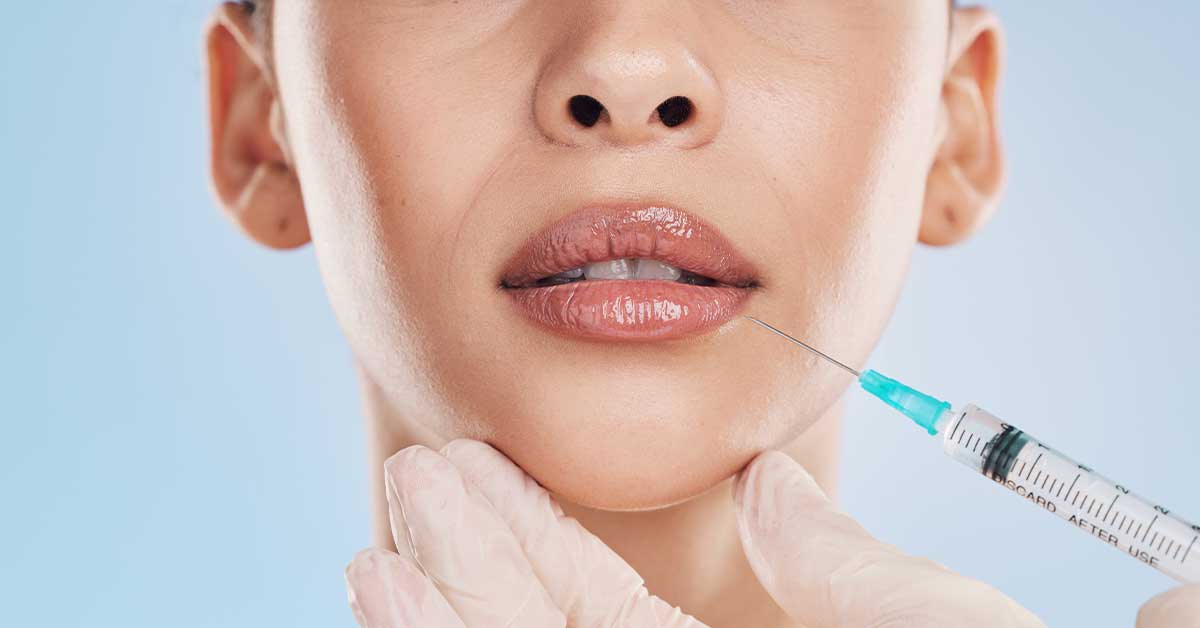
Lip fillers are a medical aesthetic procedure used to add volume, shape, and a more balanced contour to the lips. The most commonly used filler is hyaluronic acid-based. This substance occurs naturally in the body and, when applied using the correct technique, produces results that harmonize with the lip tissue. The goal is not “very large lips,” but lips that look natural and healthy, in proportion to the face.
- Planning is essential: The ideal lip shape varies by face type.
- Naturalness is the goal: The lip line, central volume, and symmetry are evaluated together.
- Safety is a priority: The right product, a sterile environment, and accurate anatomical knowledge are essential.
Lip Filler: What Is It?
Lip filler is an injection procedure performed to increase lip volume, define the contour, and reduce asymmetry. The most common approach involves the controlled injection of a hyaluronic acid-based filler into the lip tissue. The procedure is non-surgical and is typically completed in a short time.
- Volume enhancement: Creates a natural fullness in thin lips.
- Contour definition: Makes the lip border (vermilion border) more distinct.
- Hydration and tissue support: Hyaluronic acid helps reduce lip dryness with its water-retaining properties.
Lip Filler: Why Is It Done?
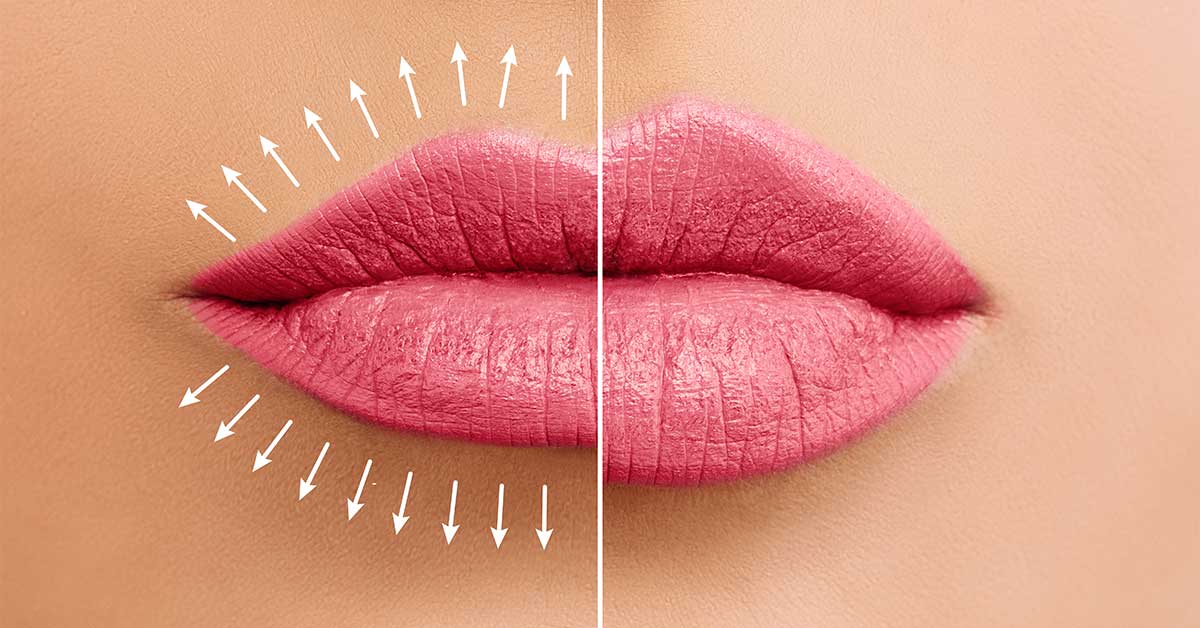
Lip filler is not performed solely for enlargement. It is also chosen to correct lip structure, soften facial expressions, and balance the proportions around the lips.
- Naturally thin lips: Thin lips can be present even without volume loss.
- Volume loss with age: Lip tissue thins over time, and the contour becomes less defined.
- Asymmetry: Imbalance between the upper and lower lips or differences between the right and left sides are common.
- Contour and Cupid’s bow emphasis: A more defined lip outline may be desired.
- Lip liner smudging/blurred edges: As the contour becomes clearer, the lip line appears more defined.
Lip Filler: Who Is a Candidate?
Lip filler is suitable for individuals in good overall health with realistic expectations. The initial consultation is critically important in terms of lip anatomy and vascular structure.
- Those with low lip volume: The goal is a natural increase in volume.
- Those with loss of contour: The lip border is defined.
- Those with mild asymmetry: Minor adjustments can be made.
- Those with dry lips and fine lines: A more hydrated and plump appearance can be achieved.
- “Natural” results desired: A gradual approach using small doses is planned.
Lip Filler: Who Should Not Get It?
Lip filler is not suitable for everyone. In some cases, the procedure is postponed or not recommended at all. Risk factors must be clearly assessed for safe application.
- Pregnancy and breastfeeding: Routine aesthetic procedures are postponed.
- Active cold sores (herpes) or infection: The procedure is not performed if there are active lesions on the lips.
- Uncontrolled autoimmune diseases: Not recommended during flare-ups.
- Use of blood thinners (without a doctor’s approval): Increases the risk of bruising and bleeding.
- History of severe allergic reactions to fillers: A detailed evaluation is required.
- Unrealistic expectations: Goals that exceed the anatomy of the lips are not safe.
Lip Filler: How Is It Done?
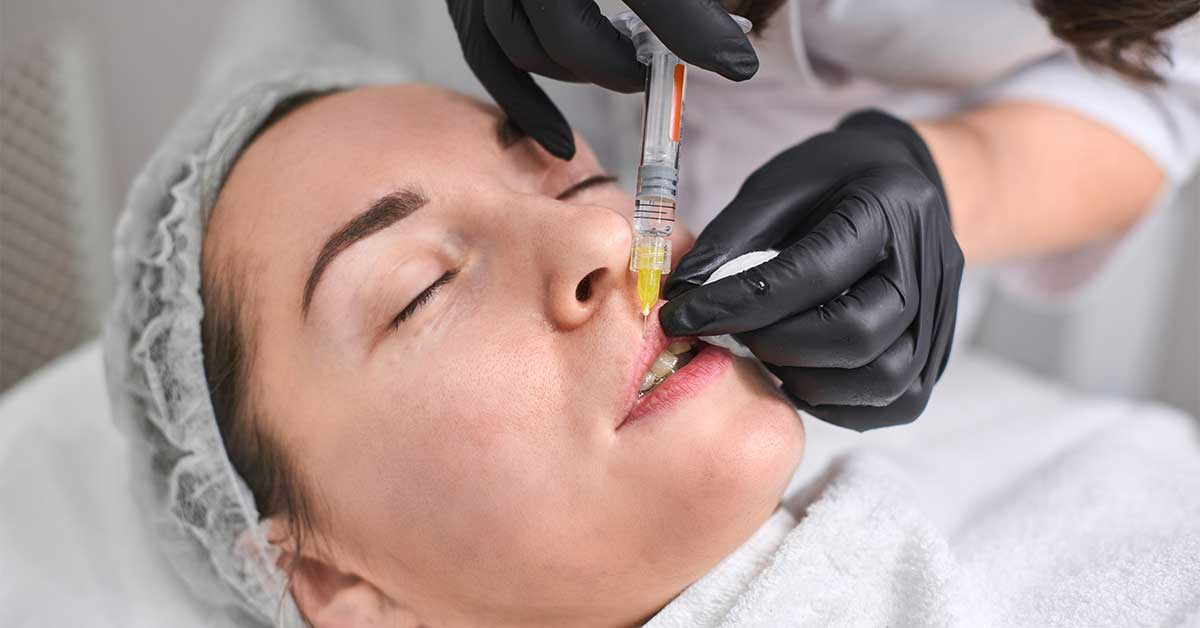
Lip filler is customized for each individual. The application technique is selected based on lip thickness, contour structure, symmetry needs, and facial proportions. The correct technique determines both the natural appearance and safety.
The procedure typically follows this flow:
- Face and lip analysis:
- Lip proportions, smile line, nose-to-lip distance, and symmetry are evaluated.
- Product selection:
- A filler formulated specifically for the lips, with a soft and controlled spread, is preferred.
- Anesthesia:
- Topical anesthetic cream or, when necessary, local anesthesia is applied.
- Injection technique:
- Small doses are administered at planned points using a needle or cannula.
- Contour, mid-volume, and, if necessary, the lip corners are addressed separately.
- Final check and balancing:
- Symmetry is checked before swelling occurs.
- If necessary, adjustments are made with minimal touch-ups.
The “one-time, high-volume filler” approach is incorrect. Since swelling and tissue reaction will occur in the lips, a controlled and gradual plan is safer.
Lip Filler: How Long Does It Last?
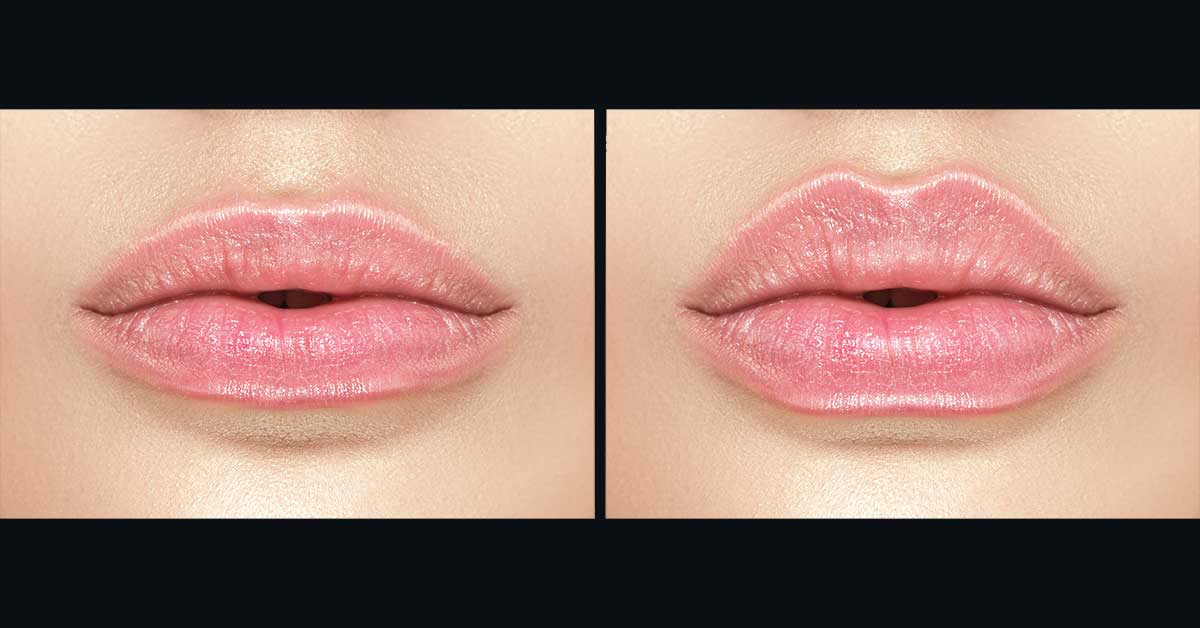
Lip filler longevity varies depending on the product’s composition, metabolism, lip mobility, and the amount applied. Since the lips are highly mobile due to facial expressions and speech, the filler tends to dissolve more quickly.
- General duration range: 6–12 months
- Situations where longer duration may be observed:
- Gradual application allowing for tissue adaptation
- Low-dose “maintenance” sessions at regular intervals
- Situations where duration may be shorter:
- Very active facial expressions
- Fast metabolism
- Frequent exposure to heat/sauna, intense exercise (especially in the initial period)
Lip Filler: Post-Treatment Care
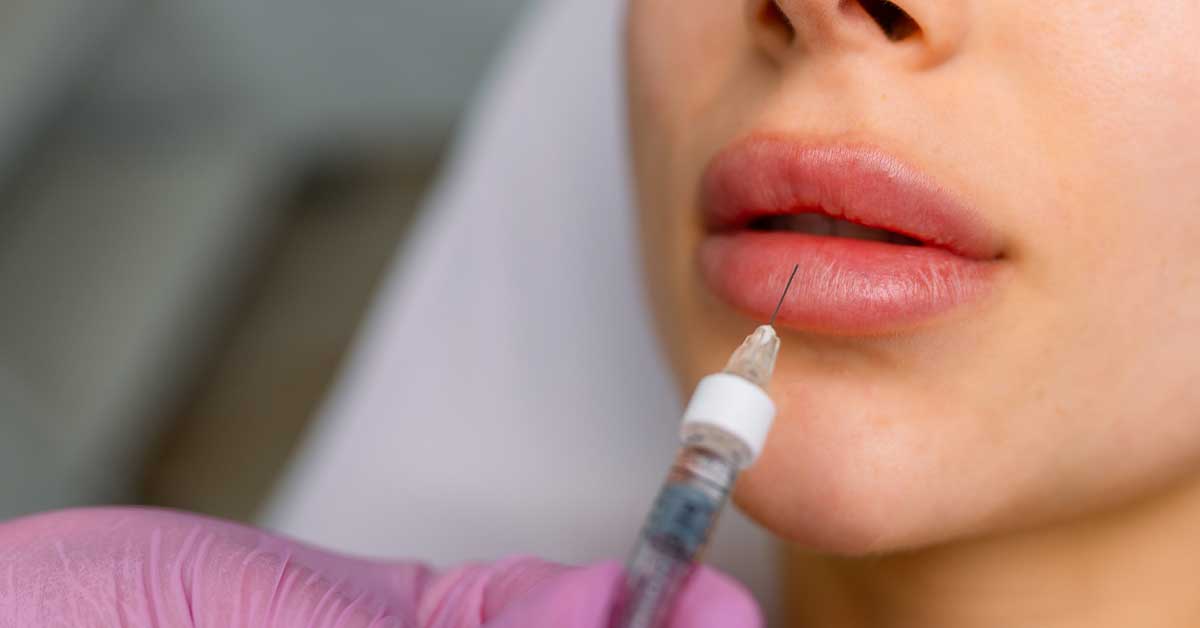
The first 48 hours after lip filler treatment are the most critical period in determining the outcome. Swelling, sensitivity, and mild bruising are considered normal. Care recommendations both enhance comfort and reduce the risk of uneven swelling.
- First 24 hours:
- Do not press on or rub the lips.
- Avoid very hot showers, saunas, and Turkish baths.
- Cold compresses:
- Can be applied at short intervals, ensuring they do not come into direct contact with the skin.
- Makeup and lipstick:
- Not recommended for the first 24 hours.
- Exercise and strenuous activity:
- Take a break for the first 24–48 hours.
- Alcohol and excessive salt:
- Limit consumption for the first 24 hours, as they may increase swelling.
- Those with a history of cold sores:
- A preventive approach can be planned following the consultation.
Lip Filler: Benefits It Offers
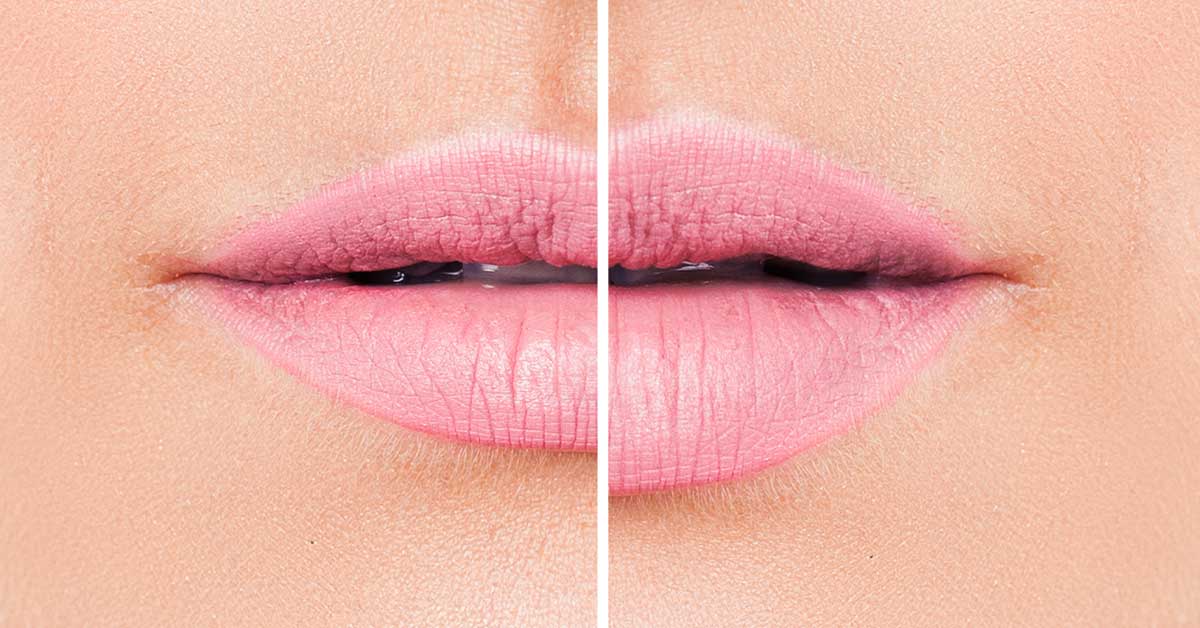
Lip filler, when performed with the correct indication, softens facial expressions, balances proportions, and makes the lip tissue appear healthier.
- More balanced facial proportions:
- The proportions of the lips, chin, and nose appear more harmonious.
- Enhanced contour definition:
- The lip line becomes more defined, providing a more “well-groomed” appearance.
- Improved asymmetry:
- Symmetry is enhanced through millimeter-precise adjustments.
- Moisturized and vibrant tissue:
- Hyaluronic acid retains water, potentially reducing lip dryness.
- Short recovery period:
- Most people can return to their social lives the same day.
Lip Filler: Potential Risks
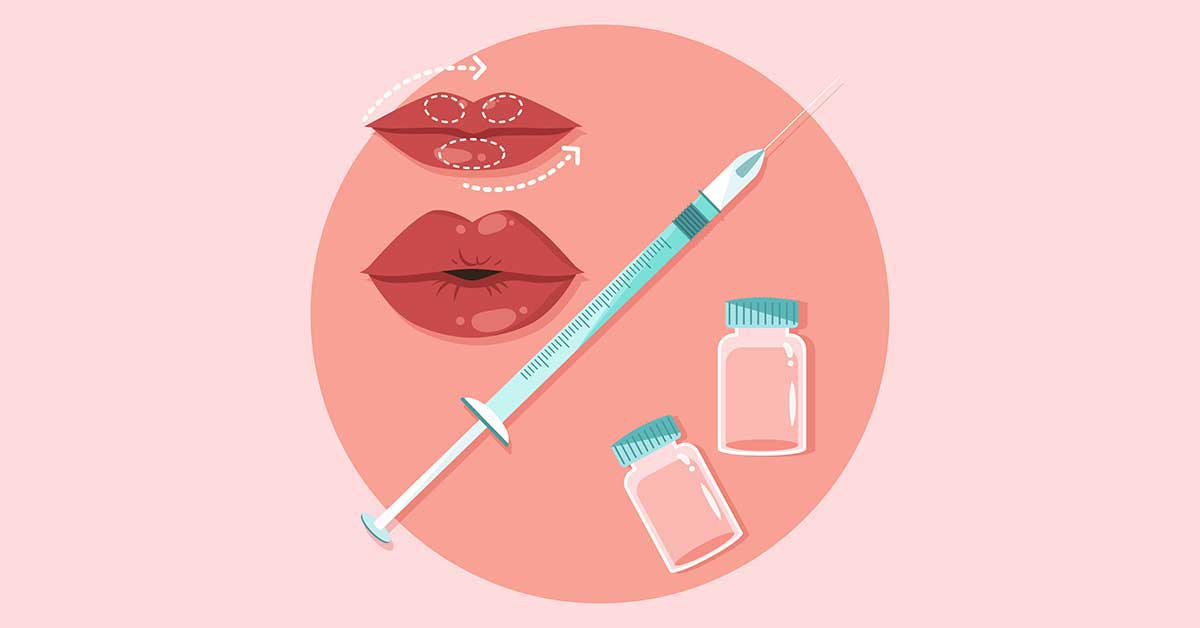
Lip filler is a medical procedure. Risks are reduced with the appropriate product and proper technique; however, they are not completely eliminated. Therefore, the procedure must be performed under sterile conditions by a physician with expertise in anatomy.
- Swelling and bruising:
- The most common temporary side effect. It usually subsides within a few days.
- Sensitivity and tightness:
- Normal in the first few days.
- Irregular swelling or small nodules:
- May occur during the swelling phase; most resolve on their own.
- Infection:
- The risk increases if sterility is not maintained.
- Risk of intravascular injection:
- Rare but the most critical risk. Therefore, proper technique, correct depth, and careful administration are essential.
- Allergic reaction:
- Rare with hyaluronic acid; however, the patient’s history is always reviewed.
Lip Fillers in Turkey
Turkey is a leading center in the field of medical aesthetics, boasting both experienced physicians and robust clinical infrastructure. The lip filler procedure can achieve high patient satisfaction when evaluated in conjunction with the selection of the right clinic, the reliability of the product used, and sterile application conditions.
- Accessible scheduling: Appointments and procedures can be arranged quickly.
- Extensive technical expertise: Customized planning is available to suit different facial types in lip aesthetics.
- Medical tourism advantage: The process is made easier with accommodation and transfer packages.
The Lip Filler Process at Niva Aesthetic

Niva Aesthetic focuses on managing the lip filler process within a single plan for patients coming from abroad. The clinic’s approach is based on comfort, safety, sterile application, and design tailored to facial proportions.
- Pickup and transfer:
- Airport pickup and organized transfers are arranged.
- 5-star hotel accommodation:
- A comfortable stay ensures a more relaxed recovery process.
- Istanbul tours and vacation opportunities:
- With proper planning, exploring the city can complement the aesthetic procedure.
- Infrastructure meeting European standards:
- The clinic is equipped with modern technology and sterilization protocols.
- Experienced medical staff:
- A personalized plan is created with doctors who have years of experience in the field.
- Custom lip design:
- The goal is not a “one-size-fits-all” lip. A natural shape tailored to facial proportions is targeted.
Lip Filler: Day-by-Day Recovery Schedule
The post-procedure process for lip filler is generally quick. Swelling varies from person to person. The schedule below outlines the most common course of events.
- Day 1:
- Swelling begins. The lips may feel tight and sensitive.
- Applying cold compresses provides relief.
- Day 2:
- Swelling may increase in most people. Mild bruising may be visible.
- Day 3:
- The lip shape begins to “settle.” The sensation of firmness decreases.
- Days 4–5:
- If there is bruising, it begins to fade. Swelling decreases significantly.
- Day 7:
- The lips mostly return to their natural appearance.
- Days 10–14:
- The final appearance becomes clear. A follow-up visit is scheduled if necessary.
- Day 1:
Lip Filler - Frequently Asked Questions
Does a lip filler hurt?
The procedure becomes comfortable with topical anesthesia. Most filler products also contain a local anesthetic. Sensitivity varies from person to person.
How long does a lip filler procedure take?
The application typically takes 15–30 minutes. The time spent at the clinic may be longer when including planning and evaluation.
When does the swelling subside after lip filler?
Swelling typically decreases significantly within 3–7 days. The final result usually settles within 10–14 days.
Does lip filler look natural?
A natural appearance is the goal when using the right product and controlled technique. Planning that does not exceed the natural anatomy of the lips is the most critical factor
Does lip filler show up immediately?
In the first few days, the lips may appear fuller due to swelling. As the swelling subsides, the appearance becomes more natural.
How long does the effect of lip filler last?
It typically lasts 6–12 months in most people. Since the lips are highly mobile, the duration varies from person to person.
Can cold sores develop after lip filler?
In individuals with a history of cold sores, they may be triggered. This risk is assessed during the consultation, and a preventive approach can be planned
Does lip filler form lumps?
Irregular swelling may be felt during the swelling period. Most cases are temporary. A follow-up examination is required if there is persistent irregularity.
What should be considered after lip fillers?
For the first 24–48 hours, it is recommended to avoid rubbing the lips, avoid hot environments, refrain from intense physical activity, and limit alcohol and excessive salt intake.