


Liposuction: What Is It? How Is It Done?
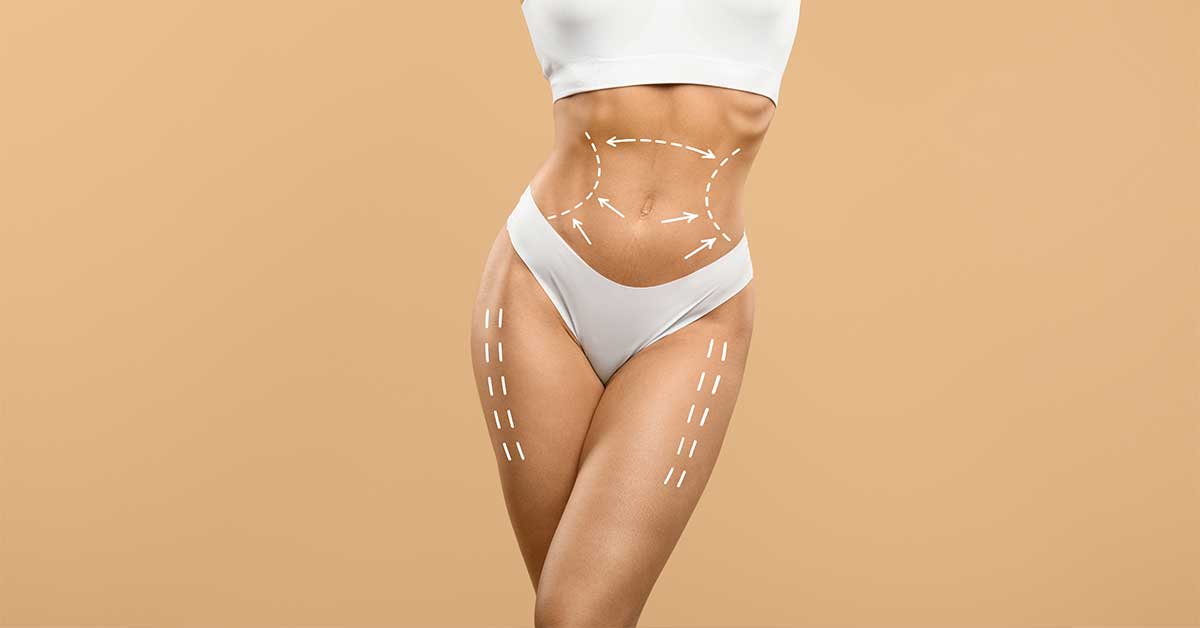
Body fat increases in two different ways: either the number of fat cells increases, or existing cells grow larger. In cases of localized fat deposits, the problem is often “stubborn fat cells.” These fat cells can remain in the same area despite a healthy diet and regular exercise. Liposuction and fat removal aim to improve body contours by reducing fat cells in these resistant areas. The goal here is not to lose weight. The goal is to define the contours. If planned correctly, the results look more natural. If planned incorrectly, the risk of irregularities and asymmetry increases.
Liposuction (Fat Removal): What Is It?
Liposuction (fat removal) involves the controlled removal of subcutaneous fat tissue using thin cannulas. The procedure is a “body contouring surgery.” Not all the fat is removed. The procedure is not performed aggressively enough to disrupt the contour. The goal is to evenly thin the fat layer.
What Changes with Liposuction?
- The number of fat cells decreases: The number of fat cells decreases in the treated area. This makes it difficult for fat to accumulate again at the same density in that area. If weight increases, the remaining cells may enlarge. Therefore, maintaining a stable weight is important.
- Body contours become smoother: Areas with “sharp transitions,” such as the waist-to-hip line, become more naturally contoured. This significantly affects how clothing fits.
- Skin quality determines the outcome: If skin elasticity is good, the surface appears smoother. If elasticity is poor, the skin may remain dimpled even if fat is reduced. This must be anticipated beforehand.
- It does not guarantee weight loss: Changes on the scale are not always noticeable. Measurements and the appearance in the mirror are more accurate indicators.
Liposuction: How Is It Performed?
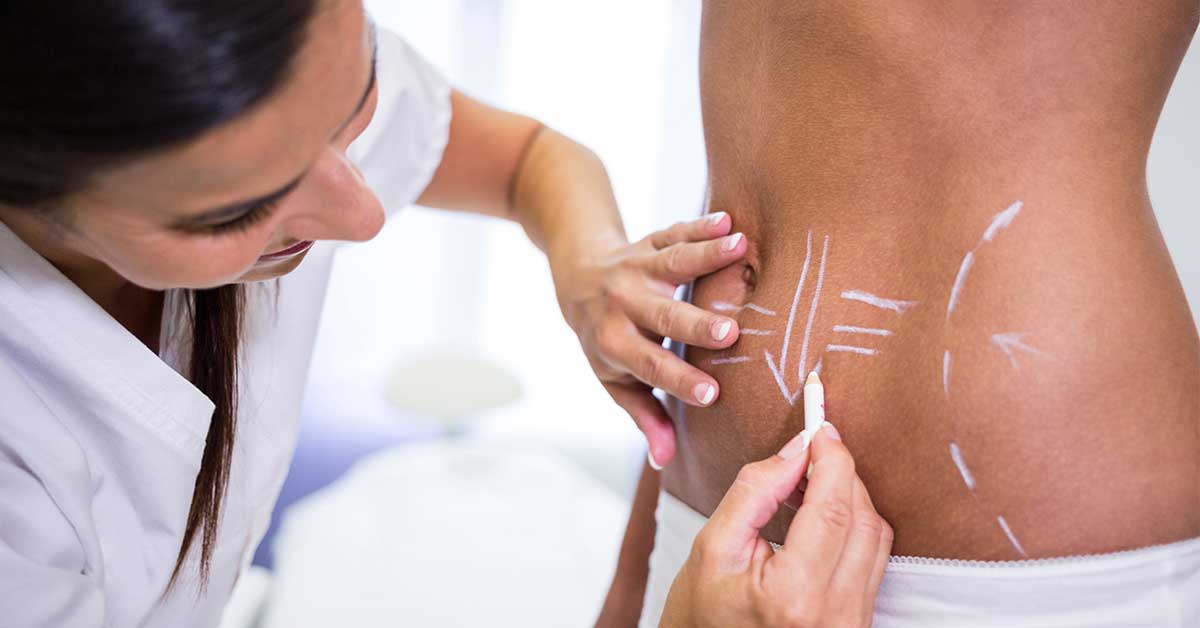
Liposuction planning begins during the consultation. Fat distribution, skin structure, and the patient’s goals are evaluated simultaneously. A fixed approach like “this many liters of fat will be removed” is incorrect. Safe limits and contour goals are determined together.
The procedure steps are as follows:
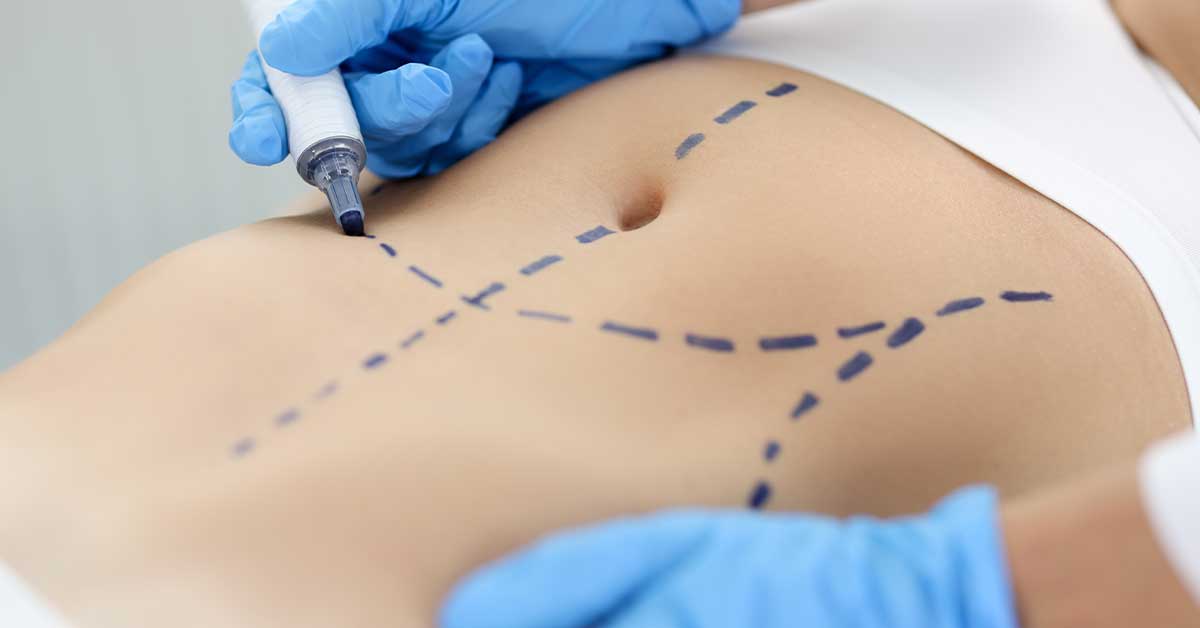
- Marking is done while standing: The boundaries of fat accumulation, symmetry lines, and the target contour are marked before surgery. This step is important because fat distribution changes when the patient lies down.
- Anesthesia is selected: Local anesthesia plus sedation may be planned for small areas. General anesthesia may be preferred for multiple areas or larger procedures. The choice is based on safety and comfort.
- Tumescent fluid is applied: This fluid loosens the fat tissue. It reduces bleeding. It aids in pain control. It also helps the cannula advance more controllably.
- Controlled aspiration is performed with the cannula: The cannula is advanced to create “fan-shaped” tunnels within the fat layer. The goal is uniform thinning at the same depth. This reduces the risk of dimpling.
- Contour control is performed: Symmetry between the right and left sides is checked. The smoothness of transitions is evaluated. Fine touch-ups are made as needed.
- A compression garment is applied: The garment is essential for managing swelling. It supports the skin’s adaptation to the new contour.
Liposuction: Which Areas Are Treated?
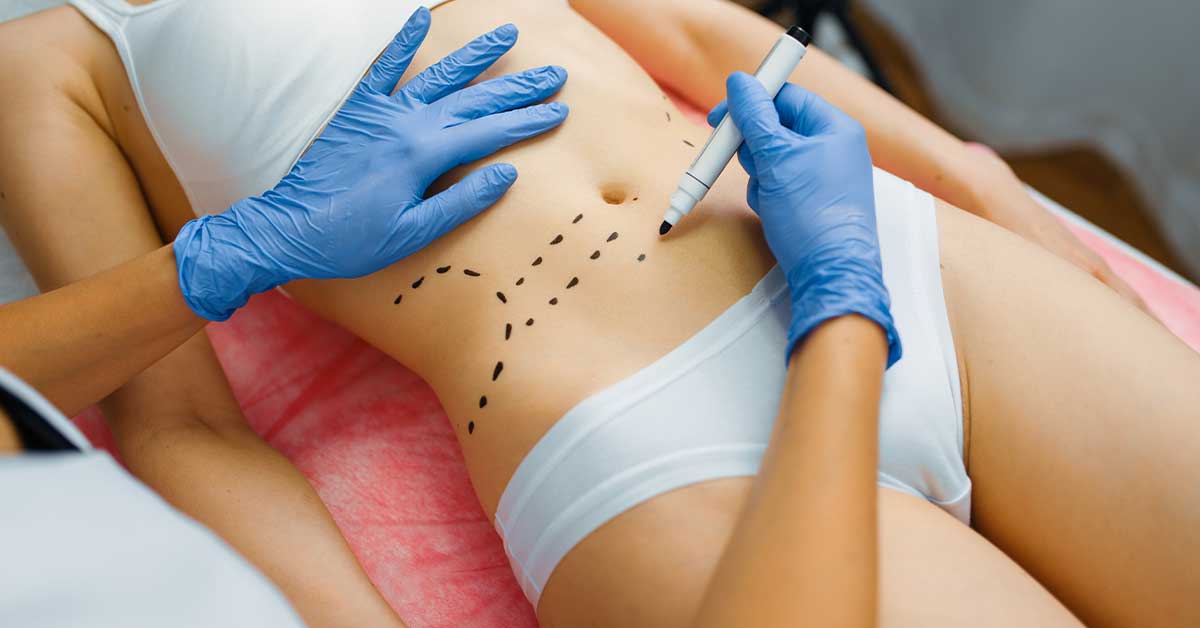
Liposuction is most commonly performed on areas with “stubborn” fat deposits. Area selection is not random. Skin elasticity and fat depth are key factors.
Common treatment areas:
- Abdomen: The upper and lower abdomen may behave differently. Looseness is more common in the lower abdomen. Therefore, not only fat but also skin quality is evaluated.
- Waist and flanks (side waist): This is one of the areas that changes the body silhouette most rapidly. If the waist contour and side transitions are done correctly, a “more toned” appearance is achieved.
- Hips: The outer hip protrusion may be genetic. The goal in this area is not so much to slim the leg as it is to correct the “hip-to-leg transition.”
- Inner thigh: It can provide relief for those with friction-related complaints. However, the risk of irregularities is higher in this area. A delicate and controlled approach is required.
- Arm: If skin elasticity is poor, liposuction alone may not be sufficient. In some patients, a combined plan with an arm lift may be necessary.
- Double chin and jawline: Small volumes are removed. Swelling is more limited. The goal is to sharpen the jawline.
- Back and bra line: It can be effective in reducing folds that are noticeable under clothing.
Liposuction: Who Is a Good Candidate?
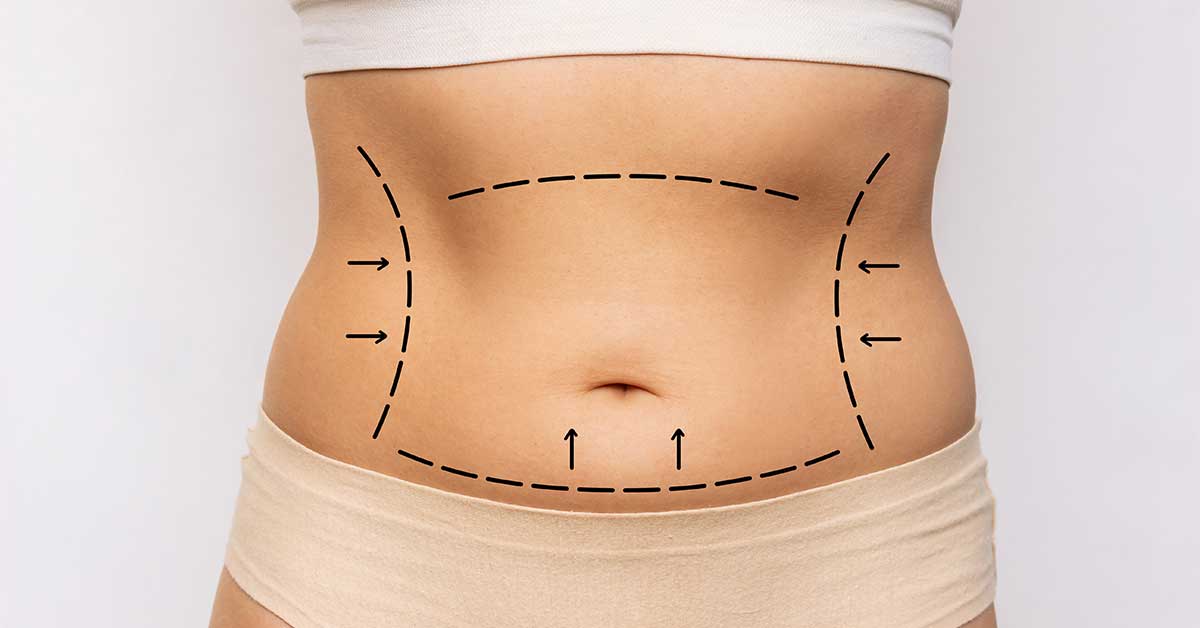
The ideal candidate for Liposuction is someone with realistic expectations and good overall health. The main criterion here is “localized fat deposits.”
Characteristics of a suitable candidate:
- Individuals with stable weight: This is crucial for the longevity of the results. Frequent weight fluctuations can lead to distortion of the contour.
- Those with localized fat deposits: Even if the entire body becomes slimmer through diet, areas like the waist, hips, and lower abdomen may remain. These are the target areas.
- Those with sufficient skin elasticity: If the skin can tighten itself, the surface will be smoother. For those with low elasticity, a different approach is planned.
- Those who can control their smoking: Nicotine disrupts circulation and may prolong healing. Therefore, pre-operative management is required.
Liposuction: Who Should Not Undergo the Procedure?
In some cases, liposuction is not suitable for safety reasons. In other cases, the quality of the results may not meet expectations.
Inappropriate conditions:
- Uncontrolled chronic diseases: High blood pressure, uncontrolled diabetes, and advanced heart or lung diseases increase anesthesia risks. The condition must be brought under control first.
- Severe clotting/bleeding disorders: Both bleeding and clotting risks increase. A detailed evaluation is required.
- Severe skin laxity: Even if fat is removed, the skin may remain saggy. In this case, liposuction alone is not a solution.
- Individuals with a goal of significant weight loss: Liposuction is not a treatment for obesity. Weight management should be the priority.
- Pregnancy and breastfeeding: Hormones and body composition are variable. This is not an appropriate time for surgical planning.
Liposuction: The Benefits It Offers
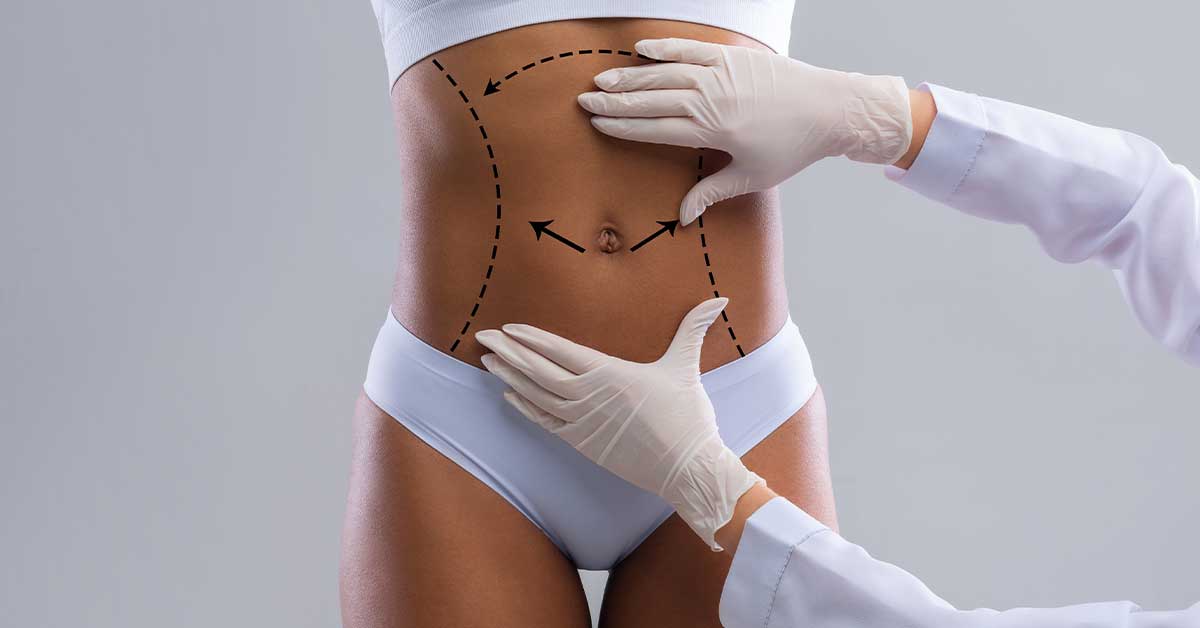
When performed with the correct indication, liposuction makes a noticeable difference. The benefit is not just about slimming down; proportion and the quality of transitions are also central to the procedure.
Benefits and their significance:
- Contours appear more defined: The waistline becomes more pronounced. The sides of the abdomen appear smoother. This is immediately noticeable in photos and when wearing clothes.
- Body proportions improve: Instead of simply reducing one area, the goal is “overall balance.” This approach yields more natural results.
- Targets stubborn fat areas: Fat that doesn’t melt away with exercise can undermine a person’s motivation. Liposuction can be effective in these areas.
- Clothing selection becomes easier: Especially for those with an imbalance between the waist and hips, clothing fits better.
- Long-term results are possible: If weight is maintained, the results last longer. Lifestyle plays a key role here.
Liposuction: Potential Risks
Understanding the risks is essential for making an informed decision. Risks should not be presented as “something that happens to everyone.” They vary from person to person. A precautionary plan helps minimize risks.
Potential risks:
- Swelling and bruising: These increase in the first few days and then subside. They are managed through the use of a compression garment and proper movement protocols.
- Seroma (fluid accumulation): This can occur in large areas. Drainage may be required during follow-up.
- Irregularities and dimpling: These are related to uneven fat removal or poor skin quality. This risk is minimized by working in the correct tissue layer.
- Infection: Rare but serious. Sterile conditions, proper wound care, and early warning signs are crucial.
- Blood Clot (DVT/PE) Risk: Increases with prolonged surgery, immobility, and certain personal risk factors. Early ambulation and preventive treatment are planned as needed.
- Temporary Numbness: May include tingling or numbness. Typically resolves over time.
Liposuction (Fat Removal): Types and Methods
The choice of technique is not based on “which device is more popular.” It is determined by tissue type and the target area.
Methods and practical applications:
- Classic (vacuum-assisted) Liposuction:** Fat is removed using negative pressure. It is a reliable and widely used method. Surgical technique is key for achieving a homogeneous result.
- Tumescent Liposuction:** The fat tissue is prepared using tumescent fluid. This reduces bleeding and makes pain management easier.
- Power-assisted (vibration-assisted): The cannula’s vibration can help facilitate a more controlled and less traumatic procedure. It may offer advantages, particularly in fibrotic areas.
- Ultrasound-assisted (such as VASER): It can facilitate aspiration by selectively breaking down fat. More defined contours may be targeted in certain areas.
- Laser-assisted: It may be planned in some cases to support skin tightening. However, there is no guarantee of “tightening” in every patient.
Liposuction: Preoperative Preparation
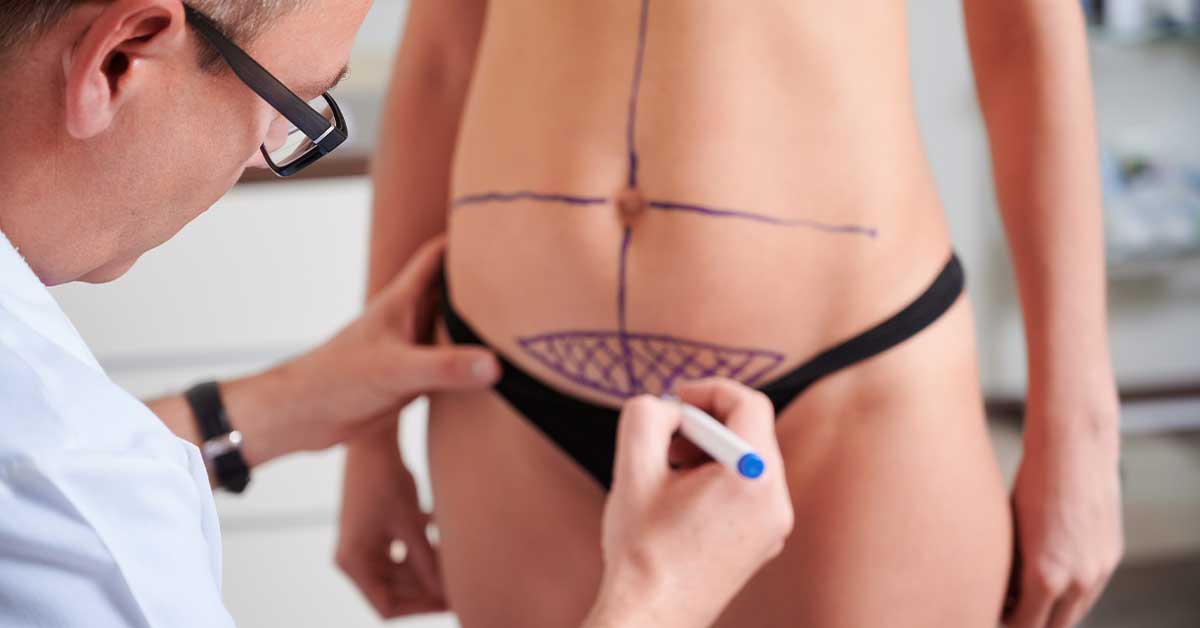
Proper preparation reduces the risk of complications. It accelerates healing. It enhances the quality of the outcome.
Preparation steps:
- Blood tests and evaluations are conducted: Hemoglobin, clotting values, and general health parameters are checked.
- Medications and supplements are adjusted: Medications that increase the risk of bleeding and certain herbal products may be discontinued. This decision is made according to the doctor’s plan.
- Smoking/nicotine is quit: Nicotine constricts blood vessels and impairs tissue healing. A quit plan is essential.
- A dietary plan is established: Protein intake supports post-surgery tissue repair. Excessive salt can increase swelling.
- A compression garment and home setup are prepared: The compression garment must be the correct size. For the first few days at home, comfortable clothing, pillow support, and a short walking area are planned.
Liposuction: Post-Surgery Care
Care may seem simple but directly affects the outcome. Even improper use of the compression garment can compromise contour quality.
Key points of care:
- The compression garment is used regularly: It is worn continuously for the first few days. The duration is then reduced according to the doctor’s plan. The compression garment reduces swelling and supports the skin’s adaptation to the new shape.
- Early walking is encouraged: Lying in bed for extended periods is not advisable. Short, frequent walks improve circulation and reduce the risk of blood clots.
- Fluid and protein intake is maintained: Adequate water and protein contribute to fluid retention management and healing.
- The massage/lymphatic drainage plan is personalized: The same massage is not recommended for everyone. Massage performed at the wrong time can increase swelling. Proper timing is crucial.
- Warning signs are monitored: Symptoms such as increasing redness, foul odor, high fever, or sudden shortness of breath require immediate evaluation.
The Liposuction Process in Turkey
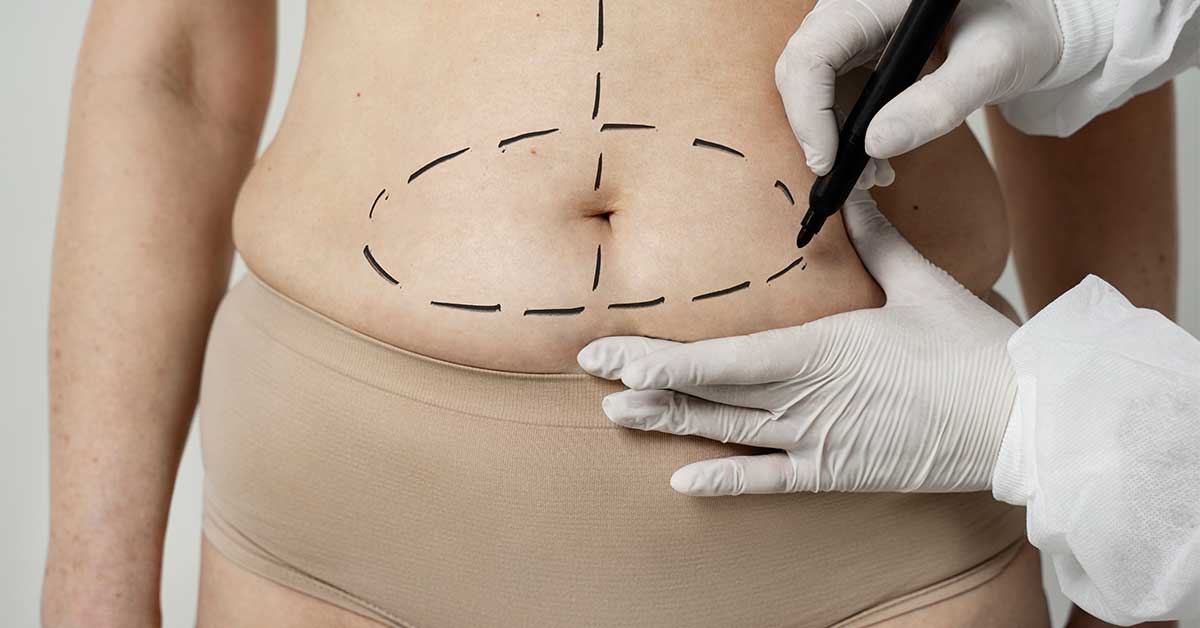
In Turkey, the liposuction process can be made more systematic through medical tourism organizations. The critical point here is not just planning for the day of surgery, but also for the follow-up days.
The process generally proceeds as follows:
- Initial consultation and planning: A preliminary plan is drawn up using photos and measurements. The final decision is made during the examination.
- Examination and final plan: The area, technique, anesthesia, compression garment, and follow-up schedule are determined.
- Surgery and initial follow-up: Discharge on the same day or a short hospital stay may be planned. Swelling management begins in the first few days.
- Follow-ups and travel plans are arranged: Safety is prioritized with flight timing, walking recommendations, and a compression garment plan.
- Remote follow-up continues: Recovery monitoring continues with post-return photos and a follow-up plan.
Advantages of Having Liposuction at Niva Aesthetic
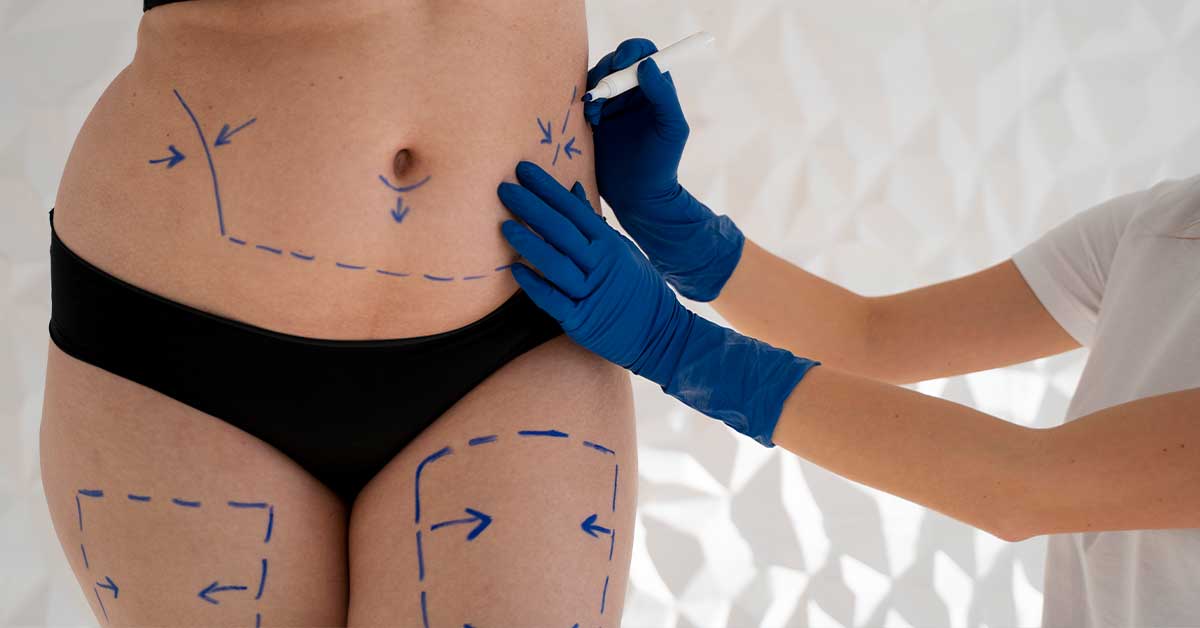
At Niva Aesthetic, the liposuction and fat removal process is not limited to the surgery alone. Safety, comfort, and follow-up are managed as integral parts of the same package. Modern clinical infrastructure, coordination, and patient experience enhance the process.
Key advantages:
- Modern and comfortable clinic design: The clinic environment is arranged to enhance patient comfort. The sterilization process is the foundation of surgical safety. Technological equipment enables more controlled procedures.
- Reliability and structured process management: Pre-operative evaluation, risk analysis, and personalized planning are carried out with precision. Contour goals are quantified through measurements. The follow-up plan is not left as a “general recommendation.”
- Medical tourism organization: Steps such as airport pickup and transfers provide significant convenience during the post-operative recovery period. With 5-star hotel accommodation options, the recovery process becomes more organized.
- Vacation and tour opportunities: During the appropriate recovery period, light-paced city tours can be planned. This is organized with health safety in mind. Excessive walking and early-stage activities are avoided.
- Coordination from a single center: Examination, surgery, compression garment use, and follow-up steps are carried out in a unified system. This makes the process more predictable, especially for patients coming from abroad.
Liposuction: Day-by-Day Recovery Schedule
The recovery timeline varies by individual. The amount of fat removed, the treated area, and skin quality are key factors. The plan below outlines the typical course of events following Liposuction.
- Day 1: It is normal to experience some fluid leakage. This is related to the drainage of tumescent fluid. You may feel tightness. The compression garment must be worn continuously. Short walks can begin.
- Day 2: Swelling increases. The area may appear “more swollen.” This is an expected part of the early recovery phase. Pain generally increases with movement. Regular pain management is important.
- Day 3: Bruising may become more noticeable. Hardness under the skin may begin to develop. This hardness is a normal sign of the healing process.
- Days 4–5: Movement becomes more comfortable. Swelling fluctuates throughout the day. It may appear more swollen in the evening. The compression garment fits well.
- Days 6–7: Most daily activities can be performed. Sitting or standing for long periods can increase swelling. Therefore, taking intermittent walks is important.
- Days 8–10: The contour appears more “defined” for the first time. However, swelling is still present. Early results should not be evaluated during this period.
- Days 11–14: Bruising decreases. Subcutaneous firmness may persist. If deemed appropriate during follow-up, a lymphatic drainage plan may be implemented.
- Week 3: Swelling begins to decrease significantly. The duration of compression garment use may be adjusted based on the individual.
- Weeks 4–6: Tissue softening begins. The contour becomes more defined. Light exercise is typically planned for most patients during this period.
- Months 2–3: The majority of the final result becomes visible. Skin adaptation continues.
- 6th Month: The contour approaches its final form. Tissue quality becomes more clearly assessable.
Liposuction - Frequently Asked Questions
Does liposuction (fat removal) help with weight loss?
Liposuction is not a weight loss method. It primarily results in changes in measurements and contour rather than weight loss.
Is Liposuction (Fat Removal) permanent?
In the area where Fat Removal is performed, the number of fat cells decreases. If weight increases, the remaining cells may enlarge.
When do the results of Liposuction (Fat Removal) become apparent?
The first changes after Liposuction (Fat Removal) are visible within 2–3 weeks. A clearer result generally emerges within 6–12 weeks.
How many areas can be treated simultaneously with Liposuction (Fat Removal)?
Liposuction is planned based on the number of areas, safe volume, and surgery duration. The goal is to correct contours without increasing risk.
Is Liposuction (Fat Removal) painful?
Fat Removal causes tightness and sensitivity afterward. Pain is usually managed with a scheduled medication regimen.
How long do bruises last after liposuction?
B After liposuctionB , bruises usually subside within 2–3 weeks. The duration may vary depending on skin tone and the treated area.
When does swelling subside after liposuction?
Swelling after liposuction increases during the first week and then gradually subsides. Full resolution may take up to 6 weeks.
How long should a compression garment be worn after liposuction?
The duration of compression garment use after liposuction varies by individual. Regular use is generally required during the first few weeks.
When can you return to work after liposuction?
Liposuction allows most people to return to desk jobs within 5–10 days. The recovery time is longer for physically demanding jobs.
When can I exercise after liposuction?
Liposuction allows for early walking. Intensive exercise is generally postponed for a few weeks; a personalized plan is created.
Does liposuction leave scars?
Liposuction involves small entry points. With proper care, these typically fade in most people.
Does liposuction cause skin sagging?
If skin elasticity is poor after Liposuction, the risk of sagging increases. This should be assessed during the consultation.
Does liposuction eliminate cellulite?
Liposuction does not eliminate all causes of cellulite. It may improve the appearance in certain areas.
Can the fat removed during liposuction be used elsewhere?
Liposuction-removed fat can be used for fat grafting under appropriate conditions. This is planned if the quality of the fat and the target area are suitable.
Is firmness and a lump-like sensation normal after liposuction?
After liposuction, firmness and a lump-like sensation may be felt under the skin. In most cases, this softens within weeks and is monitored during follow-up.