


Eyelid Surgery: What Is It? How Is It Performed?
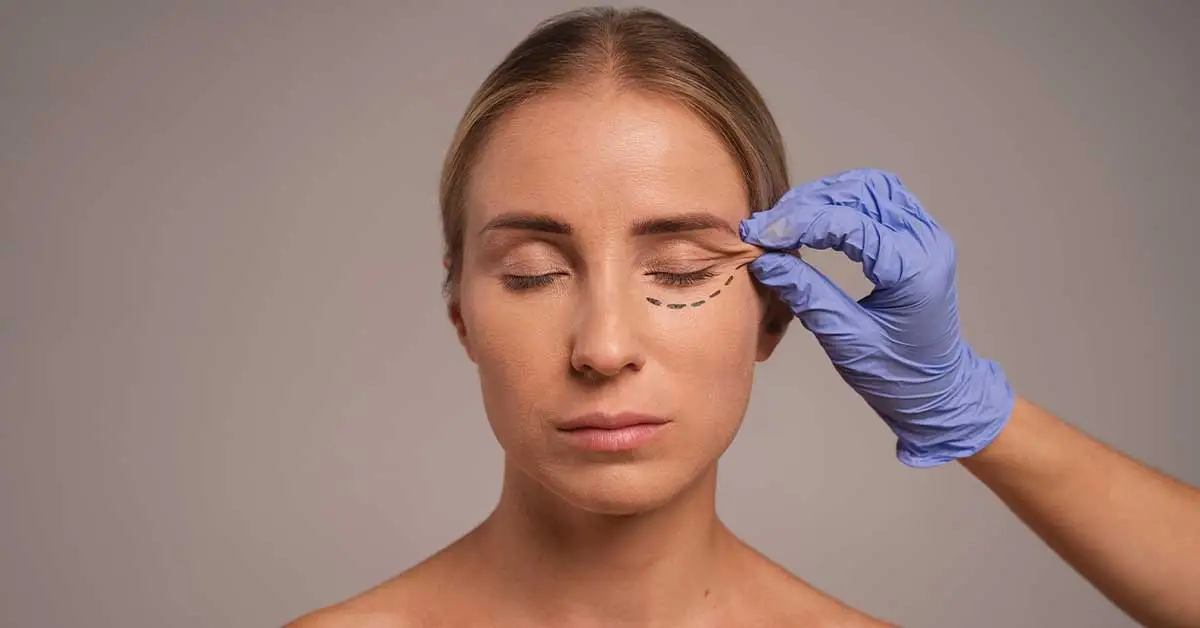
Eyelid surgery is a surgical procedure aimed at correcting excess skin, loose muscle tissue, and herniated fat pads in the upper and/or lower eyelids. The goal is not merely to achieve a “more youthful appearance.” Complaints such as drooping eyelids that narrow the field of vision, a sensation of heaviness, and a tired look can also be treated. Planning is tailored to the individual, as eyelid anatomy requires precision down to the millimeter.
This content details the most commonly performed approaches—including eyelid aesthetics and almond-shaped eye surgery—as well as patient selection, surgical technique, and the recovery process.
What Is Upper Eyelid Surgery?
Over time, the skin on the upper eyelid loosens. Muscle tissue weakens. Fat tissue may protrude forward. This leads to a heavy-eyed appearance and makes the eye area look aged. In some individuals, excess skin may also restrict the field of vision.
The goal of upper eyelid surgery is to remove excess tissue while preserving the natural eyelid crease and to achieve a more refreshed appearance without compromising the eyelid’s opening and closing function.
- Excess skin is measured and planned. It is not removed in excess. This can increase the risk of dry eye.
- Fat tissue is not “completely removed.” If necessary, it is thinned or repositioned.
- The incision is hidden within the eyelid crease. Once healing is complete, the scar becomes barely noticeable in most people.
What Is Almond Eye Surgery?
Almond eye surgery is the general term for surgical approaches aimed at lifting the outer corner of the eye to a higher and more defined line. Although the procedure is described as a single operation, the choice of technique varies by patient. In some patients, the “primary need” is to support the outer part of the eyebrow. In others, stabilization of the outer canthus is required.
The goal is not to create a “slanted and artificial” appearance. In the right candidate, the objective is to correct the drooping of the outer corner of the eye, make the gaze appear more lively, and enhance symmetry.
- The outer corner of the eye is supported. The tissue is secured to a safe anchor point.
- The direction of the lift is controlled. Excessive lifting is not planned.
- If the patient’s eye structure is suitable, it can be combined with an upper eyelid procedure.
Why Is Eyelid Surgery Performed?

Eyelid surgery is not merely an aesthetic request. Functional issues are also a significant reason. Especially as sagging in the upper eyelid increases, the eyes tire more quickly.
The most common reasons are as follows:
- Narrowing of the visual field
- The upper eyelid skin may droop like a curtain, especially on the outer side.
- The person unconsciously raises their eyebrows to try to see better. This can also increase forehead headaches.
- Tired and frowning expression
- The eyelid crease disappears.
- Makeup lines do not sit properly, and shadow spreads.
- Drooping of the outer corner
- As the outer corner of the eye drops, the facial expression may appear sad.
- In this case, planning for eyelid surgery may be considered.
Eyelid Aesthetics: Who Is a Candidate?

Suitable candidates for eyelid aesthetics are those with realistic expectations and whose eye area anatomy is suitable for surgery. Age alone is not a determining factor. In some individuals, eyelid drooping occurs early due to genetic factors.
Suitable candidate profile:
- Those with noticeable excess skin on the upper eyelid
- The eyelid crease disappears.
- The eye appears smaller.
- Those with fat herniation around the eyes
- A “puffy eyelid” appearance develops.
- This may be particularly noticeable in the morning.
- Those with drooping outer corners who desire a more vibrant gaze
- With proper evaluation, almond-shaped eye surgery options can be planned.
- Those in good general health
- Those who can adhere to post-operative care instructions.
Eyelid Aesthetics: Who Is Not a Candidate?
Not every eyelid complaint can be resolved with surgery. In some cases, an evaluation by an ophthalmologist is required first. For some individuals, surgery may not be appropriate based on the risk-benefit balance.
Conditions that are not suitable for eyelid aesthetics or require stabilization first:
- Suspected uncontrolled thyroid eye disease
- The eyes may protrude noticeably.
- Dryness and irritation may increase.
- Severe dry eye and eyelid closure issues
- Dryness may worsen after surgery.
- Active infection or active dermatitis around the eye
- Healing may be impaired.
- Bleeding disorder or uncontrolled systemic disease
- Bruising, hematoma, and healing complications increase.
- Unrealistic expectations
- A request for “completely different-looking eyes” is not a sound plan.
Eyelid Surgery: How Is It Performed?
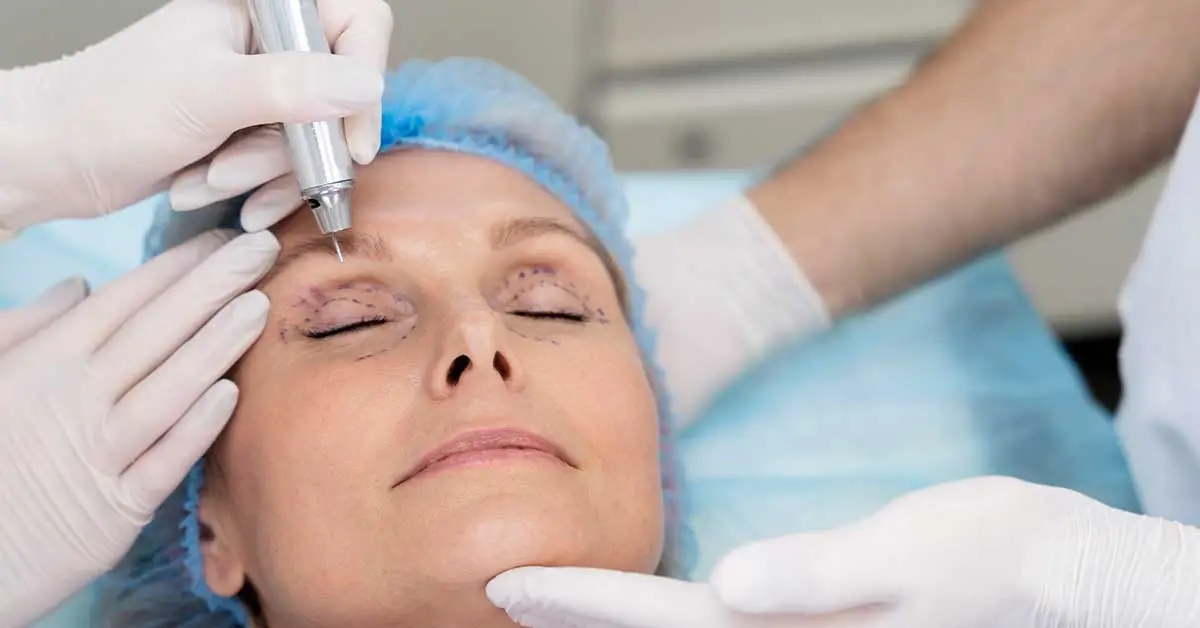
Eyelid surgery requires millimeter-precise planning. The safety and natural results of the procedure depend on the correct application of technical details.
1) Anesthesia
Anesthesia selection is planned according to the procedure to be performed and any combined procedures.
- Local anesthesia + sedation
- Frequently preferred for upper eyelid procedures.
- The patient is in a state of near-sleep comfort.
- General anesthesia
- It may be preferred for longer combined procedures or when patient comfort is prioritized.
2) Incision Plan
The incision site is determined based on the “scar concealment” principle.
- On the upper lid, the incision is placed along the natural crease of the lid.
- This line is unique to each individual.
- Both sides are measured separately for symmetry.
- In the almond-shaped eye approach, the incision can be concealed within the natural lines near the outer corner.
- The goal is to leave no visible scar and maintain tissue stability.
3) Tissue Procedures
This is the section that makes the real difference. Because volume balance around the eyes is very important.
- Skin adjustment
- Excess tissue is removed.
- No aggressive removal is performed to the extent that it would disrupt eyelid closure.
- Muscle Tissue Assessment
- Loose areas can be supported.
- In some cases, muscle tension is rebalanced.
- Fat Tissue Management
- The “removal” approach is not suitable for every patient.
- In most patients, thinning or repositioning the fat is more natural.
- Outer canthus support (almond-shaped eyes)
- Almond-shaped eye surgery If planned, the outer canthus is secured to a safe and stable point.
- The traction vector is selected with care. Excessive upward traction creates an unnatural appearance.
4) Closure
Closure directly affects scar quality.
- Fine, skin-friendly suture material is selected.
- The suture line is not left taut.
- Symmetry along the incision line is checked again.
Eyelid Surgery: Preoperative Preparation
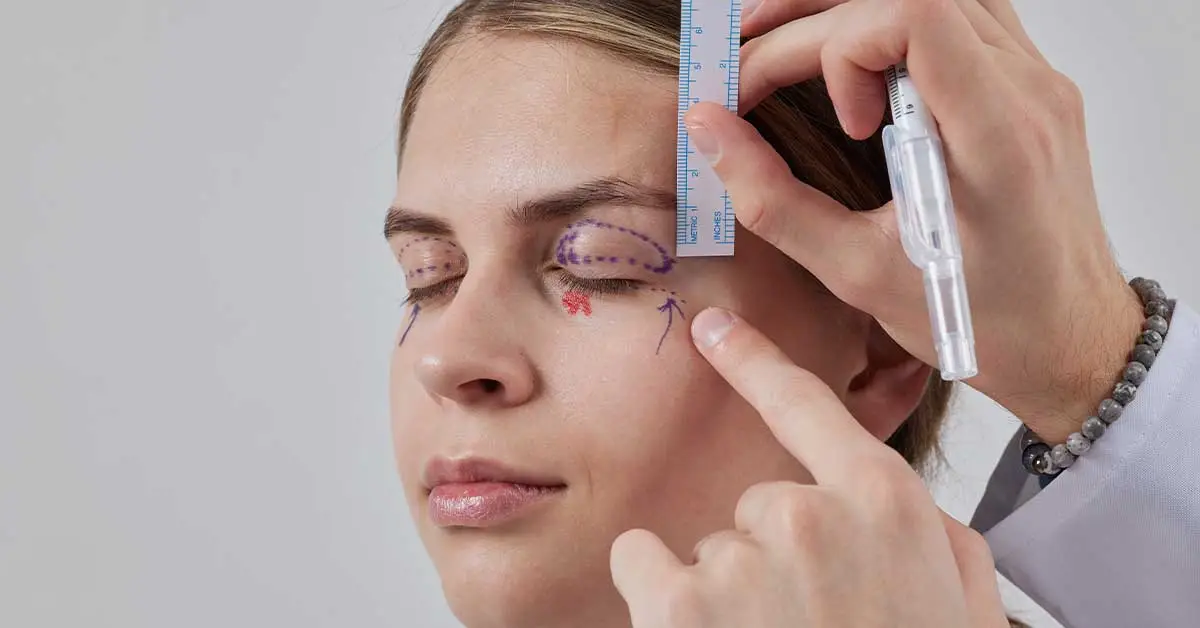
The preparation process for a successful eyelid surgery is just as important as the operation itself. This is because the area around the eyes is prone to bruising and swelling.
Preoperative preparation guide:
- Medication and supplement assessment
- Blood thinners, certain pain relievers, and herbal products can increase the risk of bleeding.
- All products used must be reported to the doctor.
- Smoking and nicotine
- Reduces blood flow.
- Slows healing and may reduce scar quality.
- Eye examination and dry eye assessment
- If dryness is present, stabilizing it is planned first.
- Photography and measurement planning
- Eyelid crease, eyebrow position, and differences between both sides are documented.
- Preparation for the day of surgery
- No makeup is allowed.
- No contact lenses are allowed.
- A companion is arranged for the return home.
Eyelid Surgery: Postoperative Care
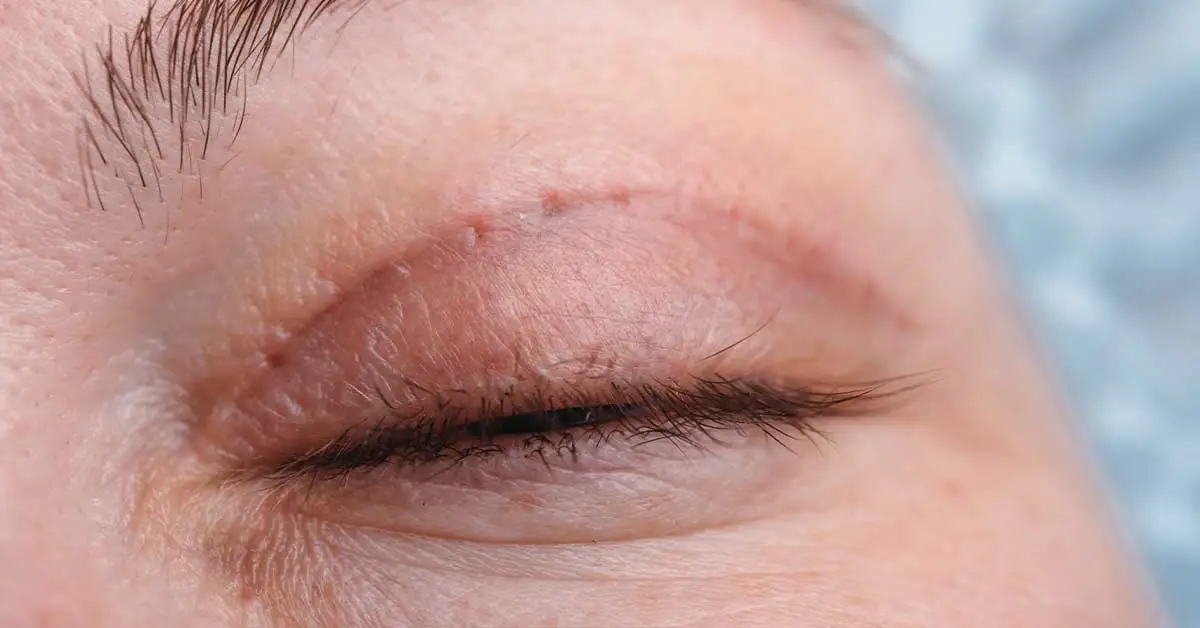
Swelling and bruising are expected in the first few days following eyelid aesthetics. This process progresses more smoothly with proper care. The goal of care is to reduce swelling, protect the tissue, and optimize scar healing.
Detailed care guide:
- Cold compresses for the first 48 hours
- Applied at regular intervals.
- Direct contact with ice is avoided. A thin cloth is placed between the skin and the ice.
- Head Position
- Keep your head elevated during the first few days.
- Using two pillows for support while lying down helps reduce swelling.
- Eye Hygiene
- Keep the incision site clean and dry.
- Use the prescribed ointment or eye drops regularly.
- Managing Bruising and Swelling
- The color of the bruising may change day by day. This is normal.
- A feeling of “asymmetry” is common during the first week. Swelling does not distribute evenly.
- Screen time, reading, and eye strain
- Should be done in short intervals during the first few days.
- If dryness increases, artificial tears may be used as recommended by the doctor.
- Bathing and sun exposure
- A lukewarm shower is preferred.
- Direct sunlight can darken the scar color. Sun protection is important.
- Removal of Stitches
- The timing varies depending on the technique.
- A scar care plan is provided after the stitches are removed.
Symptoms requiring immediate evaluation:
- Sudden and severe pain on one side
- Significant decrease in vision
- Rapidly increasing swelling or excessive bleeding
- In these cases, contact the clinic immediately.
Eyelid Surgery: Benefits
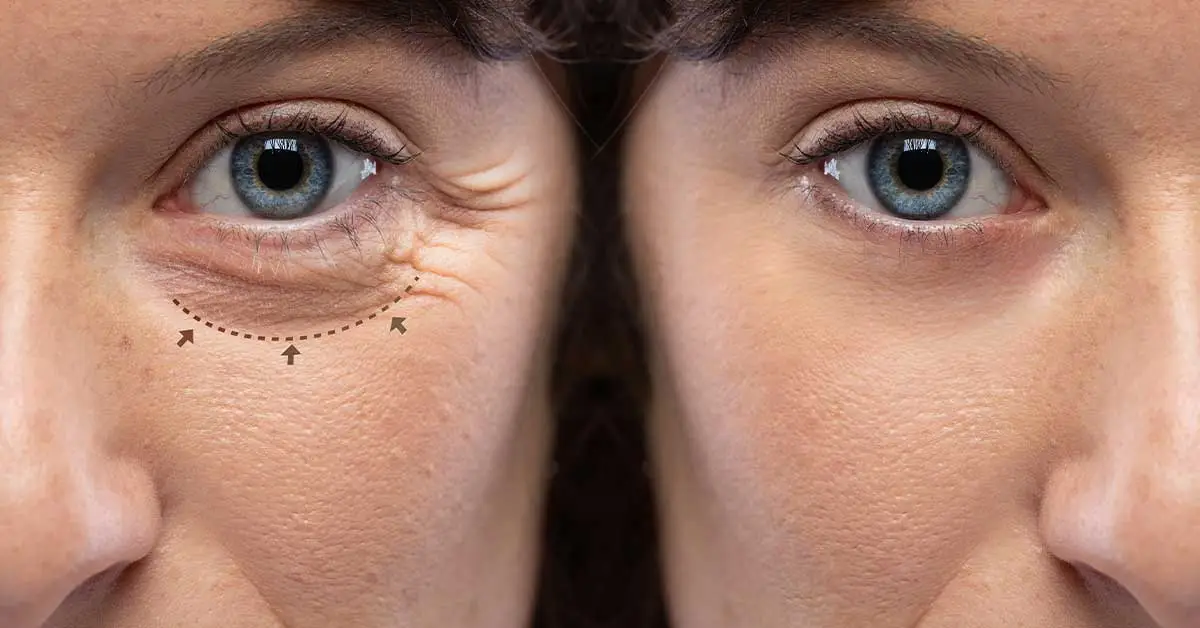
In the right candidate, eyelid surgery rejuvenates the eye area. The gaze appears more open and refreshed. It also provides functional relief.
Benefits:
- A clearer and more vibrant gaze
- The eyelid crease becomes more defined.
- The eye appears more open.
- Makeup and daily comfort
- The eyeliner sits more smoothly.
- The sensation of eye fatigue may decrease.
- Relief in the visual field
- If the upper eyelid skin creates a “curtain effect,” it provides significant relief.
- Improvement in drooping outer corners
- In suitable patients, almond eye surgery results in a more vibrant expression.
Eyelid Surgery: Potential Risks
As with any surgical procedure, there are risks associated with eyelid aesthetics and almond eye surgery. Most risks can be minimized with proper planning and care.
Potential risks:
- Prolonged swelling and bruising
- In some individuals, this may remain noticeable for 2–3 weeks.
- Asymmetry
- Common in the first few weeks due to swelling.
- Permanent asymmetry is rare but may require evaluation.
- Increased dry eye
- May become more noticeable, especially in those who use screens extensively.
- Scarring issues
- Genetic predisposition, smoking, and sun exposure can affect scar quality.
- Infection and bleeding
- Rare.
- Adhering to instructions reduces the risk.
- Stability issues at the outer corner (almond-shaped eyes)
- The need for support increases if tissue quality is poor.
- Therefore, patient selection is critical.
Eyelid Surgery in Turkey
Turkey stands out for its experienced teams in facial aesthetics and periorbital surgery. Istanbul, in particular, is a strong hub for medical tourism due to both its surgical infrastructure and accommodation options.
Key aspects of the process in Turkey:
- Experienced surgical teams and high case volume
- Modern clinical infrastructure and technological equipment
- Ease of travel and package options
- The ability to plan for a comfortable stay within the city during the recovery period
The Eyelid Surgery Process at Niva Aesthetic
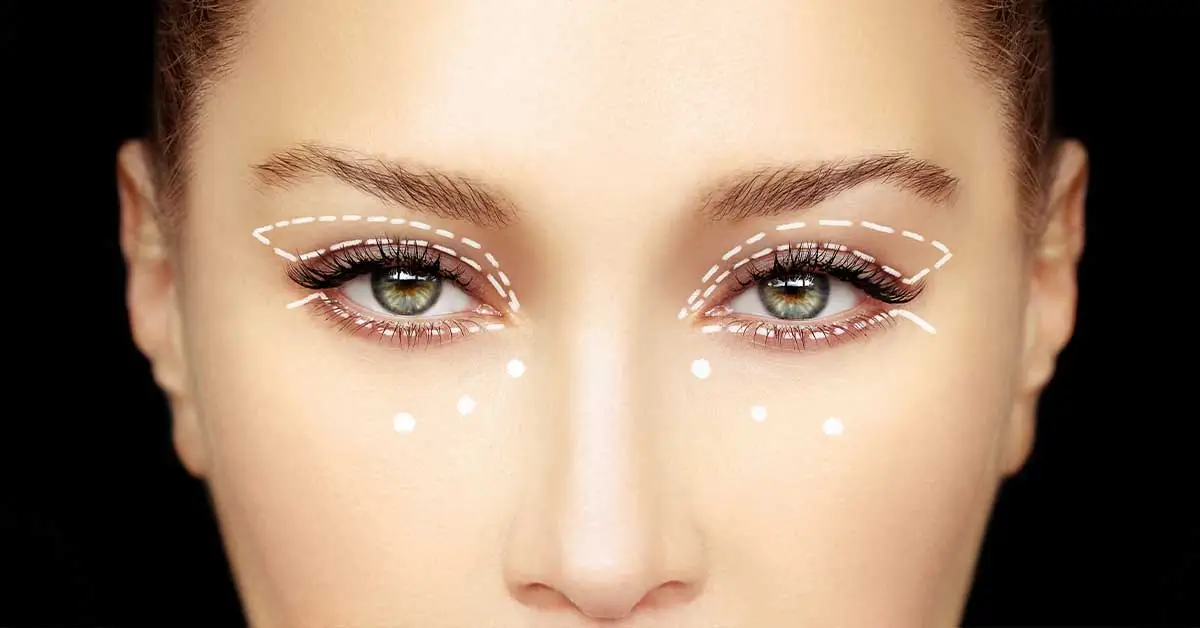
Niva Aesthetic transforms the eyelid surgery process for international patients into a “fully planned” experience from start to finish. The goal is not merely the operation itself. It is to holistically address the patient’s comfort, safety, and overall process management.
Key advantages offered by Niva Aesthetic:
- Airport pickup and transfer arrangements
- A safe transfer to the hotel is ensured without dealing with post-flight fatigue.
- Clinic–hotel–follow-up appointments are scheduled with transfers.
- 5-star hotel accommodation options
- The quality of rest in the first few days directly impacts recovery.
- A comfortable accommodation plan simplifies the process.
- Package options including Istanbul tours and “vacation opportunities”
- City experiences can be planned in harmony with follow-up appointments.
- Transforms medical tourism into not just treatment, but an enjoyable journey.
- Technology and clinical equipment compliant with European standards
- Sterilization, patient safety, and surgical comfort are prioritized.
- The clinic atmosphere is luxurious and comfortable.
- Experienced medical staff
- The process is planned with doctors who have at least 20 years of experience in the field.
- Planning is customized based on eye anatomy and facial proportions.
Thanks to this structure, the eyelid aesthetics process becomes a “step-by-step managed” model that is not taxing for the patient and progresses in a planned manner.
- Airport pickup and transfer arrangements
Eyelid Surgery: Day-by-Day Recovery Schedule
Recovery varies by individual. However, the general course of recovery typically follows a similar pattern.
- Day 1
- Swelling is noticeable.
- You may feel tightness around the eyes.
- Applying cold compresses and keeping your head elevated is important.
- Days 2–3
- Bruising may become more noticeable.
- Swelling may fluctuate.
- Short walks help improve circulation.
- Days 4–7
- The color of the bruises changes and gradually fades.
- There may be slight scabbing along the incision line. Do not pick at it.
- Follow-up appointments may fall during this period.
- Days 7–14
- Swelling decreases significantly.
- The scar line begins to appear thinner.
- Returning to social life becomes easier for most people during this period.
- Weeks 3–4
- The eye area looks more natural.
- Mild swelling may be felt again on some days.
- Months 2–3
- The scar line softens.
- The appearance closest to the final result emerges.
- Month 6
- Scar maturation is largely complete.
- The tissue is considered “fully settled.”
- Day 1
Eyelid Surgery – FAQ
How long does eyelid surgery take?
The duration varies depending on the procedure. Upper eyelid surgery alone takes less time. If upper eyelid surgery plus additional procedures are planned, the duration increases. Preparation and recovery times should also be considered alongside the surgery duration.
Is eyelid surgery performed under local anesthesia?
Yes, it is performed under local anesthesia for most patients. Comfort can be enhanced with sedation in addition to local anesthesia. In some cases, general anesthesia may be more appropriate.
Is pain felt during eyelid surgery?
Pain is not expected during the procedure. Local anesthesia numbs the area. Afterward, there may be mild stinging or tightness. This is generally managed with simple pain control.
When are the stitches removed after eyelid surgery?
The timing varies depending on the type of suture and technique. Some sutures dissolve on their own. Others are removed shortly after the procedure. The suture line must not be pulled on under any circumstances.
Can the eyelid fail to close after surgery?
With proper planning, permanent failure to close is not expected. Removing too much skin increases this risk. Therefore, the goal is not to “remove too much” but to “remove the correct amount.”
Why does dry eye increase after eyelid surgery?
Swelling and changes in eyelid movement in the first few days can increase dryness. Some patients already have underlying dryness. Therefore, preoperative assessment of dryness is important.
Can blurred vision occur after eyelid surgery?
Temporary blurred vision may occur in the first few days due to ointment, eye drops, or swelling. Persistent and sudden changes in vision are not considered normal. In such a case, prompt evaluation is required.
What reduces bruising the fastest after eyelid surgery?
Cold compresses are very effective in the first 48 hours. Keeping the head elevated reduces swelling. Strenuous activity and hot showers can increase bruising. Regular sleep and adequate water intake support healing.
When can makeup be applied after eyelid surgery?
Makeup is not recommended until the incision line has fully healed. Applying makeup too early increases the risk of infection. After a doctor’s examination, if the incision line is safe, makeup can be started.
When can contact lenses be worn after eyelid surgery?
Lenses are not recommended in the first few days. The eye surface is sensitive. Generally, as healing progresses, a plan to resume lens use is made following a check-up.
Is eyelid surgery permanent?
The results are long-lasting. However, the aging process continues. Skin quality, genetic makeup, smoking, and sun exposure affect the process.
Will there be a scar after eyelid surgery?
The incision is hidden within the natural crease. A pink line may be visible in the first few months. Over time, the color fades and softens. Sun protection significantly improves the quality of the scar.
At what age is eyelid surgery performed?
There is no strict age limit. In some individuals, sagging occurs early due to genetics. What matters is not age, but the severity of the tissue issue in the eyelid.
Does eyelid surgery actually improve the field of vision?
If the upper eyelid skin is obstructing vision, then yes. Sagging on the outer side, in particular, creates a “curtain effect.” In this case, surgery provides both aesthetic and functional benefits.
Is eyelid surgery the same as a brow lift?
No. Brow position is a separate issue. In some patients, the main issue is a drooping eyebrow. In this case, simply removing eyelid skin won’t yield the desired result. A combination of procedures may be necessary.
Does the shape of the eye change after eyelid surgery?
The goal is to preserve the eye’s natural form. Excessive tissue removal or incorrect tension can make the eye appear unnatural. With proper planning, any change results in a “rejuvenated” appearance.
Is asymmetry normal after eyelid surgery?
Yes, in the first few weeks. Swelling does not subside equally on both sides. Therefore, a sensation of “asymmetry” is common in the early stages. If there is suspicion of permanent asymmetry, an evaluation is performed later on.
What exactly does an almond-shaped eye surgery change?
It affects the direction and support of the outer corner of the eye. If there is drooping of the outer corner, it corrects it. In suitable patients, the gaze appears more lively. The goal is not excessive pulling.
Is almond eye surgery suitable for everyone?
No. Tissue quality, eye shape, outer corner anatomy, and patient expectations are evaluated together. In unsuitable candidates, an unnatural appearance and stability issues may occur.
Is almond eye surgery permanent?
Results can be maintained for a long time. However, they are affected by tissue quality and the aging process. In cases of very weak tissue, the support plan becomes more critical.
Will there be a pulling sensation in the eyes after almond eye surgery?
A sensation of tightness may be felt in the first few days. This sensation usually subsides as swelling decreases. Persistent, increasing pain is not considered normal.
Will the outer corner of the eye droop again after almond eye surgery?
The risk decreases with proper technique and secure fixation. However, factors such as weak tissue, trauma, or strenuous movements in the early period may affect the outcome.
When can I resume sports after eyelid surgery?
Strenuous activity is not recommended in the first few days. Activities that raise blood pressure may increase bruising. Light walking is appropriate in the early stages. A controlled return to intense sports is planned.
Toggles TitleWhy is sun protection important after eyelid surgery?
Sun exposure can cause the scar line to darken. Protecting yourself from the sun in the first few months improves scar quality. Wearing sunglasses provides an advantage during this process.
What situations require emergency care after eyelid surgery?
Sudden vision loss, rapidly increasing swelling on one side, severe pain, and heavy bleeding require immediate evaluation. In these cases, do not wait; contact us immediately.